Understanding how long a sparkling bottle stays at its best matters for collectors and casual drinkers alike. This short guide explains why some vintage fizz grows in complexity while other bottles stay bright and fresh. Knowing the basics helps you pick the right time to open a special wine, especially considering the vietnam alcohol regulations that may affect availability.
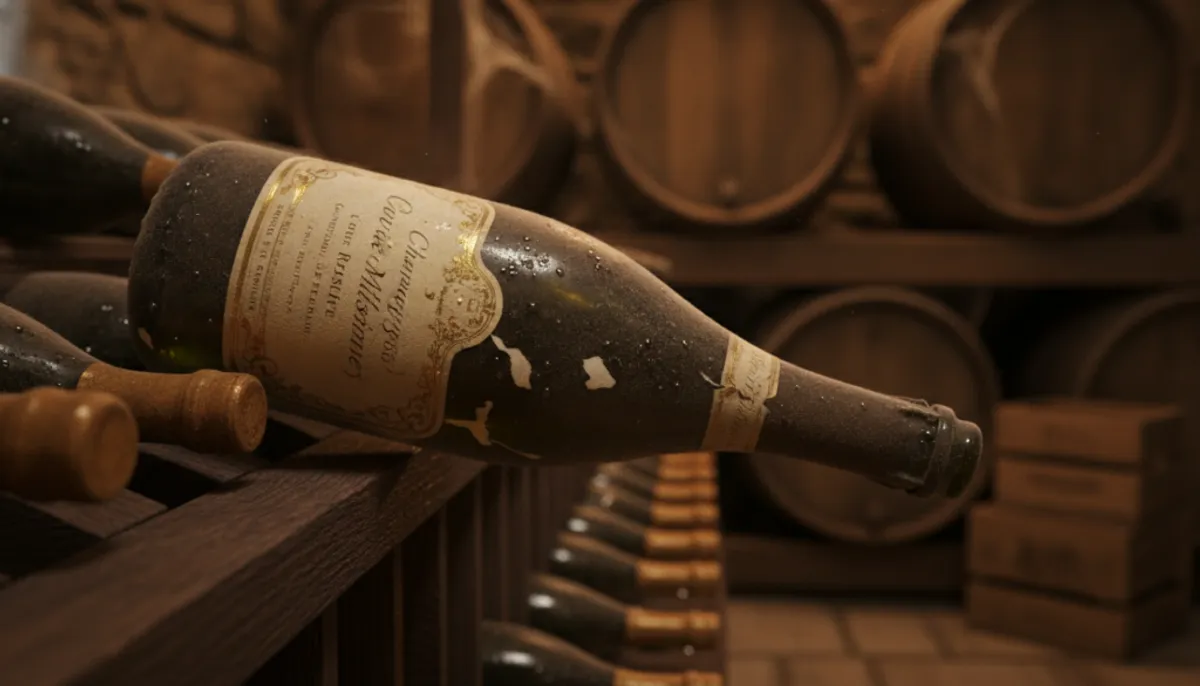
Proper storage is the main factor that preserves flavors and effervescence. Keep bottles at a steady temperature and protect the cork to guard delicate fruit notes and aromas. Small changes in temperature or light can shorten the life of a fine bottle.
We also look at the science behind bubbles and how vintage champagnes develop layers of taste over years. Whether you collect a few special bottles or drink more casually, learning storage and timing can improve your overall experience and help you enjoy peak quality. Additionally, beverage menu optimization can enhance the selection process for your wine offerings, ensuring that each bottle is presented at its best.
Key Takeaways
- Proper storage and steady temperature preserve aroma and effervescence.
- Some vintage wines gain complexity with time; others are best young.
- Protecting the cork helps retain fruit notes and flavor.
- Know your bottles so you open them at peak quality.
- This guide shows the science and simple steps to age wisely.
Understanding Champagne Ageing Potential
The way a sparkling wine is made and how long it rests on lees determines its long-term quality.
Non-vintage (NV) brut must rest at least 15 months on lees before release. This resting time helps the wine gain body and basic aromatic notes.
Vintage bottles require a minimum of 36 months on lees. That extended contact gives structure, finesse, and the reserve to develop for many years.
- Production choices and lees contact shape acidity and the overall profile.
- Some wines are ready soon after release; others improve with extra cellar time.
- Top houses assess each cuvée annually to decide if more months will add complexity.
| Type | Minimum Months on Lees | Key Effect |
|---|---|---|
| Non-vintage | 15 months | Develops base character and freshness |
| Vintage | 36 months | Adds structure, depth, and aging capacity |
| Extended lees contact | 36+ months | Refines notes and improves complexity over years |
Factors That Influence How Long Your Bottles Last
Bottle format and handling shape how long a sparkling wine stays lively. Small differences in size, storage, and service add up. These factors decide whether a bottle improves or simply stays fresh.
Bottle formats
Magnums (1.5 L) age roughly 20–30% longer than a standard 75 cl bottle. The larger volume lowers the oxygen-to-liquid ratio, which slows chemical change.
That means a vintage in a magnum can keep quality and complexity for more years than the same wine in a smaller bottle.
The impact of disgorgement
Disgorgement is the moment sediment is removed and a final cork is fitted. The date matters: the more time since disgorgement, the less fresh the bubbles may taste.
- Keep consistent temperature and humidity to protect the cork and preserve wine quality.
- Store bottles in the dark and check conditions regularly to guard long-term quality.
- Handle bottles gently—movement and light speed decline in fragile wines.
| Factor | Effect | Why it matters |
|---|---|---|
| Format | Magnum ages slower | Better oxygen balance prolongs life |
| Disgorgement date | Freshness marker | Indicates remaining fizz and brightness |
| Storage conditions | Stability preserves quality | Temperature, humidity, and darkness protect the cork and wine |
The Role of Grape Varieties and Production Methods
From vineyard to bottle, grape variety and production steer how a wine develops over time.
Chardonnay is prized for high acidity, finesse, and longevity. That makes it ideal for Blanc de Blancs and for wines meant to evolve gracefully for many years.
Dosage — the sugar added at disgorgement — acts as a mild preservative. Lower dosage keeps the wine crisp and focused. Higher dosage can round fruit flavors and soften the perceived acidity.
Lees contact also matters. Extended time on lees builds texture and complexity. It protects delicate fruit notes while adding brioche and nutty layers to the profile.
- Grapes harvested from top sites give distinct notes that shape a vintage’s character.
- Blends balance fruit and structure; grape mix affects the wine’s ability to age.
- Selecting higher acidity bottles preserves flavors and improves long-term finesse.
| Element | Effect | Why it matters |
|---|---|---|
| Chardonnay | High acidity, finesse | Supports long-term structure and elegant flavors |
| Dosage | Sweetness vs. dryness | Shapes flavor balance and perceived preservation |
| Lees contact | Texture and complexity | Protects fruit notes and adds savory layers over months and years |
Best Practices for Proper Storage Conditions
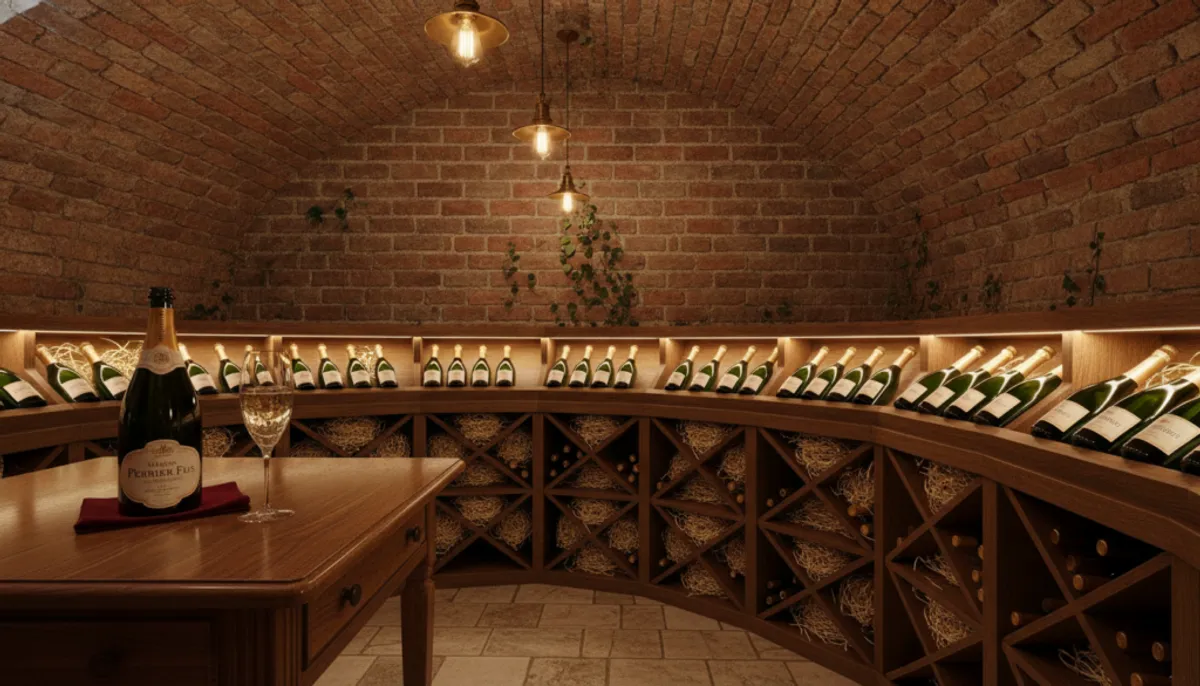
A steady cellar environment makes the biggest difference in how a bottle holds its charm over time. Keep conditions simple: cool, dark, and stable to protect aroma, bubbles, and overall quality.
Temperature and Humidity Control
Maintain 10–12°C as the ideal temperature to slow chemical change. Fluctuations speed decline and reduce quality.
Humidity should stay around 70%. That keeps the cork moist and stops air from entering the wine.
The Importance of Darkness
UV and bright light trigger reactions that harm flavor. Store bottles in a dark environment to avoid off-notes.
Positioning Your Bottles
Lay bottles horizontally so liquid touches the cork. This preserves the seal and prevents oxidation.
Handle gently and avoid vibration to keep bubbles and structure intact over years.
- Constant temperature prevents premature aging and preserves quality.
- Humidity control protects the cork and the wine inside each bottle.
- Dark, stable environment is the best way to store a collection long-term.
| Factor | Recommended Range | Why it matters |
|---|---|---|
| Temperature | 10–12°C | Slows chemical change and keeps quality |
| Humidity | 65–75% | Keeps corks moist and prevents air ingress |
| Light | Dark storage | Prevents UV damage to aroma and flavor |
| Position | Horizontal | Maintains seal and protects bubbles |
Sensory Evolution and Tasting Notes Over Time
Tasting a well-kept bottle over time reveals a clear shift from bright fruit to savory, mature tones. Early life shows crisp fruit and lively bubbles that feel fresh on the palate.
With years, the wine develops brioche, honey, and toasted nut notes. The effervescence softens and becomes more refined, adding finesse rather than force.
When drinking older bottles, expect a deeper, more vinous profile as initial fruit fades and integrated flavors take center stage.
If you open a bottle, drink it within 1–3 days to preserve effervescence and the best taste. Even short exposure will make bubbles fade and fruit notes lose clarity.
- Young: bright fruit, high effervescence.
- Mature: brioche, honey, toasted nuts, subtle bubbles.
- Well-stored: balanced profile, notable finesse and complexity.
| Stage | Typical Notes | What to Expect |
|---|---|---|
| Young | Citrus, green apple, fresh brioche | Vibrant bubbles, crisp acidity |
| Mature (years) | Honey, toasted nuts, pastry | Subtle effervescence, balanced texture |
| Opened (1–3 days) | Retains fruit and bubbles briefly | Best consumed quickly for peak experience |
Exporting and Sourcing Fine Selections
Exporters who know terroir and production deliver bottles that travel well, adhering to the belgian champagne import regulations.
Looking for champagne? We’ve got you covered. Our team sources fine wine from top houses and checks each bottle for vintage, lees contact, and structure before it leaves the cellar.
We maintain strict temperature and humidity conditions during transit to protect corks and preserve acidity, while also adhering to champagne importation regulations. That care reduces risk from light, vibration, or sudden changes in environment.
Whether you need a rare cuvée or a specific year, our experts advise on aging and the bottle’s likely evolution over years. We factor in production methods and grapes harvested to ensure quality on arrival.
- Access to finest selections and verified production records.
- Climate-controlled export to manage temperature and humidity.
- Advice on storage, aging, and tasting expectations by vintage.
| Service | Benefit | Why it matters |
|---|---|---|
| Sourcing | Curated bottles | Ensures authentic production and grape quality |
| Climate-controlled transit | Stable conditions | Protects cork, acidity, and effervescence |
| Vintage advisory | Timing guidance | Optimizes when to open or store a bottle |
Request a personalized quote today at https://champagne-export.com to start building your collection with the best wines, shipped with care.
Conclusion
Smart care—temperature control, light protection, and patience—lets a wine show its best side. This guide gives a clear path to manage a champagne collection and get the most from each bottle over the years.
Pay attention to lees contact, storage conditions, and vintage when planning time to open a bottle. Those choices shape complexity, flavor, and the tasting notes you’ll find in every glass.
Whether you are a casual fan or a serious collector, follow simple steps and let time work in your favor. Enjoy the evolving taste, and open bottles when they match the moment you want to share.