Looking for a clear guide to sparkling wine choices? This short article compares iconic Champagne, elegant Crémant, and lively Prosecco to help buyers make smart decisions. You will learn key differences in production, typical style, and how price affects selection.
We focus on practical tips. Whether you buy for an event or to stock a cellar, understanding each wine helps you pick the best bottle. Our team checks quality before shipping, so orders meet high standards.
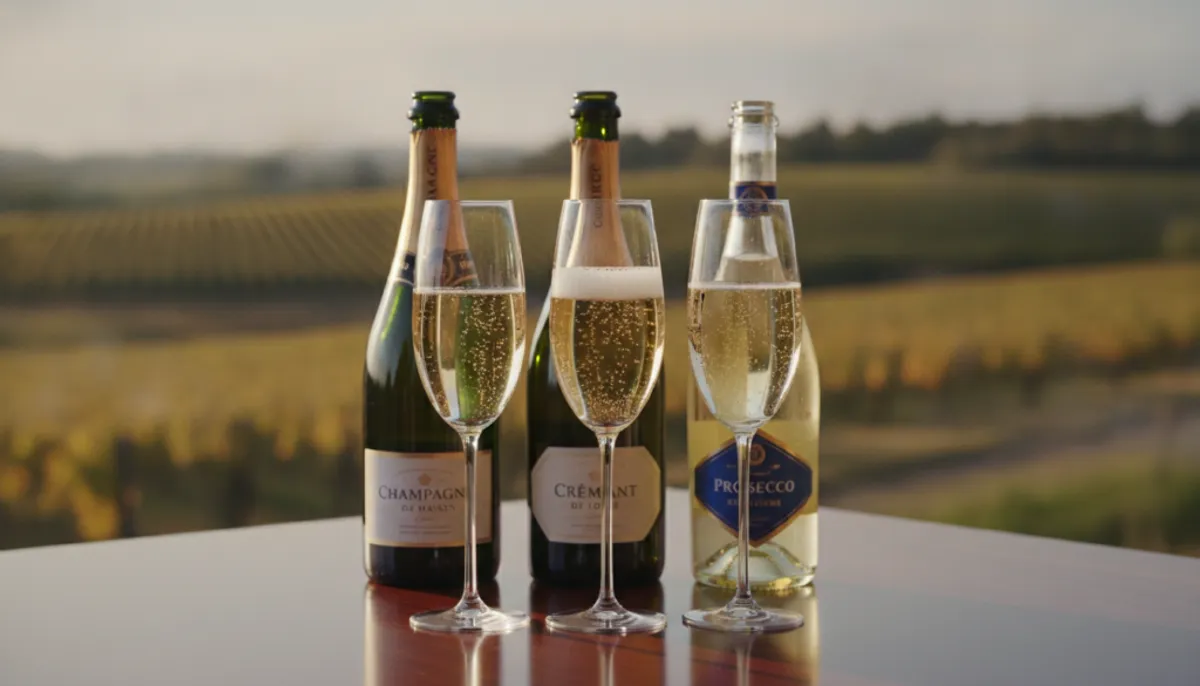
Need authentic Champagne shipped worldwide? Visit https://champagne-export.com to request a personalized quote. Our service handles export logistics and ensures your premium bottles arrive ready to celebrate.
Key Takeaways
- Learn how production and style shape tasting notes and price.
- Sparkling wines vary in bubble texture, sweetness, and aging.
- Quality checks help ensure safe global shipping of premium wine.
- Compare differences to match a bottle to your event or budget.
- Request a personalized quote at https://champagne-export.com for export options.
Understanding the World of Sparkling Wine
From strict appellations to modern producers, region and method define each sparkling style.
The Champagne area in France is governed by tight appellation laws that protect quality and identity. These rules set grape choices, yields, and aging requirements to keep standards high.
Outside France, many regions craft lively bottles with different goals. Producers in Italy, Spain, the United States, and elsewhere experiment with grapes and tank or traditional methods to create varied tastes.
Quality remains the top priority for producers who follow regional rules. That focus helps consumers trust labels and taste the care in each bottle.
- The world of sparkling wine covers prestigious houses and small growers.
- Each area creates its own signature styles for casual sipping or cellaring.
- Knowing the key differences helps you pick a bottle that matches the occasion.
The Production Methods Behind Champagne vs Cremant vs Prosecco
The path from grape to glass—especially fermentation—defines each sparkling style. Production choices shape texture, aroma, and price. Knowing the methods helps you pick a bottle with the depth or fresh fruit character you want.
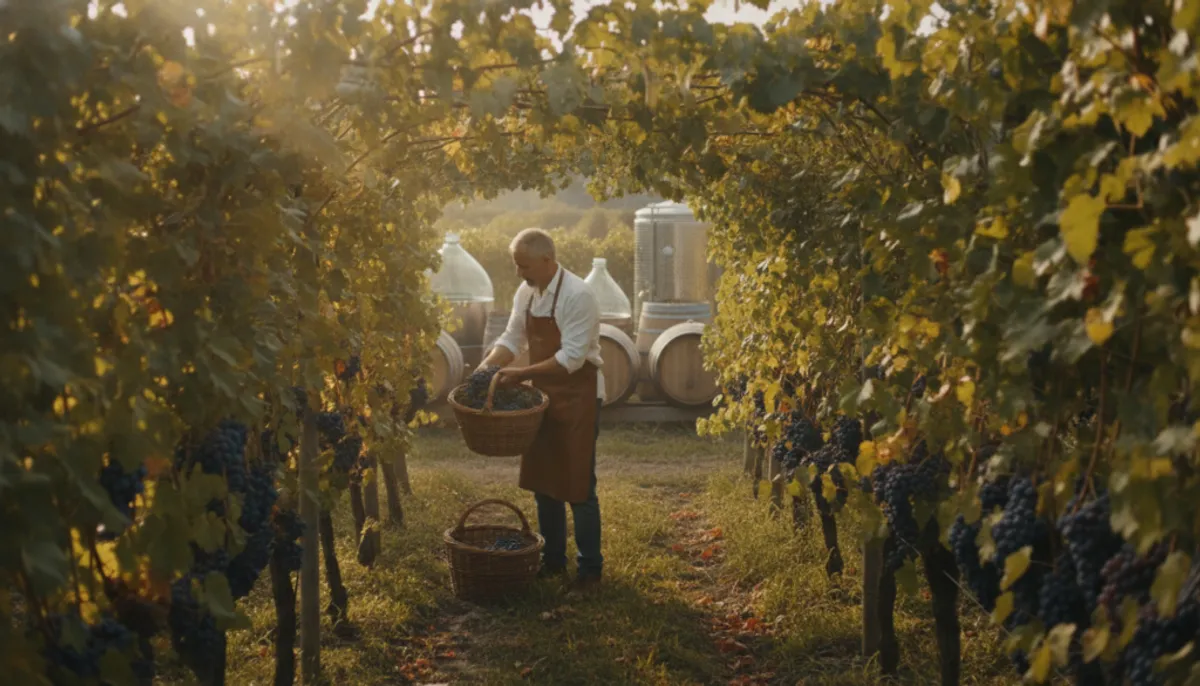
Traditional Method and Second Fermentation
The traditional method requires a second fermentation in the bottle. This labor-intensive process adds complexity and fine bubbles. Many producers of Crémant d’Alsace and Crémant de Bourgogne use it to match higher-end quality.
Tank Method and Lees Aging
The tank method keeps primary fruit notes bright and speeds production. It offers strong value for casual sipping.
Lees aging is where wine rests on dead yeast cells. For crémants this often runs at least nine months. Non-vintage Champagne typically stays on lees a year or more. The champagne aging process is crucial, as longer time on lees increases depth, toasty notes, and often the bottle price.
- Second fermentation in the bottle = more complexity and higher production cost.
- Tank method = fresher fruit style and lower price.
- Control of the fermentation bottle environment shapes final quality and style.
Regional Characteristics and Grape Varieties
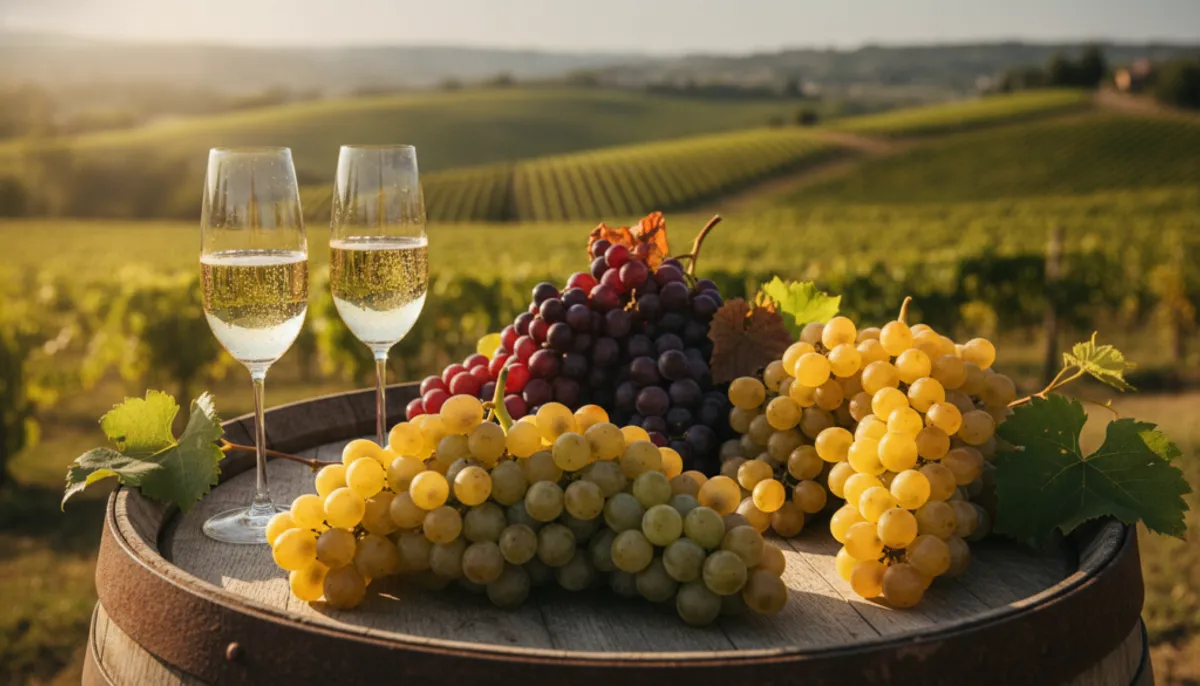
Soil, slope and microclimate shape the character you taste in each glass. The Champagne region is a clear example: its chalky soils favor pinot noir, Chardonnay, and pinot meunier, giving the sparkling wine its firm acidity and minerality.
Other regions grow different grape varieties to suit local soils and styles. That variation matters when you evaluate a bottle for taste, aging, or price.
The Influence of Terroir
Terroir dictates which grapes thrive and how producers balance blends. Years of work by local producers refine plantings and production to match the region’s profile.
- Pinot noir brings body and red-fruit notes.
- Chardonnay adds brightness and finesse, common in blanc blancs.
- Pinot meunier softens texture and boosts early-drinking fruit.
| Region | Key Grapes | Typical Style | Production Notes |
|---|---|---|---|
| Champagne region | Pinot Noir, Chardonnay, Pinot Meunier | Structured, mineral, age-worthy | Traditional method, careful blending over years |
| Other classic regions | Local varieties vary | Fresh fruit-forward to complex | Tank or traditional method; grape choice defines style |
| Value-focused regions | Common international grapes | Bright, early-drinking | Tank method often used to control price |
Bottom line: study grape varieties and terroir to predict a wine’s fruit, acidity, and aging potential. The method of second fermentation in the bottle matters, but the grape and region shape the final profile.
Comparing Quality, Price, and Aging Potential
Buyers should weigh aging potential, production choices, and price to find true value in sparkling wine.
Defining Premium Quality
Quality often comes from time on lees. Extended lees contact adds toasty notes, depth, and complexity over years.
The traditional method and careful blending by producers also raise the bottle’s profile.
Price Points and Value
Price reflects process and prestige. Houses that use the traditional method invest more time and cost into each bottle.
Crémant Bourgogne and Crémant Alsace regularly offer excellent value, delivering rich fruit and structure at lower price points.
Aging and Complexity
Grape choice matters: pinot noir and pinot meunier contribute to longevity and savory notes as the wine ages.
Styles like Extra Brut and Brut Nature are prized by collectors who seek purity in the champagne collectors market. A well-made Blanc de Blancs can gain complexity for many years.
- Lees time builds depth and complexity.
- Consider production method when judging price versus value.
- Know grape varieties and fermentation bottle processes to choose wines for cellaring.
Conclusion: Finding Your Perfect Bottle
Choose a bottle that matches your occasion by weighing style, production, and budget. This article showed the key differences between Champagne, crémant bourgogne, and prosecco so you can decide what suits you.
Remember that method and time on lees shape the wine’s depth and complexity. Grape choice — like pinot noir — and region influence aging and tasting notes.
From Extra Brut to Brut Nature and blanc blancs, many styles exist to fit taste and value. Whether you prefer a complex bottle from the champagne region or a selection of boutique champagne brands, focus on production and fermentation to judge quality.
Use this guide to explore new producers and regions, compare differences, and keep a high-quality bottle ready for every celebration.