Looking for Champagne? We’ve got you covered. Discover the finest selections, ready to be exported anywhere in the world. Request your personalized quote today at https://champagne-export.com.
Choosing the right grower champagne for retail means valuing craft, terroir, and small-batch character. These bottles offer a distinct story that can help your shelves stand out in a crowded market.
Our team curates authentic, high-quality options that appeal to discerning customers. We guide boutiques and large distributors alike, helping you build a collection with clear market appeal.
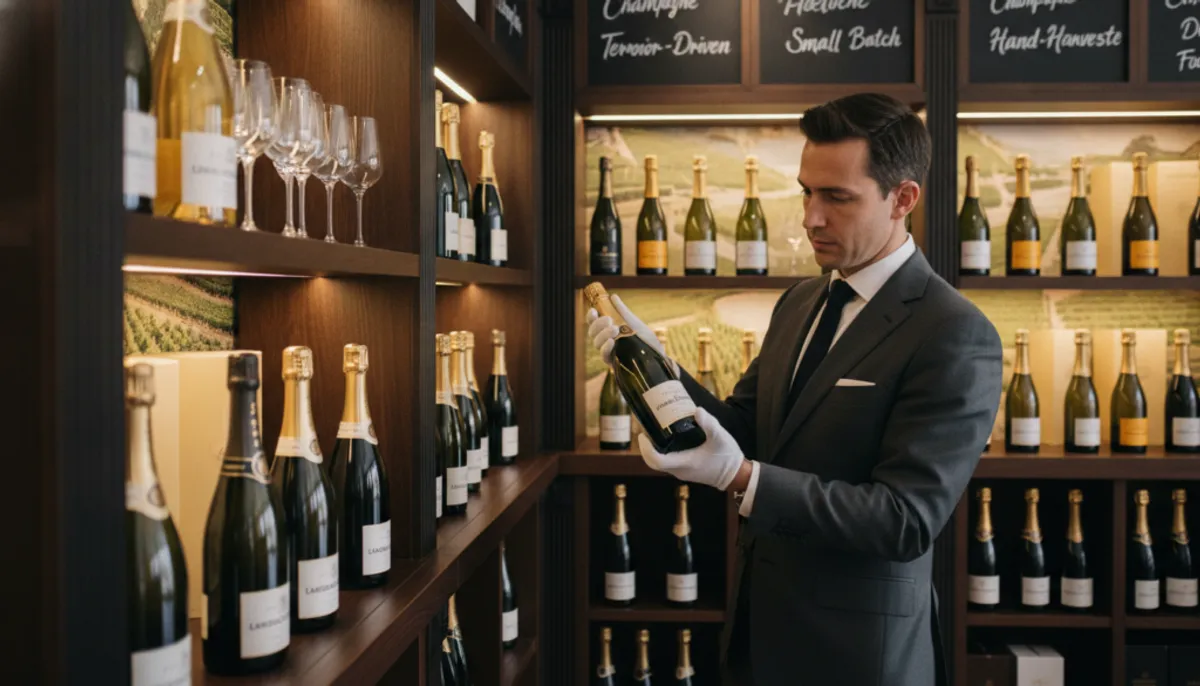
Partnering with us gives you access to rare, compelling wines and reliable export service across the United States and beyond. If you are considering importing alcohol to norway, we can help you navigate the complexities involved. Start building a premium portfolio that reflects the region’s rich history.
Key Takeaways
- Small-batch sparkling wines offer unique appeal and storytelling value.
- Our curated selection makes it simple to stock authentic, high-quality bottles.
- We support both boutique shops and large distributors with export-ready inventory.
- Expert guidance helps you create a distinctive collection that sells.
- Request a personalized quote at https://champagne-export.com to get started.
Understanding the Rise of Grower Champagne
Independent producers have quietly reshaped what serious buyers expect from sparkling wine.
Only about 5% of the Champagne imported into the United States comes from small estate bottlings. That small share belies a big shift in taste and curiosity among consumers and trade.
In 2001, Master of Wine students visited Anselme Selosse. That visit helped push interest toward independent producers and away from large houses like Veuve Clicquot.
These bottles often come from people who farm their own vineyard, press their own grapes, and oversee winemaking. The result is wines that taste like a single village, vintage, or parcel rather than a consistent industrial blend.
| Feature | Large Champagne Houses | Estate Bottlings |
|---|---|---|
| Production | High, blended across years | Small, single-vineyard or single-vintage |
| Flavor Profile | Consistent, brand-driven | Site-specific, varied notes |
| Price & Availability | Wider, stable pricing | Limited runs, varied price |
Retailers should note that these bottles offer diverse styles — from blanc noirs to chardonnay-led cuvées. They carry a clear story and a different price structure than mass-market brands.
Why Retailers Should Stock Grower Champagne for Retail
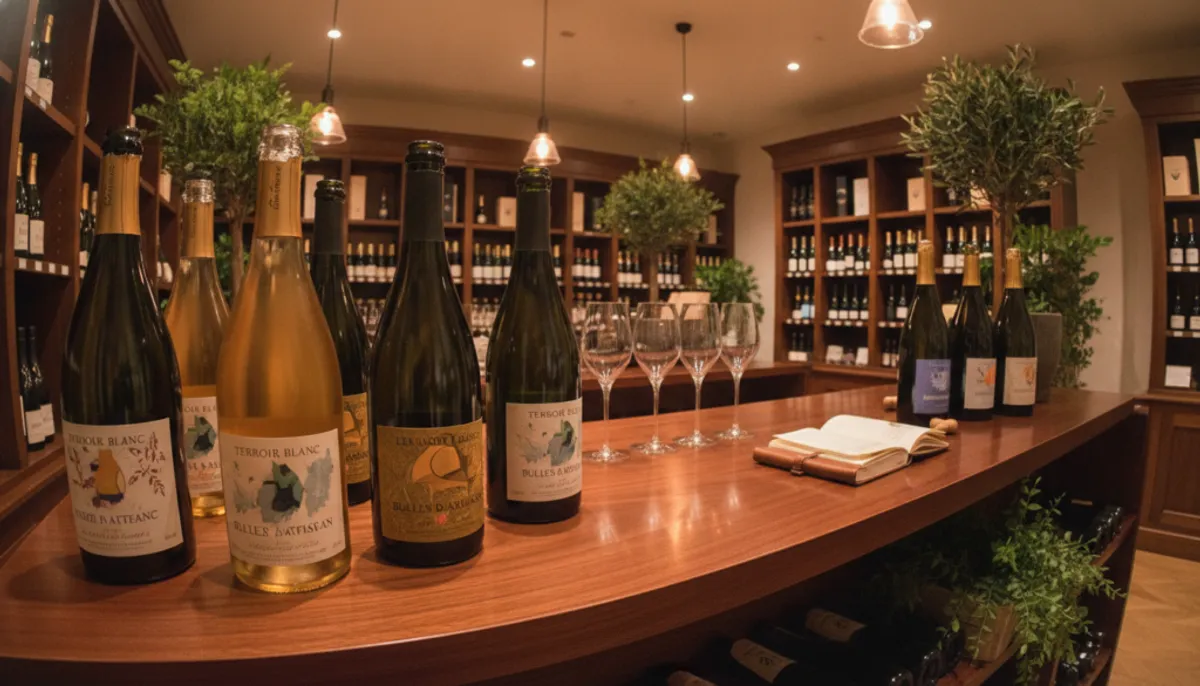
Shoppers now ask for bottles that speak of place, vintage, and hands-on craft. Offering estate-driven selections and fine dining beverages answers that demand. These wines bring authentic stories and clear shelf appeal.
The Value of Artisanal Quality
Artisanal bottles reflect soil, vine age, and small-lot choices. Each bottle shows a producer’s vision and a specific vintage.
This authenticity resonates with buyers who want a connection to the land and the people who tended the grapes.
Building a Diverse Inventory
Curating a range of styles lets you serve both curious collectors and casual shoppers. A mix of blanc de blancs, blanc de noirs, and blended cuvées broadens appeal.
Stocking these selections differentiates your shop from the major houses and creates opportunities for higher margin sales.
| Benefit | What It Delivers | Retail Impact |
|---|---|---|
| Artisanal quality | Site-specific flavors and limited lots | Higher perceived value, storytelling |
| Diverse vintages | Different years and styles on one shelf | Repeat visits, tasting interest |
| Producer names | Unique labels and backstories | Customer loyalty and premium pricing |
- Support dedicated growers by selecting bottles that honor their craft.
- Use tasting notes to teach customers about flavors and vintage differences.
- Promote limited lots as special buys to justify price points.
Distinguishing Between Houses, Cooperatives, and Vignerons
Knowing whether a bottle comes from a maison, a cooperative, or a vigneron helps you present its story clearly.
Maisons blend grapes from many sites. This is the reason 87% of imported champagnes in the USA come from large houses like Veuve Clicquot. They aim for a consistent brand style and steady supply.
Cooperatives pool grapes from a village or region. They offer reliable volume and good value, with some members bottling under shared names or their own labels.
Vignerons farm, pick, and vinify their own fruit. These producers make grower champagne that reflects their specific vineyard, year, and winemaking choices.
- Top vintages such as 1996, 2002, 2004, and 2008 often yield sought-after bottles from independent producers.
- Winemaking control at the estate level creates idiosyncratic styles and limited lots.
- Retailers should use these distinctions to educate customers and highlight provenance.
| Type | Source of Grapes | Typical Strength |
|---|---|---|
| Maison | Many growers, blended | Consistency, broad availability |
| Cooperative | Local growers pooled | Value, village character |
| Vigneron | Own vineyard only | Site-specific, limited bottles |
Decoding Labels and Producer Classifications
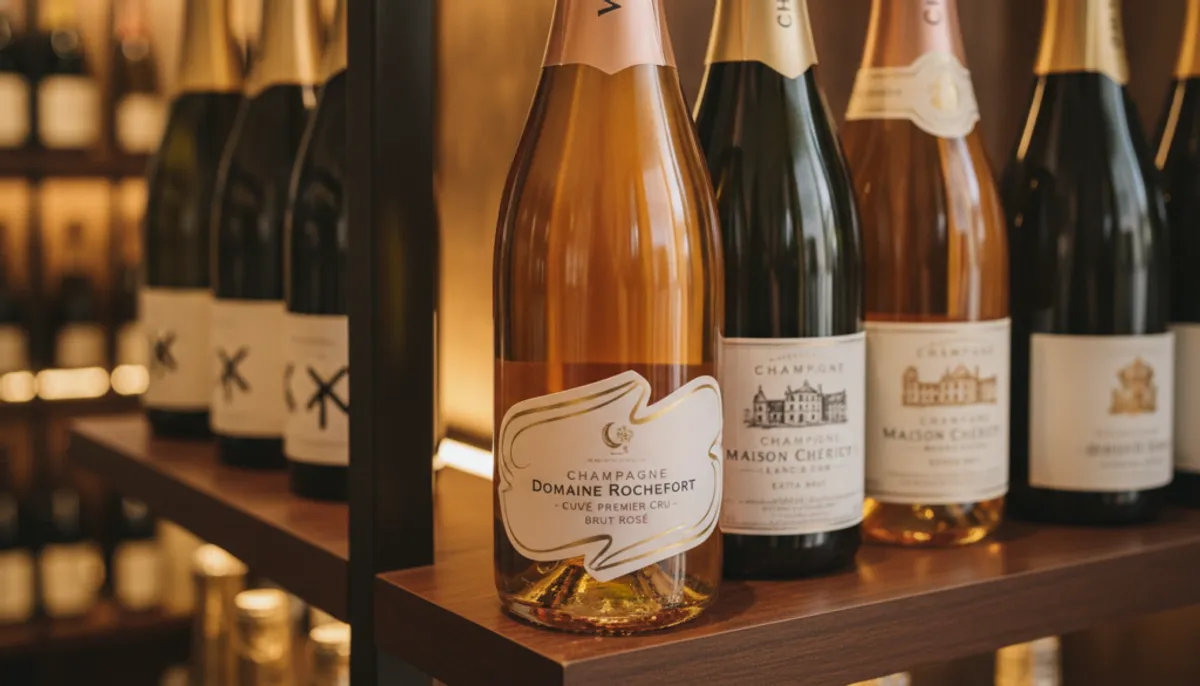
Decoding a bottle’s markings turns guessing into confidence at the shelf. Knowing the codes and dates on a label, along with the wine labelling requirements, helps you tell a clear story to customers.
Identifying RM and CM Producers
RM (Récoltant Manipulant) signals a true estate producer that uses at least 95% estate fruit. This mark shows the bottle comes from a single team who farmed and vinified the grapes.
CM indicates production at a cooperative mill where local growers pool resources. It’s a common way for smaller villages to achieve volume and consistent quality.
The Significance of Hyphenated Names
Hyphenated family names on a label often honor heritage and marital lines. These names link the product to a specific parcel or village and strengthen the producer’s backstory.
Reading Disgorgement Dates
Disgorgement dates tell you the time the wine spent on the lees and its current drinking window. Freshly disgorged bottles will taste different from long-rested ones.
- How to use this info: Check the label to confirm who made the wine and how it was handled.
- Research the producer name to add context and value when you sell the bottles.
| Marking | Meaning | What to tell customers |
|---|---|---|
| RM | Estate-made (≥95% own fruit) | Site-specific character, small lots |
| CM | Cooperative-made | Village sourcing, shared facilities |
| Disg. date | Disgorgement (bottling after lees) | Age on lees, drinking window |
Navigating Champagne Styles and Dosage Levels
Small shifts in dosage can turn a taut, mineral wine into something rounder and more fruit-forward. That change affects how a bottle balances acidity, minerality, and the fruit on the palate.
Understanding the Impact of Dosage
Many modern grower champagnes lean toward extra brut or zero-dosage to showcase terroir. In that form, the minerality and orchard fruit speak plainly through the bubbles.
Unlike the consistent, blended style of a Veuve Clicquot, estate-made bottles often let the character of pinot noir or pinot meunier come forward. The label and tiny sugar additions change how those grapes read.
Knowing dosage helps you describe what a customer will taste like when they open a bottle. Extra brut highlights acidity and leesy notes; a touch more dosage softens the edges and lifts the fruit notes.
- Offer extra brut options to highlight terroir and vintages.
- Match blanc noirs and blends to customer taste and occasion.
- Use tasting notes on the label to guide sales conversations.
The Role of Perpetual Reserves in Flavor Development
Some producers keep a living library of reserve wine to build a consistent profile over time. This method, known as Réserve Perpétuelle, layers older wine into new vintages to add depth.
Why it matters: Reserve wines bring nuttier, caramel-like notes and mature fruit tones that extra brut bottles often need. The result is complexity without added sweetness.
Each grower uses the technique in their own way. One may pull from a single vineyard; another blends parcels to craft a signature style. Pinot noir or chardonnay-based blends both benefit.
For retailers, highlighting bottles made with a perpetual reserve showcases winemaking skill. It also helps shoppers understand how time and careful blending shape flavors.
| Feature | Effect | Retail Pitch |
|---|---|---|
| Layered reserve | Added maturity and nutty notes | “Crafted depth, ready to drink” |
| Used with extra brut | Balances acidity without sugar | “Terroir-forward, precise” |
| Vineyard sourcing | Signature, site-specific profile | “Distinct land and people story” |
Exporting Premium Selections for Your Business
Make premium, small-batch sparkling wine a core part of your inventory with export services that prioritize quality and timing, including importing luxury goods that enhance your offerings.
We specialize in exporting premium selections of grower champagne, giving U.S. businesses access to sought-after wine that can be hard to source abroad.
Our logistics team handles every shipment with care. Each bottle moves from cellar to shelf under temperature-controlled conditions to protect flavor and value at a competitive price.
- Expand your range with exclusive wines that tell a clear story and attract curious buyers.
- Reliable global shipping means we can deliver these bottles anywhere in the world.
- Competitive pricing and tailored quotes help you plan margin and inventory.
Looking for Champagne? We’ve got you covered. Discover the finest selections, ready to be exported anywhere in the world.
Visit https://champagne-export.com to request your personalized quote today and learn how our curated portfolio can elevate your offerings.
Conclusion
A carefully chosen selection can turn your shelf into a destination for curious buyers.
Selecting the right grower champagnes links customers to artisanal traditions and real place-driven stories. Understanding producer types, labels, and styles helps you build a collection that stands out.
Use tasting notes and disgorgement info to guide sales. Highlight bottles with layered reserves or extra-brut styles to show craft and depth.
We hope this guide gives you the confidence to stock and sell these exceptional champagnes to your clientele. Every bottle tells a unique story of land, people, and year.
Explore our premium selections and request a personalized quote at https://champagne-export.com to begin your journey into independent production.