Understanding wine pricing used to feel simple, but recent examples showed a different story. A guest paid $14 for one glass of Raeburn Chardonnay. That pour came from a bottle that cost the restaurant about $16.
This raised immediate questions about fair price and real margin. Owners must factor bottle cost, service, and overhead when they set a price per glass. A clear cost per glass model helps keep menu choices profitable and honest.
Restaurant teams could balance guest expectations and business needs by adjusting per-glass pours and bottle allocations. Smart menu design, thoughtful service training, and a curated list of wines improved sales without alienating diners.

Key Takeaways
- Calculate cost per glass from bottle cost and service overhead.
- Transparent pricing builds trust while protecting your margin.
- Adjust pours and bottle selection to improve menu performance.
- Offering quality wines can boost sales and guest satisfaction.
- For premium sourcing, request a personalized quote at https://champagne-export.com.
The Strategic Value of Offering Champagne by the Glass
Serving premium single pours lets guests sample top labels without buying an entire bottle. This approach raises average checks while keeping price points accessible for casual diners.
Guests enjoy a refined wine glass service that feels upscale and flexible. Moderation becomes simple when customers can choose a modest pour instead of committing to a full bottle.
The Appeal of Premium Options
Premium pours communicate quality. A curated list of sparkling and still selections adds value to your menu. Staff can recommend pairings that enhance the guest experience and protect profit.
Encouraging Moderate Consumption
- Offering wine glass options allows guests to enjoy a premium experience without a full bottle commitment.
- Trends show many patrons prefer a single pour that supports moderate consumption while keeping a sense of celebration. Additionally, staying updated on seasonal champagne trends can enhance your offerings.
- A diverse list of sparkling wines glass selections helps your restaurant attract diners who want luxury with restraint.
| Benefit | Guest Impact | Business Impact |
|---|---|---|
| Premium single pours | Try top labels affordably | Higher per-glass price with controlled cost |
| Curated list | Better pairing choices | Stronger reputation, repeat visits |
| Moderate pours | Safer alcohol intake | Less waste, steady revenue |
Looking for Champagne? We’ve got you covered. Discover premium selections ready for export and request a personalized quote at https://champagne-export.com.
Understanding Champagne by the Glass Margins
Smart pricing turns a single bottle into predictable revenue when restaurants price each pour correctly.
Industry standard uses a 20% alcohol cost target. That means charge roughly 5x a bottle’s wholesale cost to reach target profit. Most spots pour four glasses per bottle to keep costs steady.
Clear math helps staff explain price and value to guests who question a high pour. It also protects your wine list and bar sales over a busy year.
- 20% cost rule: multiply bottle cost by five to set a fair price.
- Four pours: plan pour size so each glass hits profit and minimizes waste.
- Sourcing: request premium stock that supports those margins and delights diners. Visit https://champagne-export.com for quotes.
| Metric | Standard | Impact |
|---|---|---|
| Alcohol cost | 20% | Targets steady profit |
| Glasses per bottle | 4 | Consistent pricing |
| Markup | 5× wholesale | Protects restaurant margin |
Calculating Your Ideal Price Point
A clear formula turns bottle figures into consistent pour prices. This helps staff set a fair price and keeps profit predictable.
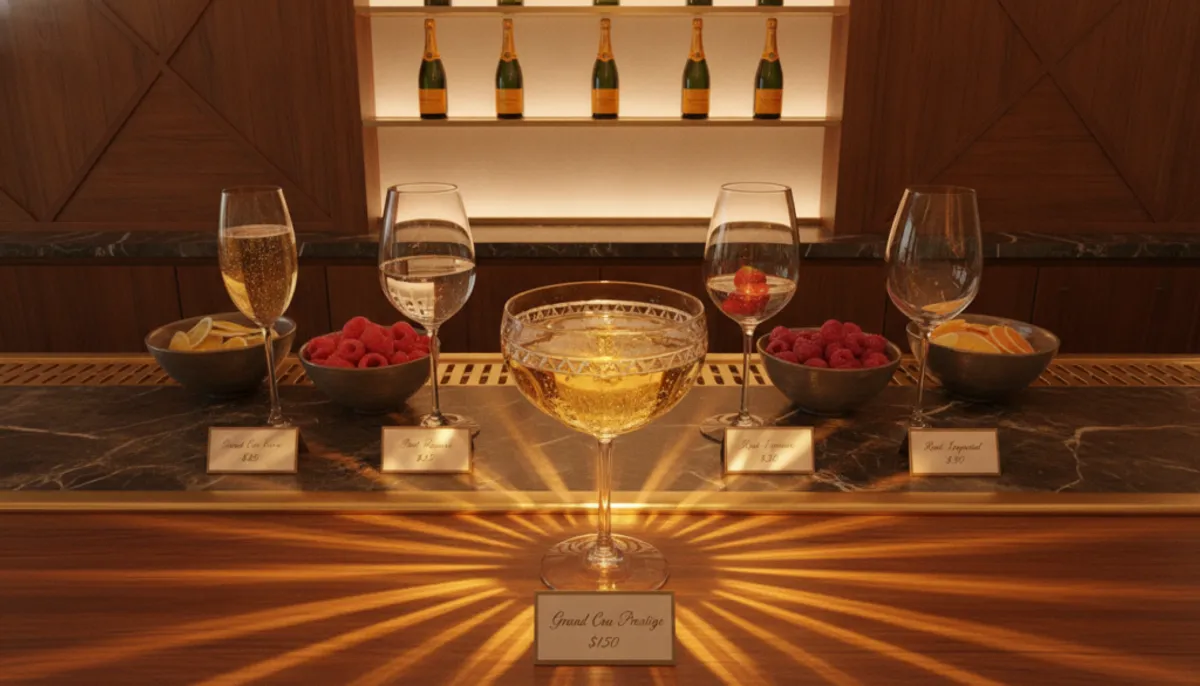
The Cost Per Glass Equation
Start with the bottle cost and divide it into usable pours. Use G = C / Number of glasses per bottle to find the cost per serve.
Then set your selling price with S = G + (G x Desired profit margin). This simple step protects your restaurant and rewards good sourcing.
- Why it matters: Calculating cost per glass keeps margins steady and reduces surprise losses.
- Apply a consistent approach so your wine list supports both guests and the business.
- Visit https://champagne-export.com to match premium bottles to your cost per glass model.
| Metric | Example | Result |
|---|---|---|
| Bottle cost (C) | $20 | Base for calculation |
| Glasses per bottle | 4 | G = $5 |
| Desired margin | 200% | S = $15 per pour |
Balancing Profitability with Customer Expectations
Finding the right balance between profit and guest satisfaction starts with clear menu language and portion control.
Guests value honesty. A transparent menu that highlights quality helps justify a fair price for each glass wine served. Short descriptions, origin notes, and suggested pairings make choices simple. Additionally, understanding wine import duties can further inform pricing strategies and enhance guest satisfaction.
Keep pours consistent so cost per pour matches projected margin. Train staff to explain why a bottle or single serve holds value. Clear answers build trust and repeat visits.
- Show provenance and tasting notes to support a higher price point.
- Match pours to portion sizes so each sale covers cost and margin.
- Curate a balanced list that fits a range of budgets and moods.
Looking for Champagne? We’ve got you covered. Discover the finest selections, ready to be exported worldwide. In our champagne regions comparison, you can see how different areas produce unique flavors. Request a personalized quote today at https://champagne-export.com to ensure your offering wine program is profitable and respected.
Operational Best Practices for Pouring and Service
Good pouring and storage habits keep sparkle lively throughout service.
Preserving Bubbles and Effervescence
Handle each bottle with care. Open gently and pour slowly down the side of a glass to protect CO2 and reduce foam.
Train staff to watch pour speed and head height. Small technique changes preserve aroma and improve the guest experience.
Proper Chilling Techniques
Keep every bottle chilled to 45–50°F before opening. That window preserves flavor and effervescence over time.
Practical checklist for service:
- Chill bottles to 45–50°F before service starts.
- Store opened bottles upright and use within recommended time spans.
- Pour slowly down the glass side to limit waste.
| Task | Why it matters | Quick tip |
|---|---|---|
| Chill to 45–50°F | Preserves sparkle and flavor | Use a thermometer and set cooler zones |
| Pour technique | Reduces foam and waste | Train staff to tilt glass and pour slowly |
| Bottle handling | Maintains consistent service | Label opened bottles with time and date |
We have you covered if you are looking for champagne. Discover the finest selections, ready to be exported anywhere in the world. Request your personalized quote today on https://champagne-export.com to ensure your bar staff has the best tools and a premium list that supports fair price and service.
Mitigating Waste to Protect Your Bottom Line
Wasted bottles and unused pours quietly erode profit every service night.
Mitigating waste is a critical business strategy. Using a professional preservation system like Bermar can keep sparkling wine fresh for up to 21 days after opening. That reduces waste and improves cost per glass.
Every one glass saved from the drain adds money back into your pocket. Restaurants that cut waste keep more of their bottle cost and protect margin even when sales dip during the year.
- Save money: Preservation systems reduce spoilage and increase usable pours per bottle.
- Protect profit: Lower waste improves per glass cost and overall business health.
- Smart sourcing: Partner with suppliers to get wines that hold up in preservation systems and support steady prices. Additionally, consider norwegian wine imports to diversify your offerings and enhance your wine list.
| Action | Impact | Quick tip |
|---|---|---|
| Use preservation system | Extend bottle life to 21 days | Track opened date on label |
| Match pours to demand | Reduce overpour waste | Adjust pour sizes for slow nights |
| Source resilient wines | Fewer spoiled bottles | Request samples before buying |
We have you covered if you are looking for champagne. Discover the finest selections, ready to be exported anywhere in the world. Request your personalized quote today on https://champagne-export.com to maximize sales from every single glass poured.
The Role of Staff Training in Enhancing Guest Experience
Well-trained servers turn a casual pour into a memorable guest experience.
Training builds confidence fast. Quick, focused lessons on pouring, temperature, and tasting help staff present each wine glass with purpose. That clarity boosts guest trust and supports fair price points.
Demonstrating Professionalism and Excellence
Investing time in practical drills ensures every bottle is opened and served the right way. Staff who master technique protect aroma and reduce waste.
- Train staff to present and pour so guests feel cared for and willing to pay a premium price.
- Supply quality wines that help servers speak confidently about origin and flavor.
- Use regular refreshers so new hires match veteran service standards each year.
| Focus | Benefit | Quick tip |
|---|---|---|
| Pour technique | Less waste, better aroma | Practice slow side pours |
| Product knowledge | Improves upsell rates | Use tasting notes cards |
| Guest interaction | Stronger repeat visits | Role-play common questions |
We have you covered if you are looking for Champagne. Discover the finest selections, ready to be exported anywhere in the world. Request your personalized quote today on https://champagne-export.com.
Exploring Alternative Business Models like BYOB
When liquor license fees soar, a BYOB option can make sense for small restaurants. In Pennsylvania, licenses run roughly $75,000–$80,000 in Pittsburgh and can reach $250,000 in Butler County. That cost often changes the calculus for new or tight-margin spots.
BYOB cuts upfront licensing burden while still letting guests enjoy premium bottles. Owners can charge a modest corkage or service fee to cover staff time and glassware. Staff should still learn proper bottle opening and presentation to preserve guests’ experience.
- BYOB helps control initial cost and keeps menu prices competitive.
- Sourcing fine wines and bottles from a trusted partner supports a strong wine list even without full licensing.
- Train staff to open and present a bottle correctly; this adds value and protects your reputation.
| Model | Upfront cost | Guest impact |
|---|---|---|
| Full license | High (up to $250k) | Sell wine on menu |
| BYOB | Low | Guests bring bottle; pay corkage |
| Hybrid | Moderate | Limited list plus BYOB nights |
We have you covered if you are looking for champagne. Discover the finest selections, ready for export worldwide. Request a personalized quote today on https://champagne-export.com to secure bottles that help your business maintain fair prices and a competitive wine program.
Sourcing Premium Selections for Global Export
Partnering with an experienced exporter shortens lead time and protects your cost per unit on every bottle. We place curated stock so a restaurant can count on quality and steady sales.
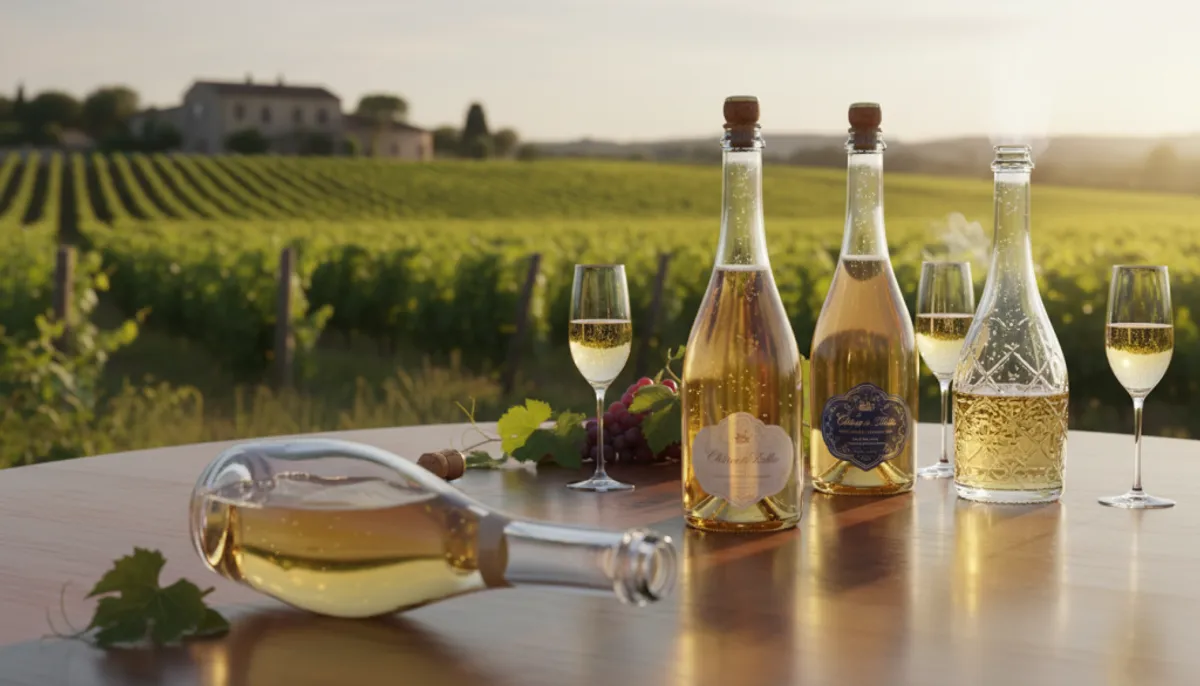
Our team handles sourcing, paperwork, and logistics to save you time while ensuring compliance with bulgarian import regulations. That means your staff focuses on service and guests enjoy a better experience.
- We supply premium bottle choices that help maintain fair prices and boost year‑round sales.
- Request a quote at https://champagne-export.com to lock inventory that protects cost and improves money flow.
- Each bottle ships with documentation to simplify import and speed delivery to your restaurant.
| Benefit | Impact | Quick tip |
|---|---|---|
| Curated bottles | Consistent guest experience | Order samples before buying |
| Export service | Faster lead time | Plan orders ahead of busy season |
| Transparent cost | Clear cost per unit | Compare prices quarterly |
Looking for Champagne? We’ve got you covered. Discover the finest selections, ready to be exported anywhere in the world. Request your personalized quote today on https://champagne-export.com.
Conclusion
Closing well means turning every bottle service into a clear win for both guest and operator.
Mastering service and smart pricing raises profit while making guests feel valued. Train staff, set fair pour sizes, and track costs so each sale supports long‑term success.
Keep menu language honest and show quality through provenance and tasting notes. Understanding champagne labeling laws builds trust and repeat visits.
Whether running a full wine program or a BYOB model, focus on sourcing, service standards, and stock that holds up in preservation systems.
Ready to upgrade your selection? Visit https://champagne-export.com to request a personalized quote and secure premium bottles for your venue.