Looking for premium fizz? This guide makes the path clear for any business that wants to bring high-quality sparkling wine to the U.S. market, including those interested in champagne importation.
We explain federal rules, labelling needs, and handling tips so your alcohol product clears customs and reaches shelves fast. The focus is practical: steps for the importer, paperwork, and compliance tasks that matter most.
Our team offers tailored support and global sourcing. If you want a quote, visit https://champagne-export.com for a personalized plan to ship your beverages safely and legally.

Key Takeaways
- Understand federal duties and labelling before you import.
- Follow compliance rules for alcoholic beverages to avoid delays.
- Handle each product with care to protect quality and brand value.
- Work with an experienced importer or agent for smooth clearance.
- Request a custom quote at https://champagne-export.com to start.
Understanding the Regulatory Landscape for Importing Champagne into United States
Three federal agencies set the rules you must meet to clear wine at the border. The Alcohol and Tobacco Tax and Trade Bureau (TTB), the Food and Drug Administration (FDA), and U.S. Customs and Border Protection (CBP) each handle different parts of the process.
Start by confirming product standards and paperwork. The TTB reviews label approval and excise duties. The FDA checks safety, packaging, and prior notice. CBP enforces entry rules and inspects shipments at the port.
Each country has unique production standards, so verify that your wine and other beverages meet the entry requirements for the United States. Importing champagne requires knowing excise and tax obligations early to avoid surprises.
- Register with the right agencies and gather accurate product information.
- Prepare customs declarations and excise calculations before shipment.
- Expect strict enforcement; incomplete data can cause delays and fines.
We guide businesses through these regulations so your product moves smoothly from producer to market.
Securing Essential Federal Permits and Registrations
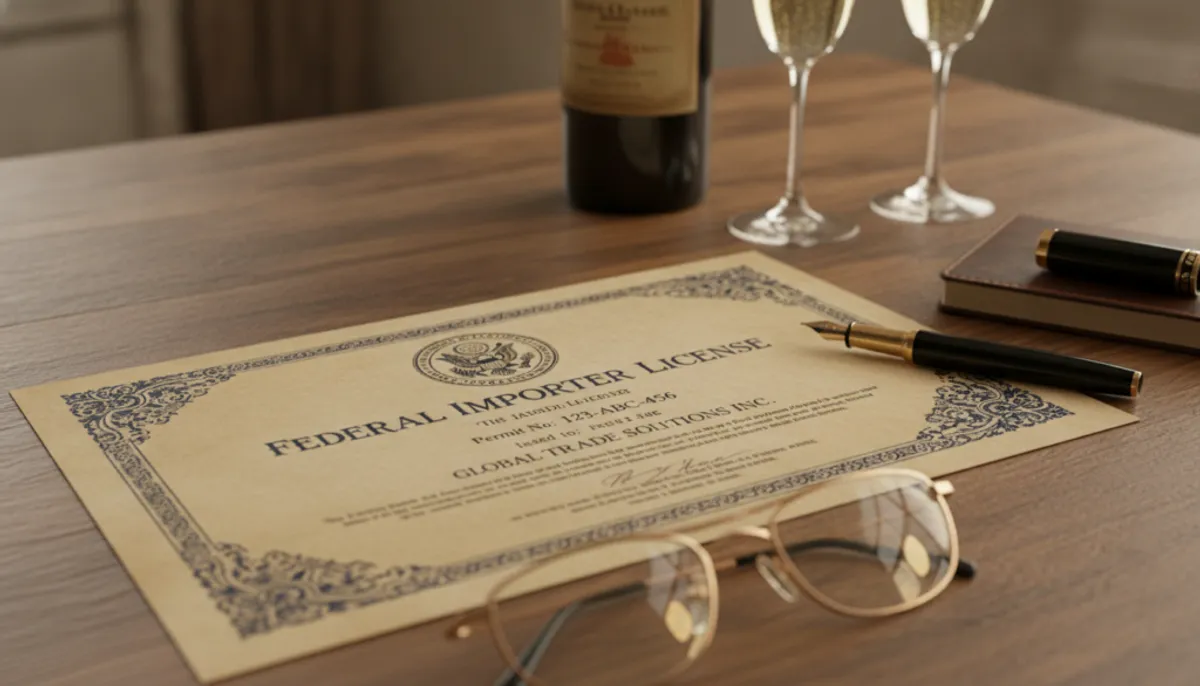
Securing a federal permit is the first practical step for any business bringing wine or alcohol to market. The Alcohol and Tobacco Tax and Trade Bureau (TTB) issues the Federal Basic Importer’s Permit. File form TTB F 5100.24 to begin.
Expect about six weeks for permit processing when you apply online. If you need help, call the National Revenue Center at 877-882-3277. Keep detailed product information ready to speed review.
Federal Basic Importer Permit
Maintain a U.S. business office or partner with a licensed domestic importer to meet the permit requirement. Also register as an alcohol dealer before moving any products.
State and Local Jurisdictional Compliance
State and local rules add licensing, distribution, and tax steps. Check individual state requirements early to avoid costly delays.
- File TTB F 5100.24 for the federal permit.
- Use NRC support at 877-882-3277 for application issues.
- Confirm state dealer licenses before shipment.
| Requirement | Who Issues | Typical Timing |
|---|---|---|
| Federal Basic Importer Permit | TTB | About 6 weeks |
| Business Office or Licensed Partner | Importer / State | Immediate (must be arranged before filing) |
| State Dealer License | State Alcohol Authority | Varies by state (days to months) |
Navigating Labeling Requirements and Product Certification
Clear, accurate labels speed approval and help your products reach shelves without needless delay.
Every unique wine or alcohol product requires formal label approval before arrival. File the Certificate of Label Approval (COLA) using TTB form TTB F 5100.31. This certificate label approval is mandatory for each distinct product presentation.
Certificate of Label Approval and Origin
The label must state the country of origin, the age of the alcohol, and the alcohol percentage. Certain wines also need a certificate of age or origin to confirm cellar treatment.
Obtain the certificate label approval before your shipment reaches the border. Customs and Border Protection can reject products without a COLA.
- The tax trade bureau provides an online submission process to speed review.
- Accurate label data helps the importer calculate duties and meet FDA rules.
- Keep product samples and documentation ready for possible inspection.
| Requirement | What to Submit | Why It Matters |
|---|---|---|
| COLA (TTB F 5100.31) | Label art, product details, alcohol % | Legal approval to sell and clear customs |
| Certificate of Origin / Age | Producer attestation, lab records | Verifies production method and age claims |
| Label Information | Country of origin, age, ABV | Required by customs and state regulators |
Managing Customs Procedures and Tax Obligations
A smooth port release depends on accurate taxes, correct paperwork, and timely agency notice.
Importers must be at least 21 years old. A customs bond is required when the shipment value exceeds $2,500. Plan for bank or broker arrangements early to avoid hold-ups.
Federal Excise Taxes and Duties
Customs and Border Protection collects federal excise based on the wine or spirits type. The TTB sets excise rules and the trade bureau records payments.
- Calculate excise taxes and duty rates before shipment.
- Pay federal excise taxes so goods can be released at the port.
- Keep certificates and invoices to support tax claims.
FDA Prior Notice Requirements
The Food and Drug Administration requires prior notice for every alcohol shipment. Submit details early so FDA can review the product and avoid inspection delays.
Documentation for Port Entry
Port entry paperwork must include a detailed invoice with weight, price, and a clear description of the beverage product. Provide a certificate of origin and any COLA for label clearance.
- Bill of lading, commercial invoice, and packing list
- Customs bond (if value > $2,500) and importer ID
- Proof of tax payment and agency filings
Conclusion: Streamlining Your Global Champagne Export Strategy
Careful planning around permits, taxes, and prior notice keeps products moving on schedule. Prepare accurate labels, confirm federal requirements, and submit COLA and prior notice early to shorten port hold times. Additionally, consider implementing wine trade tips to enhance your strategy and ensure compliance throughout the process.
Focus on essentials: verify that your wine and other beverage product meet age and registration rules with the TTB and that your certificate of origin and duty rates are clear.
Follow the process for excise and customs, coordinate with the importer and the Food Drug Administration, and keep records current. This approach helps your business avoid delays and costly taxes while getting products to market faster.