Start here: always check for the word Champagne on the label to confirm the strict AOC rules of the Champagne region France.
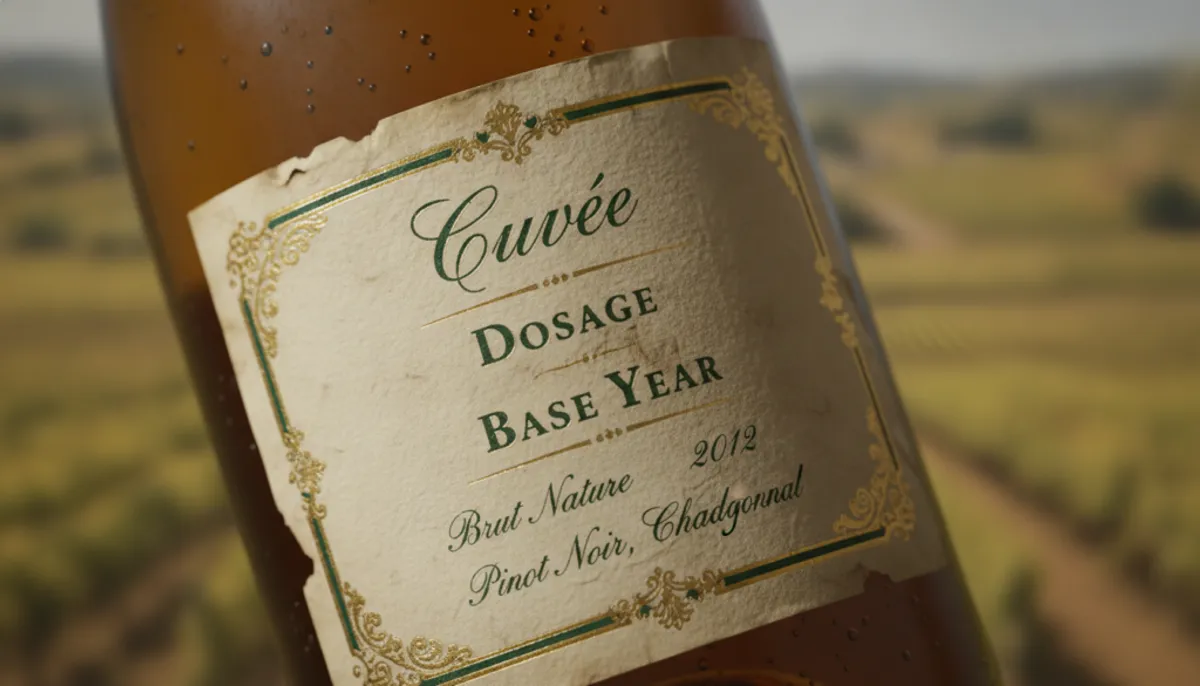
The back panel on a bottle is a compact guide to how the wine was made. It often lists the producer name, alcohol level, and the style of the sparkling wine.
Key entries include the cuvée or blend, the dosage that sets sweetness, and the base year or vintage. You may also spot a disgorgement date that tells when the bottle was finished.
Grape notes such as Pinot Noir or blanc noirs, and mentions of grand cru vineyards, hint at quality and the house style. Collectors read these cues to judge aging potential, origin, and production choices.
Reading this small block of information makes choosing a favorite easier—whether you prefer Extra Brut, Brut Nature, or a richer style.
Key Takeaways
- Verify “Champagne” to ensure authentic origin under AOC rules.
- Producer name and alcohol are must-see facts on the back panel.
- Dosage and disgorgement shape sweetness and readiness.
- Grape mix and grand cru mention signal quality and style.
- Vintage and year help collectors assess aging potential.
Understanding the Champagne Back Label Explained
A bottle’s rear text reveals the producer’s choices and the wine’s intended style.
Why it matters: The back label gives clear information about origin, dosage, and vintage. Most bottles come from Négociant-Manipulants (NM) who blend grapes from many growers to shape a consistent house style. Additionally, understanding champagne customs duties can help you navigate the costs associated with importing these wines.
Reading the panel helps you spot the producer name and the cuvée style. It also tells you the dose, which controls sweetness and balance in the glass.
Knowing whether a bottle is a grower or a house wine reveals philosophy and potential quality. Grower producers often focus on single-vineyard character; houses aim for a signature across years.
| Feature | What to look for | Why it matters |
|---|---|---|
| Producer name | NM, RM or grower name | Shows who made the wine and their sourcing |
| Dosage | Extra Brut, Brut, Sec | Determines sweetness and food pairing |
| Vintage / Year | Single year or non-vintage | Important for collectors and aging potential |
| Region designation | Champagne region France | Protected origin ensures strict production rules |
- Use the panel to compare bottles quickly.
- Check producer and vintage if you collect wine.
- Follow dosage notes to match style with food.
Decoding Mandatory Information and Quality Indicators
Small printed details tell the story of production steps and the wine’s intended sweetness.
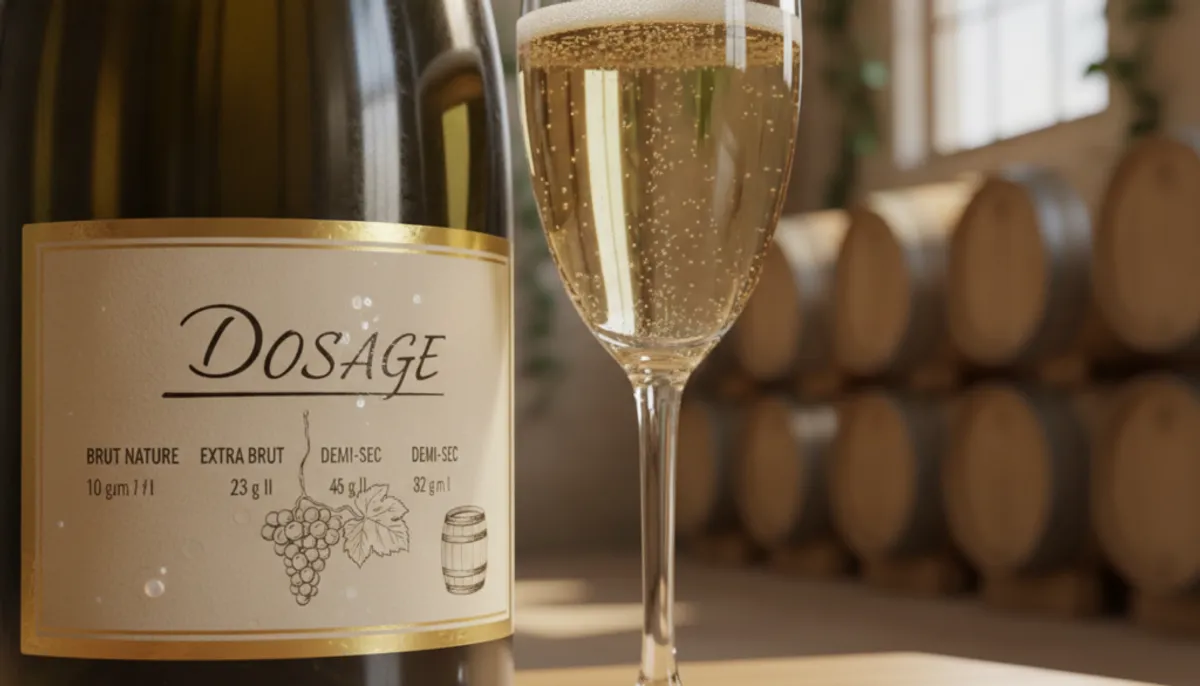
Dosage levels such as Extra Brut, Brut, or Demi-Sec are mandatory on the label. This tells you how much sugar was added at the final stage of production.
Dosage is a critical step where producers add a sugar solution. That addition sets the sweetness from Brut Nature to Demi-Sec and shapes food pairings.
Dosage Levels and Sweetness
Knowing the dosage helps you pick a bottle to match your palate. Extra Brut will taste very dry. Demi-Sec will feel noticeably sweeter.
The Importance of the Base Year
The base year or vintage gives context about the harvest and aging, as well as the applicable thai import laws. For non-vintage wines, the year helps explain the blend and maturity of the wines in the bottle.
- Quality cues: A Grand Cru mention often signals careful selection of grapes and higher quality.
- Producer transparency: The brand and producer name must appear on the bottle to ensure traceability.
- Disgorgement date: This date shows when the bottle was finished and can indicate readiness to drink.
| Item | Where to find it | Why it matters |
|---|---|---|
| Dosage | Mandatory on label | Defines sweetness and pairing potential |
| Base year / Vintage | Printed year on bottle | Shows harvest conditions and aging context |
| Grand Cru mention | Quality indicator on label | Suggests top vineyard sites and care in production |
| Disgorgement date | Small date on back | Helps judge freshness and development |
Exploring Grape Composition and Style
The composition of grapes tells you whether a wine will be crisp, rich, or rosy.
Blanc de Blancs Characteristics
Blanc de Blancs is made only from white-skinned grapes, mostly Chardonnay. Sarah Durand notes this yields an elegant wine with citrus and pastry notes.
These bottles often show the vintage and vineyard sites like the Côte des Blancs or Aÿ on the label.
The Robust Nature of Blanc de Noirs
Blanc de Noirs uses black grapes such as Pinot Noir. That grape brings body, spice, and a richer mouthfeel.
Lallier sources Pinot Noir from Aÿ and Verzenay, which lends power and depth to the wines.
Understanding Rosé Assemblage
Rosé d’assemblage blends white wine with a small share of red wine. At Lallier, they add 7% Bouzy Grand Cru red to create a bold finish.
Check the label for grape mix, dosage and the base year to match style and sweetness with food.
| Style | Primary grape | Key trait |
|---|---|---|
| Blanc de Blancs | Chardonnay | Fresh, citrus, elegant |
| Blanc de Noirs | Pinot Noir | Robust, spicy, textured |
| Rosé d’assemblage | Blend + red Grand Cru | Fruity, powerful finish |
Tip: Use the bottle information to pick a style that suits the meal or occasion. Vineyards and producer choices shape quality and reserve wine aging potential.
Identifying the Producer and Market Actors
Knowing who made the wine gives instant clues about style and sourcing.
Négociant-Manipulants (NM) are the big names. They buy grapes from many growers to craft a consistent house product. NM account for about 70% of volume in the region.
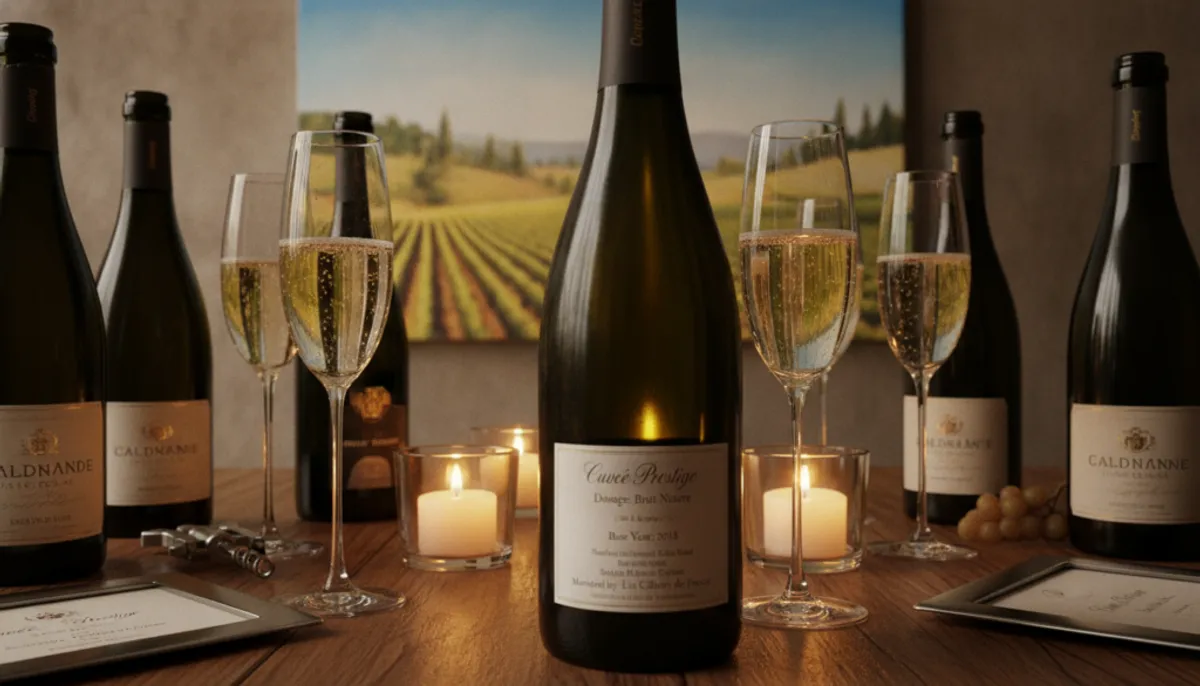
Récoltant-Manipulant (RM) grower bottles come from a single estate. These producers farm their own vineyards and make wine from their own grape output. RMs represent roughly 6% of production.
Coopératives de Manipulation (CM) let small growers pool fruit and resources. CM make up about 11% of volume and help keep small vineyards viable.
- Marque d’Acheteur (MA) are brands that buy ready wine and re-sell it under their name (about 8%).
- Many producers use Grand Cru grapes to raise quality.
- Labels often indicate the type of producer, which helps collectors and casual buyers alike.
| Actor | Role | Share |
|---|---|---|
| Négociant-Manipulant (NM) | Large houses blending many growers | ~70% |
| Coopérative (CM) | Growers pooled under a shared brand | ~11% |
| Récoltant-Manipulant (RM) | Estate-grown, single-vineyard wines | ~6% |
Charles Lea notes that the region once made mostly still wine until the late 17th century. Today, distinguishing these producers helps you decide if a bottle favors consistency or terroir-driven character.
Exporting Your Favorite Selections
If you want your favorite sparkling wines delivered overseas, careful export planning makes all the difference.
Looking for champagne? We’ve got you covered with curated selections ready for export. Our team sources bottles from trusted producer houses and grower estates to match your taste and budget.
Request a personalized quote by visiting https://champagne-export.com to secure bottles for international delivery. We handle customs paperwork, temperature control, and specialist packing so that each bottle arrives safely.
Whether you seek a specific year, a rare producer, or a favored label, our export service simplifies the purchase. Every bottle of wine is inspected and packed to preserve quality through transit.
- Extensive inventory of top wines and hard-to-find selections.
- Careful handling to protect grapes-driven character and fizz.
- Door-to-door delivery options and customs support for U.S. customers.
| Service | What we provide | Why it matters |
|---|---|---|
| Personalized quotes | Online request via the site | Fast access to rare bottles and vintages |
| Packing & handling | Climate control and specialist crates | Preserves quality of wine during transit |
| Customs & shipping | Documentation and tracking | Speeds delivery and reduces delays |
| Curated selection | Top producers and estate bottles | Access to unique labels not widely available |
Conclusion
,Knowing how to read a bottle’s small print makes shopping for the right wine far simpler. A short scan of the back label will point out vintage, dosage, producer type, and the grape mix that shapes style and quality.
Use those cues to choose between a grower bottling or a large house release. Spot terms like blanc noirs or the base year to match bottles to your menu or cellar goals.
Key takeaway: the small information block on each bottle gives you real insight into sweetness, aging, and provenance. Understanding champagne pouring techniques can enhance your experience, ensuring that you pick champagnes and sparkling wines that suit any celebration.