
Looking for Champagne? We’ve got you covered. This brief guide helps retailers and hospitality pros prepare inventory and logistics for the busy fourth quarter.
Efficient planning means knowing which bottles to stock, when to ship, and how to handle customs and storage. Our team connects you with premium labels and manages export steps with professional care.
Secure supply by requesting a personalized quote at https://champagne-export.com. Whether you serve private events or fill retail shelves, our platform simplifies sourcing and shipping to the United States and beyond.
Key Takeaways
- Plan early to align inventory with peak holiday needs.
- Choose trusted suppliers for consistent quality.
- Use expert logistics to avoid delays at borders.
- Request a custom quote at the export site to lock supply.
- Tailor orders for your customers to boost sales and satisfaction.
Understanding Seasonal Champagne Demand
Retailers and restaurants see the busiest stretch for sparkling wine as the holidays approach.
Holiday Festive Peaks
The year-end period drives a large share of purchases: about 38% of champagne buys in the United States happen during holiday and festive weeks. This spike affects production and export schedules across the industry, including champagne duties in norway.
European consumers shape global trends as well. Roughly 51% of global champagne consumption comes from Europe, so houses and growers align harvest and bottling to meet both regional and international markets.
Luxury Gifting Trends
Luxury gifting boosts sales for premium sparkling wines and elevates brand value. Consumers choose quality and origin when buying bottles for presents.
- Producers shift production to secure enough bottles for peak weeks.
- Brands emphasize place of origin and quality to justify higher prices.
- Houses and growers coordinate harvests to protect product consistency.
The Q4 Market Landscape
Q4 reshapes the global market as buyers tilt toward premium bottles for year-end occasions. Total champagne shipments hit 301.9 million bottles in 2018, a benchmark many producers still reference.
The Comité Interprofessionnel du vin de Champagne (CIVC) reported a drop in volume from 2018 to 2019, underlining how volatile this period can be for sales and export planning. Understanding champagne importation regulations is crucial for navigating these challenges effectively.
Producers and houses must balance production of vintage and non-vintage bottles to meet different markets. Luxury brands often surge at year-end as consumers seek high-quality wine for gifting and events.
- Growers influence product quality through grape selection and harvest timing.
- Retail channels compete with alternative sparkling wines on price and access.
- Strategic planning preserves value as the industry undergoes change.
| Metric | 2018 | 2019 | Implication for Q4 |
|---|---|---|---|
| Total shipments (bottles) | 301.9M | — | Baseline for stock planning |
| Volume trend | Stable | Decline (CIVC) | Close monitoring needed |
| Consumer focus | Luxury | Luxury | Higher value products sell well |
Supply Chain Dynamics and Production Lags
Long production cycles mean growers and brands negotiate today for bottles sold several years hence. The supply chain for sparkling wines requires forecasting that often spans multiple years.
Negotiating Harvest Volumes
Champagne houses usually sign four-year contracts with vine growers to lock grape supply. These agreements give producers a stable base for production planning.
Annual talks adjust harvest volumes so houses can match future sales and market shifts. Growers and producers meet each year to set the optimal yield.
- Producers must predict bottles needed about three years ahead, creating a long lag.
- Luxury brands depend on consistent grapes to protect product value and quality.
- Retail and export channels rely on steady shipments, so coordination is vital.
| Item | Typical Term | Impact |
|---|---|---|
| Grower contract | 4 years | Stable grape supply for future production |
| Forecast lag | ~3 years | Requires early planning for Q4 availability |
| Regulation | Ongoing | Limits overproduction to preserve value |
Impact of Climate Change on Vineyard Yields
Rising heat and erratic weather are reshaping yields across the Champagne region. These shifts affect grape quality, harvest timing, and long-term production for houses and growers.
Rising Temperatures and Frost Risks
Record heat — 42.9°C in June 2019 — shows how climate extremes can scorch vines.
Growers reported a 10–11% loss of potential harvest that year from sunburned grapes. Warmer winters also increase frost risk when buds break earlier.
Vineyard Health and Disease
Higher temperatures and shifting weather patterns favor pests and fungal diseases.
That pressure forces producers and houses to monitor plots constantly to protect quality and the value of bottles sold to retail and luxury markets.
Adaptive Cultivation Strategies
Sustainable water use, canopy management, and site selection help reduce risk.
Producers test drought-tolerant rootstocks and change harvest windows to preserve grapes and maintain production for future years.
- Improve irrigation and water conservation.
- Shift pruning and canopy techniques to limit sunburn.
- Invest in monitoring and pest control for healthier vineyards.
Consumer Preferences and Premiumization Trends
A growing share of buyers choose premium labels and rare cuvées for special occasions, making champagne gift packaging an essential consideration. This trend lifts the value of high-end bottles and shifts how houses plan production.
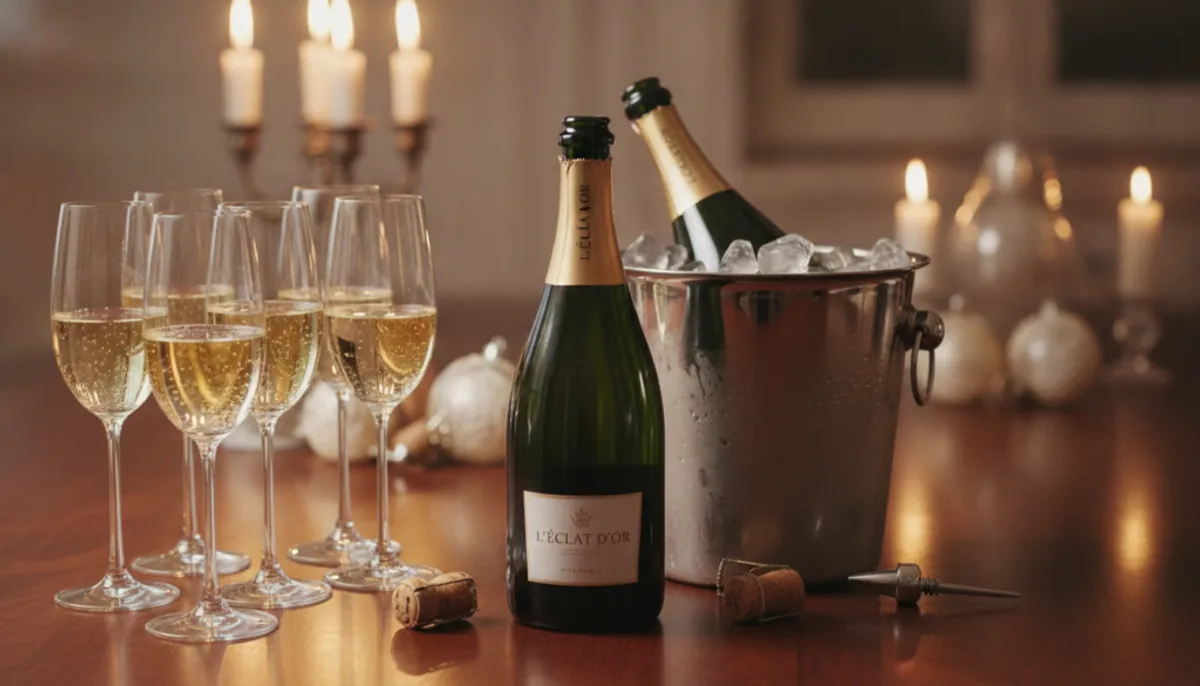
Premiumization is clear: about 33% of luxury beverage consumers prefer exclusive, limited-edition products. That preference drives higher per-bottle income for brands and producers.
At the same time, non-Champagne sparkling wines make up roughly 65% of sparkling wines consumed in France. Retailers and restaurants must balance offering prestige champagne selections with broader sparkling wine choices to match local tastes.
- High-income consumers often buy prestige cuvées for events and gifts.
- Restaurants add vintage and limited releases to menus to attract guests.
- Growers and producers collaborate to highlight grape quality and origin.
| Factor | Effect on Market | Action for Retailers |
|---|---|---|
| Limited-edition preference (33%) | Higher unit value and brand prestige | Reserve allocation for loyal customers |
| Non-champagne share (65% in France) | Broader category competition | Mix accessible sparkling wine with premium labels |
| Consumer focus on authenticity | Stronger interest in producer stories | Highlight growers, grapes, and production notes |
Producers and houses that adapt production to this shift can capture more value. A champagne tier explanation can help clarify the differences in quality and pricing among various sparkling wines. Retail strategies that blend prestige bottles with quality sparkling wines will serve changing consumers and strengthen year-round sales.
The Role of Place of Origin in Purchasing Decisions
Provenance shapes purchasing choices: many buyers use origin as a quick cue for quality.
One third of consumers say place of origin matters when they choose a wine. That single fact drives how producers and brands position bottles in retail channels.
Territorial branding lets houses and growers attach heritage to their labels. That heritage often justifies a higher price and boosts sales in luxury markets.
- The region signals quality, helping retail staff guide shoppers toward higher-value bottles.
- Producers emphasize terroir and grape selection to protect product value against other sparkling wines.
- Industry rules guard the name, so only true region-made products can claim that prestige.
As competition grows, the origin cue becomes more critical for export and year-round market positioning. Retailers that highlight genuine provenance attract buyers who seek trusted, high-quality product for special occasions. Understanding estonia import regulations is essential for navigating these dynamics effectively.
Competitive Pressures from Alternative Sparkling Wines
Prosecco and other approachable sparkling wine have changed the retail picture. Prosecco holds about an eight percent global share, and non-Champagne sparklers make up roughly 65% of sparkling wines consumed in France.
This shift hits champagne houses and producers where value is built on origin and method. Retail teams see more shoppers choosing affordable bottles for casual events.
To stay relevant, brands must highlight unique production methods, grape selection, and region heritage. That storytelling helps justify higher price points in a crowded market.
- Producers focus on quality controls and limited releases to protect value.
- Growers and houses coordinate more tightly to keep product standards high.
- Sales and export strategies now target luxury segments less sensitive to price shifts.
Communicating clear differences to consumers and retail buyers, including the importance of a well-curated champagne shelf selection, is essential for long-term success against alternative sparkling wines.
Regional Consumption Patterns in North America
Retail and hospitality channels in North America play an outsized role in shaping export strategies for high-end bottles and product allocation.
North America accounts for nearly 21% of global champagne demand, and the United States alone consumes more than 0.03 billion bottles each year.
Consumers in the U.S. often buy sparkling wine for gifting and special events, which supports sales of luxury brands during peak weeks.
Producers and growers are increasing investment in the region to protect product quality and to meet high expectations from American buyers. That focus shapes production, allocation, and marketing strategies.
- Retailers and restaurants should prioritize limited allocations of prestige bottles to boost value.
- Brands can emphasize origin and grape notes to win discerning consumers.
- Producers benefit from tighter export planning to ensure steady shipments of vintage and non-vintage bottles.
European Market Dominance and Tourism Influence
Tourists flocking to historic towns often boost local sales of prestige sparkling wines. Visitors stop at restaurants and retail shops, which raises regional sales and highlights brands on display.
Europe accounts for about 51% of global champagne consumption, and France supplies more than 45% of that European total. That concentration lets producers and growers plan production with reliable local buyers in mind.
The industry benefits from a deep-rooted wine culture where consumers value heritage and quality. Producers use that advantage to keep luxury labels visible in retail and hospitality channels.
- Tourism drives direct sales in restaurants and retail outlets.
- Growers supply high-quality grapes to meet steady orders from houses and brands.
- The region’s reputation supports sales of prestige bottles to international visitors.
As the market evolves, European producers balance preserving tradition with adapting production and marketing to changing consumer tastes. That balance helps maintain the region’s lead in total champagne shipments and luxury sales.
Growth Opportunities in the Asia-Pacific Region
Asia-Pacific is fast becoming a strategic growth corridor for premium sparkling wines.
The region now accounts for about 18% of global champagne demand, and investment is rising to match consumer interest.
Japan, China, and Australia make up roughly 69% of that regional demand. Higher disposable income among affluent consumers is a key driver.
Producers and brands are expanding distribution and using digital retail to reach buyers who shop online for high-end wine.
- Luxury tourism and corporate events keep sales strong for prestige bottles and year-round allocations.
- Growers and houses are adapting production to local tastes and packaging preferences.
- Building brand awareness remains central to converting new consumers into repeat buyers.
For U.S. retailers and exporters, the region offers clear opportunities to grow sales and place premium bottles in influential markets.
Navigating Economic Challenges in the Champagne Industry
Producers and brands tightened planning as weather extremes, buyer habits, and online retail reshaped how bottles move from vineyard to shelf.
In 2020 the industry faced three major tests: global warming, shifting consumer tastes, and changing retail channels. Each issue affects production and sales in the United States and beyond.
Market analysis links recent declines to a weak consumer outlook and fierce export competition. That combination reduced short-term sales and added uncertainty for growers and houses.
- Producers and growers now coordinate planting, yields, and output timing to protect quality.
- Brands invest in storytelling and limited allocations to keep per-bottle value strong.
- Retail teams adopt new channels to meet consumers where they shop and discover sparkling wines.
Overall, adaptation and sustainable practices remain central. The industry’s ability to innovate will define its resilience and long-term stability amid these ongoing concerns.
Sustainability Initiatives and Modern Viticulture
Modern viticulture now balances grape quality with resource conservation across the region. Producers and growers are shifting practices to protect yields and reduce environmental impact while keeping production high.
About 31% of newly launched products now pair eco-friendly packaging with vineyard stewardship. More than 16% of producers use lightweight glass to cut emissions and lower transport costs.
Consumers favor brands that show real sustainability progress. That trend influences retail choices and overall sales in the global market.
- Integrating modern techniques improves grape health and lowers water use.
- Packaging innovation helps brands reduce carbon intensity per bottle.
- Growers and houses collaborate on research to protect the region for future generations.
| Initiative | Adoption | Market Effect |
|---|---|---|
| Eco packaging & vineyard practices | 31% | Boosts brand appeal to eco-aware consumers |
| Lightweight glass | 16%+ | Reduces transport emissions and costs |
| Modern viticulture techniques | Growing | Improves grape quality and sustainable production |
The Evolution of Retail and Digital Distribution
Direct-to-consumer platforms let producers present story-driven content alongside their labels.
Nearly 24% of premium consumers now use online platforms to buy luxury wine and bottles. That shift forces retailers and houses to rethink how they present products and manage inventory.
The rise of e-commerce boosts champagne sales through targeted listings and richer product pages. Online shoppers value quick shipping, clear production notes, and verified origin details.
- Digital channels let producers reach new consumers directly across the US and global market.
- Brands use multimedia content to explain grape selection, vintage, and production techniques.
- Retail teams must balance online stock with in-store allocations to protect prestige and availability.
- Improved UX and secure checkout increase repeat purchases and long-term demand.
The industry that adapts its marketing and distribution strategy will keep a strong presence in the growing digital marketplace and sustain champagne sales for discerning buyers.
Strategic Investment in Premium Champagne Brands
Concentrated market power among the top producers reshapes where investors place their bets. The five largest houses control nearly 63% of global shipments, making strategic stakes in these brands a clear route to stable returns.
Major players prioritize brand heritage, product exclusivity, and premium positioning. That approach helps retain loyal consumers and supports higher per‑bottle margins in key markets like the United States.
Investors and producers back marketing, targeted distribution, and limited releases to keep prestige high. Iconic names such as Veuve Clicquot often lead these moves, blending story-driven campaigns with selective allocation to protect value.
- Focused capital preserves quality and rarity for luxury portfolios.
- Growers and houses coordinate closely to meet strict production standards.
- New channels reach affluent buyers who seek a unique wine experience.
As the industry evolves, smart investment will be essential for maintaining long-term brand prestige across the region and worldwide market.
Future Outlook for Champagne Producers
Producers are positioning for steady growth as global forecasts point to a market worth USD 10.81 Billion by 2035 with a CAGR of 7.1%. This projection gives houses and growers confidence to invest now.
Long-term success depends on blending tradition with modern practices. Producers adopt adaptive cultivation to handle climate shifts and protect grape quality while ensuring optimal storage conditions.
Brands focus on sustainability, storytelling, and smarter logistics to keep wine sales strong in the United States and other top markets. Consumers expect authenticity and quality, and the industry is responding.

- Invest in eco-friendly viticulture to preserve the region and reduce costs.
- Use targeted marketing to maintain premium pricing and steady sales.
- Coordinate grower-house partnerships to boost production efficiency.
| Metric | Value | Strategic Implication |
|---|---|---|
| Market projection (2035) | USD 10.81B | Support for long-term capital investments |
| CAGR | 7.1% | Steady growth allows phased expansion |
| Producer focus | Sustainability & innovation | Preserves terroir and consumer trust |
Conclusion
The industry’s resilience shows when producers and champagne houses pair heritage with clear planning. This mix keeps the global market steady and helps protect long-term sales.
Careful adaptation to climate and costs preserves the unique quality of our region. Producers who invest in terroir and smart logistics secure supply and protect brand value.
Buyers and consumers still favor fine wine, and that continuing demand shapes how houses plan production and distribution. Good planning turns preference into reliable sales.
Explore our finest selections and request a personalized quote to secure your supply. Visit https://champagne-export.com to get started and lock in premium bottles for upcoming needs.