Understanding how a small final addition shapes a bottle can change how you taste every glass. This short guide shows why the final step matters and how it affects balance and flavor in sparkling wine.
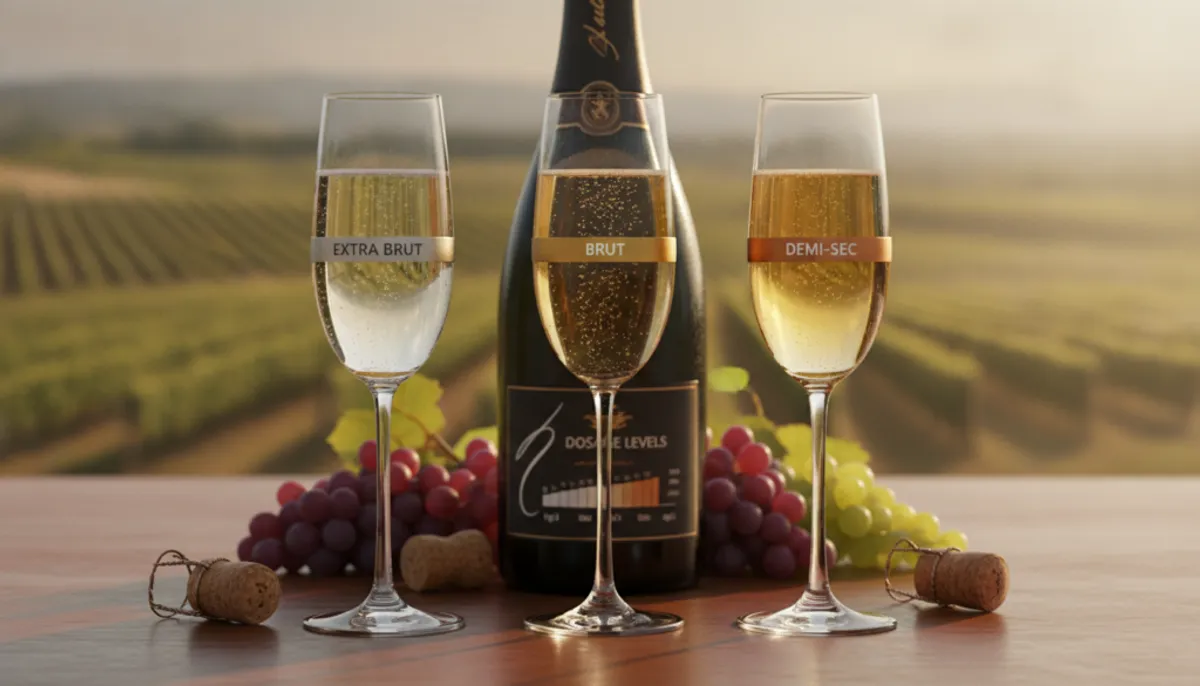
The sparkling wine process uses a measured liqueur or sugar mix to finish the bottle. That tiny addition defines whether a wine feels crisp, round, or sweet on the palate.
Whether you are new to collecting or choosing a gift, learning the terms helps you pick a wine that matches your taste. Our team curates selections with careful attention to sugar levels and storage, so every bottle arrives ready to enjoy.
Explore the labels and let the final touch guide your choice. A little knowledge makes tasting more rewarding and helps you find the right balance for any occasion.
Key Takeaways
- Final sugar additions shape body and balance in a bottle.
- Terms like Brut or Demi-Sec signal different sweetness levels.
- Understanding liqueur and sugar helps you choose the right wine.
- Careful selection and storage preserve intended flavor.
- Even small changes in dosage alter the tasting experience.
Understanding Champagne Dosage Explained
Winemakers use a careful final addition to tune a bottle’s acidity and mouthfeel. The term refers to the precise addition of sugar or liqueur just before the final cork is inserted.
Its main goal is balance, not simply sweetness. Small amounts of sugar soften sharp acidity and bring harmony to the wine. This step lets the fruit and mineral notes shine without being overwhelmed.
Producers sort bottles into clear levels, from the bone-dry brut nature to styles like extra brut and sweeter categories. Knowing these levels helps buyers predict how a bottle will taste and pair with food. Additionally, understanding champagne importation regulations is crucial for ensuring that the wines meet quality standards and legal requirements.
- A good final addition highlights grape character while protecting house style.
- Managing sugar carefully creates a consistent, enjoyable finish.
- Understanding this practice improves selection for cellars and celebrations.
The Evolution of Sweetness in Sparkling Wine
Over the last two centuries, sweetness levels in sparkling wine moved from heavy to restrained. Winemakers once used large amounts of sugar to tame harsh acidity and make bottles more approachable. Understanding bulgarian import regulations is essential for those looking to navigate the complexities of international wine trade.
Historical Necessity
In the 19th century it was common to add between 100 and 200 grams sugar per liter. That high range helped mask sharp acidity from under-ripe grapes in a cool climate.
The practice was practical, not stylistic. Houses aimed for consistency year after year, so higher sugar per liter became a safety valve against uneven ripening.
The Shift Toward Dryness
Change began in 1874 when the widow Pommery introduced the “Brut” style, cutting back on added sugar. Producers slowly lowered grams per liter to let fruit and terroir speak.
Today, better ripening—partly due to climate change—and shifting taste make drier wines more common. Reducing sugar lets acidity and grape character guide the final style.
- 19th century: 100–200 grams per liter to balance acidity.
- 1874: Brut launched to reduce sweetness.
- Today: lower grams per liter to showcase terroir and taste.
The Role of Liqueur d’Expédition
Winemakers rely on a concentrated finishing liqueur to fine-tune balance and house character. This final part can soften acid and lift aromas without masking the fruit.
Ingredients and Composition
The liqueur d’expédition is a highly concentrated mix of reserve wine and cane sugar. Houses often keep their exact recipe private, but the goal is clear: balance.
Some producers draw from long-running soleras. For example, Huré Frères has used a solera begun in 1982 to create a layered base for their liqueur. That age adds complexity to each bottle.
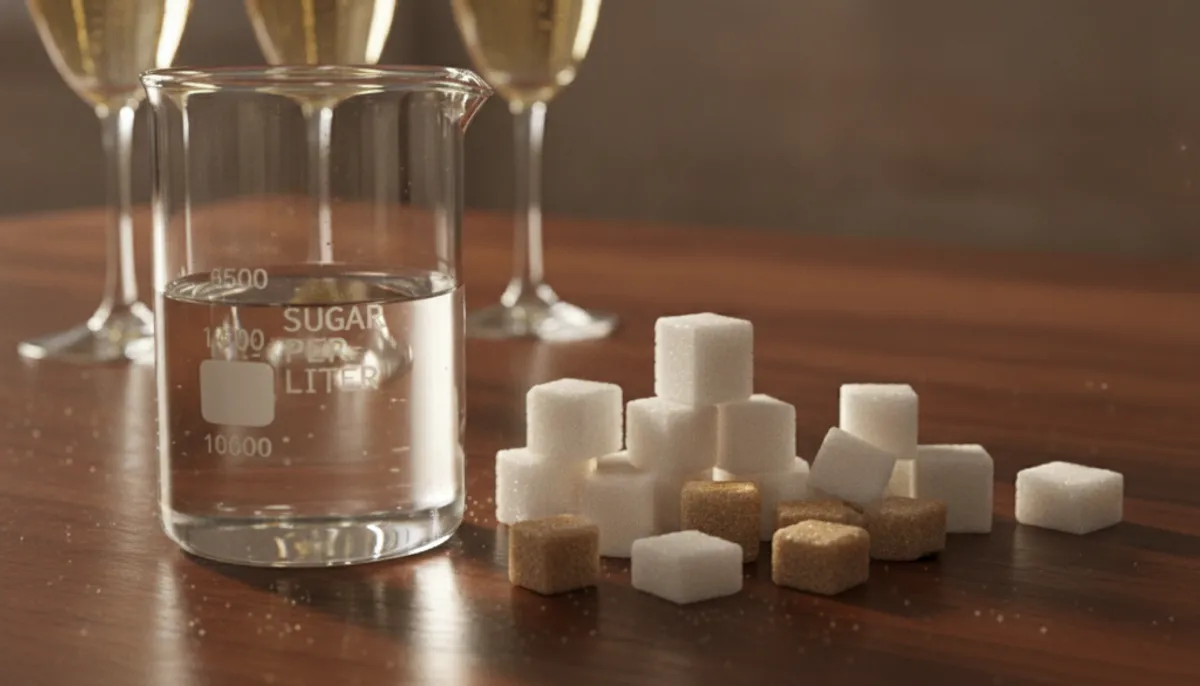
- The concentration can reach 500–750 grams per liter, allowing precise adjustments drop by drop.
- The amount sugar added is calculated so the carbon dioxide pressure stays stable while the wine sugar lifts flavor.
- High-quality cane sugar ensures the sugar added does not blunt delicate grape aromas.
Every bottle receives this measured finish before the final cork is set. Small amounts make a big difference to how the wines taste and pair.
Decoding the Official Dosage Scale
A standardized scale turns an abstract sweetness into measurable grams that guide choice. That numeric chart helps buyers pick a bottle that fits a meal, mood, or menu.
Common Misconceptions
Many people assume terms mean what they sound like. In fact, “extra dry” is often sweeter than a true brut.
- Extra brut sits at about 0–6 grams per liter, nearly bone-dry.
- Demi-sec ranges from roughly 32–50 grams per liter and tastes noticeably sweet.
- Labels use grams per liter so the consumer knows the amount sugar added to the wine.
The Impact on Palate
Small changes in sugar change how acidity feels. A few grams soften sharp edges and round the mouthfeel.
Producers run trials on the base wine to find the right balance for each year. The result guides the final liqueur choice.
Sugar Levels Defined
By defining sugar per liter, the industry gives clear levels to compare styles, including the bahrain alcohol import rules. This helps you pick brut nature or a softer style with confidence.
The Philosophy Behind Zero Dosage
Zero dosage champions believe the bottle should speak for the vineyard without any cosmetic fixes.
Brut nature is about silence from added sugar so the grape and soil show through. Since 1998, houses like Vouette & Sorbée, with Demeter certification, proved biodynamic care can make this possible.
Warm vintages tied to climate change help grapes reach ripeness that balances acidity naturally. That reduces the need for grams sugar per final blend.
Quality in brut nature depends on the base wine and long lees aging. When no cane sugar or sugar added masks flaws, vineyard work must be flawless.
- Transparency: Each bottle reveals terroir and vintage.
- Risk and reward: Flaws are visible; excellence shines brighter.
- Modern trend: More growers today embrace this style.
| Feature | Brut Nature | Extra Brut | Typical Dosage (grams per liter) |
|---|---|---|---|
| Sugar added | None | Very low | 0–6 |
| Focus | Vineyard expression | Crisp balance | Varies by house |
| Base wine needs | High quality, long lees aging | High quality | Measured in grams |
Crafting Balance in the Cellar
Cellar work is where science meets taste. Winemakers run focused trials to find the exact final addition that suits each vintage. These tasting sessions test small mixes so the wine’s natural acidity and bubbles stay in harmony.
The Importance of Vintage Variation
Year-to-year differences in ripeness force adjustments. A warmer harvest may need less sugar; a cooler year can require a touch more to round the palate. The team samples base wine blends repeatedly to judge the right grams per liter.
Long lees aging gives structure. Producers like Barrat-Masson age wines a minimum of 30 months on the lees. That time builds texture so some bottles can be true brut nature without adding much liqueur.
- Tasting trials align wine sugar with natural acidity and carbon dioxide.
- High-quality cane sugar in the liqueur integrates without obvious sweetness.
- Adjustments create styles from extra brut to softer levels while preserving vineyard character.
| Factor | Role | Typical Measure |
|---|---|---|
| Lees aging | Builds body and complexity | 30+ months (example: Barrat-Masson) |
| Final addition | Fine-tunes balance and sweetness | Grams per liter, adjusted by year |
| Carbon dioxide | Works with liqueur to preserve mousse | Measured to keep pressure stable |
Conclusion
A final tasting note ties together the vineyard’s story and the winemaker’s choice in every bottle.
Mastering the art of dosage shows the bond between vineyard work and cellar skill. It explains why a brut nature can feel so pure, and why an extra brut keeps a crisp edge.
Understanding grams and how much sugar per liter is added helps you read a label and choose the right style for a meal or celebration.
Looking for Champagne? We’ve got you covered. Discover our finest selections and request a personalized quote at https://champagne-export.com for worldwide shipping.