Looking for Champagne? We’ve got you covered with a friendly guide to help pick between small-producer bottles and big-name producers. This short intro explains why the label, vintage, and the family behind a bottle shape the taste and story.
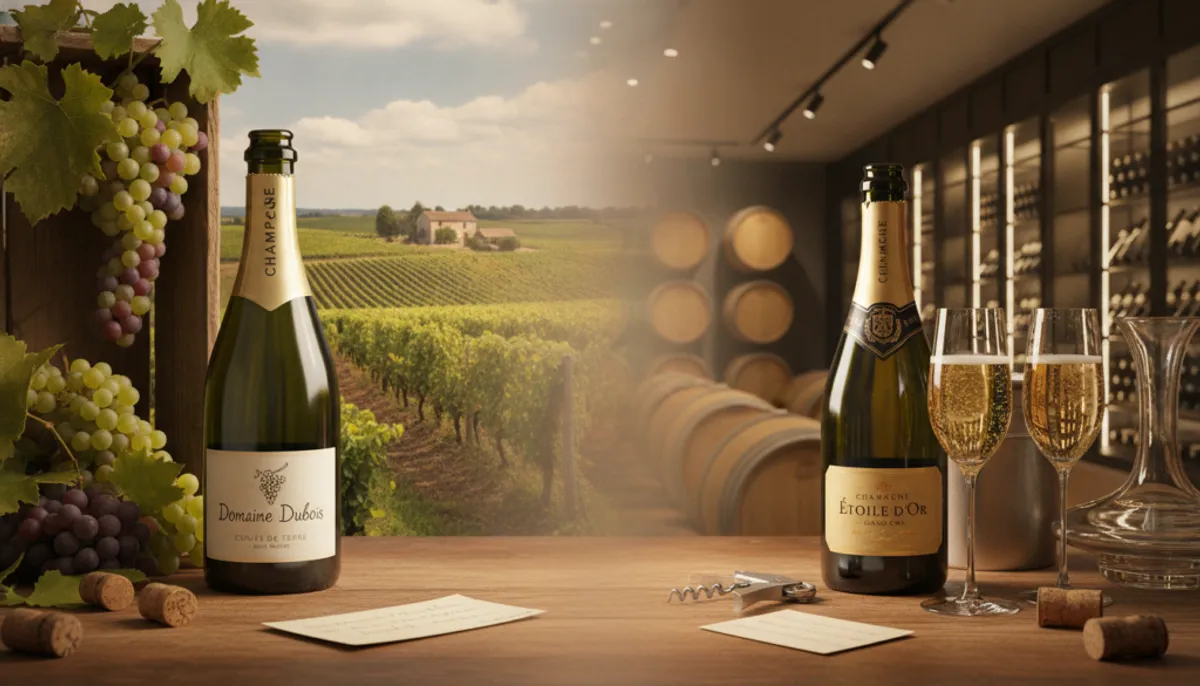
Only about 5% of the Champagne imported to the United States is from small estates, making these selections rare and prized by collectors. Expert Bryan Maletis of fatcork.com helped shape this guide to choosing estate-crafted sparkling wine. Families who grow their own grapes often aim to express a single place and year, so learning names and producers adds depth to every pour.
Ready to buy? Explore curated bottles and request a personalized quote at https://champagne-export.com to ship top choices anywhere in the world.
Key Takeaways
- Small-producer bottles are rare in U.S. imports and offer unique estate character.
- Knowing labels and vintage helps you match style to the occasion.
- Experts like Bryan Maletis highlight the value of wines made by families who farm their own grapes.
- Our curated selections can be exported worldwide; get a personalized quote online.
- Comparing producers reveals why some bottles focus on terroir while others emphasize brand consistency.
Understanding the Grower Champagne vs House Champagne Distinction
Deciding between estate-made bottles and major maisons starts with how the grapes reach the press, which is a key part of the sparkling wine process.
A grower champagne is made by a producer who farms a meaningful share of the vineyard sites used for the wine. Those producers focus on parcels of land and tailor farming to express place and vintage.
By contrast, a larger maison often sources grapes from across the champagne region. This model lets a producer blend for a consistent style across many bottles.
The difference in farming and production changes the final expression of the wine. Some champagnes highlight terroir and single-vineyard character. Others emphasize house style and year-to-year consistency.
- RM indicates a producer who bottles under their own family label and is prized by collectors.
- Neither approach is inherently better; each adds depth to the region’s history and range of wines.
The Production Philosophy of Large Champagne Houses
Major maisons build their reputations on predictable flavor profiles that customers can trust year after year. This model lets big brands supply consistent wines at scale while supporting a wide network of growers.
The Role of Consistency
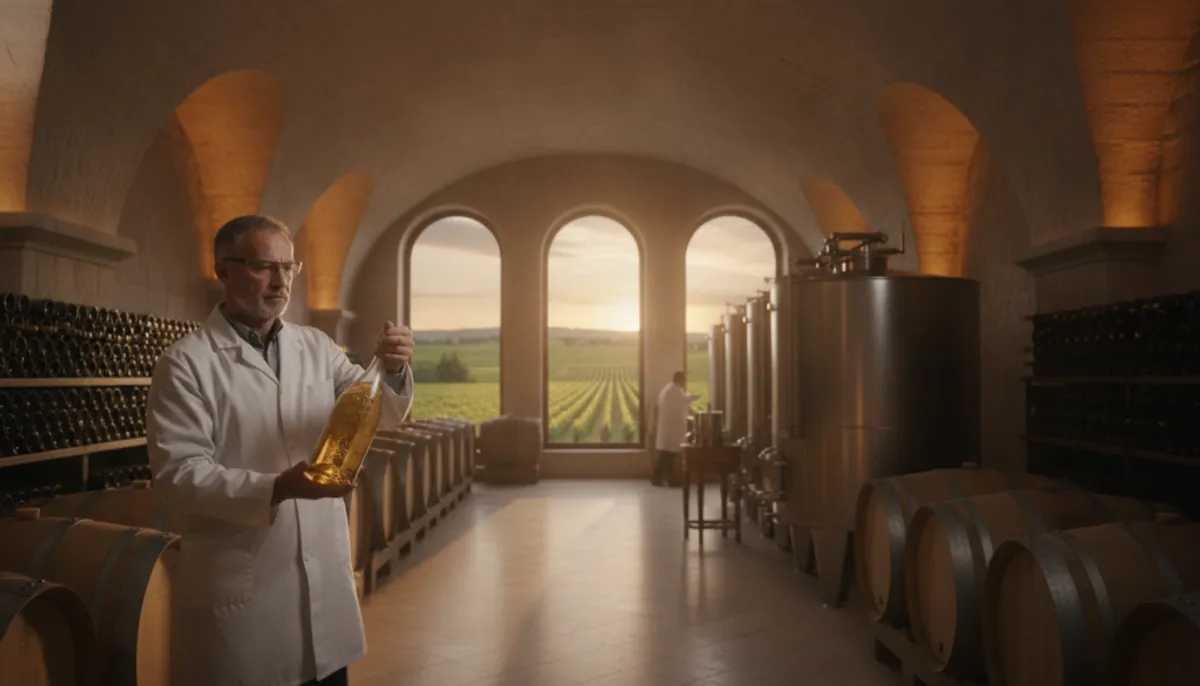
Chief winemakers blend across vintages and villages to keep a steady style. Reserve wines are key. They smooth variation from one year to the next and protect the brand’s identity.
The Power of Blending
Blending is a craft that balances fruit, acidity, and aging potential. Houses like Veuve Clicquot use library stocks and cellar tech to create polished, precise champagnes and prestige cuvées.
- Access to many vineyards keeps volume and quality reliable.
- Large facilities enable long-term aging and consistent levels across releases.
- Consistency here equals controlled complexity, not simplicity.
| Aspect | What It Means | Benefit | Example |
|---|---|---|---|
| Blending | Mixing vintages and villages | Year-to-year consistency | Reserve wines in the cellar |
| Scale | Large production facilities | Global supply and polishing tech | Advanced aging programs |
| Sourcing | Network of growers and vineyards | Stable grape supply | Prestige cuvée from a specific village |
The Artisanal Approach of Grower Producers
When a producer farms its own vines, the finished wine often becomes a direct note of place.
The Importance of Terroir
Families who tend vines year-round focus on soils, aspect, and vine age. They harvest fruit by hand and vinify parcels separately. This care lets the vineyard’s voice come through in each bottle.
Producers in villages like Aÿ, Cramant, or Le Mesnil-sur-Oger often lean into that identity. Their bottles show the soil, not just a signature brand style.
Many use low-intervention farming and minimal cellar manipulation. That approach highlights the natural expression of the vines and the year, including the growing popularity of organic wine. Vintage choices like 1996, 2002, 2004, and 2008 are widely praised across producers for this reason.- Estate-made wines reflect single parcels and seasons.
- Families harvest and vinify their own grapes for control over quality.
- Low intervention lets terroir and vintage character stand out.
| Feature | What to Expect | Why It Matters |
|---|---|---|
| Parcel vinification | Separate fermentations by plot | Clearer expression of land and year |
| Hand harvesting | Selective picking of ripe fruit | Higher quality and more precise flavors |
| Low-intervention farming | Limited additives; natural ferments | Terroir and vines’ character are evident |
| Authored bottles | Winemaker choices are on display | Buyers get transparency and a distinct voice |
How to Identify Producer Types on the Label
Look closely at the lower edge of the label; two letters can tell a detailed story about the bottle.
Decoding the Producer Codes
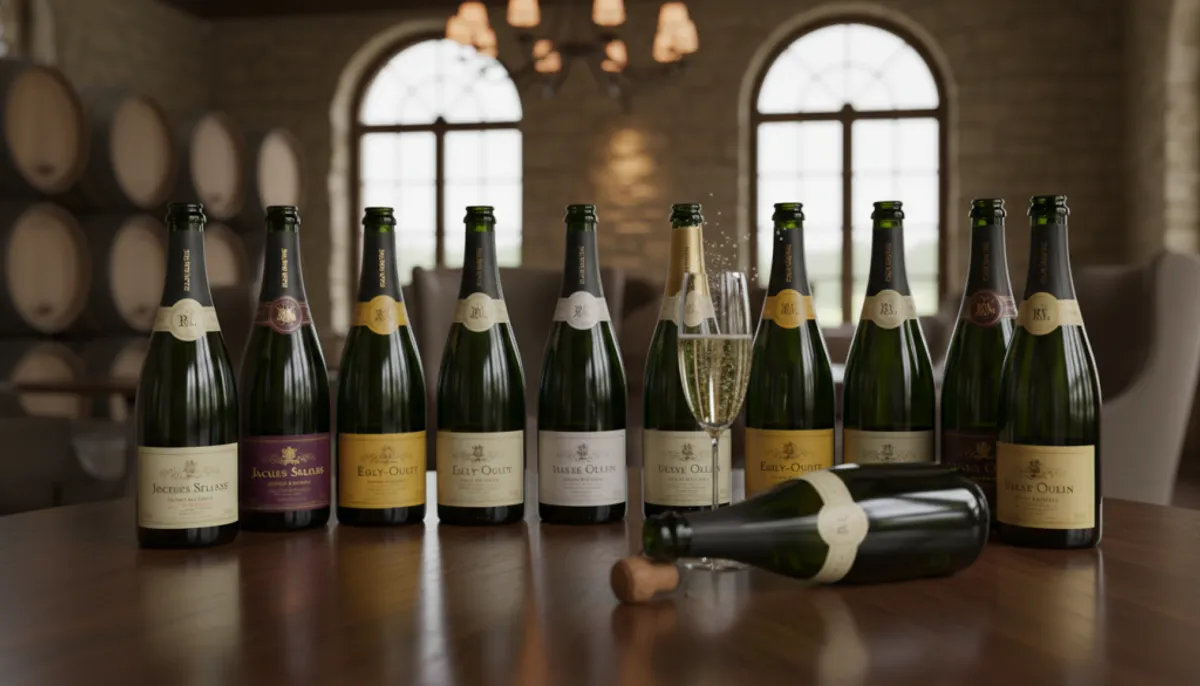
There are seven official producer codes printed in small type on every front label. These two-letter marks indicate how the wine was sourced and made.
- RM = Récoltant Manipulant: a grower-producer using at least 95% estate fruit.
- NM = Négociant Manipulant: a larger brand that may buy grapes (example: Veuve Clicquot).
- NV = Non Vintage: a blend of several years to keep a consistent style.
Understanding Vintage Labels
Vintage years show that grapes came from a single season. A year on the label hints at aging and the bottle’s voice.
Tips for Finding Small Producers
Search producer names online for mentions of estate-grown fruit or single-parcel farming. Independent wine shops and tasting rooms often stock lesser-known bottles and can point you to true grower champagnes.
| Code | Meaning | Why it matters |
|---|---|---|
| RM | Estate-made | High transparency; vineyard voice |
| NM | House buys fruit | Consistent brand style |
| NV | Blended years | Predictable flavor and balance |
Selecting the Right Bottle for Your Occasion
Consider how the menu, guests, and time of day will shape your bottle choice. A delicate aperitif needs a different approach than a full seafood dinner.
If guests have varied palates, a refined non-vintage brut from a reliable brand often works well. It offers balance, consistency, and wide appeal.
For special dinners, vintage bottles add depth. Vintage must age a minimum of three years, and more time brings creamy, nutty character.
When you want a focused food pairing, a terroir-led grower bottle brings detail and regional expression. For broad food matches, Brut Nature is bone dry and palate cleansing; it typically costs about $50–$60.
- Blanc de Noirs: fruity, a bit funky, best drunk relatively young.
- Grandes maisons: strong for gifts or cellaring due to aging and reserve stocks.
- Value choice: pick a grower for singularity or a house bottle for predictability.
| Occasion | Suggested Bottle | Why |
|---|---|---|
| Aperitif | Non-vintage brut | Balanced, crowd-friendly |
| Seafood dinner | Terroir-driven grower | Detail and minerality |
| Gift or cellar | Prestige from top houses | Proven aging and value retention |
Conclusion
Choosing between bottles often comes down to whether you want a signature style or a taste of place. Both approaches offer real rewards: a polished, reliable voice from a major producer and the expressive notes of estate-focused winemaking. For those looking to dive deeper into the subject, champagne types explained can provide valuable insights into the various styles available.
Use the label as a guide, not the whole story. Understanding the difference helps you pick the right bottle for the menu, the guests, and the moment.
Whether you value consistency, terroir, price, or quality, the region has options that suit every palate and pocket. Request your personalized quote today at https://champagne-export.com and explore selections from small growers and historic houses around the world.