Understanding these two classic styles helps any wine lover choose with confidence. The term “white from whites” refers to wines made only from white grapes, while “white from blacks” means a white wine crafted from darker skins. These simple labels hide a world of flavor and technique.
Whether you collect rare bottles or enjoy a casual flute, this short guide will clarify the key traits and tasting cues that set the two styles apart. We focus on clear, practical points so you can spot the difference at a tasting or on a label.
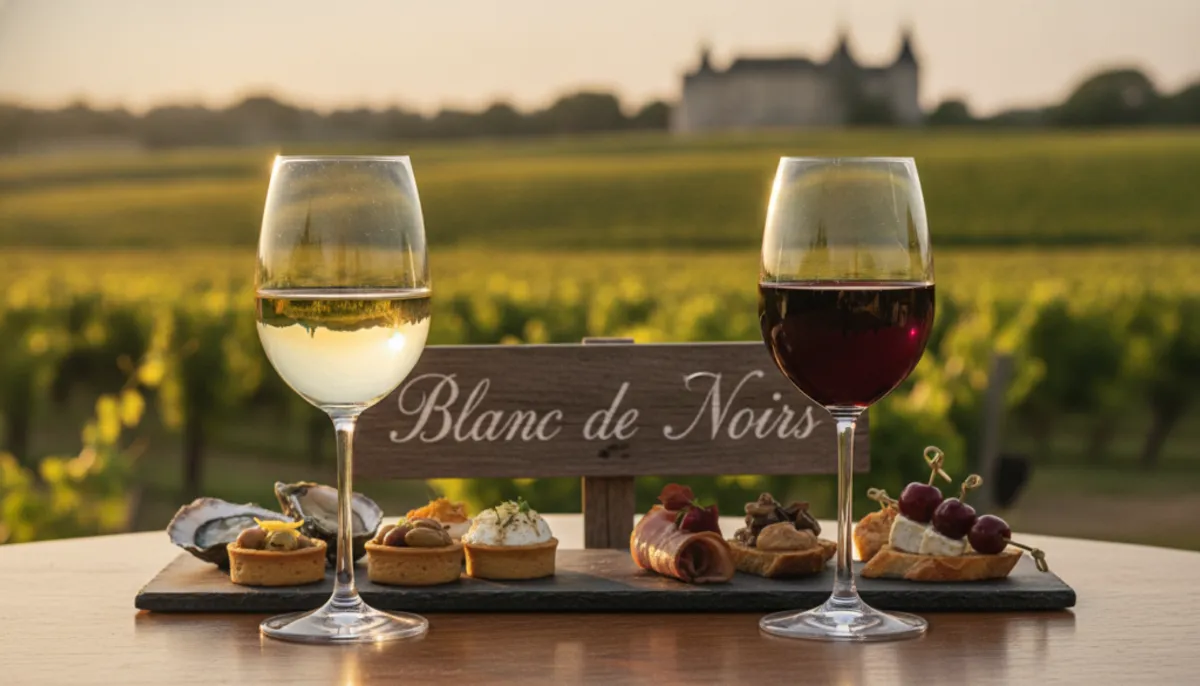
Looking for Champagne? We’ve got you covered. Discover the finest selections, ready to be exported anywhere in the world. Request your personalized quote today on https://champagne-export.com.
Key Takeaways
- These names indicate grape origin and production style, not quality alone.
- White-grape-only bottlings tend to be lighter and more citrus-driven.
- Bottles from darker grapes often show fuller body and red-fruit notes.
- Label reading makes shopping and collecting easier for U.S. buyers.
- Visit the export portal to request a tailored quote for premium bottles.
Understanding the Core Differences in Champagne Styles
Taste begins in the vineyard: grape type and region drive Champagne character.
The Role of Grape Varieties
White-grape bottlings often use 100 chardonnay to create a light, crisp profile. Expect high acidity, minerality, and bright notes like green apple. These wines show the classic elegance of the Champagne region.
Black-grape blends rely on pinot noir and pinot meunier to build a fuller body and richer fruit notes. A 100 pinot approach yields deeper structure and red-fruit aromas that stand out on the palate.
Regional Influence on Flavor
- Côte des Blancs: prized for Chardonnay, chalky minerality, refined acidity.
- Montagne Reims: pinot noir thrives here for power and depth.
- Vallée de la Marne: pinot meunier adds fruitiness and approachability.
Region affects the bottle’s price and final food pairing. Lighter wines pair well with seafood and delicate dishes. Fuller styles match richer foods. Understanding grapes, wine duties and taxes, and place helps you pick the right wine for your palate and your menu.
Analyzing the Blanc de Blancs vs Blanc de Noirs Distinction
Taste and structure come from grape choice and winemaking — this section breaks down how those decisions shape two distinct Champagne styles.
Key contrasts:
- The 2006 Taittinger Comte shows how a 100 chardonnay blend delivers bright acidity, minerality, and a fresh green apple profile.
- The 1996 Jean Laurent proves a blanc noirs can age into layered fruit and spice, gaining depth and a fuller body over time.
- Grand cru sourcing from the côte des blancs often raises the price of a bottle, reflecting top-tier grapes and careful selection.
- Winemakers in montagne reims and vallée marne lean on pinot noir and pinot meunier to build structure and red-fruit notes.
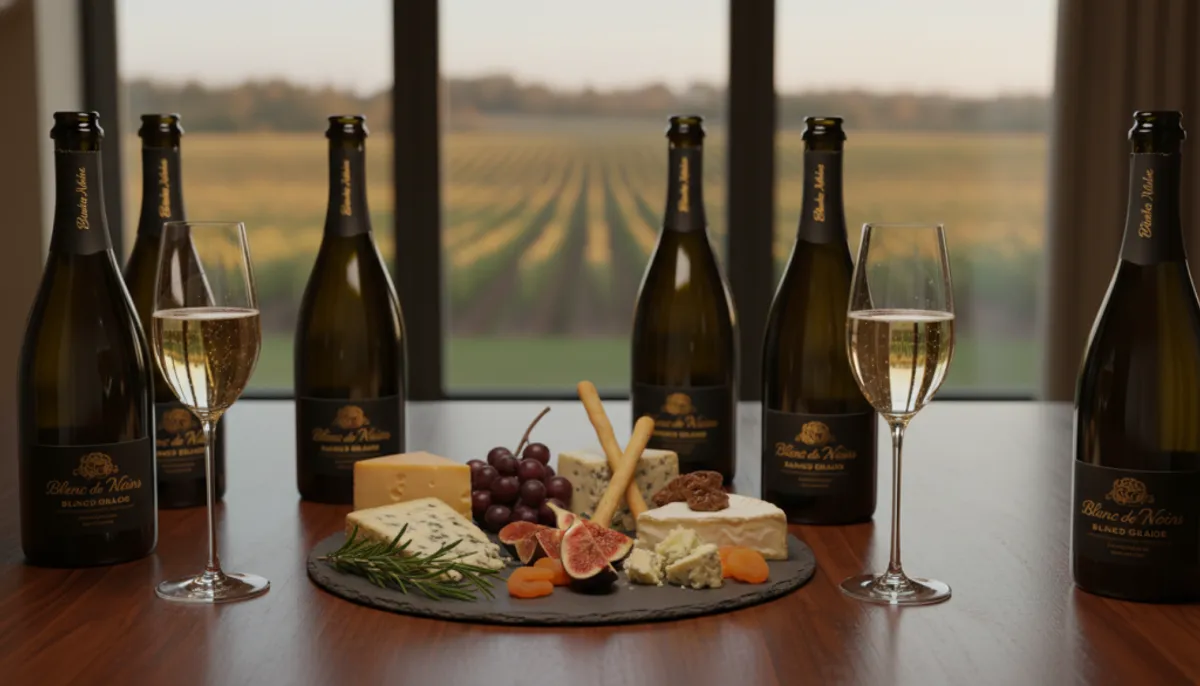
Compare 100 pinot and 100 chardonnay bottles to see how acidity and body evolve. If you favor minerality and elegance, seek the white whites style. If you prefer savory depth and fruit, choose the white blacks. Additionally, consider vintages for cellaring, as either way, region and bottle pedigree shape the final experience and the price you will pay.
Expert Tips for Food Pairings and Serving
Smart pairings balance acidity, body, and fruit to suit both the plate and your palate.
Matching Palate Profiles with Cuisine
Light, high-acidity bottles work best with clean, fresh seafood. Try oysters, scallops, or sushi to let citrus and minerality shine.
Richer, fuller bottles pair well with roasted meats and umami-rich dishes. Mushroom risotto or truffle pasta matches the savory fruit and structure of a pinot noir based blend.
- Serve chilled to preserve acidity and lift the aromas of the wine.
- Choose a grand cru for special meals when you want a fuller body and depth.
- Price shouldn’t stop you from experimenting; standard bottles can elevate simple food.
- Match intensity: delicate dishes with light wines, bold recipes with hearty bottles.
| Style | Best Foods | Key Traits |
|---|---|---|
| blanc blancs | Oysters, sushi, goat cheese | High acidity, citrus, light body |
| blanc noirs | Roast duck, mushroom risotto, veal | Richer fruit, fuller body, savory notes |
| Pinot-led bottles | Truffle pasta, grilled meats | Structure, depth, umami affinity |
Conclusion and Global Export Opportunities
Choose the bottle that fits your meal and mood. A crisp blanc blancs will lift light seafood or salads. A richer blanc noirs pairs well with roasted meats and heartier dishes. Each style reflects grape choice, region, and the wine’s body and acidity.
Looking for Champagne? We’ve got you covered with global export services. Select grand cru bottles or everyday sparkling wine and receive secure delivery to the United States.
Request your personalized quote today: visit https://champagne-export.com to secure premium bottles for your table, cellar, or special event.