Understanding the roots of this treasured sparkling wine starts with a look at centuries-old craft. The Méthode Traditionnelle shapes every step, from harvest to the final pour.
Legendary Champagne houses follow strict rules that protect quality. Each grape, press, and fermentation step serves one goal: an elegant bottle that reflects place and time.
The production process blends art and science. Simple fruit becomes a refined drink through secondary fermentation in the very same bottle.
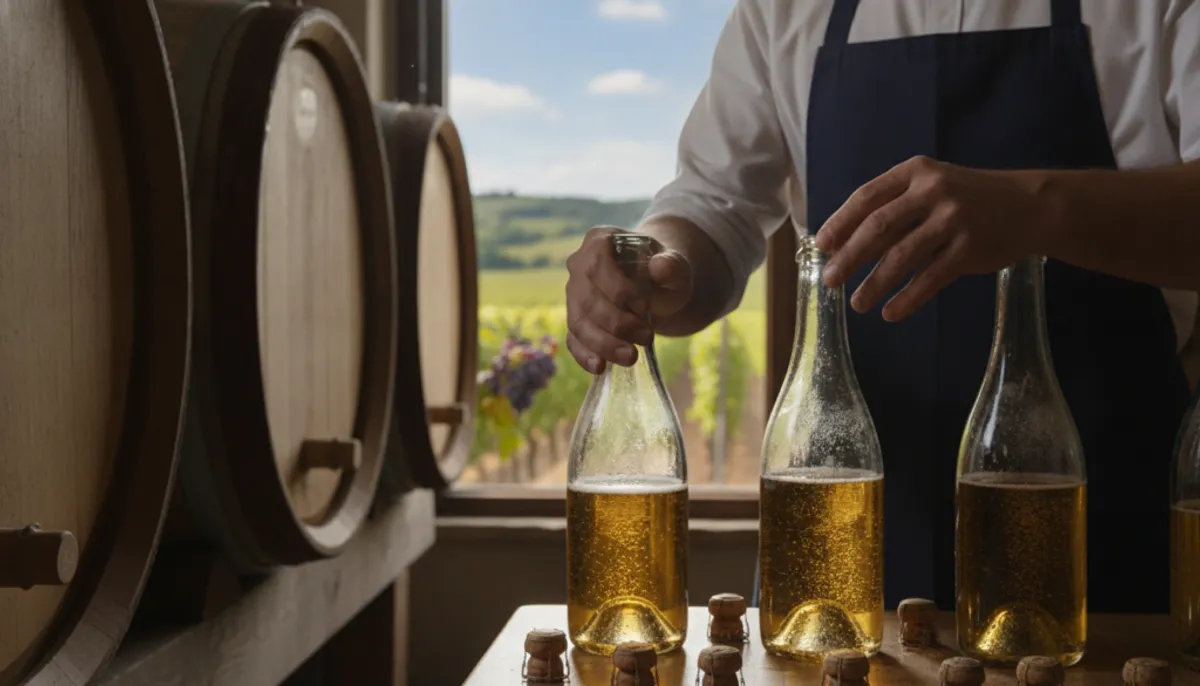
This brief guide previews the steps that have defined the method since the 17th century. Read on for a clear, friendly tour of the craft behind every pop and sparkle.
Key Takeaways
- Méthode Traditionnelle is the historic method behind classic sparkling wine.
- The production follows strict rules to ensure consistent quality in each bottle.
- Secondary fermentation in the bottle creates the fine bubbles consumers expect.
- Legendary houses combine traditional craft with modern controls.
- Understanding the process helps you appreciate both art and science in the glass.
Understanding the Origins and Vineyard Standards
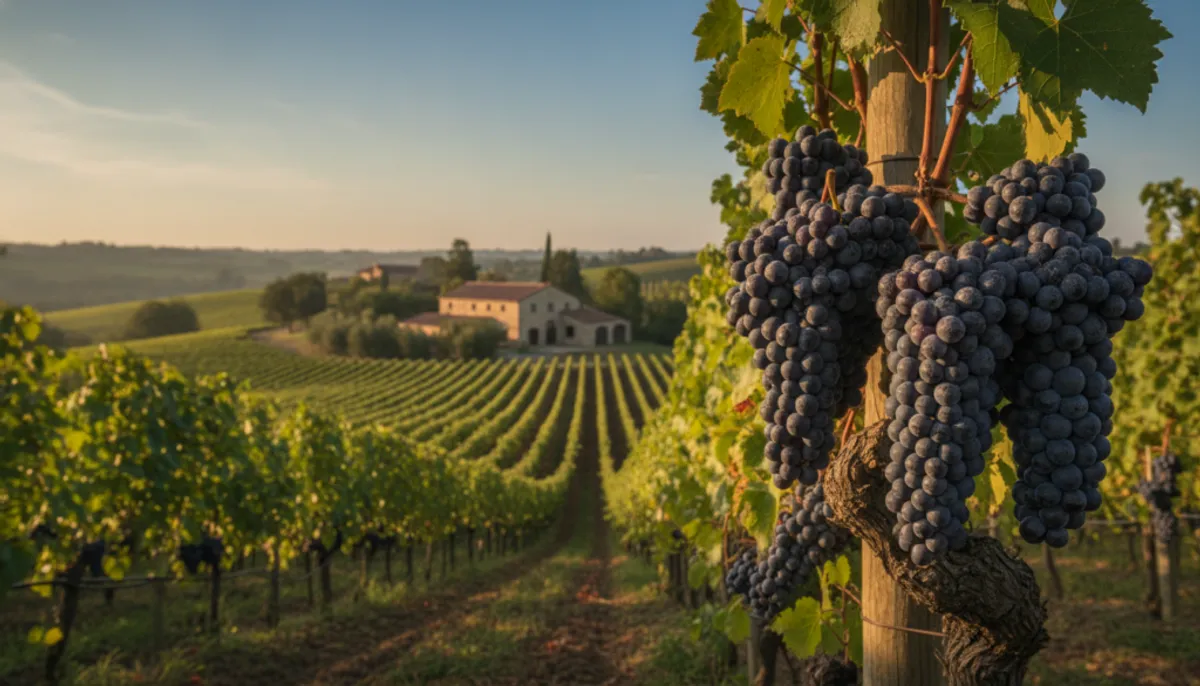
Vineyard origins shape every bottle long before any fermenting begins. The Champagne region’s soils and slopes give grapes unique character, including those used for organic wine. These factors guide producers when they plan harvest and production.
The Importance of Terroir
The 17 prestigious villages, such as Ambonnay, Avize, Oiry, and Verzy, are prized for their microclimates and soil types. These plots produce grapes with balanced acidity and fine aroma that lift the final wines.
Hand-Harvesting Requirements
The region mandates that grape varieties like Pinot Noir be picked by hand to protect delicate skins and to capture the best juice. Some houses, including Champagne Roger Constant-Lemaire in Villers-sous-Châtillon, prohibit machine harvesters to preserve grape integrity.
- Harvest happens at the optimal time to retain vibrant acidity.
- Workers hand-pick clusters to avoid bruising and premature fermentation.
- After harvest, careful pressing extracts clear juice for pale, elegant wines and consistent bottles.
How Champagne Is Made: The Méthode Traditionnelle
After picking, the grape juice begins its primary fermentation, a stage that defines the wine’s backbone.
Most houses ferment in stainless-steel tanks to keep flavors pure and consistent. This tank-based start turns sugars into alcohol and yields a dry, acidic base ready for the cuvée.
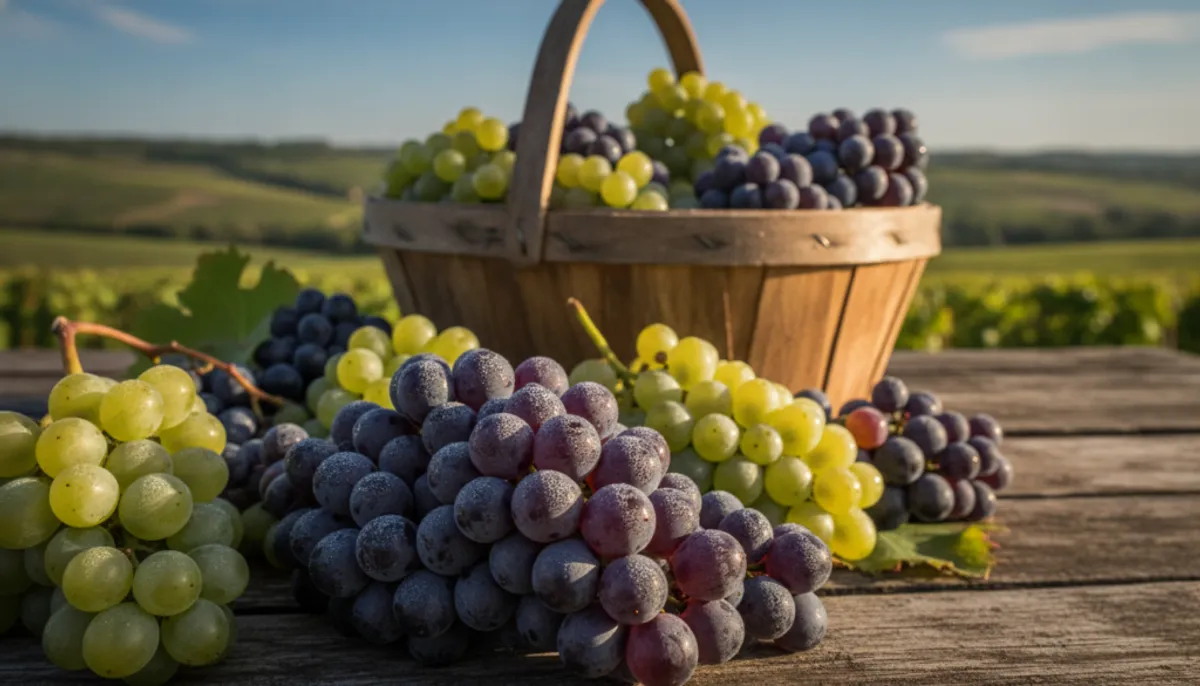
Some producers take a different route. Champagne Alfred Gratien in Épernay often ferments part of their base wine in barrels. Barrel fermentation adds texture and subtle oak notes that lift the final wines.
Typically, this crucial step happens about five months after harvest. Each bottle of base wine is monitored over several months to ensure the process meets regional standards.
- Primary goal: convert natural sugars from grapes into a dry base.
- Common tools: stainless-steel tank or oak barrel.
- Outcome: a stable base wine ready for secondary fermentation and blending.
The Art of Blending and Secondary Fermentation
Blending is the moment winemakers turn several base wines into a single, recognizable house style. This assemblage mixes vintages and plots to balance acidity, aroma, and texture.
Mastering the Assemblage
Producers often include Pinot Noir alongside other varieties to add structure and body. Skilled tasters blend samples until the profile matches the house signature. The goal is consistent quality across bottles and years.
The Role of Liqueur de Tirage
After blending, winemakers add a small dose of liqueur tirage — a mix of yeast and sugar — to each bottle. That added sugar feeds the yeast and starts the second fermentation inside the sealed bottle.
Creating Carbon Dioxide
As yeast consumes the sugar, it produces alcohol and carbon dioxide. The bottle cap traps the gas so carbon dioxide dissolves into the wine and forms the fine bubbles prized in sparkling wine.
- This second fermentation is a slow, patient step that can take several months.
- Each bottle becomes a tiny pressure vessel where yeast completes its work.
- The result: lively bubbles, extra depth, and a refined finish that defines top-quality wines.
Refining the Bubbly Through Riddling and Disgorgement
Riddling and disgorgement are the careful finishing touches that give each bottle clarity and lift. These steps clear the dead yeast and ready the wine for final dosage.
Riddling moves sediment toward the neck. Bottles sit at a 75-degree angle and get a 1/8th turn each day. Madame Veuve Cliquot invented the bottle rack that made this step efficient and reliable.
The Science of Flash Freezing
After at least 12 months on lees, disgorgement begins. The neck is flash frozen to trap the plug of sediment in ice.
When the cap is removed, the pressure of the carbon dioxide ejects the frozen plug. The process leaves behind a clear bottle and lively bubbles.
- Consistency: this method protects vintage character and house style.
- Dosage: winemakers add a final mix to adjust sweetness or leave a brut nature expression.
- Result: clean wine, bright bubbles, and a ready bottle for aging or release.
Conclusion: Secure Your Finest Selections for Global Export
Choose curated bottles that reflect true craft and consistent quality, including premium champagne for corporate gifts. From hand-picked grapes to a careful second fermentation and yeast-driven character, each step protects the vintage and the cuvée you love.
The finishing work—riddling, disgorgement, flash freezing of the neck, and precise dosage—creates bright bubbles and clear bottles ready for corking and shipment. Carbon dioxide trapped during second fermentation gives that lively sparkle.
Looking for Champagne? We’ve got you covered. Discover Brut Nature and pinot noir selections, request a personalized quote, and secure your reserve at https://champagne-export.com today.