Champagne is crafted and aged to shine the moment you buy it. A well-made bottle arrives ready to pour, with lively bubbles and balanced flavor.
To keep that fizz and character, shield the wine from direct light and heat. Simple care at home can make a big difference for your collection.
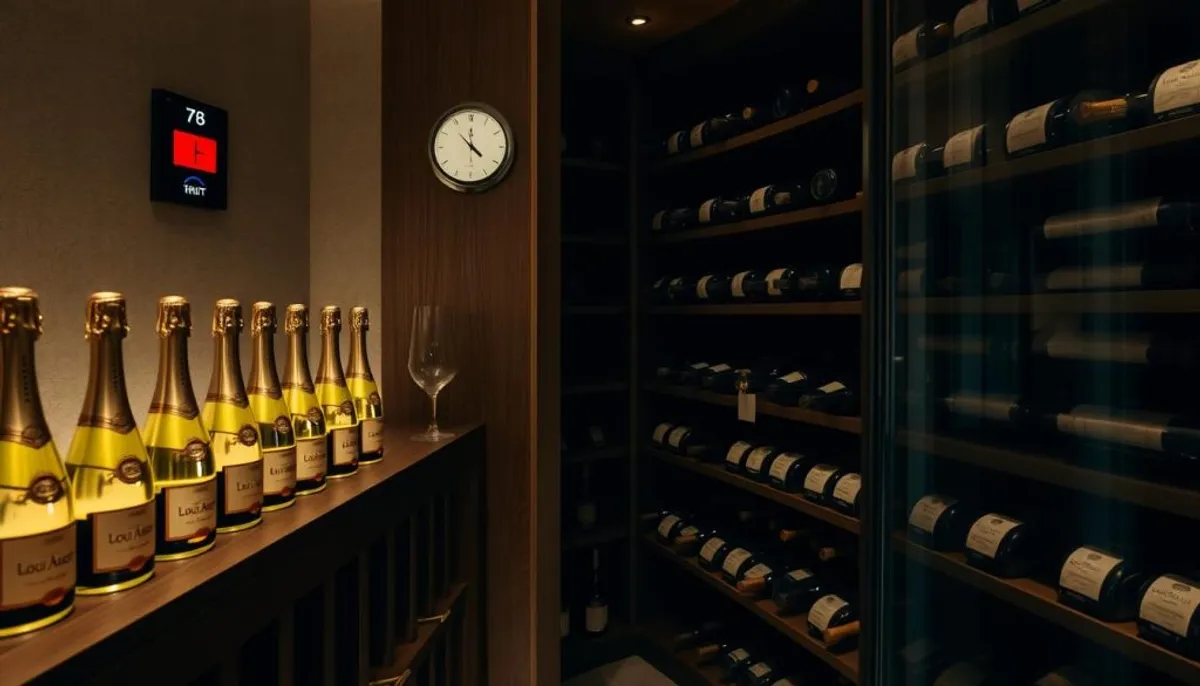
For long-term holding, the cellar setups used by top houses are ideal. They give steady temperature, right humidity, and no vibration—factors that protect the cork and the wine over years.
Vintage bottles may age for five to ten years, while non-vintage often peak in three to four years. Avoid wild temperature fluctuations and strong exposure to light.
Key Takeaways
- Ready to drink: most bottles are drinkable on purchase.
- Keep light and heat away to preserve bubbles and flavor.
- Professional cellars offer the best long-term care for a collection.
- Watch temperature and humidity to protect the cork and wine.
- Limit vibration and strong exposure for the best results.
Understanding Champagne Storage Conditions
The sparkle in your flute begins with a deliberate second fermentation inside the bottle. That process traps carbon dioxide and creates the tiny, persistent bubbles that define the wine’s character.
Bubble size and persistence help signal quality, especially when considering champagne vs prosecco quality. Smaller, long-lasting bubbles usually point to careful winemaking and higher fizz retention in the glass.
The main grapes—Chardonnay, Pinot Noir, and Pinot Meunier—drive aroma and texture. They shape the body and balance that make vintage and non-vintage champagnes distinct.
Vintage releases come from a single harvest and reflect that year’s climate. Non-vintage blends mix multiple years to keep flavor consistent for parties and daily pours.
- Understand how grapes and yeast create those bubbles.
- Recognize vintage versus blended bottles when planning long-term storage.
- Learn how cork health, temperature, light, and humidity affect aging.
Essential Environmental Factors for Preservation
A few simple environmental choices determine whether your bottles age gracefully or lose their sparkle. Focus on steady climate and a dim, stable space to keep flavor intact. Additionally, be aware of champagne import duties when considering your overall investment in fine wines.
Temperature Consistency
Keep a steady range rather than chasing a perfect number. Aim for about 12–14°C (53.6–57.2°F). This range slows aging and preserves the wine’s balance.
Avoid draughty rooms, heat shocks, and wide fluctuations. Sudden swings force the cork to move and can let air in.
Humidity and Cork Health
Maintain roughly 70% humidity so the cork stays moist. A moist cork seals better and reduces oxidation risk.
If cork drying occurs, the seal fails and the bottle loses quality. To keep cork life long, protect bottles from direct light and strong heat.
- Ideal temp: 12–14°C keeps champagne stored well.
- Humidity: ~70% to keep cork moist and airtight.
- Light and shocks: Avoid UV and sudden fluctuations to keep champagne and wine at their best.
Short-Term Storage Strategies for Immediate Enjoyment
If your goal is immediate enjoyment, small steps protect the wine’s bright character.
Up to a month: keep the bottle upright at room temperature. This helps the cork stay sealed and the bubbles remain lively for short time frames.
Opening within days: chill the bottle in the fridge at about 8–10°C for 3–4 days. This temperature keeps the fizz and makes service-ready pours simple.
Avoid leaving bottles in the fridge longer than a few days. Extended cold can dry the cork and risk spoilage even though internal pressure helps keep the cork moist for short periods.
Keep bottles away from direct light and heat. Even for short-term care, light exposure and warm spots speed flavor loss and dull bubbles.
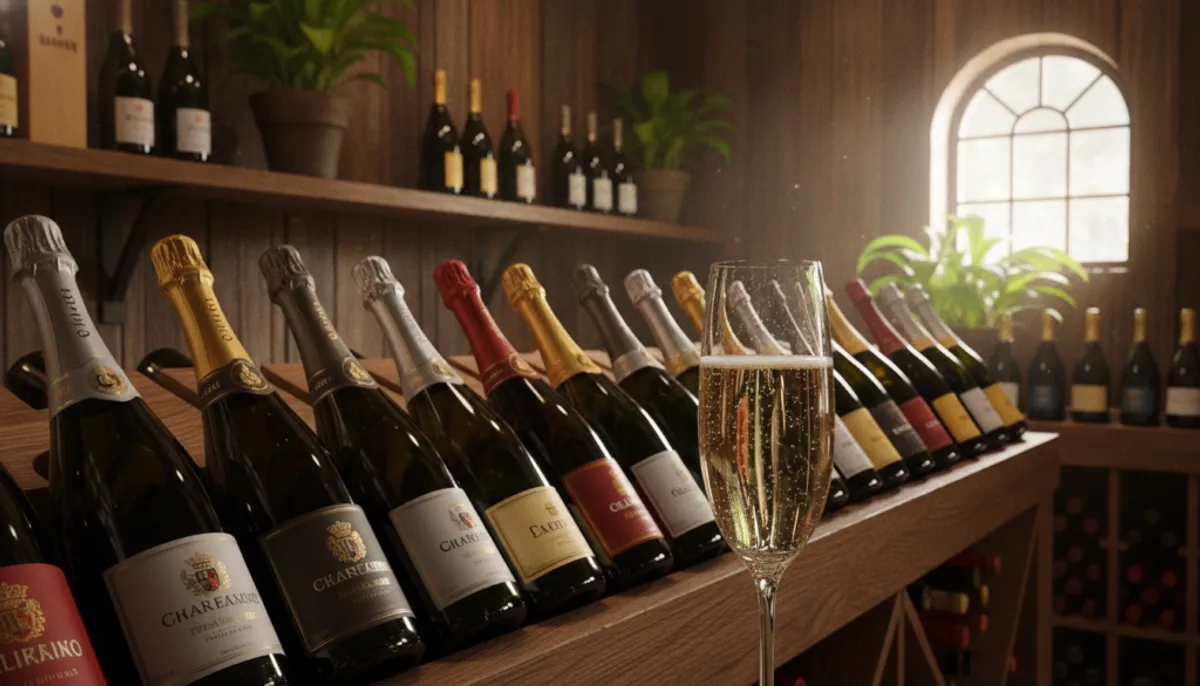
- Room temp upright for up to a month.
- Chill at 8–10°C when opening in 3–4 days.
- Avoid long fridge stays to protect the cork and wine.
Best Practices for Long-Term Cellaring
To age bottles well for years, pick a cool, dark spot with minimal movement and steady moisture. This simple approach helps preserve aroma, bubble quality, and the bottle’s integrity over time.
Horizontal Positioning
Lay bottles on their side so the liquid keeps the cork moist. A moist cork seals better and lowers the risk of air entering the bottle.
This is the best way to prevent cork drying and to keep wine safe during long-term storage beyond a month.
Light Sensitivity
Keep the cellar dark. Even low-level light can bleach delicate flavors over years. Avoid clear glass or sunlit basements.
A completely dark room helps the bottle age evenly and avoids flavor loss from exposure or UV damage.
Vibration Control
Minimize movement. Place your collection away from washers, HVAC units, and busy walkways.
Vibration agitates sediment and can hasten aging. Stable shelving and a calm room give vintage bottles, especially those chosen for their potential as vintages for cellaring, the best chance to develop.
- Target temperature: 10–13ºC for long-term storage.
- Maintain humidity roughly 60–70% to keep the cork moist without mold risk.
- Store bottles on their side, avoid light, and cut vibration for years of safe aging.
The Impact of Bottle Size on Aging
Larger formats often tame the pace of aging and protect delicate aromas. Bottle volume changes the ratio between liquid surface and trapped air, which alters how the wine evolves over the years.
Magnums (1.5L) are widely regarded as ideal for long-term storage. Their reduced surface-area-to-volume ratio lowers oxygen influence. That slower exchange helps bubbles stay finer and aromas develop more evenly.
Standard Bottles Versus Magnums
Standard 750ml bottles tend to age a bit faster. Collectors often choose magnums when they want gentler, more balanced maturation over decades.
Vintage bottles aged in magnums can show complex tertiary aromas and finer mousse after 20–30 years. Larger formats like the 3L Jeroboam push ullage even lower, further slowing change.
- Magnums: slower, steadier maturation; ideal for collectors.
- 750ml: faster development; great for nearer-term drinking.
- Both: require proper cellar temperature and minimal vibration to reach full potential.
Managing Opened Bottles and Effervescence
An opened bottle needs quick, simple care to keep fizz and flavor for several days.
If sealed with a hermetic cork and put in the fridge, an opened bottle can stay fresh for 3 to 5 days. For best results, aim to drink most pours within 1–3 days, as the wine will slowly lose its character.
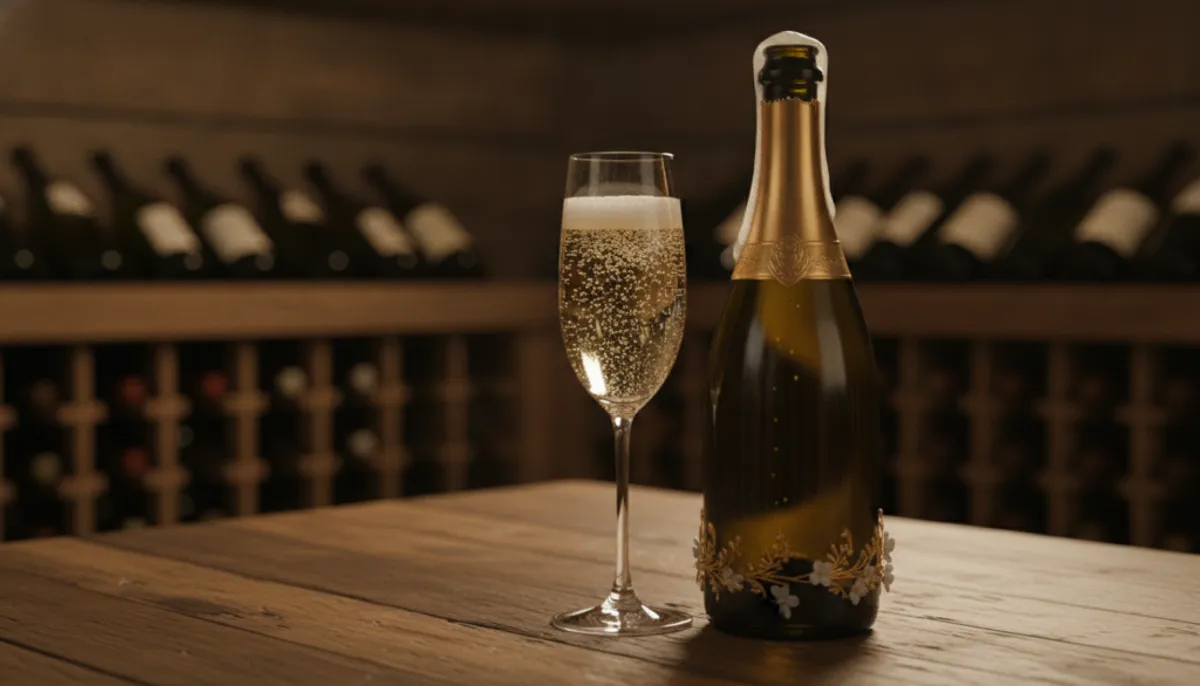
Store the open bottle upright to minimize the surface area exposed to oxygen. That reduces loss of bubbles and keeps the remaining liquid brighter in the glass.
Use a specialized sparkling wine stopper with a clamp. It beats a standard stopper for keeping fizz. If you are sipping through the day, keep the bottle in an ice bucket to hold temperature and slow decline.
Even with careful handling, the champagne bottle will not stay like new forever. Quick sealing, cool temperature, and upright placement give you the best short-term storage and the most enjoyment from every glass.
- Seal with a hermetic cork and chill in the fridge.
- Keep the bottle upright to limit surface exposure.
- Use a clamp-style stopper or an ice bucket for daytime service.
Common Mistakes to Avoid
Small mistakes in how you keep bottles can quickly ruin their fizz and aroma.
Be mindful of habits that silently damage the wine inside the corked vessel.
Preventing Cork Drying
A top error is leaving a bottle in the fridge for months. Fridges run cold and dry; over time that can cause cork drying and let air into the wine.
Avoid strong light and direct UV exposure. Light strike (goût de lumière) dulls flavor and spoils fragile bubbles.
Keep a steady temperature. Wide fluctuations force the cork to expand and contract. That movement risks a poor seal and oxidation.
Watch for a crumbly or shrunken cork — it often signals that the bottle was kept poorly and the wine may be off.
- Do not leave bottles in a regular fridge for long periods.
- Avoid sunlit spots and bright artificial light.
- Keep temperature steady to protect the seal.
- Place collections away from appliances that vibrate.
By skipping these common mistakes, your champagne stored at home will keep its best character for special moments, making it ideal for your business champagne selection.
Global Export and Professional Sourcing
Trusted exporters keep each bottle moving under a strict climate plan from vineyard to doorstep, adhering to champagne labeling laws. Professional sourcing ensures the wine is handled with care at every step.
Climate-controlled logistics reduce temperature swings and protect the cork and aromas during transit. This matters whether you are a trade buyer or a private collector.
Global export services make it easy to access vintage champagnes and rare releases from any area. Reputable partners track humidity, light exposure, and transit time to preserve characteristics you want in a collection.
- Careful handling: minimizes shocks and keeps bubbles and aromas intact.
- Temperature control: prevents spoilage and protects long-term value.
- Trusted partner: ensures traceability and integrity from vineyard to your cellar.
Looking for champagne? Discover selections ready for world export and request a personalized quote at https://champagne-export.com. Our team is ready to assist with collections of any size and ensure your bottles arrive in optimal condition.
Conclusion
A steady routine is the single best gift you can give any bottle in your collection.
Proper care keeps fizz, aroma, and balance true to the winemaker’s intent.
Control temperature, humidity, and light to protect the wine’s complex character. Consistency matters whether you manage a small home rack or a professional cellar.
Keep bottles horizontal to keep the cork moist and reduce oxidation. These simple habits help every glass stay lively and tasty.
If you want expert help or the finest selections for your cellar, request your personalized quote today at https://champagne-export.com.
Remember: follow a steady plan to store champagne correctly and enjoy each pour as a celebration of quality.