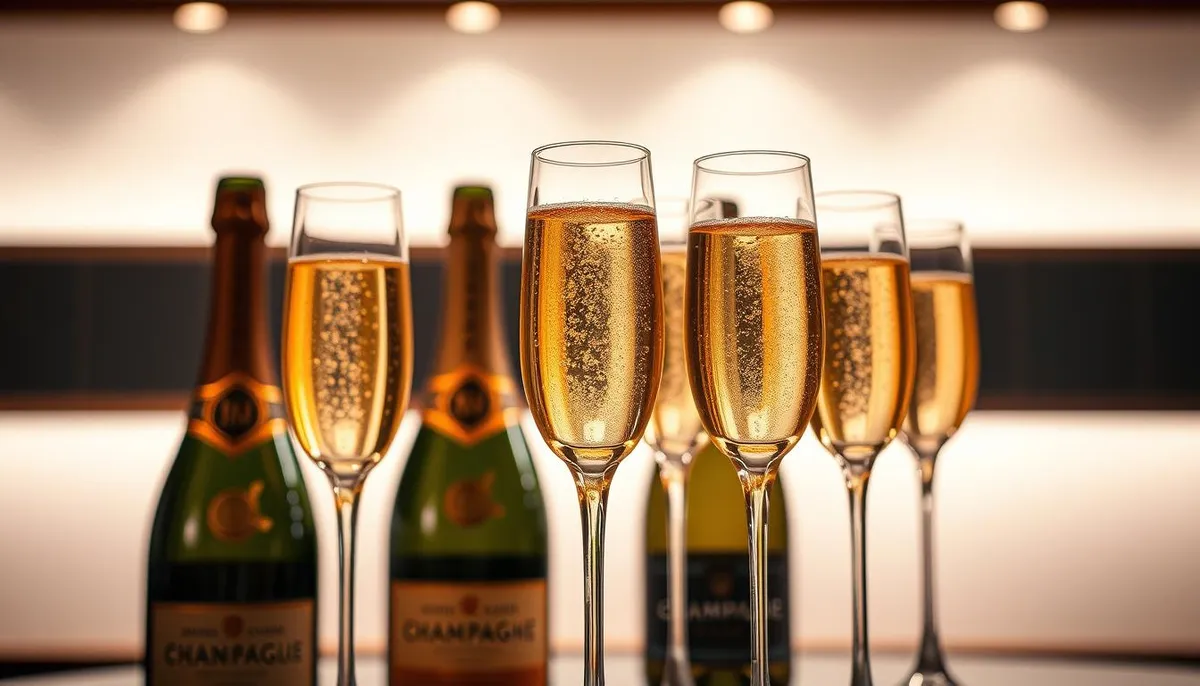
Welcome to Champagne Jane, a portal crafted for connoisseurs in the United States seeking both clarity and excellence in their champagne choices. Within these pages, you will discover a selection of both luxury champagnes and premium sparkling wines. Each has been meticulously selected for its exceptional flavor profile, the remarkable value it offers, and the compelling story it tells. Envision flavors of crisp orchard fruits, the unique chalky tension, and the elegant mousse that enhances each tasting experience.
We pay homage to the illustrious figures whose innovations have defined the champagne industry. Barbe-Nicole Ponsardin of Veuve Clicquot pioneered the riddling process, significantly enhancing the clarity and brightness of the wines. Louise Pommery introduced the brut style, forever changing the landscape with her pursuit of dry elegance. These pioneering efforts continue to influence today’s top sparkling wines.
Prepare your journey to explore the heart of champagne production in Reims and Épernay, these cities are nestled approximately two and a half hours from Calais. They are surrounded by the famous chalk cellars and the historic Avenue de Champagne, a UNESCO heritage site. The undulating vineyards of the Montagne de Reims contribute significantly, providing the grapes that give the classic cuvées their characteristic depth and drive.
Our guide will demystify champagne styles and labels with straightforward explanations. Expect discussions on Blanc de Blancs from the Côte des Blancs, Pinot Noir-driven Blanc de Noirs from the Montagne de Reims and the Aube, alongside the methods of crafting Rosé champagnes either by saignée or blending. You’ll gain insights into understanding NV, Vintage, and Prestige Cuvée, empowering you to make informed purchases.
Proper service of champagne is essential for optimal enjoyment. We recommend chilling your champagne to the ideal temperature of 40–45°F (4.5–7°C). Selecting the appropriate glassware and using a high-quality stopper can preserve the vivacity of the bubbles for up to 48 hours. Moreover, the careful hand-washing of stemware is advised to maintain the integrity of the mousse and the aroma. These simple practices yield a significant impact on your champagne experience.
Our perspective is global, recognizing the rising stature of English sparkling wines and the importance of global champagne export. England is now producing premium sparkling wines utilizing the traditional method. Examples such as Nyetimber Classic Cuvée and Chapel Down Brut are notable for their precise quality and comparative value next to established Champagne brands. This global context enriches our selection and provides valuable insights for those seeking a balance between cost and quality.
Are you ready to delve into the realm of top-tier sparkling wines and facilitate their acquisition with ease? Find carefully selected recommendations and request a personalized quote at https://champagne-export.com. Champagne Jane is dedicated to assisting you in finding the most exquisite champagnes for every celebratory moment.
Key Takeaways
- Expert, friendly guide tailored for United States wine lovers seeking luxury champagne and premium sparkling wine.
- Spotlight on Barbe-Nicole Ponsardin and Louise Pommery, whose innovations shaped modern Champagne.
- Travel context: Reims and Épernay with UNESCO heritage, chalk cellars, and Montagne de Reims vineyards.
- Clear roadmap to styles and classifications: Blanc de Blancs, Blanc de Noirs, Rosé; NV, Vintage, Prestige Cuvée.
- Service tips: 40–45°F, smart glassware, stoppers up to 48 hours, and hand-washed glasses for better mousse.
- Global view includes English standouts like Nyetimber Classic Cuvée and Chapel Down Brut.
- Explore and export curated bottles worldwide via personalized quotes at https://champagne-export.com.
Luxury Champagne Origins: From Reims and Épernay to Grand Cru Villages
Between Reims and Épernay, chalky slopes and cool clay are adorned with vineyards. This far-northern latitude gives rise to champagnes of high acidity and fine mousse, essentials of luxury. Enthusiasts follow a route through grand cru villages and the Montagne de Reims. They seek the epitome of champagne, tasting it at its origin. Additionally, connecting with worldwide champagne suppliers can enhance the experience by providing access to unique selections.
Terroir significantly influences the outcome here. Chalk, acting like a sponge, stores water and directs sunlight onto the grapes. Forest breezes add a crisp note. Meanwhile, deep cellars maintain a consistent cold. Together, these factors contribute to a champagne of unparalleled purity, longevity, and a crisp finish, epitomizing patience and expertise in winemaking.
Historic Reims cellars and cathedral heritage
Reims is built over ancient chalk quarries created during the Roman era, near the Porte Mars. These quarries now form extensive cellars, where houses like Veuve Clicquot age their champagnes. Wandering these cellars feels akin to exploring a champagne sanctum.
The Reims cathedral, site of the coronation of twenty-five French kings, stands majestically above. Its stonework and stained glass evoke a solemnity that complements the slow aging process. This blend of sacred history and meticulous cellar work underlines the sublime power of the finest champagnes.
Épernay’s Avenue de Champagne and underground galleries
The Avenue de Champagne in Épernay, recognized by UNESCO, presents an array of distinguished façades with extensive cellars beneath. Moët & Chandon oversees approximately seventeen miles of these cellars. They invite visitors to embark on traditional Épernay tours. Meanwhile, Mercier offers tours through its galleries on an underground train, spanning about eleven miles.
In the hall of Mercier, a giant oak barrel stands as a testament to the 1889 Paris Exposition. However, the true spectacle is below ground. Here, a constant humidity envelops vintage wines, lending luxury champagnes their elegance and complexity.
Grand cru highlights: Ay, Cramant, Verzy, and Verzenay
Ay is renowned for its Pinot Noir and its adherence to tradition, housing Champagne Bollinger. It is near Pressoria, a sensory museum. Henri Goutorbe offers insights into cellar methods and old presses. Hôtel Castel Jeanson invites guests to stay within proximity to the vineyards.
Cramant is cherished for its Chardonnay, which features marked sharpness and richness. Producers like Voirin-Jumel propose classes and lodging. Visitors can savor the distinctive mineral tones of their Blanc de Blancs. To the north, Verzy and Verzenay specialize in superior Pinot Noir, crucial for creating both blends and Blanc de Noirs.
Noteworthy landmarks include the Verzenay lighthouse and a unique Champagne bar perched among the treetops in Verzy. These villages illustrate a comprehensive map of texture, tension, and length in champagne. Visiting each place enriches the understanding of champagne’s excellence.
| Place | Signature Strength | Notable Highlights | Why It Matters |
|---|---|---|---|
| Reims | Chalk cellars, heritage | Reims cathedral; Veuve Clicquot crayères | Links royal history to patient aging that defines luxury champagne |
| Épernay | Grand maisons, deep galleries | Avenue de Champagne; Moët & Chandon tours; Mercier train | Épernay tours reveal scale and precision behind the finest champagnes |
| Ay (Grand Cru) | Pinot Noir power | Champagne Bollinger; Henri Goutorbe; Pressoria | Builds structure and spice in blends from grand cru villages |
| Cramant (Grand Cru) | Chalky Chardonnay | Voirin-Jumel tastings and rooms | Purity and lift for elegant cuvées |
| Verzy & Verzenay (Grand Cru) | Pinot Noir finesse | Montagne de Reims lighthouse; treetop bar | Delivers depth for Blanc de Noirs and balanced blends |
Women Who Shaped the Bubbly: Barbe-Nicole Ponsardin and Louise Pommery
Two visionaries changed Champagne forever. Barbe-Nicole Ponsardin, known as the widow behind Veuve Clicquot, ascended to leadership in 1805. She transformed adversity into innovation. Her invention, the riddling rack, revolutionized clarity by directing sediment into the bottle’s neck through methodical rotations and inclinations, establishing unparalleled standards of excellence in Champagne.
The enhancement of clarity brought forth confidence. Under her guidance, Veuve Clicquot initiated the practice of vintage releases. This approach demonstrated how a sole year’s harvest could articulate its distinctive character. Such innovations became quintessential to what many anticipate from the region’s luxury champagne pioneers.
In Reims, Louise Pommery undertook a daring alteration in palate. By the year 1874, she had her cellar master develop a drier champagne, marking the debut of Pommery Nature. This brut champagne garnered worldwide acclaim. Its vibrant, food-friendly nature, coupled with modernity, carved out the world’s current preferences.
Louise Pommery’s contributions were not confined to taste alone. She initiated the creation of an expansive 11-mile network within ancient chalk pits. These spaces, adorned with art and grand reliefs, foster exploration. Combining culture and craftsmanship, this endeavor welcomed novel audiences while respecting traditions.
Barbe-Nicole Ponsardin and Louise Pommery have indelibly influenced our Champagne appreciation. From the crystal-clear effervescence introduced by the riddling rack to the sharp, sophisticated essence of brut champagne, their legacies continue. Their pioneering efforts are celebrated by both Veuve Clicquot and Pommery, solidifying their positions as monumental figures in luxury Champagne history.
Inside Iconic Maisons: Veuve Clicquot, Pommery, Moët & Chandon, Mercier
Enter the realms of luxury champagne production, where the union of chalk, art, and innovation with traditional methods prevails. Each maison unveils a unique cadence—featuring guided tastings, including classic wine tastings, striking architectural wonders, and profound, storied reserves, all contributing to the creation of the world’s most celebrated champagnes.
Veuve Clicquot’s chalk pits, riddling legacy and vintage milestones
The journey through Veuve Clicquot encompasses only a portion of their nearly 15-mile stretch of ancient chalk pits, serene and silent. Aroma training sessions, led by expert guides, facilitate the identification of distinctive grape varietal aromas and the essence of dosage balance. The path is dotted with significant milestones, celebrating a storied heritage of riddling and audacious decisions. Notably, the contributions of female vintners have enriched this legacy, showcasing their vital role in the industry. Succeeding the tour, Domaine Les Crayères invites with its exquisite dining options and an extensive Champagne selection.
Pommery’s 11-mile labyrinth and art-filled cellars
Embark on a descent into Pommery’s cellars, an extensive 11-mile network hewn from Gallo-Roman chalk pits. The corridors, adorned with bas-reliefs, play host to seasonal contemporary art displays. Tastings reveal the vibrancy of cuvées like the whimsical Pommery Pop. Villa Demoiselle introduces an Art Nouveau touch, while the evenings enchant with perfectly paired courses and Champagne in elegant salons.
Moët & Chandon’s classic tours and storied reserves
Moët & Chandon on Avenue de Champagne in Épernay offers tours through its expansive, 17-mile-long network. These passages showcase an impressive collection of reserves, maintained at ideal temperatures, and reveal the traditional méthode champenoise. Enthusiasts can choose from basic introductions to extensive explorations that delve into blending, aging, and the house’s historic connections to Épernay.
Mercier’s underground train and showpiece barrel
A ride on Mercier’s underground train takes you through an immersive route lined with art and softly lit galleries, transforming cellar exploration into a dynamic spectacle. The narrative is anchored by the story of Eugène Mercier’s monumental barrel, presented at the 1889 Paris Exposition. Complementary audio guides add depth to the journey, while nearby, Comtesse Lafond beckons with sabrage classes, rounding out an engaging day in the heart of Champagne’s legendary names.
champagne jane
Imagine champagne jane as not just a guide but a connoisseur’s journey through Champagne. It marries travel insights with educational expertise. You’re led through vineyards and cellars with advice that enlightens. Each recommendation aims to make the experience as inviting as the drink itself.
Jane’s champagne curation splendidly balances renowned growers like Voirin-Jumel and legendary houses including Veuve Clicquot. It’s a showcase of finesse and history. From the crispness of a Blanc de Blancs to the intricate depths of a vintage blend, the selection is curated for both appreciation and pleasure.
Education is paramount. Through Jane’s guidance, you decipher champagne’s complexities. You’ll understand style distinctions, the nuances between NV and vintage, and the allure of prestige cuvées. Moreover, she underscores the importance of service—correct temperature, suitable glassware, and delicate pouring—to ensure each champagne’s character shines.
Experiential learning enriches appreciation. Explorations in chalk pits, adorned cellars, and Mercier’s subterranean railway enhance one’s understanding and enjoyment. These vivid experiences create foundational knowledge that aids in discerning the subtleties of dosage, crus, and texture in Jane’s selected champagnes.
For US aficionados, Jane offers streamlined access to her curated champagne list. This blend of renowned maisons and notable growers is poised for export. Visit champagne-export.com for a custom quote, catering to your specific occasions and desires.
| Producer Style | Example Bottle | Tasting Markers | When to Choose | Why It Fits Jane’s champagne selection |
|---|---|---|---|---|
| Grower, Côte des Blancs | Voirin-Jumel Blanc de Blancs | Chalky finesse, lemon zest, green apple | Seafood, raw bar, weeknight treats | Terroir clarity and value within premium sparkling wine |
| Historic Maison | Veuve Clicquot Brut Yellow Label | Biscuity notes, ripe stone fruit, firm structure | Brunch, gifts, broad crowd appeal | Reliable celebratory bubbly with global availability |
| Art-Driven Cellars | Pommery Brut Royal | White flowers, citrus, brisk finish | Aperitif hours, gallery nights | Links tasting with culture and design |
| Classic Grand Maison | Moët & Chandon Impérial | Pear, brioche, fine bead | Large gatherings, toasts | Consistent style for United States curation demands |
| Visitor-Focused | Mercier Brut | Fresh orchard fruit, creamy mousse | Casual parties, first-time tasters | Approachable profile that invites learning |
Premium Sparkling Wine Styles: Blanc de Blancs, Blanc de Noirs, and Rosé
Within the realm of sparkling wines, Champagne stands illustrious, showcasing diversity through Blanc de Blancs, Blanc de Noirs, and Rosé. Each variant embodies the essence of its grapes, terroir, and meticulous vinification processes. Additionally, exploring grape seed extract benefits can enhance your understanding of health and wellness in relation to wine consumption. This complexity and depth bestow Champagne with its revered status.
Tip the glass and note the color first. Observing the hue and mousse can reveal nuances about the wine’s structure, origin, and maturation. Aromas then guide the senses through a spectrum of orchard fruits, stone fruits, red berries, spices, to the unmistakable scent of brioche.
Blanc de Blancs from Côte des Blancs: Avize, Cramant, Le Mesnil-sur-Oger
Exclusively crafted from Chardonnay, Blanc de Blancs typifies elegance with its delicate greenish hues in its youth. Originating from esteemed villages such as Avize, Cramant, and Le Mesnil-sur-Oger, these wines exemplify mineral sophistication and a refreshing saline finish.
With four to five years of maturation, the spectrum of flavors broadens to encompass tropical and stone fruits, enriched by a toasty character. Over time, it evolves, becoming creamier and biscuit-like, acquiring a complex, nutty depth that distinguishes the finest of champagnes.
Blanc de Noirs character from Montagne de Reims and the Aube
Derived from Pinot Noir and/or Meunier, Blanc de Noirs manifests a deeper yellow color and a robust, fruit-forward profile. This style is redolent of cherries, baked apples, and a hint of earthiness, setting it apart as a distinguished premium sparkling wine. Additionally, understanding the types of grapes in champagne is essential for appreciating the unique characteristics each brings to the blend.
Esteemed Pinot Noir sources include the grand crus of Montagne de Reims and select growers in the Aube. These contribute ripe, fulsome nuances. As the wine ages, its palette transitions to rich honey, caramel, and sophisticated undertones of mushroom, smoke, and leather.
Rosé methods: saignée vs. blending, color and flavor profiles
The production of Rosé champagne embraces two distinct techniques. Through saignée, extended contact with Pinot skins imbues the wine with vibrant color and a pure, strawberry-raspberry essence. Laurent-Perrier, among others, has perfected this method, capturing its essence with grace.
Alternatively, blending incorporates 10–20% still red wine, frequently from Bouzy or Montagne de Reims, enhancing the Chardonnay base. This technique, as exemplified by Billecart-Salmon, yields subtle salmon shades, a smoother texture, and delicately interwoven notes of rose and citrus. These blends are often most delightful when enjoyed promptly post-release.
| Style | Grapes & Key Areas | Color & Texture | Aroma & Flavor | Food Pairings | Notable Houses/Examples |
|---|---|---|---|---|---|
| Blanc de Blancs | 100% Chardonnay; Côte des Blancs (Avize, Cramant, Le Mesnil-sur-Oger) | Pale with green tints; fine, racy mousse | Lemon, chalk, white flowers; ages to toast, mango, peach, apricot, biscuit | Oysters, sashimi, goat cheese, citrus-dressed salads | Salon, Krug Clos du Mesnil, Pierre Peters, Taittinger Comtes de Champagne |
| Blanc de Noirs | Pinot Noir/Meunier; Montagne de Reims and select Aube sites | Fuller yellow; broader, vinous texture | Cherry, baked apple, earth; ages to honey, caramel, mushroom, smoke, leather | Roast chicken, pork belly, mushrooms, aged Comté | Bollinger Vieilles Vignes Françaises, Egly-Ouriet, Paul Bara, Mailly Grand Cru |
| Rosé champagne (Saignée) | Pinot Noir/Meunier with brief skin contact | Vivid pink; structured and fruit-driven | Strawberry, raspberry, pomegranate; subtle spice | Tuna tartare, duck breast, peppered steak | Laurent-Perrier Cuvée Rosé, Louis Roederer, Drappier |
| Rosé champagne (Blended) | Base wine with 10–20% still red; often Pinot from Bouzy or Montagne de Reims | Pale salmon; silky and refined | Rose petal, citrus, white peach; delicate red berry | Sushi, shrimp cocktail, soft cheeses, berry desserts | Billecart-Salmon Brut Rosé, Ruinart Rosé, Veuve Clicquot Rosé |
How Champagne Is Classified: NV, Vintage, and Prestige Cuvées
Three tiers define the region’s craft. NV champagne, forming the base of most collections, combines the latest harvest with reserve wines. This mix achieves depth and allows for early enjoyment. Such blending is critical for maintaining a house’s style throughout the years. This approach is evident in the offerings from Moët & Chandon, Veuve Clicquot, and Louis Roederer.
Vintage champagne originates from a singular year’s harvest. It undergoes a longer lees-aging period, not less than three years. This process enhances its toasty and biscuity characteristics, and lends it a more structured body. At Veuve Clicquot, a journey through their cellars illustrates these special vintages, where each year transforms into a distinct taste profile.
The zenith of champagne classification is the prestige cuvée. These are crafted from only the most superior vineyards and mature vines. Furthermore, they are aged significantly longer, often exceeding a decade, prior to their launch. The result is a champagne with more refined effervescence, intricate bouquets, and persistent finishes. Such exquisite qualities elevate these cuvées to the pinnacle of champagne excellence, embodying a sense of fine wine elegance.
| Category | Grapes & Source | Aging Before Release | Core Purpose | Signature Traits | Notable Examples |
|---|---|---|---|---|---|
| NV champagne | Blend of current vintage with reserve wines across crus | Minimum 15 months on lees; often longer | House style consistency and reliable profile | Immediate drinkability, balanced fruit, steady texture | Veuve Clicquot Yellow Label, Moët & Chandon Impérial, Piper-Heidsieck Cuvée Brut |
| Vintage champagne | 100% from the stated year in Champagne | Minimum 3 years on lees; commonly 5–8 years | Express the character of a single harvest | Riper fruit, toasty lees notes, higher aging potential | Bollinger La Grande Année, Pol Roger Vintage, Louis Roederer Vintage |
| Prestige cuvée | Top parcels and older vines from grand and premier crus | Extended maturation, often 10+ years | Ultimate quality, rarity, and collectability | Finer mousse, great length, layered complexity | Dom Pérignon, Krug Grande Cuvée 170ème Édition, Cristal |
Select NV champagne for both consistency and value. Opt for a vintage release when a particular year’s harvest stands out. Reserve a prestige cuvée for those instances that demand nothing but the most exceptional champagnes and top-tier sparkling wines.
Serving and Savoring: Temperature, Glassware, and Bubble Preservation
The art of serving champagne blends ritual and science. Achieving the ideal temperature, selecting the precise glass shape, and ensuring the bubbles remain effervescent from the first to the last sip encapsulates this tradition.
Set the stage by chilling champagne to between 40–45°F (4.5–7°C). This optimizes the foam, mousse stability, and retention of subtle flavors such as apple, brioche, and citrus. Avoid temperatures that are too cold, which can suppress the aroma, or too warm, which might cause the champagne to lose its sparkle and become flat.
Optimal chill for mousse and aromatics
For proper chilling, refrigerate the champagne for 2–4 hours. Alternatively, an ice-and-water bucket for 30 minutes can expedite the process, as water conducts cold faster than ice. When serving, hold the bottle from the base to pour slowly, allowing the glass to fully express the champagne’s aromas without excessive foaming.
Flutes vs. wine glasses vs. coupes
While classic flutes excel in preserving bubbles and maintaining a dense mousse, they compromise on aroma breadth. Contrarily, standard white wine glasses offer a broader bouquet exposure at the cost of quicker bubble dissipation. Coupes, with their vintage appeal, unfortunately expedite warming and aroma loss, thus are less suited for comprehensive tasting experiences. Additionally, exploring tanzanian champagne brands can introduce unique flavors and styles that enhance the overall champagne experience.
Keeping an open bottle fresh with stoppers
The escape of CO2 post-opening tarnishes the champagne’s vivacity. Employing a snug stopper and refrigerating reins in this decline, preserving the champagne’s freshness for up to 48 hours despite a slight mousse deterioration. Each glassful is an ephemeral marvel, consisting of countless effervescent beads worth cherishing.
Glass care to enhance effervescence
To maintain effervescence, rinse stemware with warm water and allow air-drying, preventing detergent residue that can mute aromas. Glasses with a subtlety etched interior promote a continuous bead formation, essential for optimal sparkle, which can be diminished by overly polished crystal. Thus, clean and odor-free glasses are quintessential for enjoying champagne’s full sensory bouquet.
Exclusive Champagne Collection: Top-Rated Sparkling Wines Beyond France
U.S. connoisseurs exploring Jane’s champagne assortment should consider English sparkling wines. These wines utilize traditional Champagne grapes and methods, achieving exceptional quality. Despite higher prices due to limited production and significant cellar expenses, England’s finest compete with France’s elite sparklings.
Benchmarks worth seeking include the Nyetimber Classic Cuvée from Sussex. This blend features roughly a third of reserve wine, yielding a creamy lemon shortbread allure. Chapel Down Brut from Kent offers vibrant citrus notes and remarkable value. Langham Estate Corallian Classic Cuvée from Dorset presents a blend of steely preserved-lemon and crisp oyster-shell nuances. For those seeking unforgettable moments, indulging in luxury wine experiences can elevate any celebration.
The Camel Valley Pinot Noir Brut Rosé from Cornwall (2022) is both delicate and vibrant, mingling zesty red plum with wild strawberry essences. Hampshire’s Exton Park RB23 Rosé exudes a floral finesse atop succulent red berries, entrenched in a mature reserve base. Tesco’s Finest English Sparkling Brut combines Chardonnay and Pinot Noir to deliver a crisp, toasty experience, concluded with a lemon-biscuit flourish.
For those preferring their fizz on the go, The Uncommon Eleanor Rosé Bubbly offers convenience without compromise. This blend of Pinot Noir and Pinot Meunier releases rose petal and raspberry tones direct from the can. These exceptional sparkling wines reinforce the position of English varieties within Jane’s champagne repertoire, diversifying any premium collection.
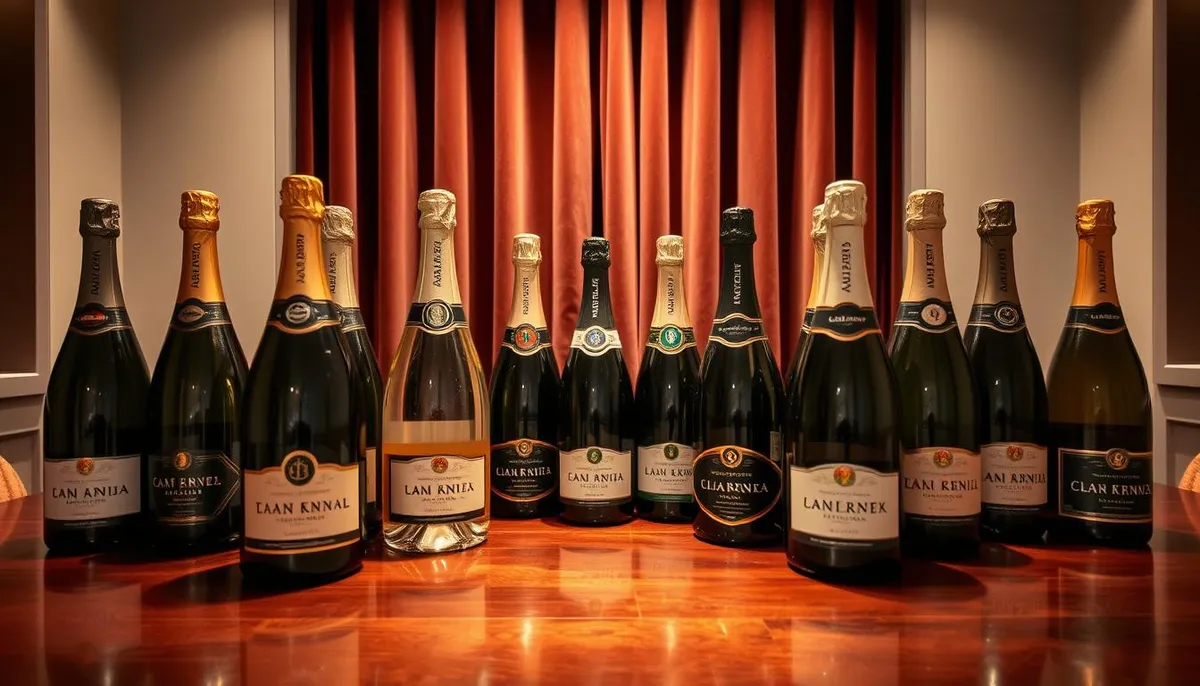
Integrating these wines into an international tasting session can be insightful. They demonstrate the impact of reserve wines, extended lees aging, and careful dosage on texture and flavor. Incorporating English sparkling wines with traditional cuvées, along with selections like new york champagne, enriches your champagne collection, making it contemporaneous, refined, and celebration-ready.
Tour, Taste, and Stay: Insider Experiences Across Champagne
Short hops by TGV from Paris bring Champagne tours within reach, positioning Reims and Épernay as perfect starting points. Anticipate an enlightening aroma education, exploration of art-infused cellars, plus hands-on rituals elevating tastings into memorable bubbly festivities.
Cellar tours with aroma education and art installations
At Veuve Clicquot, experts conduct aroma puffs, enlightening you on identifying notes of citrus, brioche, and spice. This journey through ancient chalk pits combines entry fees beginning around £29 per person with a unique blend of science and narrative.
The cavernous expanse of Pommery unveils about 11 miles underground, where art pieces and monumental reliefs illuminate beside rotating modern exhibits. With tours starting near £40 per person, visitors receive a rich blend of artistry and geological insight, enhancing their connection to the locale.
Interactive museums, sabrage sessions, and vineyard visits
Mercier offers an underground train experience that showcases intricate carved bas-reliefs over approximately 11 miles. Enhanced by audio guides and offering varied levels of vineyard and cellar exploration, tours start from about £18, augmenting the region’s craft through immersive scale.
In Épernay, Comtesse Lafond invites enthusiasts to engage in the exhilarating sabrage ceremony, complemented by tastings starting at roughly £51. Additionally, for those looking to personalize their experience, custom champagne engraving can add a unique touch to your celebration. Nearby in Ay, Pressoria presents a sensory museum exploration of climate, viticulture, and vinification, enriching Champagne discovery.
Where to stay near the vines: châteaux, manors, and boutique suites
A mere stone’s throw from Veuve Clicquot, Domaine Les Crayères showcases the epitome of manorial elegance, backed by two Michelin stars and a 1,000-label cellar. Rates for rooms begin at around £413, encapsulating the quintessential Château Champagne experience.
In Épernay, the allure of Les Suites du 33 at Champagne de Venoge lies in its chic, boutique suites Épernay, paired with tapas served in a refurbished stable bar, starting from approximately £250. Meanwhile, the regal ambiance of Hôtel Castel Jeanson in Ay, complete with a pool and parking, starts from about £110.
For exceptional value, Voirin‑Jumel in Cramant offers cozy B&B accommodations, a welcoming bar, and informative classes, with prices starting around £62. Positioned with the Avenue de Champagne recognized by UNESCO and accessible through a straightforward drive via the A26 from Calais, these lodgings are prime for fostering memorable experiences among the vineyards.
Celebratory Bubbly for Every Occasion: From Everyday Fizz to Prestige Moments
Every occasion, from the casual to the ceremonious, calls for a fitting style of bubbly. In the US, savvy consumers navigate their options. They choose affordably priced grower champagnes for everyday celebrations. For landmarks requiring splendor, they select prestigious cuvées. This strategy highlights the adaptability of champagne to life’s array of moments.
Budget-friendly grower bottles and case buys
Independent producers can offer exceptional value compared to well-known brands. Henri Goutorbe, situated in Ay, is notable for its robust, Pinot-centric cuvées. Meanwhile, Voirin-Jumel, in Cramant, is renowned for its vibrant Blanc de Blancs, characterized by its mineral intensity. Additionally, the growing trend of luxury wine export has allowed these smaller producers to reach international markets, enhancing their visibility and appeal.
For party provisioning, case discounts from reputable retailers are invaluable. A strategy mixing a mix of six or twelve will yield cost benefits. It’s wise to include a singular vintage bottle for special acknowledgments and a dependable non-vintage selection to please the masses.
Food-pairing ideas for different styles
Food pairings with champagne should enhance both the drink and the dish. For instance, the mineral zest of Blanc de Blancs perfectly complements oysters, sashimi, and citrus-flavored seafood. Its essence effortlessly slices through the salinity and richness of these foods.
Richer fare like roast chicken, mushroom risotto, and charcuterie finds its match in Blanc de Noirs. Its fuller body harmonizes with the umami and aromatic herbs present. Conversely, Rosé is ideal with duck, salmon, berry sauces, and subtle sweets, best consumed while the fruit notes are pronounced.
At brunch or receptions, a consistent Non-Vintage (NV) champagne works seamlessly with eggs, pastries, and salty provisions. Optimal serving temperatures range from 4.5–7°C. Start with flutes to maintain effervescence during cocktail hour and transition to wine glasses for dining. Preserve the champagne’s vivacity for up to two days with a snug stopper.
When to choose vintage or prestige for milestone events
Select vintage champagnes to commemorate specific years, suitable for anniversaries and reunion dinners that emphasize the significance of the date. These offerings reflect the nuances of their particular harvest and benefit from prolonged aging on the lees. In contrast, for grand celebrations—such as galas, significant birthdays, or New Year’s festivities in Times Square—a prestige cuvée, with its exquisite bubble structure, intricate aromas, and distinguished presentation, becomes the choice de rigueur. Celebratory traditions play a vital role in these moments, enhancing the joy and significance of each occasion.
A stratified selection strategy enhances an event without extensive expenditure. Begin with grower champagnes for general reception, escalate to a selection of vintages for the main gathering, and crown the celebration with a standout prestige cuvée. This approach synergizes affordability, sentimental value, and grandeur.
| Style | Representative Producers | Ideal Pairings | Best Use | Buying Tips |
|---|---|---|---|---|
| Blanc de Blancs (NV) | Voirin-Jumel, Ruinart, Pierre Peters | Oysters, sashimi, citrus seafood | Aperitif, seafood bars | Include in case buys; serve at 4.5–7°C |
| Blanc de Noirs (NV) | Henri Goutorbe, Egly-Ouriet, Bollinger | Roast poultry, mushroom risotto, charcuterie | Fall dinners, cozy gatherings | Opt for growers for value and depth |
| Rosé (NV) | Laurent-Perrier, Billecart-Salmon, Louis Roederer | Duck, salmon, berry desserts | Garden parties, bridal showers | Buy near release for fresh fruit tones |
| Vintage | Pol Roger, Moët & Chandon, Charles Heidsieck | Lobster, aged cheeses, truffled dishes | Anniversaries, year-marking dinners | Cellar a few years for added complexity |
| Prestige Cuvée | Dom Pérignon, Cristal, La Grande Dame | Caviar, scallops, refined canapés | Milestone toasts, black-tie United States occasions | Secure early; allocate one bottle per 6–8 guests |
Pro tip: At large events, employ a tiered champagne strategy—for general attendance, select budget-friendly grower champagnes, reserve vintages for distinguished guests, and dedicate a singular prestige cuvée for the pivotal moment. This method ensures a memorable experience while managing expenses effectively.
Global Access to the Finest Champagnes
Our network paves the way to the world’s most exquisite champagnes, including Veuve Clicquot and Moët & Chandon. Jane’s selection marries legendary cuvées with emerging finds. This curation ensures a champagne collection that adheres to personal taste, category, event, and financial plan.
For those curating a cellar, hosting a grand event, or selecting client gifts, our service matches premium bottles to your aspirations. We extend offerings across NV, Vintage, and Prestige collections, branching into Blanc de Blancs, Blanc de Noirs, and Rosé. Our comparison sets also highlight leading sparkling wines such as Nyetimber. Each delivery to the United States comes with necessary documentation and is ensured to be secure and temperature controlled.
Looking for Champagne? We’ve got you covered
Share your event’s mood and menu; we align bottles with the occasion. Our guidance covers optimal serving conditions, glassware, and closures, paired with recommendations to enhance each tasting. This synthesis of premier sparkling wines and adept advice promises a seamless delivery experience across the United States.
Discover the finest selections, ready to be exported anywhere in the world
Select from iconic houses or boutique growers to curate flights that explore diverse terroirs and profiles. Our curated champagne assortment supports both corporate gifting and exclusive gatherings. We facilitate a global champagne exporting service that safeguards the origin of each bottle, from Reims directly to you.
Request your personalized quote today on https://champagne-export.com
Convey your preferences in style, level, and budget to us. Jane’s champagne service will devise a personalized selection of world-class champagnes. A refined proposal, detailed shipping timeline for the United States, and reliable options for prompt global dispatch will be provided.
Conclusion
The essence of Champagne was explored from Reims to Épernay, highlighting historic cellars and the iconic cathedral. We ventured through grand cru villages like Ay, Cramant, Verzy, and Verzenay. These regions illustrate the impact of chalk, slope, and sunlight on the wine’s subtlety. They underscore the role of terroir and aging in the creation of luxurious champagne.
Barbe-Nicole Ponsardin and Louise Pommery were instrumental in shaping the champagne industry. Ponsardin introduced refined riddling techniques and pioneered vintages noted for their structure. Pommery, on the other hand, developed the brut style, paving the way for champagnes that harmonize with food. Their legacies continue to influence the production of premium sparkling wines.
Today’s champagne selection ranges from the purity of Côte des Blancs Chardonnay to the intensity of Pinot from Montagne de Reims. The crafting of rosé, through either saignée or blending, adds to this diversity. Labels such as NV, Vintage, and Prestige provide insights into the wine’s character and quality.
Proper serving enhances the champagne experience. Cooling emphasizes the wine’s texture and aromatics, while the choice of glassware allows it to fully express itself. Securing open bottles maintains their effervescence. Interestingly, England’s top producers are crafting noteworthy sparkling wines. These wines, made with traditional grapes and methods, are gaining prestige alongside prestigious champagnes.
The journey into champagne can be personalized at champagne jane. This service offers expertly selected bubbly, luxurious champagnes, and premium sparkling wines. For celebrations or refined tastes, visit https://champagne-export.com. Here, global delivery and customized quotations are available to ensure you find the perfect champagne for every memorable occasion.
FAQ
What is “Champagne Jane,” and who is it for?
“Champagne Jane” serves as an informative beacon for luxury champagne enthusiasts in the U.S. It amalgamates sophisticated travel insights, style education, and nuanced buying advice, embodying the lamborghini lifestyle. Thus, it empowers you to navigate Jane’s exquisite champagne selection. Whether your preference leans towards iconic houses or terroir-focused producers, this guide has you covered.
Why are Reims and Épernay called the twin capitals of Champagne?
Located atop extensive chalk cellars, Reims and Épernay represent the heart of Champagne’s historical and commercial vitality. Reims celebrates a royal history, housing maisons like Veuve Clicquot. Conversely, Épernay features the prestigious Avenue de Champagne, boasting extensive underground galleries. Moët & Chandon and Mercier, notable examples, are situated within a brief drive from Calais, approximately 2.5 hours.
Which grand cru villages should I prioritize for tastings?
Prioritize Ay, Cramant, Verzy, and Verzenay for unique wine-tasting experiences. Ay offers enchanting visits at Henri Goutorbe and the engaging Pressoria museum. Meanwhile, Cramant spotlights the excellence of Côte des Blancs Chardonnay at Voirin-Jumel. Moreover, Verzy and Verzenay present unparalleled opportunities to explore Pinot Noir. This grape varietal contributes significantly to the composition of many admired Blanc de Noirs and blends.
Who were Barbe-Nicole Ponsardin and Louise Pommery, and why do they matter?
Barbe-Nicole Ponsardin, known as Veuve Clicquot, revolutionized the champagne-making process by inventing riddling. This technique significantly enhanced the clarity of champagne, establishing the practice of declaring vintages. Louise Pommery introduced the world to the first brut champagne in 1874. Together, their groundbreaking efforts pioneered the modern, gastronomy-friendly style. This style remains a hallmark of today’s premier champagne offerings.
What can I expect on tours at Veuve Clicquot, Pommery, Moët & Chandon, and Mercier?
Veuve Clicquot offers an immersive tour featuring its historic chalk pits, aroma workshops, and storied stairway markers. Pommery’s tour unveils an 11-mile underground network adorned with monumental reliefs and contemporary art exhibits. Moët & Chandon invites guests to explore its extensive cellars on classic tours. Meanwhile, Mercier’s underground train journey showcases intricate bas-reliefs and the lore of its legendary giant barrel.
How do Champagne terroir and climate shape the taste?
Champagne’s distinctive terroir and climate, marked by its northern latitude, chalky and clayey soils, and cool conditions, foster a characteristic high acidity, refined effervescence, and nuanced mineral quality. The region, notably the Montagne de Reims, nestles between Reims and Épernay. It features unique attractions such as Verzenay’s lighthouse and Verzy’s treetop bar, enriching the region’s oenological and cultural allure.
What defines Blanc de Blancs, Blanc de Noirs, and Rosé?
Blanc de Blancs champagnes, produced exclusively from Chardonnay, exhibit vibrant citrus notes, a distinct chalkiness, and an evolving toasty complexity with age. Originating from prime villages like Avize, Cramant, and Le Mesnil-sur-Oger, they epitomize Côte des Blancs’ excellence. Blanc de Noirs, utilizing Pinot Noir and/or Meunier, presents a fuller body and savory layers. Its superior fruit is sourced from esteemed locales like Verzy, Verzenay, and select Aube sites. Rosés, crafted through saignée or blending with still red wine, range from the intensely berry-flavored saignée method to the paler, more delicately blended versions.
How are NV, Vintage, and Prestige Cuvée different?
Non-Vintage (NV) champagnes blend wines from different years to achieve a consistent house style, suitable for everyday celebrations. Vintage champagnes, derived solely from one harvest year, undergo extended aging to develop a more pronounced character. Prestige Cuvées represent the pinnacle of a house’s production, combining premier vineyard sources and extensive maturation periods to yield champagnes with the finest bubbles, deep complexity, and strong collectability potential.
What’s the ideal serving temperature and glassware?
Optimal champagne enjoyment requires serving at temperatures between 40–45°F. This can be achieved by refrigerating for a few hours or using an ice-water bucket for approximately 30 minutes. While flutes enhance the visual appeal and effervescence, white-wine glasses better convey the champagne’s aromatic profile. Coupes, though aesthetically pleasing, tend to diminish both aroma and fizz. Ensuring glassware is washed only with warm water further preserves the charm of the effervescence.
How long will an opened bottle stay fresh?
To maintain its integrity, an opened champagne bottle, when sealed with a quality stopper and refrigerated, offers a pleasurable drinking experience for up to 48 hours. The gradual decline in bubbles can be minimized by using glasses free of detergent residue, thereby keeping the effervescence vivacious.
Which English sparkling wines should I try alongside Champagne?
English sparkling wines crafted via the traditional méthode champenoise, such as Nyetimber Classic Cuvée, Chapel Down Brut, and Langham Estate Corallian Classic Cuvée, merit attention. Additionally, notable selections like Camel Valley Pinot Noir Brut Rosé and The Uncommon Eleanor Rosé Bubbly showcase the high quality and value these wines offer. These wines, including english sparkling wine, stand as formidable competitors to esteemed Champagne labels, worth exploring for their impressive caliber.
What are smart food pairings by style?
To complement their distinct profiles, Blanc de Blancs pairs exquisitely with oysters, sashimi, and seafood dressed in citrus. Blanc de Noirs matches wonderfully with roast chicken, mushroom risotto, and an array of charcuterie. Rosé, for its part, enhances the flavors of salmon, duck, berry-infused dishes, and light desserts, ideally enjoyed near its release to capture the peak expression of fruit.
When should I choose Vintage or Prestige Cuvée?
Opt for a Vintage champagne to commemorate a particular year with added complexity from lees aging. Prestige Cuvées, on the other hand, are suited for landmark celebrations, offering an unsurpassed elegance with refined bubbles, layered aromas, and a distinguished finish. These selections epitomize the luxurious moments that champagne is cherished for.
Are there value buys beyond the famous labels?
Indeed, grower-producers present remarkable value and quality. For instance, Voirin-Jumel in Cramant excels with its polished Chardonnay expressions. Henri Goutorbe in Ay, besides providing informative tours, offers exemplary champagnes conducive to case purchases. These options enable enthusiasts to extend their budgets without compromising on excellence.
Can I book aroma education, art-filled cellars, and sabrage?
Indeed. Veuve Clicquot offers an experiential aroma education in its cellars. Pommery integrates contemporary art within its chalk-carved galleries. Likewise, Mercier’s underground train experience is unique. Comtesse Lafond offers sabrage classes. The Pressoria museum in Ay delivers a sensory journey. These experiences highlight the diverse activities available in Champagne.
What travel logistics should I know for a first visit?
Accessing Reims or Épernay is straightforward via rail from Paris, or by road from Calais following the A26. The UNESCO-listed Avenue de Champagne is a highlight, with Moët & Chandon and Mercier offering tours. Advance booking is recommended during peak seasons to ensure availability.
Where should I stay near the vines?
For a luxurious stay, Domaine Les Crayères in Reims boasts an outstanding Champagne cellar. Les Suites du 33 at Champagne de Venoge in Épernay offers elegant accommodation. Hôtel Castel Jeanson in Ay provides a charming experience. For budget-conscious visitors, Voirin-Jumel in Cramant offers rooms with the bonus of tasting and educational opportunities.
How does “Champagne Jane” curate bottles for U.S. readers?
“Champagne Jane” strategically selects champagnes from both renowned houses—such as Veuve Clicquot and Mercier—and terroir-focused growers like Voirin-Jumel. The curation spans various styles, classifications, and occasions, always with an emphasis on enhancing the consumer experience through expert service advice.
Do you offer export support and personalized quotes?
Yes. For an exclusive champagne selection and bespoke quotes for global delivery, visit https://champagne-export.com. Provide your style preferences, budget, and interest in curated comparison sets. These may include exceptional English sparkling wines like Nyetimber or Chapel Down.
What makes Champagne a reliable choice for celebrations?
The enduring tradition of champagne craftsmanship, from the development of riddling to the introduction of brut, ensures a consistent quality of finesse and freshness. Whether the occasion calls for a distinguished sparkling wine or a distinguished Champagne, its characteristic fine bubbles and lively acidity are guaranteed to elevate any celebration.
How do I build a balanced home selection?
Assemble a diverse home collection by including: an all-purpose NV for light gatherings, a mineral-rich Blanc de Blancs for seafood courses, a Pinot-forward Blanc de Noirs for heavier meals, a lively Rosé for versatile charm, and a Prestige Cuvée for celebrating significant moments. Augmenting this range with English sparkling wines offers both a global perspective and remarkable value.
Is there a quick checklist for perfect service at home?
True enjoyment stems from simple steps: Chill your champagne to the optimal temperature, open it carefully to preserve its integrity, pour into pristine, non-detergent cleaned glasses. Choose the glass type based on preference for visual appeal or aromatic enhancement. For leftovers, seal with a stopper and refrigerate to extend the champagne’s lively character for approximately 48 hours.