Discover the three core grapes that define the world’s most celebrated sparkling wine. This short guide explains how Chardonnay, Pinot Noir, and Meunier shape style, texture, and aroma.
The Champagne region permits nine authorized plantings under AOC rules, but these three remain central to classic production. Understanding each variety helps you taste differences and spot winemaking choices.
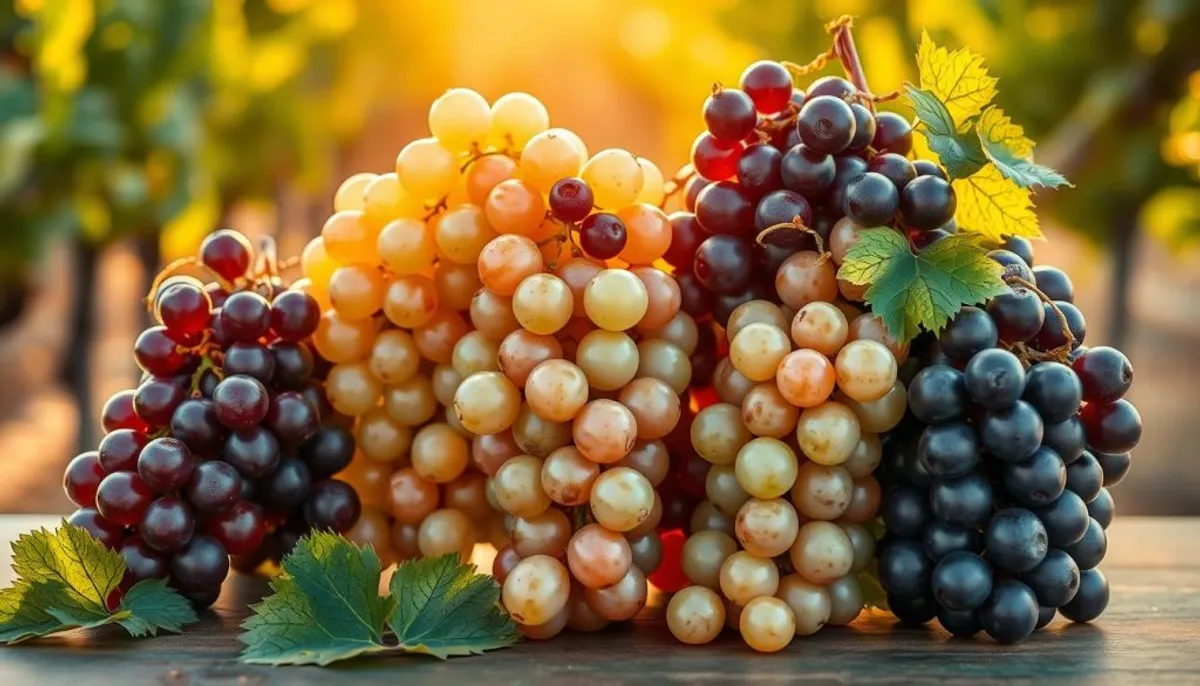
From chalky soils to cool climate, every grape contributes a distinct voice in the bottle. Production methods like lees aging add depth, yet the fruit’s character sets the foundation.
Whether you are a novice or a collector, this overview prepares you to read labels, compare styles, and enjoy wines with more confidence.
Key Takeaways
- The three main grapes—Chardonnay, Pinot Noir, Meunier—drive classic Champagne style.
- The AOC allows nine authorized plantings, though the trio is most influential.
- Soil and climate shape flavor; production fine-tunes it.
- Knowing grape roles helps you judge quality and style quickly.
- This guide aims to make sparkling wine more approachable for U.S. readers.
Understanding the Foundation of Champagne Grape Varieties
Eighty-four thousand acres in the region are managed under AOC law, and those rules shape what is planted and why.
The AOC set strict limits in 1938, which still influence which grape varieties are permitted. The grand cru classification allows a few older plantings to remain, so not every plot looks the same.
Traditionally, how champagne is made emphasized method over material. Today many producers spotlight the grape varieties used and the unique story of each vineyard.
Why this matters: careful vineyard management keeps quality high across miles of vines. The choices growers make affect aroma, texture, and balance in the final wines.
- 84,000 acres under AOC stewardship.
- Nine permitted types, with the three main often in focus.
- Modern producers increasingly highlight single-vineyard character.
| Aspect | What it means | Impact on wine |
|---|---|---|
| AOC rules | Limits on planting and process | Consistency and regional identity |
| Vineyard scale | 84,000 acres managed | Wide range of soil and microclimates |
| Producer trends | Focus on single plots and specific grapes | More distinct, terroir-driven wines |
The Noble Trio: Chardonnay, Pinot Noir, and Meunier
From chalky hills to clay valleys, a trio of vines shapes the region’s signature styles. Each brings a clear role in aroma, body, and balance that winemakers use to craft diverse wines.
Chardonnay: The White Grape of Elegance
Chardonnay dominates the Côte des Blancs, making up nearly 98% of plantings there. It gives blanc blancs crisp citrus aromas and bright acidity on the palate.
Pinot Noir: Structure and Depth
Pinot Noir is the region’s most widely planted vine, covering about 13,000 ha. It supplies backbone and body, and pairs with Chardonnay for powerful, balanced blends.
Meunier: Fruitiness and Roundness
Meunier thrives on Vallée de la Marne’s clay soils, adding fruit-forward notes and a soft, rounded midpalate. Together, these three account for roughly 99% of local plantings.
- Pinot Noir has been cultivated here since 1345 and adds structure to premium blends.
- Chardonnay defines the blanc blancs style with citrus-driven freshness.
- Meunier brings fruit and honey-nut notes over time, ideal for rosé and early-drinking styles.
Exploring the Rare and Heirloom Varieties
A handful of nearly lost vines survives in the region, and they bring surprising character to select bottlings.
Heirloom plantings such as Arbanne and Petit Meslier account for roughly 1% of total plantings. These small plots help preserve genetic diversity and add subtle complexity to blends.
Many of these names were nearly wiped out after phylloxera. Today growers keep tiny rows to retain unique aromas and tasting notes. Small inclusions can lift a cuvée above the standard blanc blancs style.
- Pinot Blanc, Pinot Gris, and petit meslier are conserved for balance and character.
- New entries like the Voltis hybrid (authorized 2022–2033) aim to improve disease resistance and sustainability.
- Chardonnay Rose, recognized in July 2025, shows the ongoing evolution of the vineyards.
Preserving these rare grapes ensures the future of champagnes stays rooted in history. Growers now experiment with small lots to make distinctive wines that honor the past and push the three main traditions in fresh directions, including various champagne pricing tiers that cater to different markets.
The Influence of Terroir on Grape Expression
Soil, slope, and sun shape how each vine speaks in the bottle. The Côte des Blancs’ chalk gives Chardonnay a fine mineral lift and crisp citrus-driven acidity that defines many blanc blancs.
By contrast, the Montagne de Reims puts Pinot Noir on warmer slopes so it gains body and structure. The same name in the Aube or Marne can show a lighter frame and more fruit.
Clay soils in the Vallée de la Marne promote roundness and early ripeness. That softness helps rosé styles and supports varieties like pinot gris and petit meslier when microclimates suit them.
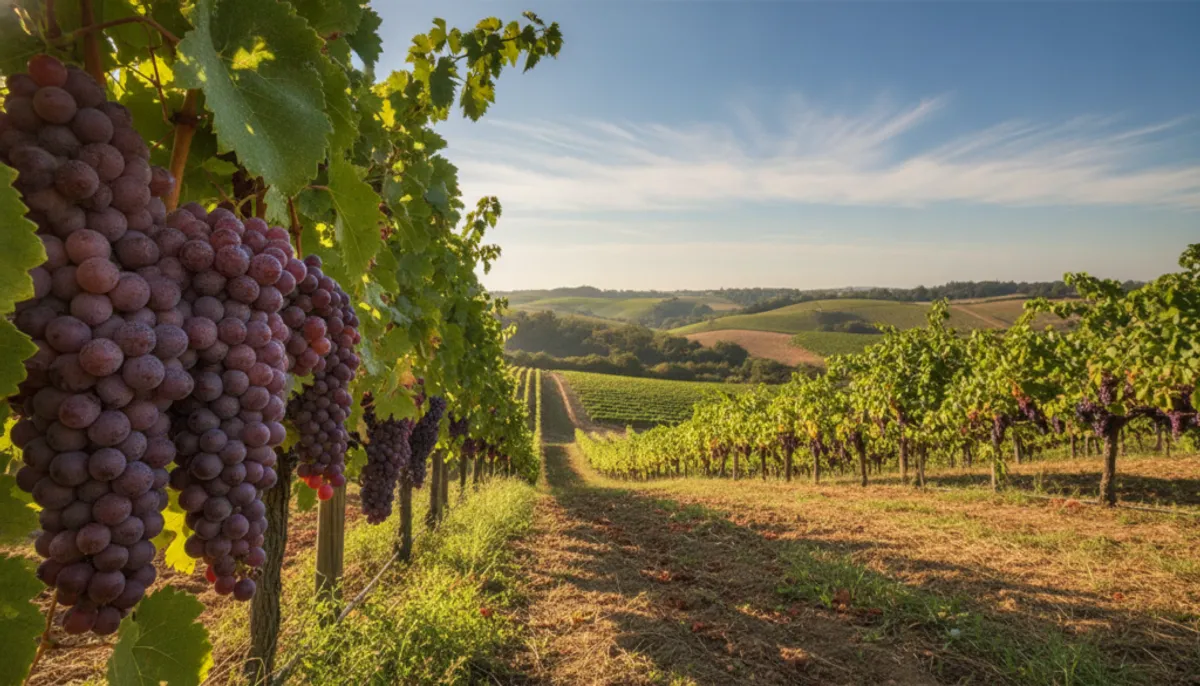
Winemakers match plots to goals: they pair pinot noir chardonnay for backbone and elegance, or rely on specific soils to lift acidity and citrus notes for long-lived champagnes.
- Terroir dictates taste: mineral notes, acidity, and fruit combine to shape the final palate.
- Site selection matters: warm sites add body; chalk brings purity; clay gives roundness.
- Rare vines: pinot gris and petit meslier need exact microclimates to express unique characteristics.
| Soil | Typical effect | Best match |
|---|---|---|
| Chalk (Côte des Blancs) | High minerality, bright acidity | Chardonnay, blanc blancs |
| Clay (Marne) | Round body, early ripeness | Meunier, rosé styles |
| Sheltered slopes (Montagne de Reims) | Richer structure, fuller body | Pinot Noir |
Climate Change and the Future of Viticulture
Across the vineyards, earlier ripening is prompting practical changes in harvest timing and cellar work.
Rising temperatures have moved harvest dates forward and raised natural alcohol in the fruit. Producers now trim sugar dosage to keep dry, delicate wines with bright acidity.
Adapting Harvest and Sugar Levels
Growers adjust picking windows to manage sugar and preserve acid levels. Early picking reduces alcohol but can stress balance if done too soon.
Pinot noir is vulnerable to spring frost, which complicates timing and increases risk for certain plantings.
The Introduction of Experimental Hybrids
The Comité Champagne funds trials of experimental hybrids to boost disease resistance and resilience. Researchers test how different grape varieties respond to heat stress.
Long-term viability depends on innovation that respects the classic character of the vines and the region.
| Issue | Effect on fruit | Producer response |
|---|---|---|
| Earlier ripening | Higher sugars, lower acidity | Shift harvest earlier; reduce dosage in cellar |
| Spring frost (pinot noir) | Crop loss, uneven ripeness | Frost protection, site selection |
| Heat stress | Altered aromas, faster maturity | Trial hybrids; monitor grape variety resilience |
| Sustainability pressure | Need for durable plantings | Research, cover crops, water management |
Key point: sustainable practices and smart cellar choices, including optimal champagne cellar conditions, aim to protect the style and history of this celebrated champagne region while keeping vineyards productive for future generations.
Exporting Exquisite Champagne Selections
Exporting top-tier selections requires deep knowledge of the region’s producers and production methods. Our team pairs that expertise with a global logistics network to deliver rare bottles right to your cellar, including a variety of champagne brands for corporate gifts.
Looking for Champagne? We’ve got you covered. Discover rare blanc blancs and bold Pinot Noir cuvées, all ready for international export.
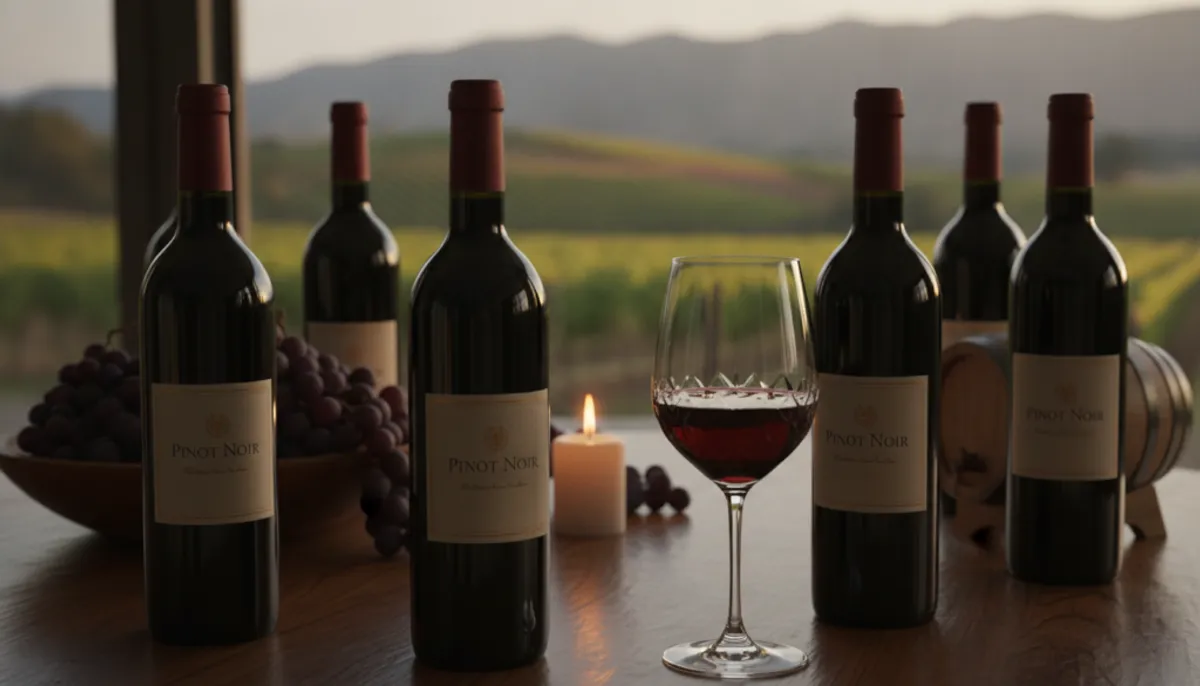
We guide U.S. collectors and retailers through sourcing, customs, and shipping so your order arrives in peak condition. Tell us the vintage or blend you need and we’ll handle the rest.
- Curated selection: classic blanc blancs to robust Pinot Noir expressions.
- Personalized service: tailored recommendations based on how these wines are made and aged.
- Global reach: seamless export for single bottles or full-case orders.
| Service | Benefit | Ideal for |
|---|---|---|
| Curated sourcing | Access to rare vintages and single-vineyard cuvées | Collectors, restaurants |
| Logistics & customs | Safe, compliant international delivery | Retailers, importers |
| Consultation | Match taste and budget to the right bottle | Private buyers |
Request your personalized quote today at https://champagne-export.com and let us connect you with world-class bottles. Whether you need a single vintage or a hard-to-find blend, our platform makes acquisition simple and reliable.
Conclusion
Knowing each vine’s role makes tasting and buying much more rewarding. This guide showed how the three main grapes—Chardonnay, Pinot Noir, and Pinot Meunier—shape style, structure, and aromas in classic bottles.
We also looked at biodiversity, from Pinot Blanc to Petit Meslier and Pinot Gris, and why those inclusions lift complexity. Terroir and changing climate both affect taste and long-term characteristics.
Explore the selections we offer to bring the region’s rosé and blanc blancs to your table. Request a personalized quote and discover how tradition and innovation keep these sparkling wines varied and compelling.