Looking for Champagne? We’ve got you covered. Our team curates an exclusive selection of high-quality bottles from the Champagne region. Each label meets strict standards so collectors and businesses in the United States can trust what they order.
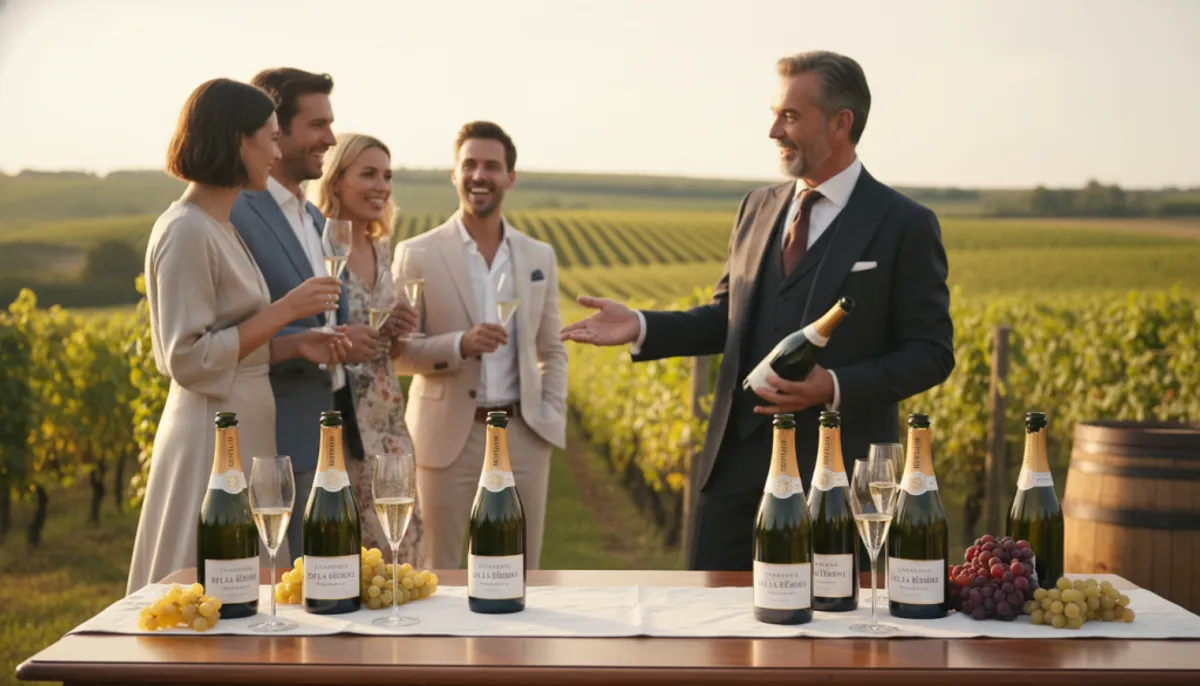
We handle global export and smooth logistics so your order arrives anywhere in the world without the usual delays. Request a personalized quote at https://champagne-export.com to start a simple, guided process.
Our promise: professional service, authentic bottles, and clear guidance for building or expanding a private cellar. Contact us to get tailored pricing and shipping options today.
Key Takeaways
- We offer an expert-curated selection of top Champagne labels for U.S. buyers.
- Global export and streamlined shipping remove logistical hurdles.
- Request a personalized quote at https://champagne-export.com to begin.
- Professional support helps you source authentic bottles for collections.
- Clear pricing and tailored shipping make ordering straightforward.
Understanding the World of Champagne
Careful blending and local grape choices have steered this wine region for generations. The story begins in chalky soils where growers craft base wines from three main grape varieties. These choices shape flavor, texture, and aging potential.
The History of the Region
The history centers on Chardonnay, Pinot Noir, and Meunier. Houses mixed these grapes to balance acidity and fruit. Over the years, producers could use a large number of base wines—sometimes as many as 100—to keep consistency from year to year. Additionally, many collectors are interested in cuvee champagne brands that showcase unique blends and styles.
Modern Trends
Today the region embraces diverse styles. Blanc blancs bottlings use 100% Chardonnay, while adding pinot noir brings backbone for longer aging. Meunier adds floral fruit and makes wines approachable when young.
Producers now craft a wider range of wines champagne to meet global tastes. With careful blending, the region continues to evolve while honoring its past.
Why Choose a Premier Cru Champagne Supplier
Careful handling preserves flavor and value. A professional partner stores bottles at the right temperature and humidity. This safeguards the quality of each wine you buy.
Over the years, we built direct ties with top producers. That access means rare bottles and better provenance. You get a wider selection of wines and authentic champagnes kept in ideal conditions.
A focused provider also helps match bottle to palate. Tell us if you prefer crisp or richer notes and we’ll suggest the right style. Buying through a trusted channel reduces risk and ensures every champagne arrives ready to enjoy.
- Verified storage and careful handling for each wine.
- Access to higher-end champagnes and hard-to-find bottles.
- Proven provenance and condition guarantees on delivery.
| Feature | Commercial Brands | Dedicated Partner |
|---|---|---|
| Storage | Standard warehouse | Temperature- and humidity-controlled cellars |
| Provenance | Limited traceability | Direct sourcing from producers |
| Selection | Common labels | Rare wines and special champagnes |
Decoding the Classification System
Not all plots are equal. The classification here is tied to the exact village where grapes are grown. This single fact sets the region apart and guides both collectors and buyers in the United States.
Grand Cru Villages
The top tier includes 17 grand cru villages. Names like Ambonnay, Avize, and Ay represent the highest level of vineyard quality.
Premier Cru Villages
Below the top tier are more than 43 premier cru villages. These villages offer outstanding sites that produce refined, complex wines.
- Village-based rating: Classification is based on the village, not the house—this affects the final wine.
- 17 grand cru villages: Represent the pinnacle of quality for collectors and serious buyers.
- 43+ premier cru villages: Provide excellent vineyard sites for elegant wines.
- Why it matters: Location of the vineyard directly influences flavor, texture, and aging potential.
Our expertise helps you navigate these villages and find the best value from the most prestigious vineyard sites. Understanding this system, along with comprehensive champagne market analysis, makes buying smarter and more rewarding.
The Difference Between Grower and Grande Marque
Small estate producers often craft wines that tell the story of a single vineyard. A grower makes wine from grapes grown on their land and may buy no more than 5% from outside sources. This approach yields a more singular expression of terroir and character.
The Rise of Grower Champagne
Grower champagne has gained attention for its artisanal style and authenticity. Unlike large houses, which often blend fruit from many growers to keep a consistent house profile, a grower concentrates on estate-driven flavors.
- A grower producer focuses on estate fruit and a unique local voice in each bottle.
- Houses like Louis Roederer buy across the region to maintain consistent non-vintage wines.
- The movement elevates small, family-run producers and rewards buyers seeking distinct wines.
| Type | Source | Typical Goal |
|---|---|---|
| Grower | Estate fruit (≤5% purchased) | Single-site expression |
| Grande Marque | Multiple growers | Consistent house style |
Exploring Grape Varieties and Terroir
Soil and slope shape every bottle we select. Chardonnay thrives on east-facing, chalky slopes, giving length and backbone to the wine. Pinot noir prefers north-facing sites for bright acidity and a biscuity edge.
The Cote des Blancs shares terroir traits with Burgundy’s Cote de Beaune, which helps explain its finesse in blanc blancs bottlings. Studying grape varieties shows how tiny site differences create big flavor shifts.
The Rise of Grower Champagne
Grower producers honor the vineyard and the soil. They often highlight single-vineyard expressions that reveal local terroirs.
- Soil matters: Chalk and clay influence drainage, minerality, and ripeness.
- Grape roles: Chardonnay delivers length; pinot noir brings structure and biscuit notes.
- Our selection: Includes blanc blancs from top grand cru sites to showcase terroir purity.
| Feature | Chardonnay Sites | Pinot Noir Sites |
|---|---|---|
| Typical Aspect | East-facing slopes | North-facing slopes |
| Soil | Chalky, similar to Cote de Beaune | Clay and limestone pockets for structure |
| Style in Wine | Length, minerality, clean citrus | Acidity, biscuity notes, backbone |
The Art of the Méthode Champenoise
Bubbles form the old-fashioned way: a second fermentation inside the very bottle you pour from. This is the core of the méthode and it yields the fine mousse and pressure that define the style.
During fermentation, yeast consumes sugar and creates carbon dioxide, which dissolves into the wine. The pressure inside the bottle can reach three to four times that of a car tire.
After fermentation, bottles age for a minimum of 18 months. Many exceptional bottles rest for over 10 years to build aroma and depth.
- The traditional Méthode Champenoise is labor-intensive and requires in-bottle fermentation.
- Over time, the wine gains complex aromatics and texture as lees break down.
- We only source wines made by producers who follow this strict method and aging practice.
| Step | What Happens | Typical Time |
|---|---|---|
| Secondary Fermentation | Yeast converts sugar to CO2 in the bottle | Weeks |
| Lees Aging | Autolysis adds flavor and creaminess | 18 months – 10+ years |
| Riddling & Disgorging | Remove lees and prepare final wine | Days to weeks |
Understanding Dosage and Sweetness Levels
Winemakers fine-tune sweetness at the end to balance bright acidity and fruit notes. Dosage is the last action before sealing, and it shapes how a bottle will present on the table.
Balancing Acidity and Fruit
Dosage is the final step where a small amount of sugar is added to balance the acidity of the grapes. Producers adjust this level to either highlight fruit or soften the finish.
Warmer vintages have let many producers lower dosage because ripe grapes bring natural balance. This change highlights terroir and fresh fruit expression rather than sweetness.
Careful blending of base wines ensures each bottle keeps a harmonious profile no matter the sugar level. We list dosage details for our wines so you can pick the right bottle for your palate.
| Dosage Level | Sugar (g/L) | Typical Use |
|---|---|---|
| Brut Nature | 0–3 | Highlight grape purity and minerality |
| Brut | 0–12 | Balanced acidity with fruit expression |
| Demi-Sec | 32–50+ | Richer, dessert-friendly style |
- Tip: Check dosage on the label to match the wine to food and occasion.
The Significance of Vintage Versus Non-Vintage
Choosing a vintage or non-vintage bottle depends on whether you value a single-season expression or a steady house profile.
A vintage release is the clear fact that all grapes in that bottle came from the same harvest year. Such bottles capture the character of that season and often reflect unique weather patterns.
Non-vintage wines blend grapes from multiple years to preserve a consistent style. Skilled blending can add complexity and dependable flavor while keeping prices accessible.
Many collectors seek specific vintages because those years can show exceptional ripeness or distinction. Vintage bottles may command a premium for that reason.
- Vintage: single harvest, marked by one year on the label.
- Non-vintage: blended across vintages to maintain house character.
- We offer a wide range of both vintage and non-vintage options, including a curated retail champagne selection, so you can pick the right bottle for any occasion.
Identifying Quality Through Producer Labels
A close look at the label often reveals more about a bottle than its packaging.
The producer name is the most important element to read. It tells you who made the wine and the approach behind it.
A high-quality producer will state classification and origin clearly on the label. This makes it easier to verify authenticity and evaluate the bottle before you buy.
Whether you prefer a small grower or a large house, the producer name guides your expectations for style and aging. Checking that name helps you match a bottle to taste and occasion.
- Read the label: confirm the producer name and classification.
- Verify authenticity: clear markings signal proper documentation.
- Understand philosophy: the label often explains winemaking choices.
We work with a trusted restaurant wine supplier who meets strict quality standards. That careful curation makes our selection reliable for collectors and businesses in the United States.
Exploring Perpetual Reserve Methods
Some growers curate a single archive of reserve wines to enrich future releases. This method keeps selected lots aside in vessels that age slowly. The result is a steady pool that a grower can draw from when blending new bottles.
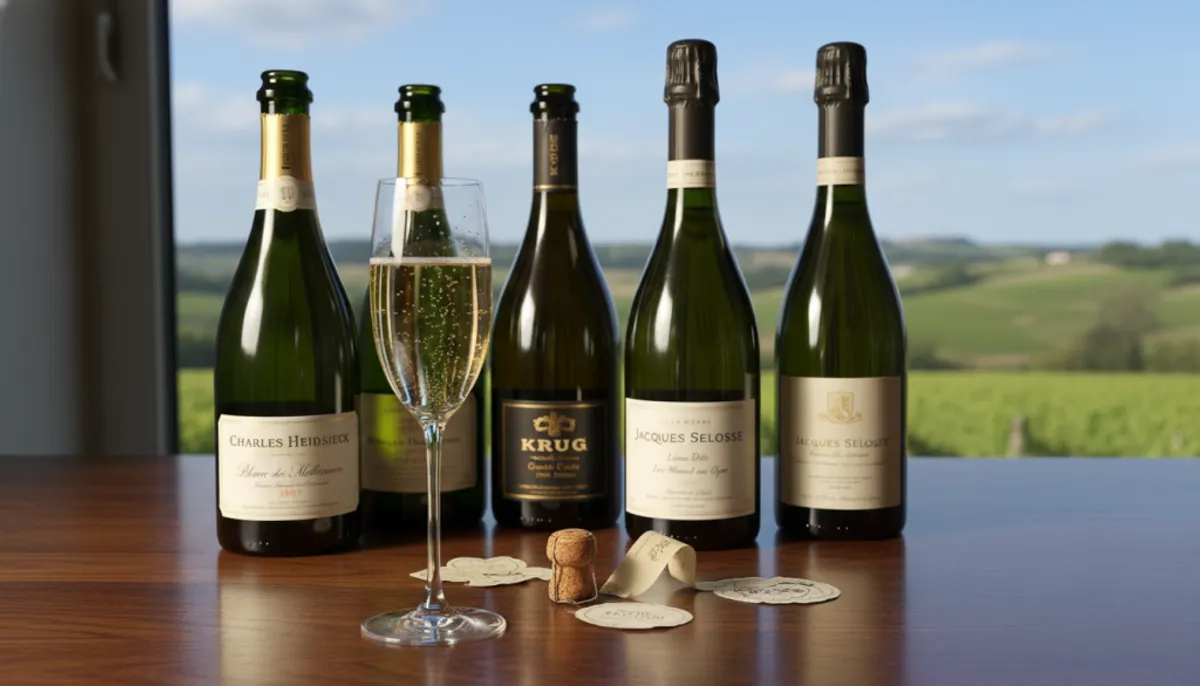
The perpetual reserve method allows for the mixing of different years and gives champagnes deep, nutty aromatics. Producers who use it achieve richness and consistency without flattening complexity.
Each finished bottle often shows layered flavors from older wine. Many bottles show toasted, mature notes that come from careful age and thoughtful blending.
We proudly offer champagnes made with this system. They highlight the skill of the grower and the long view of winemaking.
- Preserves character across vintages
- Adds savory depth and texture
- Supports consistent house style while keeping nuance
Matching Your Palate to Champagne Styles
Find the style that fits your table—from bright, mineral blanc blancs to bold, pinot noir-led blends. Start by picking textures and aromas you enjoy. That makes choosing bottles faster and more fun.
Delicate and Mineral
Blanc blancs from top grand cru villages show sharp minerality and lemon zest. These wines are lean, fresh, and great with seafood or light starters.
Fresh and Zesty
Wines with bright acidity bring citrus, green apple, and floral notes. If you like the zesty profile of Veuve Clicquot, look for similar non-vintage blends from known houses.
Rich and Opulent
Pinot noir-forward bottles deliver weight, toast, and depth. These fuller styles pair well with roasted meats and aged cheeses.
Tip: Each village offers a unique expression of terroir and grape varieties. Use the producer name and style notes to match a bottle to your preferences.
- Delicate: blanc blancs, minerality, seafood-friendly.
- Fresh: zesty blends, bright acidity, aperitif choices.
- Rich: pinot noir power, savory dishes, bottle age.
| Style | Typical Profile | Suggested Pairing |
|---|---|---|
| Delicate (Blanc de Blancs) | Mineral, citrus, high acidity | Oysters, light fish, sushi |
| Fresh & Zesty | Bright fruit, floral lift, clean finish | Aperitif, salads, light poultry |
| Rich & Opulent | Toasty, ripe fruit, fuller body | Roast pork, aged cheese, game |
Evaluating Cellaring Potential
A well-planned cellar turns excellent bottles into richer, more nuanced experiences over time. The cellaring potential of a wine rests largely on its quality and origin.
Top sites such as grand cru and premier cru often deliver structure that benefits from long aging. These bottles can improve noticeably over many years, developing savory and tertiary notes.
A true vintage release is intended to evolve. Hold one for the right span and it will gain depth and complexity. We give clear guidance on the aging timeline so you know when to open prized bottles.
- Assess producer reputation and bottle condition before storing.
- Store at stable temperature and humidity to protect aging potential.
- Invest in high-quality bottles to build a cellar that rewards patience.
| Factor | Short-term (1–5 years) | Medium-term (5–15 years) | Long-term (15+ years) |
|---|---|---|---|
| Grand Cru | Often young, bright | Develops complexity | Shows deep tertiary notes |
| Premier Cru | Approachable early | Gains length and depth | Offers notable maturity |
| Vintage | Distinct year character | Peaks in complexity | Can remain vibrant for decades |
Sustainable Farming and Vineyard Practices
When growers focus on soil health, the grape shows true character in the glass.
In 2003 the Bérêche estate stopped all chemical herbicides and returned to manual work. Ten full-time employees now tend nine hectares, so each vineyard parcel gets hands-on care.
Sustainable farming is a priority for every producer we work with. Healthy soil and careful tending help grapes ripen evenly and express local terroirs.
- Manual vineyard work lets growers shape how each grape variety performs and protects delicate terroir.
- We support producers who have moved away from herbicides because grapes become more vibrant every year.
- The dedication in the vineyard shows in the bottle; each grape reflects the care and time invested.
Our commitment favors growers who manage vineyards for long-term environmental health and quality. That focus benefits the soil, the grape, and the final wine.
Navigating Global Export Options
Global shipping of delicate wines relies on experienced handlers and precise timing. We guide every step so bottles from the region reach collectors and businesses across the world.
We work with both large champagne houses and smaller producers to secure proper documentation and transport. Our team has relationships with well-known names like louis roederer and with independent grower estates. Additionally, we navigate the complexities of import duties vietnam to ensure a smooth shipping process.
Each producer follows its own packing and provenance rules. We coordinate with houses and growers in multiple villages to ensure climate-controlled transit and customs clearance.
- Customs & paperwork: handled for import into the United States.
- Climate control: maintained from cellar to delivery.
- Tracking: real-time updates for private collectors and commercial clients.
| Service | Private Collection | Commercial Order |
|---|---|---|
| Origin | Single producer or grower | Multiple houses or producers |
| Handling | Small-batch, bespoke packing | Bulk shipping with quality checks |
| Delivery | Doorstep, insured | Warehouse or retail network |
Requesting Your Personalized Quote
Begin with a custom quote so we can match your taste and logistics needs precisely.
Looking for Champagne? We’ve got you covered. Discover the finest selection, ready to be exported anywhere in the world.
Request your personalized quote today on https://champagne-export.com. Our team will review your preferences and prepare clear pricing and transit options.
- Easily request a quote on our official site to start your order.
- Get help choosing bottles that match flavor, food pairings, and budget.
- Receive transparent pricing, insurance options, and delivery timelines.
- Provide special requests and we’ll recommend wines from current stock.
- Contact us to receive a tailored quote and fast support for U.S. delivery.
| Step | What We Provide | Typical Time |
|---|---|---|
| Request | Personalized quote and item list | 24–48 hours |
| Confirmation | Price, packing, and export details | 1–3 business days |
| Delivery | Climate-controlled shipping to the U.S. | 7–21 days (varies by location) |
Ready to start? Visit https://champagne-export.com to request your quote and let us arrange every detail.
Conclusion
The right bottle does more than taste good — it tells a story of soil, climate, and care. Selecting the right wine is a rewarding step that connects you to that long tradition.
We hope this guide gave you the key facts to make an informed choice. If you seek something special, our team can match style and serving ideas to your needs.
Our commitment to quality means every bottle meets high standards before it leaves our cellars. Whether you are a collector or a new enthusiast, we are here to help you find the perfect champagne for any occasion.
Thank you for choosing us as your partner in exploring fine sparkling wines and exceptional vineyard craftsmanship.