Looking for sparkling selections? We make global wine export simple and clear. This brief guide explained the key differences between packaging options so you could choose the best fit for your shipments.
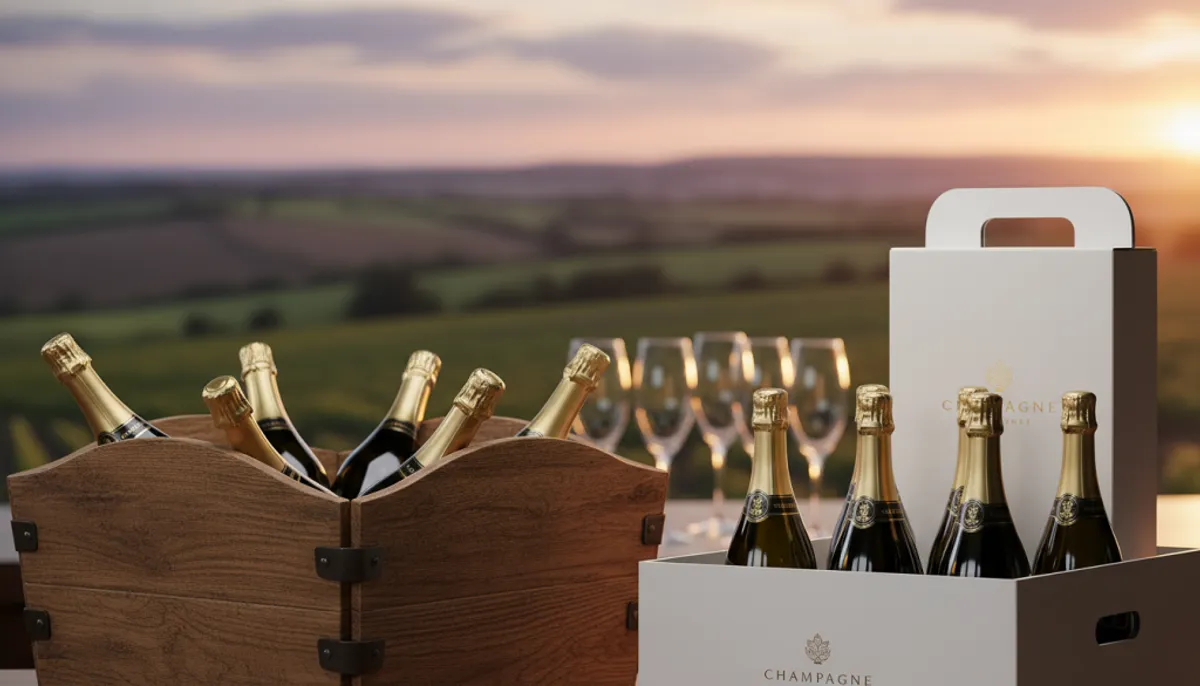
The right container protects bottles during long transit. Understanding the terms helped buyers place a confident order and avoid surprises.
Our team focused on safety, presentation, and compliance for deliveries around the world. We matched packing choices to shipment size and route so fragile contents arrived in prime condition.
Want a tailored plan? Request your personalized quote today at https://champagne-export.com to start procurement and export logistics with expert support.
Key Takeaways
- Learn packaging terms to protect bottles during export.
- Choose the option that fits shipment size and transport type.
- Proper packing reduces breakage and customs delays.
- Our team ensured each shipment met safety and presentation standards.
- Request a personalized quote at https://champagne-export.com to begin.
Understanding the Champagne Crate vs Case Distinction
How you pack wines determines damage risk, weight limits, and storage efficiency during export.
Defining the Physical Differences
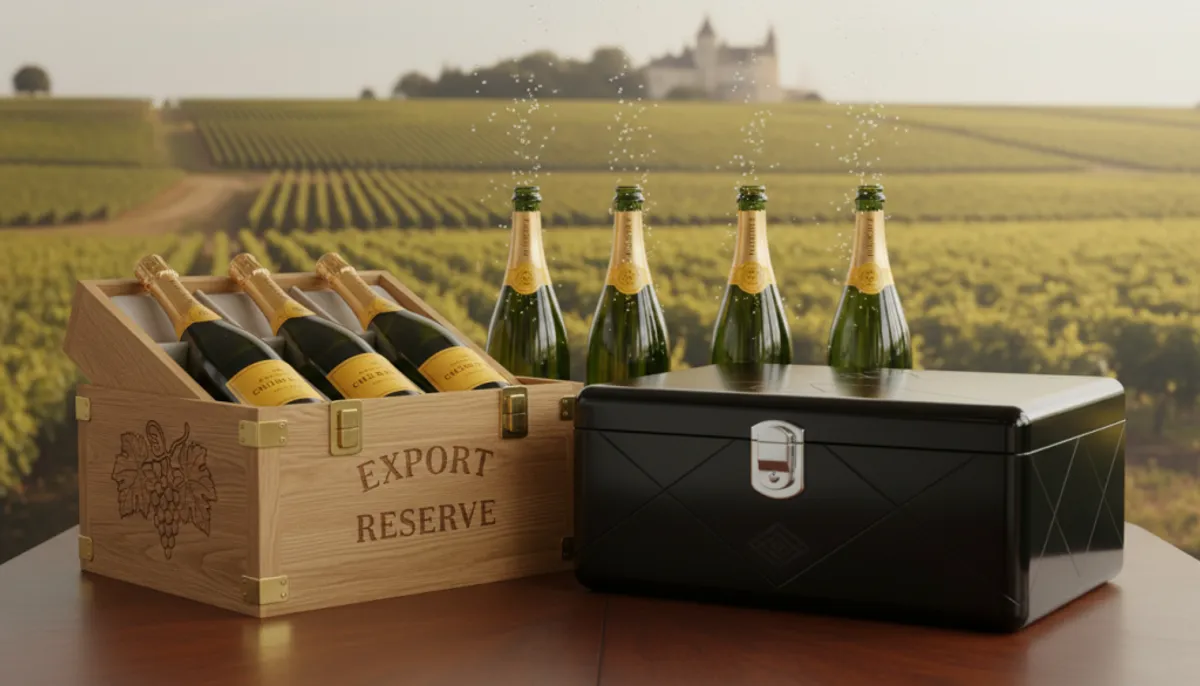
Experienced exporters with over 12 years in the trade often spot clear design cues. A typical rectangular unit holds twelve 75cl bottles and balances weight across the pallet.
Wooden cases are prized for durability. Many collectors favor these units because they protect each bottle with solid dividers and rigid walls.
Choosing the Right Format for Your Needs
Think about handling and storage. A six-bottle box usually weighs about 9kg, making it easier to move than an 18kg case that holds more bottles.
Smaller containers let you offer more variety in the same space. Larger units cut packing time and may lower per-bottle freight costs.
- Portability: smaller boxes reduce manual effort.
- Durability: wooden cases give superior structural support.
- Capacity: twelve-bottle units maximize pallet efficiency.
| Format | Bottles | Approx. weight |
|---|---|---|
| Small box | 6 | ~9kg |
| Standard unit | 12 | ~18kg |
The Evolution of Packaging Standards in the Wine Trade
Packaging trends have shifted steadily since the 1980s, reshaping how producers ship each bottle.
City restaurants needed less bulky units, so the trade moved from twelve-bottle packs toward six-bottle formats to save storage space and handling time.
Over time, some estates adopted single-bottle wooden presentation boxes for their rare releases. These protect value and boost perceived quality.
A well-known lesson from 1982 involved a mislabeled lot of Le Pin. That event reminded collectors to verify that historical crates match era standards before buying.
- Smaller packs ease transport and lower worker strain.
- Cardboard and wooden cases balance cost and protection.
- Regional habits, like Burgundy’s preference for twelve units, still shape supply.
| Era | Bottles per unit | Primary benefit |
|---|---|---|
| 1980s | 12 | Max pallet efficiency |
| Modern small | 6 | Storage and handling ease |
| Luxury single | 1 | Presentation and archival protection |
Why Premium Packaging Matters for Global Export
Export-ready containers bridge winery tradition with modern transport demands. Premium packing does more than fill space. It protects fragile goods and projects a brand’s story at first glance.
Protection During Transit
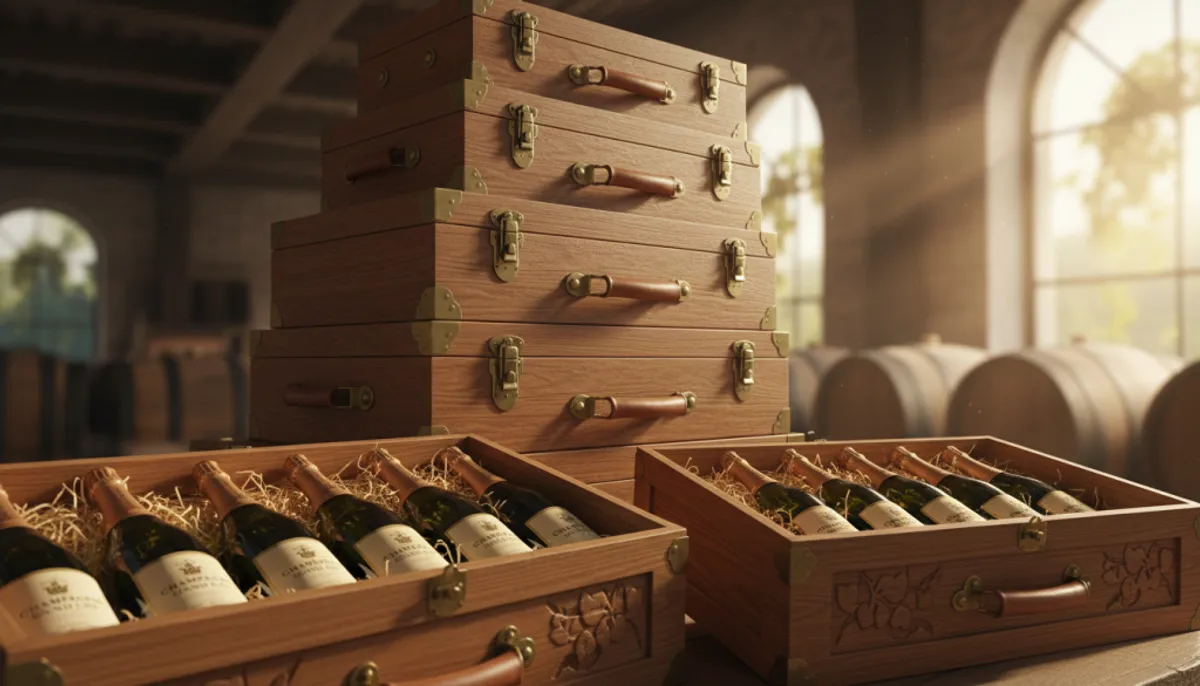
Sturdy designs from Lozère (48) keep bottles secure against shocks and temperature swings across the world. Durable crates and wooden cases cut breakage and loss.
Using maritime pine or quality plywood helps meet dimensional rules and reduce transit damage.
Enhancing Brand Identity
A refined box becomes part of the customer experience. Well-made cases signal heritage and high quality before the bottle is opened.
Presentation packaging raises perceived value and improves shelf impact in the U.S. market.
Customization Options for Luxury Presentation
Laser engraving, hot stamping, or bespoke inserts transform plain packaging into a luxury piece. Customization saves time during packing and creates a memorable unboxing.
- Benefits: less breakage, better presentation, easier handling.
- Materials: maritime pine, plywood, reinforced board.
- Outcome: preserved bottles and stronger brand recall.
| Material | Origin | Main benefit |
|---|---|---|
| Maritime pine | Lozère (48) | Shock resistance |
| Plywood | Regional mills | Dimensional strength |
| Reinforced board | Local suppliers | Lightweight protection |
Conclusion: Securing Your Champagne Export Needs
Smart packaging choices cut loss and boost brand impact during export. Understanding wholesale champagne pricing can help you pick the right case to protect bottles and present your product with confidence.
Looking for Champagne? We’ve got you covered with our network of moroccan champagne suppliers. Whether you need a custom wooden box for gifting or a bulk order for export, our solutions match your goals.
- Logistics: understanding format differences improves handling and storage.
- Protection: a sturdy case reduces breakage and delays.
- Presentation: a tailored box elevates brand perception.
Call our team at 518-475-8625 or visit https://champagne-export.com to request your personalized quote today. Secure packaging is the cornerstone of a successful export from cellar to client.