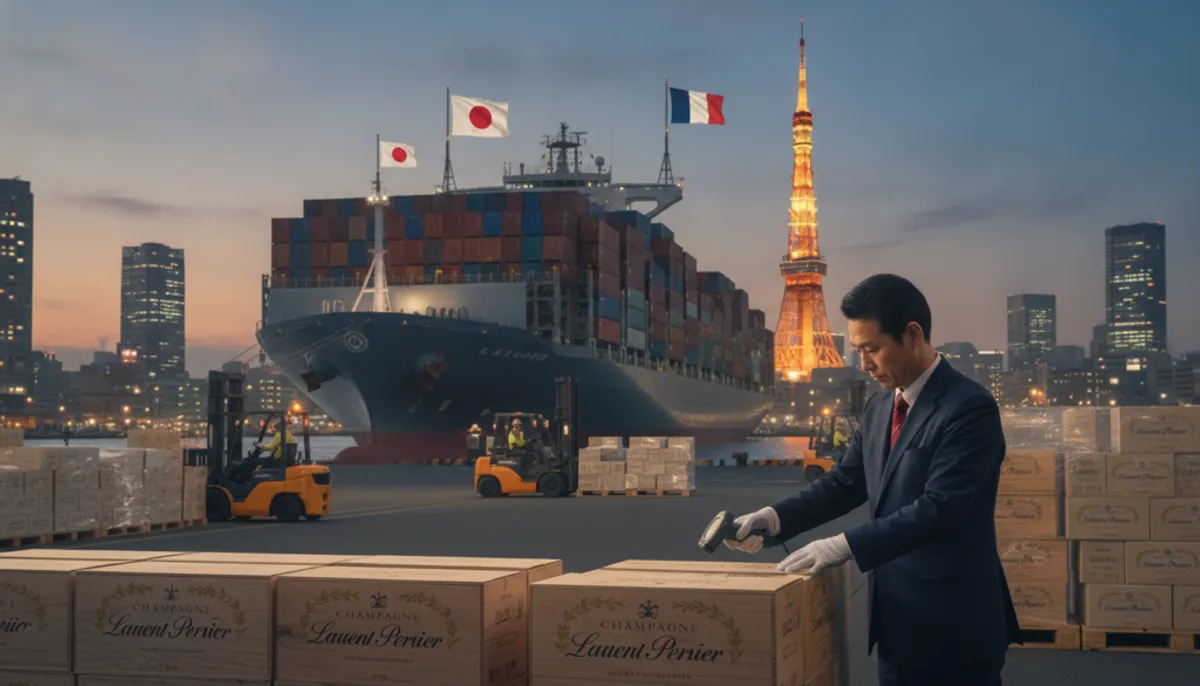
Looking for Champagne? We’ve got you covered. This guide gives clear, practical information for U.S. businesses that want to bring luxury alcohol products to the Japanese market.
The U.S.-Japan Trade Agreement eased access for American agricultural goods in 2020, and the Ministry of Health, Labor, and Welfare maintains detailed guidance on food and beverage rules. Understanding japan customs and the full regulatory process helps your products move smoothly. For the latest champagne industry updates, it's crucial to stay informed about any changes that may affect your business operations.
Our team acts as your dedicated importer partner, managing labelling, duties, and testing so your premium beverages meet local standards. We simplify each step of the process and keep you compliant with current rules.
Key Takeaways
- USJTA improved market access for U.S. producers.
- MHLW website contains official steps for food and alcohol clearance.
- Working with a specialist importer speeds customs clearance.
- Clear labelling and documentation reduce delays at japan customs.
- Visit our website to request a personalized quote and export plan.
Understanding the Regulatory Framework for Importing Champagne into Japan
Before you arrange shipment, get clear information on the agencies and laws that govern alcohol entry. Japan enforces safety and tax rules that affect wine, spirits, beer, and fruit-based beverages.

Licensing Requirements for Importers
Only licensed traders located in Japan can hold the permits needed to bring alcohol to market. Non-resident companies must work with a local importer to meet legal requirements under the Liquor Tax Act.
Compliance with the Food Sanitation Act
The Food Sanitation Act, enforced by the Ministry of Health, Labor, and Welfare (MHLW), mandates safety checks and quarantine procedures for all food and beverage products.
- Use the MHLW website for quarantine guidance and the notification form required at entry.
- Ensure labels, alcohol content, and documentation meet the Liquor Tax Act and food sanitation rules.
- Partnering with an experienced importer reduces inspection delays and tax issues.
| Requirement | Agency | What it covers |
|---|---|---|
| Safety checks & quarantine | MHLW | Microbiological and contamination screening for food and beverages |
| Alcohol definition & tax | NTA | Defines alcohol ≥1% and applies liquor tax rates |
| Importer licensing | Local authorities | Only Japan-based licensed traders can import and sell liquor |
Essential Labeling and Documentation Requirements
Clear, consumer-facing labels and complete paperwork speed customs checks and protect your brand reputation. Every bottle must show the importer name and address, alcohol content, and country of origin.
Under the Food Sanitation Act, labels must include a minors warning and list ingredients and additives in descending order of weight. The minimum font size is approximately 8 point for all characters.
- Submit the Notification Form for Importation of Foods, etc. to the Ministry of Health, Labor, and Welfare before entry.
- Provide a full declaration with descriptions of ingredients, additives, and manufacturing methods.
- Ensure each bottle label meets the 8-point rule and clearly states the importer details and origin.
| Requirement | Must Include | Why it matters |
|---|---|---|
| Label text | Importer, alcohol, origin, minors warning | Consumer safety and legal compliance |
| Ingredient list | Ingredients & additives, descending weight | Food Sanitation Act transparency |
| Documentation | Notification form & declarations | Speeds customs clearance |
Visit the official Japan Agricultural Standards website for more information on labeling rules and detailed website guidance. Our team helps prepare labels and declaration documents so your products clear entry without delays.
Navigating Customs Duties and Liquor Tax Regulations
Clear classification and timely declarations make the difference between smooth entry and costly delays for alcohol shipments.
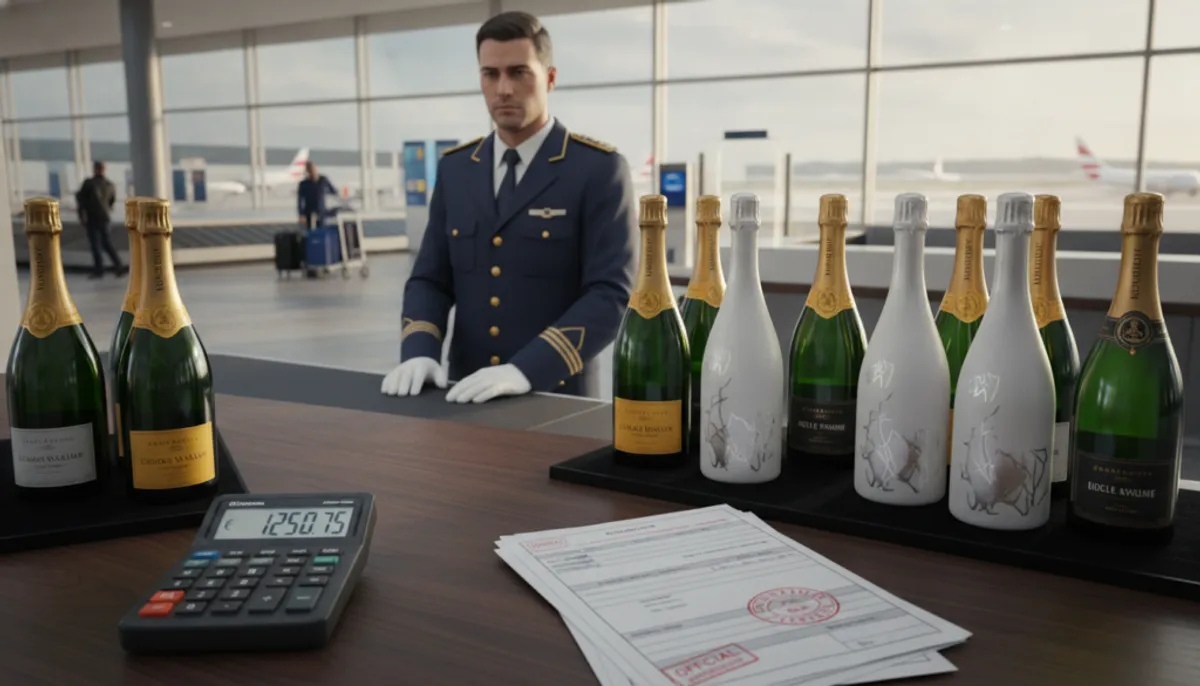
Preferential tariff access under the USJTA means nearly 90% of U.S. food and agricultural products face reduced or zero duty. That benefit often applies to wine, spirits, and beer when proper origin proof is supplied.
Understanding Preferential Tariff Access
Use the correct 10-digit HS classification code to get accurate duty rates on the Japan Customs website. A wrong code can trigger higher oman customs duties and delays at entry.
Liquor tax is charged in addition to import duty and VAT. Rates differ by product type and alcohol content, so classification and the Liquor Tax Act rules matter for every bottle.
- We help identify the 10-digit HS code for accurate duty and liquor tax calculations.
- Japan Customs may require an origin declaration to confirm eligibility for preferential treatment.
- Coordination on notification forms and quarantine paperwork speeds entry and reduces risks of reassessment.
| Item | What to check | Why it matters |
|---|---|---|
| HS code (10-digit) | Correct tariff classification on website | Accurate customs duty and tax calculation |
| Origin declaration | Proof of U.S. origin under USJTA | Qualifies goods for preferential tariff access |
| Liquor tax | Rate by beverage type and proof | Applied in addition to duty and VAT |
| Notification & quarantine | Forms submitted to MHLW and Japan Customs | Speeds clearance and prevents holds |
Conclusion: Streamlining Your Champagne Export Process
Wrap up your export strategy with clear actions that reduce delays and keep your alcohol products market-ready. Follow labeling, declaration, and tax rules to protect brand value and health compliance.
Work with a local importer to manage the notification form, origin declaration, ingredient lists, and any additives documentation. This streamlines customs checks and speeds entry for bottles and other items.
Looking for Champagne? We’ve got you covered. Discover the finest selections and request a personalized quote at https://champagne-export.com to start the process today.