Looking for Champagne? We’ve got you covered with premium selections ready to ship across the world. Our champagne import business specializes in carefully sourced labels, and you can request your personalized quote today at https://champagne-export.com.
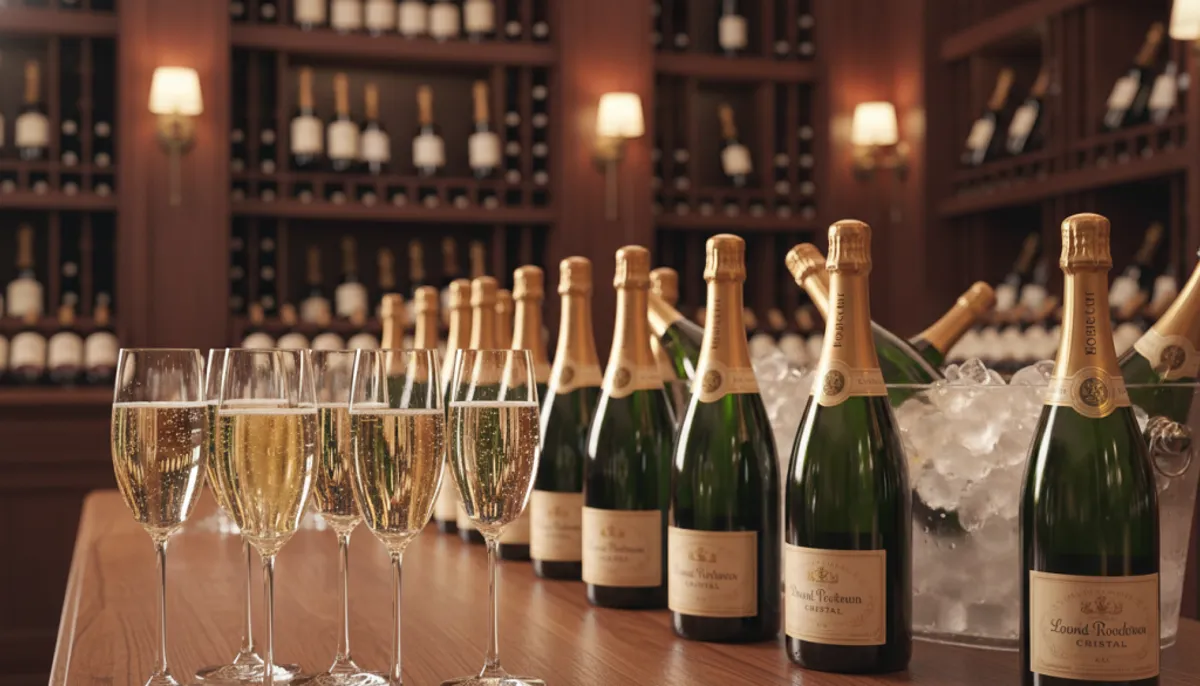
Champagne is one of the world’s most famous wines, yet many buyers know little of its history and craft. Our team connects U.S. businesses with authentic bottles from the heart of France.
We specialize in grand cru champagne wholesale and in sourcing top-tier sparkling wine for restaurants, retailers, and event planners. Our expertise extends to champagne distribution in mexico, ensuring every shipment is handled with export expertise so your order arrives safely and on time.
Request your personalized quote today on https://champagne-export.com and access world famous labels with tailored service and reliable logistics.
Key Takeaways
- Access authentic, world famous labels and verified bottles for resale or service.
- Specialized sourcing for grand cru champagne wholesale and premium sparkling wine.
- Export-ready logistics to ship safely anywhere in the world.
- Personalized quotes and dedicated support for U.S. buyers.
- Start the process at https://champagne-export.com to view current inventory.
The Legacy of Champagne
The region’s legacy blends law, craft, and invention. Over time, local rules and cellar innovation shaped a drink that became world famous. This legacy explains why houses here focus on consistent quality.
Historical Origins
The modern history began in the 16th century when Paris banned cabaret owners from sourcing wine within a 90-mile radius. That law boosted demand for local production and launched the region’s rise.
The Madame Clicquot Innovation
Madame Clicquot Ponsardin changed the way bottles were made by inventing the Reumage technique. By resting bottles at angles and turning them, cloudy yeast could be expelled.
This clarity shifted how we understand champagne wine. Before the method, many wines were cloudy and unpredictable. Afterward, clearer, finer sparkling wines became possible.
- The 16th-century law created a market that helped local producers grow.
- Reumage made clear, consistent bottles a reality.
- Over the years, houses set sugar levels and styles that define today’s wines.
| Year/Period | Event | Impact |
|---|---|---|
| 16th century | Parisian sourcing ban | Spurred local production and regional identity |
| Early 19th century | Reumage developed | Produced clear bottles and stable sparkling wine |
| 1800s–present | Houses refine styles | Established styles and global reputation |
Understanding Grand Cru Champagne Wholesale
Sourcing top-tier vineyard-designated bottles takes more than taste — it requires knowing the classification that defines the best sites.
What this means: the grand cru label marks the highest-rated plots. These sites produce wines with consistent character and depth.
Our firm keeps a deep stock of these exceptional wines, including wholesale champagne deals. Every house we represent meets strict standards so your customers receive authentic bottles.
- We source directly from respected houses to guarantee provenance.
- Our selection covers styles from dry brut to crisp extra brut.
- We balance quality and price so businesses get value without compromise.
| Feature | What We Offer | Benefit |
|---|---|---|
| Classification | Vineyard-designated grand cru | Clear quality signal for buyers |
| Inventory | Deep stock of sought-after lots | Reliable supply for menus and events |
| Styles | Brut and extra brut options | Fit varied customer preferences |
| Provenance | Sourced from established houses | Authenticity and traceability |
The Unique Terroir of the Champagne Region
Soil and slope shape how each bottle from this region expresses its character. The local mix of minerals and exposure gives winemakers a remarkable palette to work with.
Kimmeridgian Soil Composition
Vineyards sit on Kimmeridgian soil — a blend of chalk, limestone, and fossilized seashells.
This mix provides excellent drainage and lends a clear mineral thread to many wines.
Montagne de Reims Characteristics
The Montagne de Reims and Aube favor cooler slopes and stony subsoil.
These conditions are ideal for pinot noir, which brings structure and depth to blends.
Cote des Blancs Terroir
Cote des Blancs is famed for chalky terraces that suit chardonnay best.
Nearby Vallee de la Marne supports pinot meunier, helping keep production balanced year to year.
Together, these plots let growers craft complex sparkling wines and bring distinct minerality to every bottle. The mix of grape varieties yields versatile styles—from precise blanc de blancs to fuller blanc de noirs—reflecting the soil and microclimate of the region.
Exploring Blanc de Blancs and Blanc de Noirs
Two distinct styles define the region’s sparkling range: bright, mineral-driven blanc blancs and richer blanc noirs.
Our blanc blancs champagne selections are crafted solely from Chardonnay grapes. They show crisp citrus, chalky minerality, and a light, refined texture ideal for menus that favor elegance.
The Methode Champenoise Process
The traditional second fermentation in bottle gives both styles their fine mousse and depth. This method preserves delicate aromatics in a bottle and adds complexity over time.
- We stock a wide range of blanc blancs for a citrus-forward profile.
- Our blanc noirs pair pinot noir and pinot meunier for structure and body.
- Each grand cru bottle highlights the identity of the house that made it, with options from extra brut to classic brut.
| Style | Grapes | Character |
|---|---|---|
| Blanc Blancs | Chardonnay | Bright, citrus, mineral |
| Blanc Noirs | Pinot Noir / Pinot Meunier | Richer, structured, savory |
| Business Fit | Various houses | Stock and price designed for trade needs |
Whether you seek elegant blancs champagne or fuller champagnes, our range supports curated lists and informed buying for U.S. businesses, including options for bulk champagne purchases kuwait.
The Art of the Second Fermentation
When yeast and sugar meet in the bottle, they start the unseen work that creates every sparkling wine’s bubbles. This step transforms still wine into the lively, textured product buyers expect from top labels, showcasing the intricacies of sparkling wine production.
The Methode Champenoise Process
The methode champenoise adds a precise mix of yeast and sugar to trigger the vital second fermentation. The trapped carbon dioxide forms the mousse that defines each bottle.
Producers control the time on the lees to shape flavor. Short lees time keeps the wine bright. Longer aging adds toast, yeast notes, and a creamier mouthfeel.
- The second fermentation creates the bubbles and texture that mark a true sparkling wine.
- Careful sugar addition lets the winemaker balance grape acidity and final sweetness levels.
- Our stock includes wines aged to various points, from bone dry to extra brut.
| Step | Action | Impact |
|---|---|---|
| Dosage | Add yeast and measured sugar | Starts second fermentation, creates mousse |
| Lees aging | Store on yeast sediment for set time | Adds complexity, textural notes, and depth |
| Disgorgement | Remove lees and adjust final sugar | Determines final sweetness and balance |
Vintage Versus Non-Vintage Selections
A bottle labeled with its year tells a different story than a bottle blended across several seasons.
Vintage releases are made from grapes harvested in a single year. These bottles often reflect that year’s climate and are prized by collectors of grand cru wines. Scarcity and cellar potential can raise the price and the appeal for buyers seeking unique vintages.
Non-vintage selections combine grapes from multiple years. This blending lets champagne houses preserve a steady style and consistent quality across every bottle. It also helps maintain inventory and meet trade demand with reliable stock, while adhering to brazilian customs regulations.
We carry both vintage and non-vintage wines so businesses can match menus or special orders. Dosage and sugar are adjusted per release, so even an extra brut vintage keeps its balance and elegance.
- Vintage: single year, collectible, variable price and quality.
- Non-vintage: blended, consistent style, dependable stock.
- We offer brut and extra brut options across vintages to suit buyer needs.
Iconic Champagne Houses and Their History
Historic houses combine family tradition with careful cellar work to make wines that define quality.
Krug, Dom Pérignon, and Taittinger stand among the producers that shaped production and price expectations over years.
Charles Heidsieck stores bottles in cellars 30 meters underground to age complex flavors. This time in cool, steady cellars builds depth and lasting character.
- Pinot noir often drives structure; pinot meunier adds fruit and approachability.
- Some houses favor vintage releases; others blend years to keep a reliable style.
- Our stock includes these iconic champagnes so trade buyers can source top quality for menus and events.
| House | Historic Trait | Typical Focus |
|---|---|---|
| Krug | Art of blending across vintages | Complex, cellar-worthy productions |
| Dom Pérignon | Named vintage prestige | Long aging, refined style |
| Taittinger | Likely emphasis on chardonnay clarity | Elegant, food-friendly bottles |
| Charles Heidsieck | Deep underground cellars | Rich, aged complexity |
The Prestige of Dom Perignon
A Dom Pérignon release pairs vineyard precision with house tradition to set a regional standard.
Dom Pérignon is widely recognized as one of the most prestigious names in the trade. Produced by the esteemed Moët & Chandon, each vintage reflects strict selection and cellar work.
Every bottle of Dom Pérignon represents a commitment to quality. It often serves as the centerpiece for lavish events and high-end menus.
- Signature status: Dom Pérignon is synonymous with luxury and grand cru excellence.
- Producer pedigree: The association with Moët & Chandon keeps each release a benchmark.
- Trade availability: We include this legendary label so businesses can stock a world-class product.
The brand’s long history and the care shown by major houses ensure each release remains sought after by collectors and hospitality programs alike.
Louis Roederer and the Cristal Legacy
Few cuvées carry history like Cristal, a purposeful creation for Czar Alexander II. Louis Roederer crafted this blend as a ceremonial bottle and a technical statement.
Cristal is built from about 60% pinot noir and 40% Chardonnay. The house tends vast vineyards to control grape quality and harvest timing.
Louis Roederer mixes wines from different years to reach a balanced profile. This process smooths sugar and acidity while preserving depth over time.
- Historic origin: created for the Russian court and now a benchmark in price and prestige.
- Production care: rigorous selection of grapes for blanc noirs and other blends.
- Trade fit: our stock includes Cristal—available as vintage brut or special releases.
The legacy of louis roederer remains central to houses known for consistent quality in fine champagnes and collectible wines.
The Elegance of Pol Roger
Pol Roger blends restraint and finesse to craft some of the region’s most elegant bottles. The house is famed for the Cuvée Sir Winston Churchill, a label prized by collectors and fans of grand cru terroir.
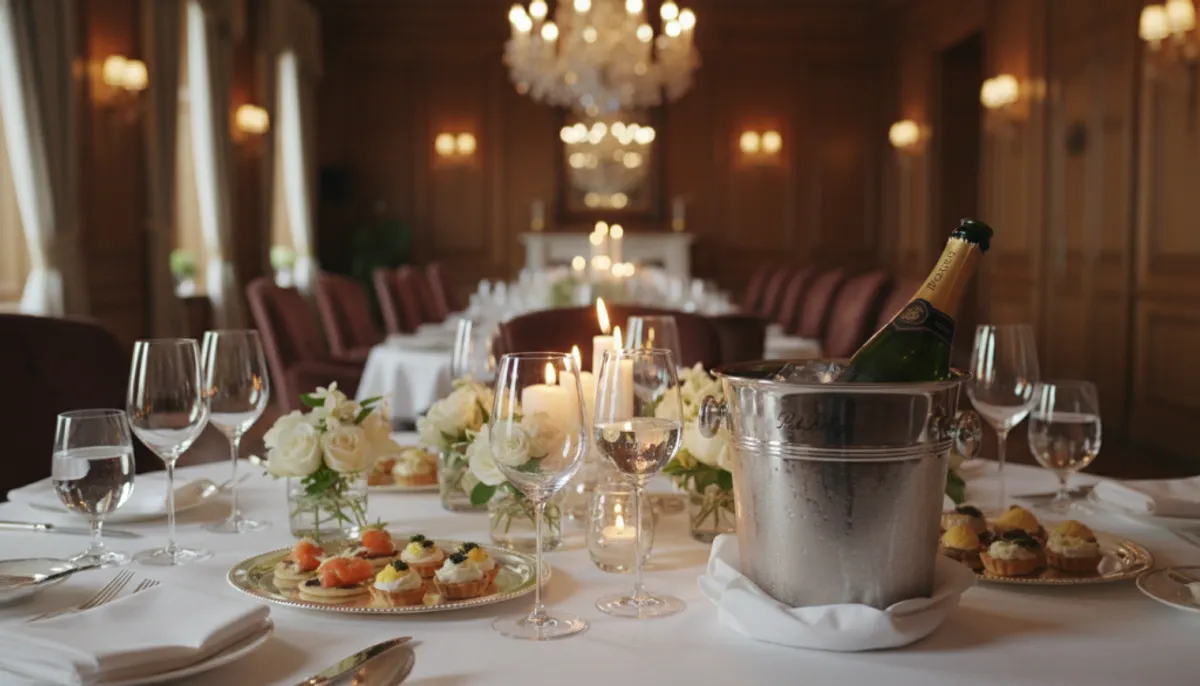
About half of the grapes used come from Pol Roger’s 220‑acre estate. The rest arrive from trusted contract growers, giving each release a balanced mix of estate character and wider terroir nuance.
We carry a selection of their champagnes, including refined blanc blancs bottlings that showcase the chardonnay grape’s purity. These bottles often appear as extra brut and in select vintages.
- Signature cuvée: Cuvée Sir Winston Churchill, a favorite among grand cru collectors.
- Sourcing: 50% estate grapes plus carefully chosen growers.
- Trade fit: Our stock includes blanc blancs champagne for menus and cellar lists.
Each bottle reflects the house’s dedication to consistency and quality. For buyers in the U.S., Pol Roger offers elegant vintages at a range of price points suitable for upscale dining and special events, including options for champagne by the bottle.
Krug and the Art of Blending
Krug’s blends read like a map of the region, stitching many harvests into a single, layered bottle.
The house famously assembles about 120 different wines from 10 or more vintages to reach its signature depth. This method creates a true grand cru expression that carries the character of several years in every sip.
The winemaking team treats each grape with care. They craft wines that range from refined blanc blancs bottlings to more robust brut blends. Time in the cellar deepens texture and intensity, making these champagnes collectible and trade-ready.
- Complexity: 120 wines combined for layered flavor.
- Terroir breadth: multiple vintages capture the region’s range.
- Stock: available blanc blancs champagne and brut options for U.S. buyers.
| Feature | Detail | Benefit |
|---|---|---|
| Blend size | ~120 wines | Rich, nuanced profile |
| Vintages | 10+ years | Layered complexity and cellar age |
| Styles | blanc blancs, brut, extra brut | Menu flexibility and collector appeal |
Each bottle is a testament to blending skill, where pinot noir and pinot meunier play alongside chardonnay to form a balanced, long-lived wine with attractive price and cellar potential.
Culinary Pairings for Fine Sparkling Wines
A glass with lively bubbles can refresh the palate and sharpen flavors across a menu.
Fine grand cru wines often show citrus and bright acidity. They pair beautifully with fresh seafood, shellfish, and light salads.
Their structure makes them an ideal starter before heavier meats. Serve them first to wake the appetite and prepare diners for richer courses.
Versatility is a key benefit. These bottles enhance everything from delicate hors d’oeuvres to more complex gourmet dishes.
We encourage partners in the U.S. trade to list pairing notes. Highlighting these matches adds value and guides customers toward better dining experiences.
- Use brighter styles with oysters and sushi.
- Choose slightly richer blends for creamy appetizers.
- Recommend a crisp bottle as an opener at events to elevate the meal.
| Food Category | Recommended Style | Serving Tip |
|---|---|---|
| Oysters & shellfish | Bone-dry, citrus-driven | Serve well-chilled, short glass pour |
| Light salads & ceviche | Crisp, mineral-led | Pair with lemon or herb dressing |
| Creamy appetizers | Richer blanc noirs or aged bottles | Match acidity to cut richness |
Sustainable Viticulture and Modern Production
Today, viticulture blends careful land stewardship with precise cellar work. The Coutier family, for example, practices lutte raisonnée to boost biodiversity and soil health in their plots.
Many champagne houses now limit chemical use and encourage cover crops among pinot noir and chardonnay vines. This approach protects the long-term health of vineyards and the consistency of future vintages.
- Reduced inputs: lower chemical footprint means healthier soil and a better grape profile.
- Cellar precision: modern production allows winemakers to control fermentation, sugar levels, and aging for steady quality.
- Trade benefit: our stock includes champagnes from houses prioritizing these methods.
By combining sustainable farming with updated production techniques, producers craft wines that respect the land and deliver reliable quality across vintages. For U.S. buyers, this means access to bottles that taste great and reflect thoughtful stewardship.
Global Export Services for Your Business
Your business can order top-tier bottles and have them shipped anywhere in the world with confidence, including shipping bubbly overseas. We handle export from our warehouse through customs and onward delivery.
What we provide: comprehensive export services that protect each order from packing to arrival. Our team works with trusted houses and vetted carriers to keep your stock intact.
Whether you need one bottle or a full pallet, we coordinate logistics, documentation, and insurance. That means fewer headaches for U.S. buyers and faster time to shelf.
- Careful handling for every grand cru shipment.
- Customs clearance and export paperwork managed end-to-end.
- Flexible shipping options to match your schedule and budget.
| Service | Detail | Benefit |
|---|---|---|
| Order sizes | Single bottle to bulk pallets | Fits restaurants, retailers, and event planners |
| Sourcing | Direct from recognized houses | Verified provenance and quality |
| Logistics | Packing, customs, carrier coordination | Reliable delivery anywhere in the world |
Looking for Champagne? We’ve got you covered. Discover the finest selections, ready to be exported. Request your personalized quote today at https://champagne-export.com.
Request Your Personalized Quote Today
Looking for Champagne? We’ve got you covered. Discover the finest selection, ready to be exported anywhere in the world.
Request your personalized quote today on https://champagne-export.com and tell us what you need.
To receive a custom quote, visit the site and share your order details. Our team will review quantities, preferred labels, and delivery timelines so you get a tailored price.
- We help select the right products for your menu and budget.
- Our extensive inventory includes many sought-after labels.
- Requesting a quote starts your path to a steady, reliable supply.
We look forward to working with you and supporting your business goals with professional export services and attentive support.

Conclusion
From vineyard to cellar, the story behind each bottle matters for buyers and diners alike. We hope this guide gave you a clearer view of terroir, history, and the careful methods that create standout bottles.
Every bottle reflects commitment to quality. From soil and grape to second fermentation and aging, the process shapes flavor and value. Our team is ready to help U.S. businesses source the finest champagnes with strong, reliable service and clear provenance.
Explore our inventory and contact us to discuss your needs. We appreciate your trust and look forward to partnering with you to bring the best of the world to your customers. Thank you for choosing us.