Looking for Champagne? We’ve got you covered. Discover curated selections of premium wine ready for export anywhere in the United States. Our team helps new owners build a clear plan, navigate rules, and source top labels with confidence.

Starting a professional venture demands focus, passion, and the right partners. We provide expert guidance on licensing, logistics, and sourcing so you can serve discerning customers across the country.
Request your personalized quote today at https://champagne-export.com and explore an extensive catalog of premium beverages ready for export. Build a sustainable business with a clear vision and trusted support.
Key Takeaways
- Expert guidance helps simplify licensing and logistics.
- Premium wine selections are ready for export to the U.S.
- Personalized quotes speed up sourcing and planning.
- Success needs passion, planning, and strong partners.
- Visit the catalog and request a quote to begin confidently.
Planning Your Wine Import Business
A focused plan helps match select wines with the right restaurants, retailers, and collectors. Research and structure give new importers a strong advantage in a crowded market.
Conducting Market Research and Niche Selection
Developing a comprehensive business plan is the first step. Analyze TTB import data and spend months visiting local restaurants, retail shops, and private clients to learn demand.
Business Entity Formation and Legal Structure
Forming an LLC through your state’s Secretary of State protects personal assets and simplifies taxes for your company. Industry guidance suggests initial investment runs between $30,000 and $80,000 for inventory and operations in the first year.
- Define niche and target customers.
- Use TTB and government resources for licensing and trade rules.
- Build long-term relationships with distributors and restaurants.
| Item | Typical Range | Timeframe |
|---|---|---|
| Startup investment | $30,000 – $80,000 | First year |
| Market research | Low cost (travel, data) | 1–6 months |
| Entity formation | $50 – $500 (state fees) | 2–8 weeks |
Visit https://champagne-export.com for support in sourcing and quotes, including options for champagne delivery qatar. This way you can focus on sales, marketing, and growing your client list with confidence.
Navigating Regulatory Compliance and Licensing
Regulatory steps shape the timeline and costs for any wine importer entering U.S. trade. Plan early: the TTB Federal Importer’s Basic Permit typically takes 60 to 90 days for approval under normal conditions.
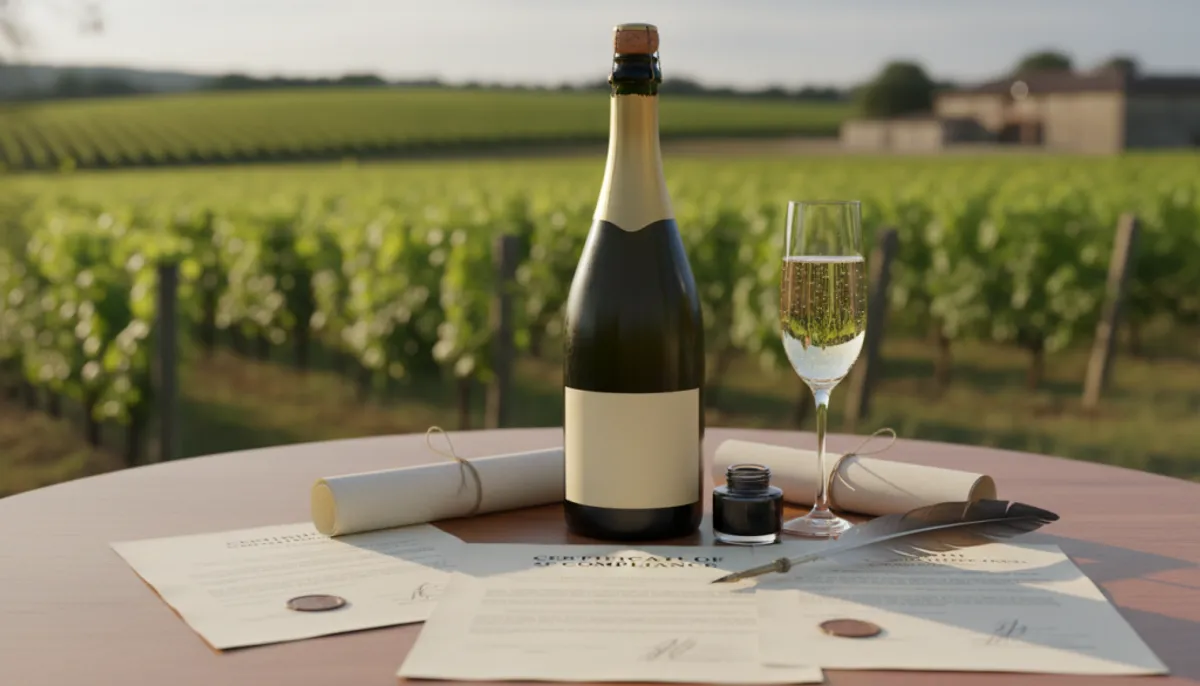
This mandatory permit requires a U.S. business office and an online application through TTB Permits Online. Expect the process and checks to add several months to your timeline.
Certificate of Label Approval Requirements
For every unique product you bring in, secure a COLA from the TTB regulatory board. Labels must match TTB rules before bottles move through customs.
Understanding State and Local Regulations
State ABC boards set varying fees and forms. Check local rules early and budget for extra licenses and filings that affect distributors and retail sales.
- Register the company with the FDA under the Bioterrorism Act for any food or alcohol held for U.S. consumption.
- You may need a letter from an exporting winery as an example document for TTB review.
- Visit https://champagne-export.com for resources that help manage trade compliance for your wine import business.
How to Start Champagne Import Business
A strategic plan connects premium producers with the people who value exceptional bottles.
Build a curated portfolio that resonates with high-end restaurants and retail shops. Focus on quality, provenance, and consistent supply so champagne distributors malaysia can rely on your catalog.
Request your personalized quote today at https://champagne-export.com and discover the finest selections ready for export worldwide.
- Define your market and craft a short business plan that targets chefs and retail buyers.
- Prioritize sales channels and solid relationships with local distributors and partners.
- Keep passion for the industry while managing logistics and regulatory steps.
| Action | Why it matters | Typical time |
|---|---|---|
| Portfolio curation | Attracts restaurants and retail customers | 1–3 months |
| Distributor outreach | Secures sales channels and retail placement | 2–6 months |
| Request quote | Speeds sourcing and export planning | Immediate |
| Ongoing quality checks | Maintains reputation and customer loyalty | Continuous |
We provide resources that streamline operations and help your job as a professional importer. By focusing on quality and consistency, you attract loyal customers and grow your market presence.
Managing Logistics and Quality Control
Reliable logistics keep bottles safe and preserve the value of each shipment. Plan for consistent handling from arrival through storage and final delivery.
Climate Controlled Warehousing and Inventory Management
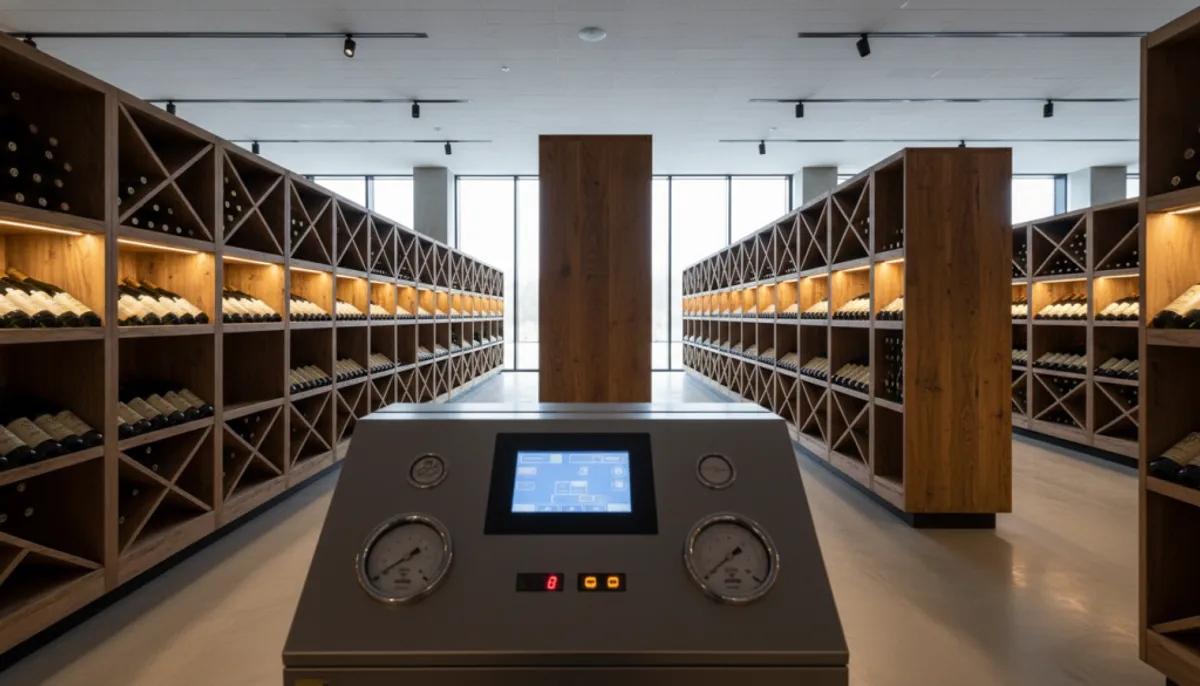
Maintaining a climate-controlled warehouse is a critical step to ensure your wine remains in perfect condition for customers and distributors.
Budget between $500 and $2,000 per month for small operation storage. This investment protects product quality and your money over the long year.
- Use specialized software for real-time stock tracking and clear rotation rules.
- Inspect every shipment of food and alcohol upon arrival and verify temperature logs.
- Work with reputable distributors and a reliable warehouse to cut transit time and spoilage.
- Visit https://champagne-export.com for logistics solutions that reduce delays and simplify inventory steps.
| Service | Typical cost | Benefit |
|---|---|---|
| Climate-controlled storage | $500 – $2,000 / month | Protects taste, reduces losses |
| Inventory software | $50 – $300 / month | Improves stock accuracy and sales forecasting |
| Inspection & temperature logs | One-time per shipment | Ensures compliance with state rules and quality terms |
By following these steps, your wine import business and company can meet quality standards and keep customers returning. Request your personalized quote today on https://champagne-export.com.
Financial Strategies and Sales Growth
Strong cash management and clear sales targets turn seasonal demand into steady revenue.
Securing funding is often the first practical step. An SBA 7(a) loan can provide $50,000–$150,000 for inventory, licensing, and early operations.
Build a concise business plan with sales projections for the next few years. Include marketing, distributor outreach, and estimated cash needs for six to nine months.
Use simple payment tools at events. The JIM app accepts cards on a smartphone for a flat 1.99% fee, which saves time and lowers setup costs.
- Track customer acquisition cost to guide your marketing spend.
- Use social media and email to reach restaurants, retail accounts, and direct customers.
- Keep a cash buffer so the company covers unexpected trade or licensing delays.
| Resource | Typical use | Benefit |
|---|---|---|
| SBA 7(a) | Working capital, inventory | Scales buying power |
| JIM app | Event sales | Low fee payments |
| Website & social media | Lead capture | Steady client growth |
Looking for Champagne? We’ve got you covered. Discover the finest selections, including kuwait wholesale champagne, ready to be exported anywhere in the world. Request your personalized quote today on https://champagne-export.com.
Conclusion
Takeaway: practical steps will help you turn your passion for wines into reliable sales and steady growth.
Starting a wine import business is a rewarding job that blends a clear business plan with steady marketing and quality control. Use social media and direct outreach to reach restaurants, retail shops, and distributors in your state.
Visit https://champagne-export.com to request your personalized quote and discover the finest selections ready for export. We are here to support your journey every step of the way.
Thank you for reading. With focus, the right partners, and a smart way of selling, you can build a lasting company that serves people who value great wines.