Embark on a journey to the heart of Champagne, where effervescence, precise flavors, and sheer enjoyment converge. Through this exploration, we unveil the essence of its distinguished origin, the significance of its terre, and the meticulous traditional methods employed. You will grasp how artisans from Reims to the Côte des Bar transform Chardonnay, Pinot Noir, and Pinot Meunier grapes into a festive elixir.
Our narrative delves into the regions defining Champagne’s distinctive styles—Montagne de Reims, Vallée de la Marne, Côte des Blancs, Côte des Bar, and Côte de Sézanne. Spread across Marne, Aube, Aisne, Haute-Marne, and Seine-et-Marne, these locales contribute unique notes ranging from fruitiness to rich, earthy undertones. Whether your preference lies in the consistent quality of Non-Vintage or the depth of vintage selections, this guide empowers you with knowledge to select exquisite Champagne with assuredness.
For those planning an upscale outing, contemplating gourmet pairings, or seeking exclusive tastings and workshops, this is your quintessential source. In pursuit of premier Champagne for international delivery? Discover exceptional cuvées poised for global shipment. Additionally, if you're looking to unwind in the best champagne bars, this guide serves as your definitive compass to the world of Champagne—practical, precise, and eager to enhance your experience.

Key Takeaways
- Champagne originates exclusively from its namesake region in France, with a focus on Reims and its legendary vineyards.
- Anticipate vibrant acidity, delicate foam, and a spectrum of tastes from fruity to nutty and yeasty nuances.
- The guide illuminates the traditions, terroir, grape varieties, styles, sweetness levels, and maturation processes.
- It assists in differentiating NV from vintage, Blanc de Blancs from Blanc de Noirs, guiding you to superlative Champagne choices.
- Facilitates planning for elegant bar tastings, culinary pairings, and discovering global shipping options at champagne-export.com.
- It’s the perfect companion for aficionados, investors, gourmets, and travelers in search of definitive, trustworthy Champagne information.
What Makes Champagne Unique: Tradition, Terroir, and Méthode Champenoise
Champagne distinguishes itself through a unique synthesis of historical significance, geographical identity, and meticulous production processes. The essence of its distinction lies in the protected designation of origin, stringent regulations, and the traditional méthode champenoise. These elements contribute to its esteemed position, characterized by its delicate effervescence and vibrant zest, which are revered by experts and enthusiasts alike. For those looking to explore the world of wine, ohio wine tours offer a delightful opportunity to experience the rich flavors and traditions of this renowned beverage.
Only from Champagne, France: Protected Origin and Prestige
Under international law, only the sparkling wines hailing from the Champagne region in France are entitled to bear the prestigious name. This exclusive right preserves both the area’s esteemed reputation and the unparalleled skill of its vintners, showcased in renowned houses such as Moët & Chandon, Veuve Clicquot, and Louis Roederer.
This distinguished designation serves as a hallmark of cultural heritage and an emblem of superlative quality. It assures a presence on the wine lists of the world’s grandest hotels and at high-end champagne bars globally.
Cool Climate and Chalky Soils: Acidity, Freshness, and Drainage
The region’s temperate average temperature, around 52°F, is crucial for maintaining the grapes’ inherent crispness and vibrancy. Its chalk-infused soil operates as a natural reservoir, absorbing moisture in dry periods and providing excellent drainage following rainfall, thus ensuring the vines’ health and stability.
The terraced vineyards, benefiting from an approximate 12% incline, optimize sunlight exposure while preventing water retention. This dynamic results in grapes of exceptional purity, offering wines with a straightforward structure and a refreshing finish that tempts the palate for further enjoyment.
The Traditional Method: Secondary Fermentation in Bottle
The esteemed méthode champenoise commences with the introduction of liqueur de tirage—a mixture of yeast and sugar—into each bottle, initiating the crucial secondary fermentation. This process naturally generates the champagne’s signature fine bubbles.
Extended lees aging imbues the wine with complex flavors of brioche, almond, and toast. The resulting depth of texture and aromatic profile is celebrated in tastings from Reims to exclusive champagne lounges across New York, making it the perfect choice for a champagne moment rose.
Strict Regulations: Grapes, Aging, and Quality Standards
The tradition of hand-picking grapes ensures the integrity of each cluster, while a delicate pressing technique maintains the juice’s clarity, even in varieties such as Pinot Noir and Pinot Meunier. Rules stipulate that non-vintage champagnes mature a minimum of 15 months on the lees, but vintage and prestige cuvées undergo significantly longer aging.
Strict pruning protocols, specific grape varietal requirements, and meticulous blending practices are in place. These regulatory frameworks assure the wine’s consistent elegance, precision, and its characteristic effervescence, upholding the legacy of the Champagne designation.
Grapes Behind the Bubbles: Chardonnay, Pinot Noir, and Pinot Meunier
The inception of Champagne’s allure begins in the vineyard’s embrace. It is the art of blending grapes, villages, and years that forges the balance and distinctiveness of a house’s character. The nuanced story a champagne narrates, even amidst the vibrancy of a lounge, originates from a meticulous balance of fruit, acidity, and texture.
The “Big Three” and Their Roles in Flavor and Structure
Champagne’s essence is defined by the triumvirate of its grapes. Pinot Noir, constituting approximately 38% of vineyard plantings, imparts body, structure, and a depth of red fruits. Chardonnay, which comprises nearly 31%, introduces an elegance, marked by citrus and floral notes, enhancing a champagne’s longevity. Meanwhile, Pinot Meunier, also representing about 31%, lends a softness, a fruity appeal, and an immediate attractiveness.
Although two of these pivotal grapes are red, Champagne’s hue remains delicately pale. This is achieved through gentle pressing, which minimizes skin contact, thus maintaining a clear juice. It is this technique that allows for a blend to encapsulate both richness and precision.
Blanc de Blancs vs. Blanc de Noirs vs. Rosé
Blanc de blancs champagnes are crafted exclusively from white grapes, primarily Chardonnay. This variant is typified by its citrusy essence, a mineral-like chalkiness, and an incisive accuracy. Age-worthy selections from esteemed houses such as Ruinart and Pierre Peters exemplify this style.
Blanc de Noirs finds its basis in Pinot Noir and/or Pinot Meunier, offering a fuller body. This category is distinguished by red fruit accents and a richer texture. Masters like Bollinger and Egly-Ouriet excel in expressing this style’s substance and elegance.
Rosé champagne integrates a precise measure of still red wine into a white base. Alternatively, it may be derived from a brief saignée method involving red skins. This technique underscores flavors of strawberries and spices, presenting a captivating hue that enhances the ambiance of any setting. A well-thought-out champagne label design can further elevate the presentation and allure of this exquisite beverage.
Lesser-Known Varieties and the Voltis Trial
A few uncommon varieties like Arbane, Petit Meslier, Pinot Blanc, and Pinot Gris contribute uniquely. They add an herbal vibrancy, orchard fruit tastes, or floral nuances. These varieties preserve the heritage diversity and can refine the profile of a blend.
The recent Voltis trial, starting in late 2022, is noteworthy for its focus on mildew resistance. Despite the limited AOC-approved plantings, the core composition of blends must prioritize the main grapes. The aim is to offer resilience while preserving the fundamental identity of Champagne.
Key takeaway in the glass: the thoughtful integration of these elements, be it a crisp blanc de blancs perfect for oysters or a rich blend akin to a tranquil fireside discussion, unites the diverse facets of Champagne.
From Vineyard to Flute: How Champagne Is Made
The harvest commences at the break of dawn, amidst the chill that preserves fragrance and sharpness. Workers meticulously choose Chardonnay, Pinot Noir, and Pinot Meunier grapes to avoid damage. They execute gentle pressing to extract a clear, pale juice, even from the darkest skins. This process aims to maintain an optimal balance between acidity and sweetness.
The initial fermentation phase transforms the juice into a collection of dry base wines. These are stored in stainless steel and neutral oak to maintain their crisp and clean profiles. Subsequently, the wines are clarified, preparing each batch for the intricate task of blending.
The art of blending, known as assemblage, involves selecting from various grapes, villages, and at times, reserve vintages. Non-vintage blends seek consistency in the brand’s signature style across years. In contrast, vintage selections celebrate the exceptional quality of a particular year’s harvest. This critical stage determines the wine’s texture, vivacity, and finish.
Post-blending, the wines receive liqueur de tirage and are sealed for secondary fermentation. This slow process introduces refined effervescence and builds pressure within. It’s a meticulous period of transformation, with the duration extending from months to years, geared towards attaining a prestigious spot in any discerning wine bar’s sparkling selection.
Extended aging on the yeast sediment enhances the wine’s complexity. While non-vintage champagnes meet a 15-month aging minimum, vintage labels often exceed this period significantly. Such aging imbues the champagne with rich notes of brioche, almond, and toast and refines its texture to luxurious smoothness.
The process of riddling consolidates the sediment at the bottle’s neck. Although once hand executed by a remueur, most producers now employ gyropalettes. This innovation ensures precision and efficiency, culminating in the formation of a neat sediment plug.
During disgorging, the neck is frozen to eject the sediment plug, leaving the champagne clear. The subsequent addition of a dosage— a blend of still wine and sugar—fine-tunes the champagne’s balance. This adjustment spans from the driest Brut Nature to the sweetest Doux, complementing the base wine’s character and the producer’s signature style.
The final steps involve securing the champagne with a mushroom cork and wire cage to withstand up to six atmospheres of pressure. Bottles are then cleaned, labelled, and prepared for distribution. They embark on their final journey to enliven occasions, whether savored at home or amongst the refined selection of a prestigious wine bar. For those looking to send their favorite bottles, champagne shipping services ensure safe and reliable delivery.
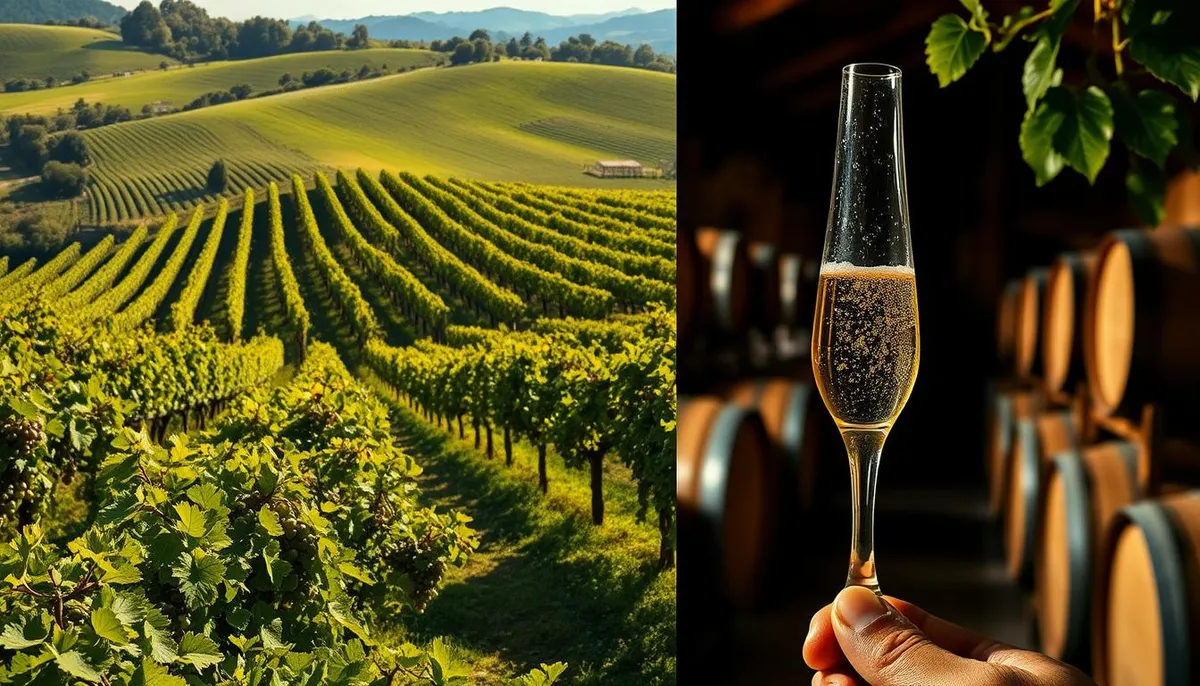
Styles and Sweetness Levels for Every Palate
Champagne ranges from crisp, bone-dry selections to rich, dessert-ready options. Understanding the sweetness spectrum and the crafting process of each cuvée enhances your experience. This knowledge is crucial whether you’re choosing a bottle at a premier champagne bar or for your own collection.
Residual Sugar and Dosage: From Brut Nature to Doux
The dosage process fine-tunes balance post-disgorgement, affecting the texture and final impression of the champagne. Brut Nature exhibits minimal sweetness, containing less than 3 grams per liter (g/L) of sugar, with no sugar added. Extra Brut has a sugar content ranging from 0 to 6 g/L, and the widely preferred Brut contains less than 12 g/L, making it suitable for various culinary pairings.
Extra-Dry, with its 12–17 g/L sugar range, subtly enhances sweetness. Moving higher, Sec presents 17–32 g/L. Demi-Sec, offering 32–50 g/L, perfectly complements fruit tarts and blue cheese. Doux surpasses 50 g/L, delivering a distinctly lush sweetness balanced by sharp acidity.
| Style | Residual Sugar (g/L) | Taste Profile | Food Pairing Ideas |
|---|---|---|---|
| Brut Nature | <3 | Ultra-dry, linear, mineral | Oysters, sashimi, salted almonds |
| Extra Brut | 0–6 | Very dry, taut acidity | Tartares, citrus-driven salads |
| Brut | <12 | Balanced, versatile | Roast chicken, fries, soft cheeses |
| Extra-Dry | 12–17 | Lightly off-dry | Spicy Thai, sushi rolls |
| Sec | 17–32 | Noticeable sweetness | Pâté, foie gras, fruit salads |
| Demi-Sec | 32–50 | Dessert-friendly | Crème brûlée, cheesecake |
| Doux | 50+ | Rich and sweet | Almond cake, fresh berries |
Non-Vintage, Vintage, Cuvée, and Cru Designations
Non-Vintage offerings blend harvests for consistent house character, aging a minimum of 15 months on lees. Vintage releases, representing a specific year, often age longer. This increases complexity, imbuing the wine with depth and tension.
Quality is indicated by cuvées, which vary from entry level to prestigious examples like Dom Pérignon by Moët & Chandon or La Grande Dame by Veuve Clicquot. Grand Cru and Premier Cru denote villages with esteemed vineyards. These designations suggest exceptional fruit quality in both top champagne bars and retail venues. Additionally, understanding the necessary wine import documentation is crucial for ensuring compliance and smooth transactions in the international wine market.
Aging on Lees: Brioche, Almond, and Toast Notes
Lees aging induces autolysis, contributing flavors like brioche, pie crust, and biscuit, complemented by nutty nuance. This technique also results in a creamier palate and refined bubbles.
Fruit flavors of apple, pear, lemon, and strawberry meld with bakery notes. Chalk and minerality add complexity. Some cuvées incorporate oak aging, introducing vanilla and marzipan layers. This oak influence tempers sweetness, rounding out the tasting experience.
champagne on main
As you enter champagne on main, you are immediately enveloped in its essence. The ambience harmoniously combines soft lighting with soft music, creating an inviting atmosphere. Every element of service is refined, ensuring that each champagne bottle is presented with distinction. This venue exquisitely bridges the dynamic energy of a champagne lounge with the tranquil space needed for deep conversations.
Upscale Champagne Bar and Champagne Lounge Vibes
At this spot, Riedel and Lehmann flutes display the champagne’s delicate mousse. Each bottle is kept at the ideal temperature, ready to be opened with elegance. The team excels in highlighting the nuances of terroir and the signature styles of esteemed houses like Moët & Chandon. Thus, they curate an unparalleled luxury venue atmosphere.
Here, the experience is about discovery without pretension. You’re invited to discern the subtle notes of chalk, citrus, or brioche, enhancing your visit to this distinguished champagne lounge.
Best Bubbly Selection and Top Champagne Bar Experiences
The selection is vast, encompassing non-vintage classics, rare vintage finds, and everything in between. Prestigious grower-producers and celebrated champagne houses showcase their mastery of the méthode champenoise. This results in a collection with remarkable depth, perfectly suited for enthusiasts and novices alike.
Tasting sessions are designed to enlighten. Guests can experience the contrast between Brut Nature and Demi-Sec or compare the nuances of Chardonnay-led blends versus those led by Pinot. These tastings, tailored for patrons of champagne on main, invite a deeper appreciation of champagne, including exclusive private champagne cellar visits that enhance the overall experience.
Fine Dining Experience and Pairings in a Luxury Venue
This venue prides itself on its fine dining experience. The menu pairs exquisite dishes like caviar and fried chicken with perfectly selected champagnes. The high acidity of the champagnes elevates the flavors of seafood crudos, making every bite a delight in this luxury venue.
Menus are seasonally inspired, harmonizing with the evolving cellar choices. Whether it’s a crisp rosé alongside tuna tartare or a rich vintage paired with scallops, each dish is crafted to complement the champagne’s integrity. This ensures a culinary journey that resonates with the champagne lounge’s ethos.
For those planning larger gatherings, champagne on main offers an extensive selection fit for any event, including options for champagne for events. Bespoke quotes for export-ready champagnes facilitate a seamless extension of the fine dining experience beyond our doors.
Tasting Like a Pro: Aroma, Texture, and Service Tips
Begin by selecting the appropriate utensils. Opt for a tulip-shaped stem to maintain the mousse’s density and channel aromas effectively. Initiate with a consistent pour, then briefly halt. Serve most Brut NV champagnes at 46–50°F; vintage varieties benefit from slight warming to reveal their complexities. Such guidelines transform every tasting into a refined experience, akin to visiting a distinguished wine or champagne bar.
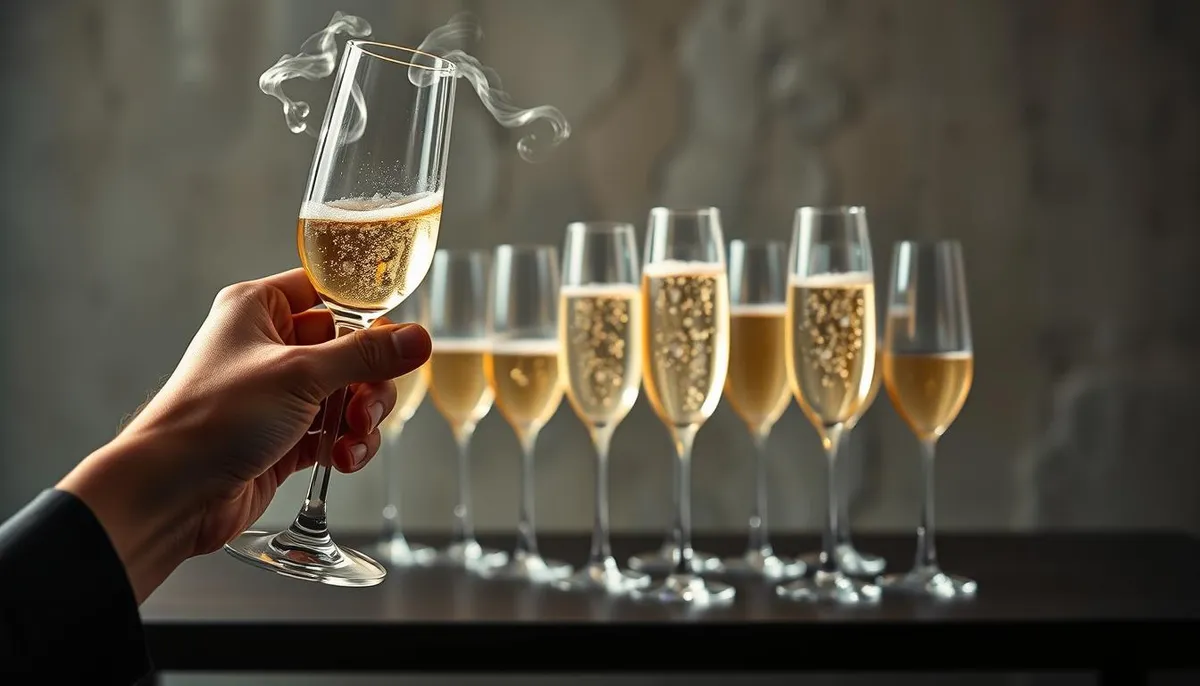
Observation is the first step. The presence of fine, enduring bubble streams indicates meticulous secondary fermentation and robust aging. A vibrant hue and animated rim denote freshness. Rapidly dissipating bubbles suggest a milder texture awaits the palate.
Proceed to the fragrance. Detect notes of apple, pear, lemon, and red berries. Uncover autolytic undertones—brioche, pastry, biscuit—along with almond, hazelnut, and elements of chalk or wet stone. Certain blends impart subtle oak nuances, like vanilla or marzipan. A gentle swirl enhances focus on the bouquet, maintaining the mousse.
Taste follows. Assess acidity in relation to the sweetness provided by dosage. Evaluate the body, typically ranging from medium to full, and the texture developed through lees aging. Monitor the persistence of flavors from the initial taste to the finale. Harmony is crucial; fruit, toast, and mineral profiles should synchronize seamlessly.
Adhere to optimal service practices. Avoid overpowering fragrances. Maintain control over the cork, removing it gradually to conserve the champagne’s effervescence. For older vintage, employ subtle riddling motions to prevent sediment dispersion. As the champagne temperatures increase, expect nuances of brioche, citrus oil, and nuts to emerge more prominently.
Experiment with a comparative tasting. Differentiate between Blanc de Blancs, Blanc de Noirs, and Rosé to discern the impact of grape selection on texture and flavor profiles. Arrange a tasting that includes both NV and vintage champagnes to explore variations in terroir, dosage, and lees aging duration. These strategies are applicable whether at home, in a sophisticated wine bar, or during a tasting session at a premium champagne bar.
Perfect Pairings: From Caviar to Fried Chicken
Champagne’s radiance is unveiled with simplicity: salty snacks, or opulent fare. Relying on its dosage offers insight into sophisticated or laid-back food combinations, tailoring each gathering around premium sparkling wines.
Seafood Elegance: Caviar, Scallops, and Crab with Blanc de Blancs
The lively, citrus-inflected essence and chalky undertones of Blanc de Blancs elevate the luxurious flavors of caviar, golden-seared scallops, and delicate crab. These selections are impeccable for celebratory toasts or to commence the New Year, their brisk acidity maintaining each morsel’s pristine appeal.
Holiday Classics: Turkey with Brut and Dessert with Demi-Sec
Roast turkey finds its counterpart in Brut, harmonizing with the bird’s savory juices and herbal nuances. As desserts grace the table, let a glass of Demi-Sec—or Doux for those indulging in berry-laden tarts—complement the sweets, forging an exquisite balance without discord.
Casual Favorites: Salty Snacks, Popcorn, and Creamy Cheeses
Champagne effortlessly slices through both saltiness and richness. Consider pairing it with crispy potato chips, lush, butter-infused popcorn, or mouthwatering fried starters. In this light, fried chicken emerges as a star, its flavors renewed by the effervescence and crisp acidity of the champagne. Compose a cheese platter with Brie and Camembert for a sumptuously soft contrast.
Brunch Ideas: Smoked Salmon, Quiche, Waffles, and Berries
Either Blanc de Blancs or Rosé becomes the ally of smoked salmon, velvety spinach quiche, and light waffles crowned with berries. This effervescent and finely bubbled partner energizes the entire selection, ensuring the meal remains buoyant and engaging.
- Brut Nature: Best for briny oysters, caviar, and extra-salty snacks.
- Brut: Great with roast turkey, fried chicken, and savory pastries.
- Extra-Dry to Demi-Sec: Ideal for lightly sweet courses, fruit salads, and glaze-touched hams.
- Demi-Sec to Doux: Match with berry pies, custards, and frosted cakes.
Incorporate these pairings into your daily desires or festive occasions, transforming each dining table into an elegant culinary scene. Additionally, be mindful of the customs duty on champagne when importing your favorite bottles, as it can affect the overall cost. Stock your cooler with exceptional sparklings, ensuring a fitting companion in your glass for every dish.
Where to Learn and Sip: Champagne Tasting Events and Experiences
Seeking to enhance your understanding of champagne? These events provide expert insight alongside practical experience. Attendees can partake in sessions led by specialists, enjoy tastings at renowned champagne bars, or relax in sophisticated wine bars. Each setting offers the opportunity to hone tasting skills and make informed purchasing decisions.
Champagne Workshops and Masterclasses in Iconic Venues
The Champagne Specialist Programme at Le Cordon Bleu London, created in partnership with Comité Champagne, encompasses aspects such as proper storage, service techniques, and savvy purchasing practices. Completing this course results in a certification recognized globally.
The London Wine Academy’s coursework includes a Champagne Specialist Course and a Masterclass on Champagne & Sparkling Wine. Participants will gain the ability to navigate labels, understand different methods of production, and enhance their abilities in pairing and serving, thanks to guided tasting sessions.
St Pancras by Searcys, located within Europe’s longest champagne bar, offers the Champagne School. Here, attendees can look forward to sessions led by experts, which are complemented by a three-course meal. The school offers themed tastings, which may include selections inspired by cinematic works or royal preferences, and private masterclasses tailored for corporate events.
Private and Luxury Tastings: Skyline Views and Curated Flights
The London Eye Champagne Experience integrates the elegance of champagne with breathtaking views. A glass of Pommery Brut Royal is served during a 30-minute ride. For those desiring a more exclusive experience, priority boarding and a private host are available.
GŎNG Bar, positioned on The Shard’s 52nd floor, provides a Luxury Champagne Tasting Experience. Guests will indulge in selections from Louis Roederer, complemented by exquisite canapés, against the backdrop of panoramic vistas, epitomizing a luxuriant champagne bar moment.
For an intimate setting, Wine Cottage offers Luxury Wine, Champagne & Port Tastings. These sessions, ideal for a sophisticated evening, feature cheese and truffle pairings, set within an elegant wine bar atmosphere that complements the allure of luxury home decor.
Travel Inspiration: Visiting Champagne Houses in France
In the heart of the Champagne region, Épernay and Reims are home to historic houses such as Moët & Chandon, Veuve Clicquot, and Ruinart. These tours offer a deep dive into the champagne-making process, from grape selection to aging. Visitors tour the ancient chalk cellars and sample various styles, providing unparalleled insight.
To maximize the experience, scheduling visits during weekdays and requesting tastings of aged cuvées is recommended. Complementing these tastings with a bistro lunch and exploration of local villages offers a comprehensive understanding of the region’s diverse terrains.
Investing in Champagne: Cellaring and Collectible Bottles
Platforms like Vinovest make it simplistic to acquire, store, and trade investment-grade champagne. This platform allows investors to diversify their portfolio with rare selections and notable vintages, ensuring they maintain a collection suited for both special occasions and long-term investment.
For personalized advice on expanding your collection to include valuable and flavorful bottles, seeking assistance from a specialist exporter is advisable. They can provide custom quotes and facilitate worldwide shipping, enabling the build-out of a cellar that reflects both personal taste and investment acumen. Using knowledge gained from champagne tasting events can guide these acquisitions. Additionally, understanding the dynamics of the global chardonnay export market can significantly enhance your collection strategy.
| Experience | Signature Focus | Ideal For | Notable Pour | Why It Stands Out |
|---|---|---|---|---|
| Le Cordon Bleu London | Certification, service, storage | Serious learners, trade-curious enthusiasts | Blind-tasted blends and vintages | Comité Champagne-backed curriculum with structured tastings |
| London Wine Academy | Label decoding, pairing, production | Home collectors, dinner hosts | Comparative flights across styles | Clear, practical tools for buying and serving |
| St Pancras by Searcys Champagne School | Themed masterclasses with dining | Groups, celebrations | Rotating prestige selections | Europe’s longest champagne bar setting adds theater |
| London Eye Champagne Experience | Skyline tasting with host options | Visitors, romantic outings | Pommery Brut Royal | Iconic view pairs with concise, guided tasting |
| GŎNG Bar at The Shard | Luxury verticals and canapés | Collectors, milestone nights | Louis Roederer selections | 52nd-floor tasting at a top champagne bar |
| Wine Cottage | Cheese and truffle pairings | Small groups, date nights | Curated Champagne and Port | Intimate feel of an elegant wine bar with expert hosts |
| Moët & Chandon, Veuve Clicquot, Ruinart | Cellar tours, chalk caves, heritage | Traveling enthusiasts | House styles across NV and vintage | Deep dive into terroir, aging, and disgorgement |
| Vinovest | Acquisition, storage, resale | Investors, long-term planners | Rare and vintage Champagne | Data-driven access to collectible bottles |
Tip: Balancing formal educational sessions with laid-back tastings can enrich your champagne knowledge. Alternating between classroom-led flights and evenings at distinguished wine bars solidifies learning, enhancing the champagne tasting experience.
Conclusion
Champagne, a prestigious wine from Champagne, France, benefits from unique terroir and meticulous craftsmanship. Its renowned effervescence, acidity, and distinctive flavors arise from the chalk-rich soils and meticulous méthode champenoise. The grapes Chardonnay, Pinot Noir, and Pinot Meunier establish its signature style. The sweetness level, adjusted by dosage, ranges from Brut Nature to Doux, facilitating nuanced selection for every occasion. A detailed champagne aroma description can further enhance your understanding of its complex profile.
The distinction between Non-Vintage, Vintage, and cuvée selections is pivotal. Non-Vintage champagnes offer reliable quality, Vintage versions express the peculiarities of a specific year, and cuvées demonstrate winemaking excellence. For a nuanced experience, opt for Blanc de Blancs for freshness, Blanc de Noirs for complexity, or Rosé for a touch of red fruit elegance. These champagnes pair masterfully with diverse cuisines, from luxurious seafood to casual fried dishes, enhancing both refined and simple meals.
Embark on a personal journey with champagne. Engage in tastings and masterclasses, enjoy selections at exclusive venues, or explore historic cellars in Reims and Épernay. For enthusiasts, meticulously curate a cellar with selections from renowned houses such as Louis Roederer, Bollinger, and Ruinart. This effort not only enhances knowledge but also ensures memorable celebrations enhanced by exceptional wines.
Manifesting ‘champagne on main’ begins with intentional curation. Design a captivating champagne program that spans from invigorating aperitifs to luxurious aged cuvées. Engage with distributors, including a duty free champagne supplier, to ensure a wide variety, suitable for any setting from upscale wine bars to exclusive events. By customizing your selection, you guarantee that every glass served contributes to an unparalleled champagne experience.
FAQ
What makes Champagne different from other sparkling wines?
Originating solely from France’s Champagne region, it undergoes a meticulous production process. Secondary fermentation occurs in the bottle to generate carbonation. The region’s unique climate and soils contribute to its distinct taste—bright acidity with a refined bubble structure. Moreover, Champagne’s signature flavors—brioche, almond, toast—emerge from lees aging. To bear the name Champagne, wines must strictly adhere to these geographic and methodological criteria.
Where is Champagne produced, and what are the key sub-regions?
Champagne’s production zone is northeast of Paris, enveloping areas such as Reims and stretches across several departments. This includes Marne, Aube, and others. It’s segmented into notable sub-regions: Montagne de Reims, Vallée de la Marne, among others. Each area imparts unique characteristics to the Champagne, owing to their distinct terroirs.
Which grapes are used in Champagne?
Primarily, Champagne relies on Pinot Noir, Chardonnay, and Pinot Meunier. Pinot Noir contributes body and red-fruit layers; Chardonnay introduces finesse and a vibrant lift; Pinot Meunier offers soft fruit notes and enhances approachability. Additionally, minor varieties like Arbane and Petit Meslier are permitted, diversifying the blend.
What is the méthode champenoise (traditional method)?
Initially, base wines are skillfully blended and bottled with liqueur de tirage for secondary fermentation. This intricate process, including aging on lees and riddling, culminates in disgorgement to remove sediment. Finally, dosage adjusts sweetness, and the wine is sealed with a cork and cage, ensuring quality.
How do Blanc de Blancs, Blanc de Noirs, and Rosé differ?
Blanc de Blancs champions Chardonnay, known for its citrus and precision. Blanc de Noirs, with Pinot Noir and/or Meunier, displays a fuller body and red-fruit richness. Rosé achieves its profile through adding still red wine or the saignée method, offering vibrant berry notes.
What is the Voltis grape trial in Champagne?
Commencing in late 2022, the Voltis trial permits a mildew-resistant hybrid on a limited scale: a maximum of 5% vineyard area and 10% in blends, subject to renewal. This aims to maintain over 95% traditional varietals in vineyards, integrating sustainability into Champagne production. Additionally, champagne importers uae play a crucial role in bringing these exceptional wines to the market.
What are the sweetness levels from Brut Nature to Doux?
Champagne sweetness ranges vastly. Brut Nature is the driest, with under 3 g/L sugar. Sweetness then escalates through Extra Brut, Brut, to Extra-Dry, and further to Sec, Demi-Sec, culminating with Doux, the sweetest at over 50 g/L. Each level is determined by dosage, harmonizing acidity and sweetness.
How long does Champagne age before release?
Aging requirements distinguish Non-vintage from vintage editions. Non-vintage Champagne mandates a minimum 15-month lees aging to enhance flavor depth. Conversely, vintage and prestige cuvées may age significantly longer, enriching their complexity.
What should I look for when tasting Champagne?
Evaluate the bead for quality, observing steady, fine bubbles. Aroma profiles range from fruits to bakery and nutty notes. Palate assessment should consider acidity, body, and the wine’s lasting finish. Allow the Champagne to warm slightly, unveiling its full spectrum of flavors.
What glass and serving temperature are best?
Optimal enjoyment comes from using tulip-shaped glasses, which concentrate aromatics and maintain effervescence. Ideal serving temperatures vary, with Brut NV best at 46–50°F, while vintages can be served slightly warmer to enhance their nuances. Avoid aromatic interference and open bottles with care.
What foods pair best with Champagne?
Pairing Champagne with food elevates both elements. Blanc de Blancs complements high-end seafood; Brut works well with poultry and fried foods. Demi-Sec is a match for sweeter plates or desserts. Enhance casual snacking with salty bites and creamy cheeses, while Rosé pairs splendidly with salmon and berry-infused dishes. For those looking to elevate their celebrations, consider these event champagne tips to ensure a perfect pairing experience.
What is the difference between non-vintage and vintage Champagne?
Non-vintage Champagne blends multiple years for consistency, while vintage Champagne heralds from a single, exceptional year, often aging longer to deepen its complexity and express terroir more distinctly.
What do “cuvée,” “Premier Cru,” and “Grand Cru” mean?
Cuvée denotes a specific blend from a Champagne producer. Premier Cru and Grand Cru classify vineyards based on quality within Champagne, indicating superior grapes that contribute to the wine’s finesse or strength.
What flavors come from lees aging?
Autolysis during lees aging imbues Champagne with bakery and nutty flavors, such as brioche and almond, alongside a creamy texture. Extended aging refines the bubble texture, enriching the overall complexity.
How is Champagne pressed if two key grapes are red?
To maintain Champagne’s signature hue and qualities, Pinot Noir and Meunier undergo gentle pressing. This minimizes skin contact, preserving a delicate color and ensuring the wine’s trademark acidity and aroma.
Where can I take Champagne classes or tastings?
In London, prestigious institutions and luxury venues offer Champagne learning experiences. Programs range from Le Cordon Bleu’s specialized training to interactive tastings atop city landmarks. These settings provide deep dives into Champagne’s complexities.
Can I visit Champagne houses in France?
Visitor tours are welcomed by iconic Champagne houses, showcasing their meticulous crafting processes. These tours, often in historic cellars, blend educational insights with tastings, highlighting the Champagne journey from grape to glass.
How do I start collecting or investing in Champagne?
For aspiring collectors, prioritizing reputable houses and notable vintages is key. Engage professional platforms for secure handling and market insight. Proper storage and documentation enhance the collection’s value and enjoyment.
What is “champagne on main,” and how does it relate to an upscale champagne bar?
Champagne on Main symbolizes the apex of luxury bar experiences, offering sophistication and a curated Champagne selection in your vicinity. It embodies the essence of a high-end lounge, setting an unparalleled standard for enjoyment and ambiance.
What can I expect from a fine dining experience with Champagne pairings?
Fine dining with Champagne elevates the culinary journey. Selections are meticulously paired with dishes to enhance flavor harmonies, from seafood to desserts. Expertly served in precise glassware at the correct temperature, these pairings accentuate the luxury dining landscape.
Do elegant wine bars host Champagne tasting events?
Premier wine bars frequently host Champagne events, showcasing a spectrum from sweet to dry, exploring grape varieties and maturation contrasts. These sessions, often in exclusive settings, empower patrons with knowledge and appreciation for Champagne’s diversity.
How can I source Champagne for events with worldwide shipping?
International selections and comprehensive quotes are accessible at https://champagne-export.com. This platform caters to discerning clients, offering an assortment of Champagne for global occasions.
What are the hallmark aromas and textures I should identify?
Champagne should reveal a bouquet of fruits and bakery notes, accented with mineral undertones. Expectation includes lively acidity and a varying body, defined by the specific blend, ensuring a memorable tasting experience.
Any service tips for older bottles?
Handling mature Champagne necessitates care—cool storage, minimal movement, and slow pouring to avoid disturbing sediment. Patiently allowing the wine to breathe uncovers its layered elegance, adding to the enjoyment.
How do I choose between Brut Nature, Extra-Dry, and Demi-Sec?
Selecting among Champagne styles involves matching the wine’s sweetness with personal preference and dish profiles. From the driest Brut Nature to the sweetest Doux, each brings a unique element to the pairing, enhancing the culinary experience.
What makes a top champagne bar or elegant wine bar stand out?
Distinguished by a comprehensive Champagne selection and expert tasting events, premier bars excel in presentation and service. Tulip glasses, correct temperature, and an engaging atmosphere define these venues, promising an unparalleled experience.