Discover the art behind a perfect champagne and sushi pairing. Sushi is the result of centuries of skill and a constant search for balance in Japanese cuisine. The Itamae trains for over ten years to master fish selection, slicing, and rice seasoning.
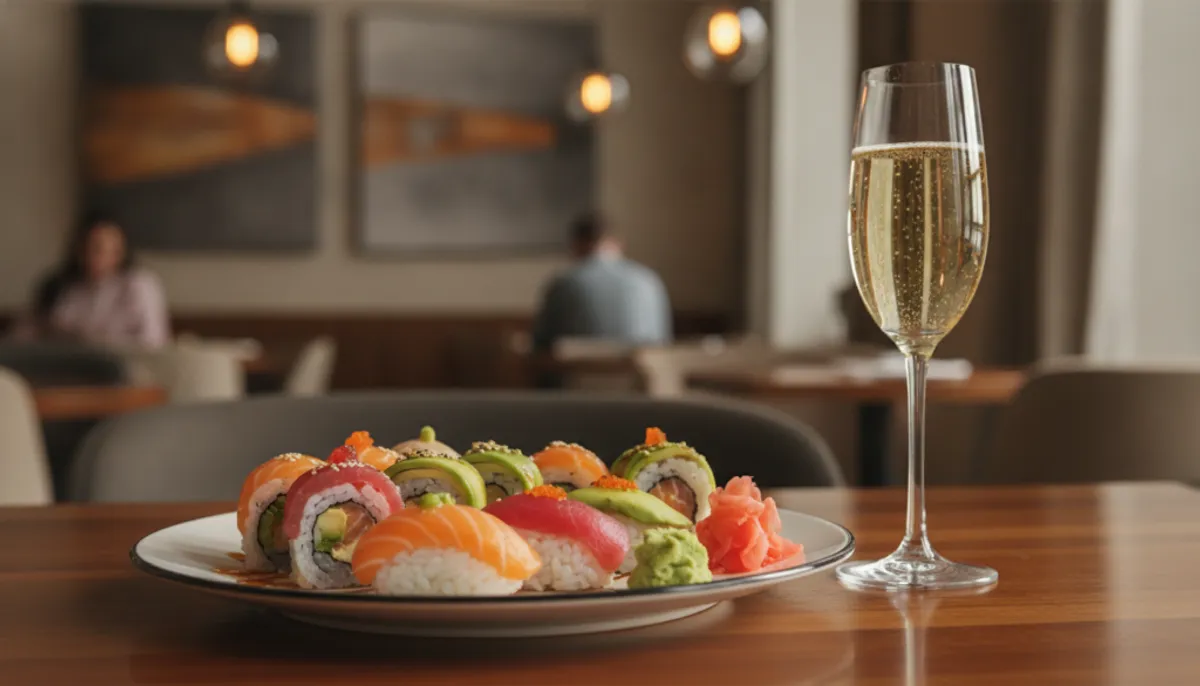
High-end sushiya serve each piece at the counter to preserve texture and temperature. Freshness of the fish and precise rice seasoning define the experience. Understanding raw fish helps you sense how delicate textures meet complex bubbles and acidity.
Key Takeaways
- The Itamae’s decade-long training shapes authentic flavor and technique.
- Quality sushi centers on fish freshness and exact rice seasoning.
- Learning raw fish nuances improves how you match wines.
- Top-tier sushiya serve piece by piece for ideal tasting.
- This guide explains why champagne sushi combinations shine with careful handling.
- Additionally, following champagne labeling guidelines can enhance your understanding of the wines you select.
The Art of Champagne and Sushi Pairing
The dialogue between delicate raw fish and lively, mineral-driven bubbles can transform a simple course into an event.
The Itamae trains for over a decade to present each piece at its peak. That discipline matters when making a successful match between plate and glass.
Freshness and minerality in the glass mirror the clean lines of sashimi. In Tokyo, top counters often choose Brut or Blanc de Blancs to complement fragile textures.
The fine bubbles bring lift, energy, and clearer aromas to the tasting. They also cleanse the palate and cut through fattier cuts like tuna or salmon, refreshing the mouth between bites.
Respectful pairings honor tradition while enhancing the overall experience. When the bubbles, minerality, and temperature align with precise slicing and rice seasoning, each bite feels more defined.
- Itamae skill sets the stage for ideal pairings.
- Fine bubbles elevate aromas and cleanse the palate.
- Minerality and freshness create a natural match for raw fish.
Understanding the Science of Umami Synergy
A savory surge known as umami helps bright wines and raw fish sing in concert. Discovered in Japan in 1908, umami appears in seafood, soy, and fermented ingredients. It boosts salt and sweet sensations in every bite.
The role of fermentation is key. Rice vinegar, salt, sugar, and sometimes kombu season shari, creating a base that highlights subtle sea notes. Nori in maki adds another umami layer that complements complex bottles.
The Role of Fermentation
Fermented elements amplify depth. Soy sauce and aged condiments bring savory notes that change how a glass tastes.
Balancing Salt and Sweetness
Fatty tuna or salmon supply richness that needs crisp acidity from a white wine to keep balance. The acidity refreshes the palate and preserves texture.
- Tip: Match rice, fish, and sea flavors with wines that show minerality and freshness.
- Understand umami to better choose a bottle that pairs well with your favorite food.
Why Bubbles Elevate Raw Fish
Effervescence adds snap and clarity, making every bite feel brighter on the tongue.
Freshness in raw fish benefits most from a sparkling wine that can lift texture and aromatics. Small bubbles act like tiny brushes, clearing the palate between bites so each piece reads cleanly.
Cleansing the Palate
Effervescence refreshes the mouth and trims richness. High acidity works with the fizz to balance fatty fish and seasoned rice.
- Chablis and dry Riesling offer crisp minerality for white fish, shrimp, sea bream, and scallops.
- Sancerre and Pouilly-Fumé bring citrus and herb notes that suit tuna, salmon, and spicy rolls.
- Many sommeliers favor bubbles over a heavier sauvignon blanc because the fizz preserves freshness and minerality.
| Wine Style | Best for | Key Traits | Why it works |
|---|---|---|---|
| Chablis | White fish, shrimp | Crisp, mineral | Highlights delicate texture without overpowering |
| Dry Riesling | Sea bream, scallops | Elegant tension | Balances sweetness and sea flavors |
| Sancerre / Pouilly-Fumé | Tuna, salmon, spicy rolls | Citrus, fresh herb | Adds brightness to bold flavors |
| Sparkling wine | Most raw fish | High acidity, bubbles | Cleanses between bites and lifts richness |
Selecting the Right Champagne for Your Sushi
Choose a bottle that respects delicate textures while adding lift and clarity to each bite. A short list of styles covers most menus and helps you match rice, fish, and sauce with confidence.
Blanc de Blancs Finesse
Blanc de Blancs is made from 100% white grapes. It offers bright citrus notes, floral aromas, and high acidity that suit sashimi and light white fish.
The Versatility of Brut
Non‑vintage Brut is crisp, low in sugar, and very flexible. Its fine bubbles and minerality make it a dependable wine for tuna and salmon nigiri.
Rosé for Spicy Rolls
Rosé gains body by blending red and white grapes. The added structure and acidity help it stand up to heat in spicy rolls and crab preparations.
- Recommendation: Laurent‑Perrier La Cuvée (55% Chardonnay, 45% Pinot Noir, 4 years on lees) pairs well with salmon and tuna nigiri.
- Look for bottles with fine bubbles, clear citrus notes, and good minerality to let sea flavors shine.
Exploring Different Sushi Styles and Textures
From hand-pressed nigiri to crunchy maki, each style asks for a different glass at the table.
Nigiri is hand-shaped rice with a slice of fish on top. The rice supports the texture and the fish’s aroma. Cuts like Hira-zukuri or Sogi-zukuri change bite feel.
Maki is rolled in nori, which adds chew and sea notes. Uramaki puts rice outside, boosting sweetness and crunch in contemporary rolls.
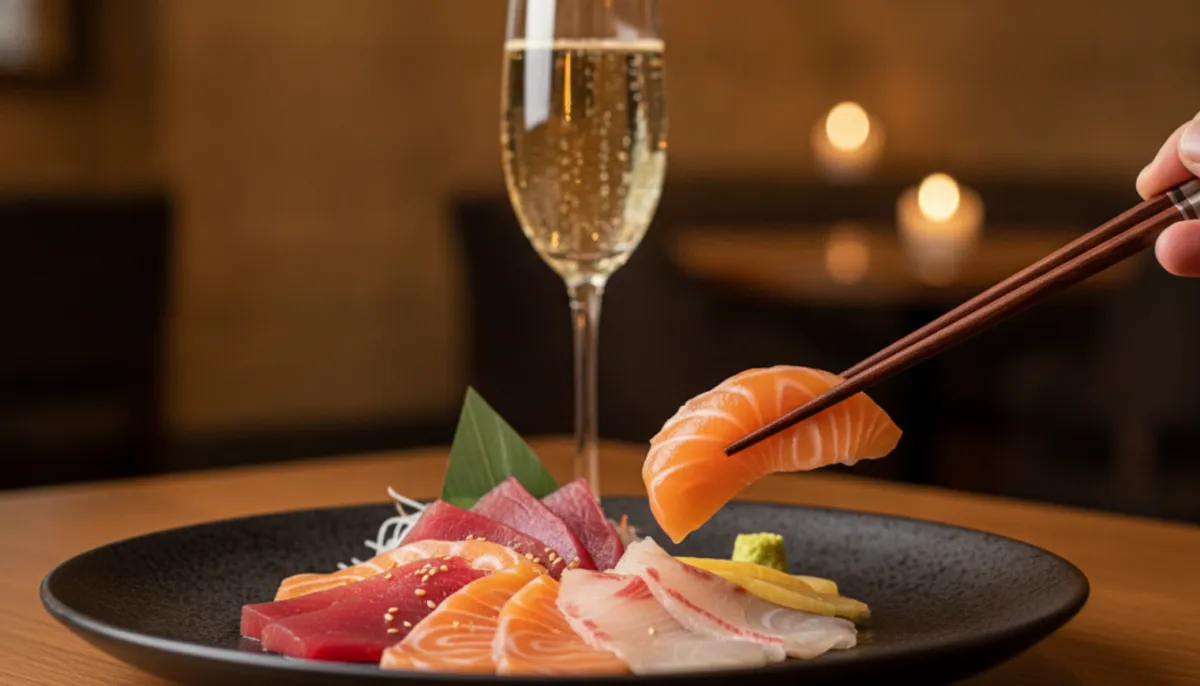
Sashimi is raw fish without rice. It needs a wine that honors purity, shows minerality, and lifts delicate aromas. Suzuki (sea bass) and Tai (sea bream) often match well with clean white wines. Additionally, the growing trend of wine imports in kenya has introduced a variety of options that can enhance these pairings.
- The fish’s firmness, from lean sea bass to fatty tuna, guides the choice of wine.
- A light Pinot Noir or a crisp sauvignon blanc can contrast richness in salmon and refresh the palate.
- The Itamae’s precise slicing optimizes texture, making each bite a fine canvas for wines.
| Sushi Style | Texture | Recommended wines | Why it works |
|---|---|---|---|
| Nigiri | Silky, direct | Blanc de blancs, white wine | Preserves fish aromas, supports rice |
| Sashimi | Pure, delicate | Crisp white wines, mineral-driven wines | Minerality highlights clean sea flavors |
| Maki / Uramaki | Crunchy, layered | Pinot noir, fruit-forward wines | Structure meets rich sauces and rolls |
Expert Tips for a Refined Dining Experience
Small details—temperature, tools, and timing—define a truly refined dining moment.
The Importance of Serving Temperature
Sushi should arrive at cool room temperature, with the rice slightly warm and the fish gently chilled. This contrast lets the rice release aroma while the fish keeps its texture and freshness.
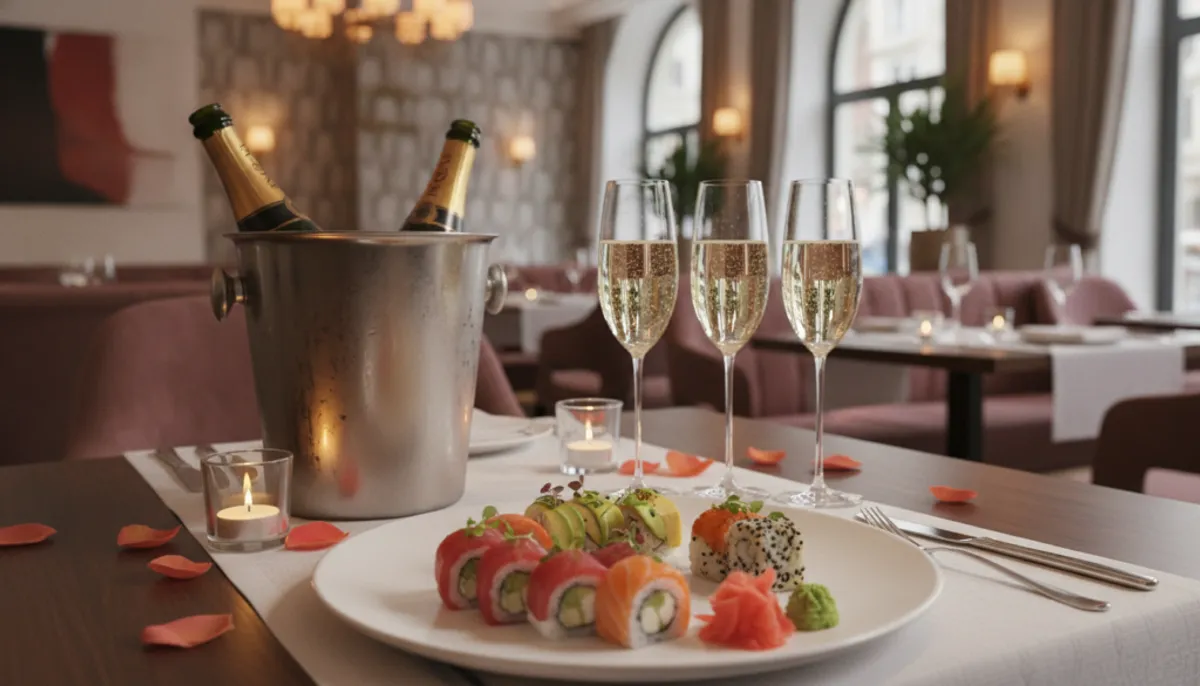
Use your fingers for nigiri to feel the balance of rice and slice. Pick up sashimi with chopsticks to preserve the cut and the aromas.
Ginger acts as a neutral reset between bites. Taste it between pieces, but never rest it on the fish. Use soy sauce sparingly—dip the fish side only so the rice and delicate flavors remain intact.
Practical Notes for Wine and Service
- Serving size: A typical meal runs 12–20 pieces, often with miso soup to warm the palate.
- Wine choices: For richer tuna or salmon, try a light Pinot Noir or a high-acidity white wine to balance richness and emphasize minerality.
- Palate care: Cleanse between pieces with ginger to appreciate distinct notes from each cut.
Beyond Sushi: Tempura and Other Japanese Delicacies
Crisp, fried textures from tempura invite a brighter glass that cuts through oil and lifts flavors.
Chef Brandon Hayato Go of two‑Michelin‑star Hayato praises Krug for tempura at the start of a meal.
Olivier Krug explains that attention to detail links Japanese cooking with the house’s style. The batter’s light crunch and salt let acidity and citrus notes open up in the glass.
Sakura ebi, tiny fried shrimp, often begins menus. Its delicate texture shows how fine bubbles and minerality can tame richness while keeping freshness intact.
- Tip: For fried fish or grilled dishes, reach for a vintage bottle with energy; it pairs well with savory crunch.
- Krug Grand Cuvée 173ème Édition is recommended for richer fried plates when you want bold aroma and depth.
| Dish | Key trait | Best wine | Why it works |
|---|---|---|---|
| Tempura | Light crunch | Sparkling wine / vintage | Acidity cuts oil; fine bubbles lift flavors |
| Fried shrimp (sakura ebi) | Delicate, salty | Blanc or white wine | Minerality preserves freshness and texture |
| Charcoal‑grilled fish | Smoky richness | Full white or light red | Acidity and subtle tannin balance richness |
Global Export Options for Fine Champagne
When a fine bottle must travel far, every step—from warehouse to dinner table—matters. This includes considerations like morocco alcohol imports, as we source rare labels and everyday classics to suit any occasion.
Looking for Champagne? We’ve got you covered. Request a personalized quote at https://champagne-export.com and let our team handle customs, shipping, and tracking, including duties and tariffs on champagne.
Our export services ensure your next meal arrives with the same care it left the cellar. We use temperature-controlled packing and trusted couriers to protect every bottle.
- Perfect match for dining: Choose from renowned houses to complement a special sushi meal or formal dinner.
- Global reach: Bottles shipped to the United States and beyond with full documentation.
- Guaranteed freshness: Cold-chain transport and careful handling preserve aroma and effervescence.
- Easy quote: Visit https://champagne-export.com to view inventory and request a custom estimate.
- Dedicated support: Our export team manages logistics so you can focus on the event.
| Service | Benefit | Ideal for |
|---|---|---|
| Cold-chain shipping | Preserves temperature and aroma | Rare vintages, sensitive bottles |
| Customs handling | Fast clearance and documentation | International gifts and restaurants |
| Inventory sourcing | Access to top houses worldwide | Private events and fine dining |
Conclusion
A thoughtful finish ties the rice, fish, and glass into a single, vivid memory. This experience rewards attention to detail and respect for texture.
Balance matters: let cool rice, precise cuts, and the right wine sharpen flavors. A light bottle brings freshness and heightens umami without masking subtle notes.
Whether you reach for a crisp vintage or a more floral option, there is a glass to match tuna or salmon at the counter. Explore curated selections to find the ideal bottle for your next meal.
Enjoy the ritual, savor each bite, and let careful choices turn dinner into something more than a meal — a memorable culinary moment.