Certain occasions demand nothing less than premium champagne’s whispering pop. Embodying the pinnacle of celebratory spirits, it brings refinement, delicacy, and happiness. It enlivens everything from romantic proposals to significant grand openings.
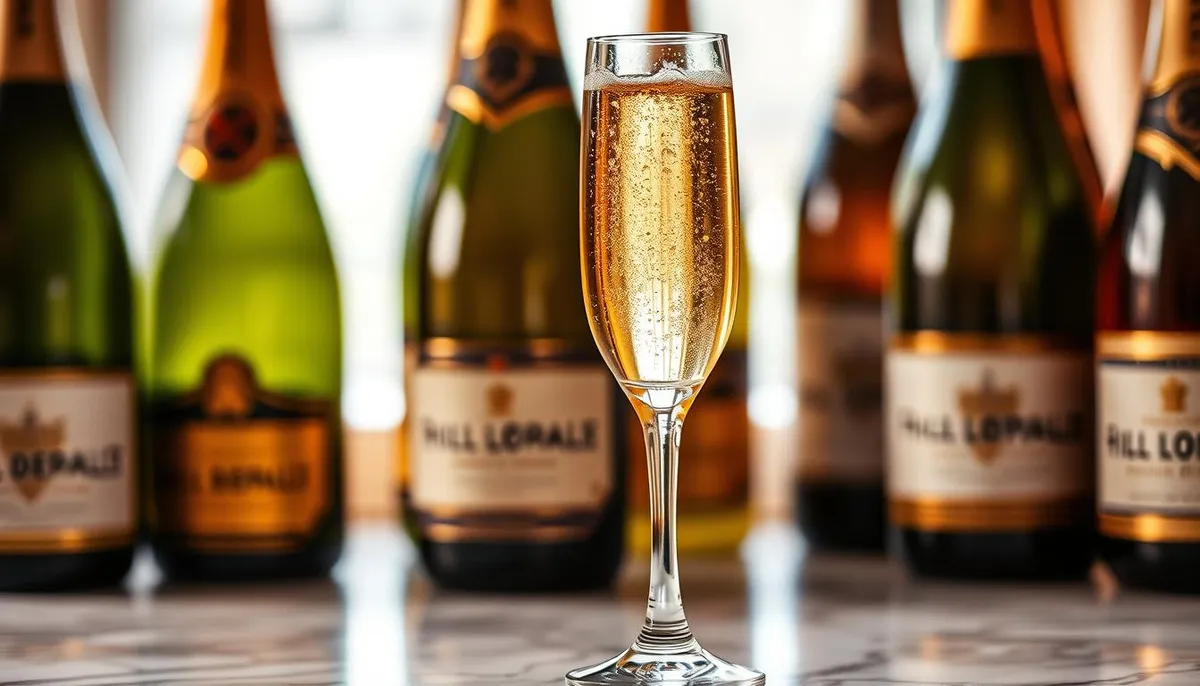
This guide elucidates what constitutes luxurious bubbly, the significance of proper glassware, and methods for confident serving. It encompasses a discussion on diverse styles found within elite champagne collections. Moreover, it offers advice on selecting exceptional champagne for celebrations, gifts, and galas. Guidance ranges from choosing premiere champagnes for pivotal moments to pairing them with appropriate glassware to enhance their bouquet and bubbles.
The discourse extends to elite crystalware, featuring artisan and European creations by labels such as Waterford and Riedel. These are designed to perfect the champagne’s froth and enrich its subtleties. For those seeking expert sourcing advice, we provide straightforward strategies to acquire champagne for momentous occasions. In need of Champagne? We present top-notch selections available for global dispatch. Secure a customized quote today at https://champagne-export.com.
Key Takeaways
- Premium champagne is the benchmark for major milestones and elegant toasts.
- Glass shape guides aroma, texture, and the liveliness of bubbles.
- Explore a premium bubbly collection to match style, mood, and budget.
- The finest quality champagne shines in both intimate dinners and grand weddings.
- High-end bubbly pairs with crystal stemware to elevate mousse and detail.
- Top tier champagne makes a lasting gift for engagements, anniversaries, and promotions.
- Reliable export and personalized quotes simplify planning for champagne for special occasions.
What Defines Luxury Sparkling Wine and High-End Bubbly
True Champagne originates only from France’s Champagne region, adhering to rigorous standards. Those who seek luxury sparkling wine or high-end bubbly anticipate unparalleled finesse, precision, and a finish that endures. Esteemed labels such as Moët & Chandon, Veuve Clicquot, Bollinger, and Taittinger pave the path. Dom Pérignon and Cristal epitomize the zenith of quality from a distinct echelon of champagne brands, including the rising popularity of celebrity champagne brands.
These benchmarks guide how we judge balance, texture, and aroma in every glass.
Appellation, grape varieties, and traditional méthode champenoise
Champagne is primarily produced from Chardonnay, Pinot Noir, and Pinot Meunier grapes. Blanc de Blancs is exclusively Chardonnay, offering a lifted, citrus profile, whereas Blanc de Noirs incorporates black grapes, providing depth and structure.
The pivotal méthode champenoise or traditional method induces a second fermentation within the bottle. This process is crucial, resulting in fine, enduring bubbles and a layered complexity. Such a method is indispensable to luxurious sparkling wines and exceptional champagne.
Non-vintage vs. vintage and prestige cuvée distinctions
Non-vintage champagnes integrate numerous harvests, ensuring a consistent style and value across years. Conversely, vintage champagnes are a product of a singular, exceptional year, displaying distinct character and notable ripeness.
Prestige cuvées stand supreme among exclusive champagne brands. They are characterized by prolonged aging, meticulous selection, and a polished profile. This represents the pinnacle of high-end bubbly.
Aging on lees and how it shapes texture, aroma, and complexity
Lees aging, the practice of allowing wine to remain in contact with the spent yeast, enriches the texture and introduces a fine effervescence. It imparts flavors of brioche, almond, and pastry, hinting at the wine’s depth.
Extended lees aging, standard for vintage and flagship variants, enhances intricacy and prolongation in taste. This results in a sparkling wine of luxurious quality, characterized by a more substantial mid-palate presence and the grace of superior champagne.
| Style | Grapes | Method | Lees Aging | Profile | Notable Houses |
|---|---|---|---|---|---|
| Non-Vintage | Blend of Chardonnay, Pinot Noir, Pinot Meunier | Traditional in-bottle second fermentation | Moderate | Consistent, fresh, versatile high-end bubbly | Moët & Chandon, Veuve Clicquot, Taittinger |
| Vintage | Single harvest selection | Traditional in-bottle second fermentation | Extended | Focused fruit, structure, and savory nuance | Bollinger, Louis Roederer, Pol Roger |
| Prestige Cuvée | Top parcels and strict picking | Traditional in-bottle second fermentation | Long | Layered complexity, finest quality champagne expression | Dom Pérignon, Cristal, La Grande Dame |
| Blanc de Blancs | 100% Chardonnay | Traditional in-bottle second fermentation | Moderate to long | Citrus lift, chalky tension, refined finish | Ruinart, Salon, Pierre Peters |
| Blanc de Noirs | Pinot Noir and/or Pinot Meunier | Traditional in-bottle second fermentation | Moderate to long | Richer texture, red-fruit tones, savory depth | Krug, Egly-Ouriet, Bollinger |
Choosing Champagne for Special Occasions and Weddings
Few things elevate celebrations like premier champagne. It enriches every stage of the event, from the ceremony to the final cheers. Choosing an upscale champagne selection allows alignment with the event’s theme, culinary choices, and financial plan. Premium champagne transforms pivotal moments into unforgettable memories. For those looking to enjoy the experience in the city, champagne bars nyc offer a fantastic setting to celebrate. Couples are advised to carefully select both the variety and quantity to ensure all attendees can partake in the festivities.
Why Champagne symbolizes celebration, sophistication, and tradition
Champagne is synonymous with significant celebrations, combining ritual with craftsmanship. The sound of the cork popping signifies commencement, while its delicate fizz symbolizes elegance. Hence, many opt for champagne for special occasions for their initial toast. This preference stems from the heritage of renowned champagne houses and the vivacity brought forth by exquisite bubbly.
Matching style to the moment: toast, cocktail hour, dessert, late-night
- Official toast: Select a prestige cuvée or a notable non-vintage for its distinct clarity, longevity, and effervescence that enhances photos.
- Cocktail hour: Serve accessible NV or value sparkling wines alongside an upscale champagne selection to maintain an energetic and harmonious ambiance.
- Dessert: A Demi-Sec complements fruit pastries and cakes well; rosé accentuates berries and lighter meats.
- Late-night: Opt for crisp, low-dosage options to rejuvenate guests and ensure smooth transition to the dance floor.
Popular wedding picks: iconic houses, rosé for romance, Blanc de Blancs for citrus lift
Revered brands project confidence: Moët & Chandon Impérial Brut, Veuve Clicquot Yellow Label, Bollinger Special Cuvée, and Taittinger Brut La Française stand out. For the central toast, Dom Pérignon is a frequent choice. Billecart-Salmon Brut Rosé adds a touch of soft red fruit and romantic allure. Blanc de Blancs is prized for its vibrant citrus notes and elegance—perfect when seeking premium champagne that impresses with subtlety.
Guest count planning: from toast-only to full reception service
A 750ml bottle serves approximately six flutes. Allocate one glass per attendee for a toast, and two for both toast and cocktail hour. For comprehensive catering, estimate half a bottle per person. Adjust according to the size of the gathering, opting for magnums for efficiency and effect, and 187ml splits as charming parting gifts. This strategy ensures the celebration remains well-supplied with chilled, top-tier bubbly, avoiding both shortage and excess.
- Quick guide: Toast-only equals one glass per person; Toast plus Cocktail Hour means two glasses; Full Reception calls for three to four glasses per person.
- Arrange a discerning, upscale champagne selection that harmonizes extravagance with joy.
premium champagne
Explore offerings from eminent houses like Moët & Chandon, Veuve Clicquot, Bollinger, Taittinger, and Dom Pérignon. These names are synonymous with unsurpassed champagne craftsmanship. They ensure consistent excellence across years, catering to diverse taste preferences.
For those seeking approachable choices, non-vintage champagnes provide harmony and dependability in taste. Yet, if distinctiveness is desired, opt for a vintage selection. Celebratory events merit a prestige cuvée, offering complexity, lingering finishes, and unforgettable experiences.
Elevate service through the use of hand-crafted, lead-free European crystal glasses. This ensures the champagne’s aroma and delicate mousse are fully appreciated. The proper glassware reveals the champagne’s quintessential notes of citrus, brioche, and minerality to the fullest.
Seeking exclusive champagne with global delivery options? Our selection is unparalleled, ready for worldwide shipping. Obtain a customized quote now at https://champagne-export.com. Your quest for refined champagne ends with us.
Curate an exceptional champagne repertoire combining non-vintage labels for casual entertaining, select vintages for enhanced complexity, and flagship cuvées for pivotal celebrations, including elegant celebrations. This strategy delivers versatility while maintaining elite standards.
Upscale Champagne Selection: Styles, Sweetness Levels, and Food Pairing
Assembling an upscale champagne selection becomes uncomplicated and sophisticated with the right choices. Opt for a dry, non-vintage champagne to appeal to a broad audience during receptions and dinners. When the moment calls for it, present a vintage or a prestige cuvée from renowned houses like Louis Roederer, Pol Roger, or Krug for significant toasts. Such a strategy not only underscores the champagne’s exceptional quality but also ensures seamless service throughout the event.
A balanced lineup lets luxury sparkling wine shine across the meal without overwhelming the palate.
Brut, Extra Brut, and Demi-Sec explained
Brut and Extra Brut champagne exemplify dry styles with a crisp, structured mouthfeel. These styles are popular with most guests and pair well with a diverse array of culinary offerings. Demi-Sec, characterized by its noticeable sweetness, is more appropriate for dessert or as a nightcap.
Opt for Brut to satisfy a wide range of palates during cocktail hour. Switch to Demi-Sec to accompany desserts like sweets and fruit tarts, balancing the sweetness with its bright acidity.
Blanc de Blancs vs. Blanc de Noirs flavor profiles
Blanc de Blancs champagnes, primarily made from Chardonnay, offer a lightness, citrusy zest, and minerality that make them perfect for aperitifs and pairing with delicate seafood dishes. Esteemed labels in this category include Ruinart Blanc de Blancs and Pierre Peters.
Conversely, Blanc de Noirs champagnes, which are primarily crafted from Pinot Noir and Pinot Meunier, present a fuller body and savory nuances. These champagnes are ideal for accompanying richer dishes. Noteworthy producers include Bollinger, Egly-Ouriet, and Billecart-Salmon, recognized for their exemplary styles.
Pairings: seafood and light apps, light meats, fruit desserts, and sweets
Pair Brut champagne with oysters, shrimp cocktail, and gougères to accentuate saline undertones. Rosé Champagne, with its hints of red berries and a fine structure, is a brilliant match for light meats such as roast chicken or pork tenderloin.
Demi-Sec champagne proves to be exceptionally versatile with fruit desserts and pastries, offering a refreshing contrast without being overly sweet. This approach ensures that luxury sparkling wine captivates from the beginning of the meal to its conclusion.
| Style | Sweetness/Body | Flavor Markers | Best Pairings | Occasion Fit |
|---|---|---|---|---|
| Extra Brut | Very dry, light–medium body | Lemon zest, green apple, chalk | Raw bar, crudo, caviar, sashimi | Opening reception; palate-cleansing aperitif |
| Brut | Dry, medium body | Citrus, pear, toasted brioche | Seafood, light apps, soft cheeses | All-purpose service; crowd-pleasing anchor |
| Demi-Sec | Off-dry to sweet, medium body | Honeyed stone fruit, vanilla | Fruit tarts, macarons, shortbread | Dessert course; late-night pours |
| Blanc de Blancs | Dry, light body | Citrus, white flowers, mineral finish | Oysters, shrimp, tempura vegetables | Aperitif; seafood-focused menus |
| Blanc de Noirs | Dry, fuller body | Red berries, brioche, subtle spice | Roast chicken, pork, mushroom dishes | Main courses; savory depth |
| Rosé Champagne | Dry, medium body | Strawberry, pomegranate, rose | Charcuterie, salmon, fruit-forward desserts | Toasts and romantic moments |
This curated champagne selection ensures each moment of your gathering is enhanced. Every chosen bottle contributes its own unique nuances, thus ensuring the highest quality champagne and luxury sparkling wine brings harmony and distinction to any occasion, from the opening toast to the final dessert.
Glassware That Elevates the Finest Quality Champagne
The correct glass makes every bubble in the champagne stand out, enhancing its aroma. For exceptional champagne and other premium sparkling wines, the glass’s shape and cleanliness are crucial. It’s vital to use immaculate, room-temperature stems. This ensures the preservation of the stream of bubbles and the delicate foam that premium champagnes are known for.
Flutes for persistent bubbles and celebratory toasts
Classic flutes produce a vibrant column of bubbles, perfect for toasts. Their narrow design helps retain the champagne’s effervescence longer. Opting for a fine-rimmed flute enhances the drinking experience during significant celebrations, lending a refined touch to the finest champagnes.
Tulip and white wine glasses for vintage and prestige cuvées
Tulip glasses, with their widened bowl and tapered rim, expertly concentrate the champagne’s aroma while allowing the bubbles proper space to rise. White wine glasses achieve a similar effect, aiding the development of complex flavor profiles. These glasses are ideal for enjoying high-end bottles from esteemed producers like Dom Pérignon, Louis Roederer Cristal, and Krug. The nuanced textures and layers of these premium champagnes are thus fully appreciated.
Why coupes are stylish but not ideal for effervescence
Coupes, though stylish with their retro appeal, are not suited for preserving bubbles. Their wide, shallow bowls cause the champagne’s texture and aroma to diminish quickly. For those wishing to highlight the champagne’s refined effervescence, choosing a tulip or flute glass is recommended. These choices respect the intricate qualities of premium champagnes.
| Glass Type | Best Use | Effervescence Retention | Aroma Focus | Notes for Service |
|---|---|---|---|---|
| Flute | Toasts, lively non‑vintage pours | High | Moderate | Great visual column of bubbles; keep glass clean and room‑temp |
| Tulip | Vintage and prestige cuvées | High | High | Wider bowl, tapered rim concentrates bouquet and preserves mousse |
| White Wine Glass | Complex styles, extended lees aging | Moderate | High | Encourages aromatic development; pour smaller servings to keep cool |
| Coupe | Short, stylish sips and cocktails | Low | Low | Retro look but bubbles dissipate quickly; not ideal for fine mousse |
Crystal Champagne Flutes and Designer Stemware to Enhance Aroma and Effervescence
Fine stemware shapes how bubbles rise, aromas unfold, and flavors persist. With a luxury sparkling wine, the appropriate glass transforms every sip into an extraordinary experience.
Hand-blown, lead-free, and European crystal options
Hand-blown, lead-free crystal provides a delicate balance and exceptional clarity. European crystal, from esteemed manufacturers like Riedel, Zwiesel Glas, and Schott Zwiesel, is celebrated for its soundness and resilience. Thin rims and tailored bowls amplify the citrus, brioche, and stone fruit notes common in premium sparkling wines.
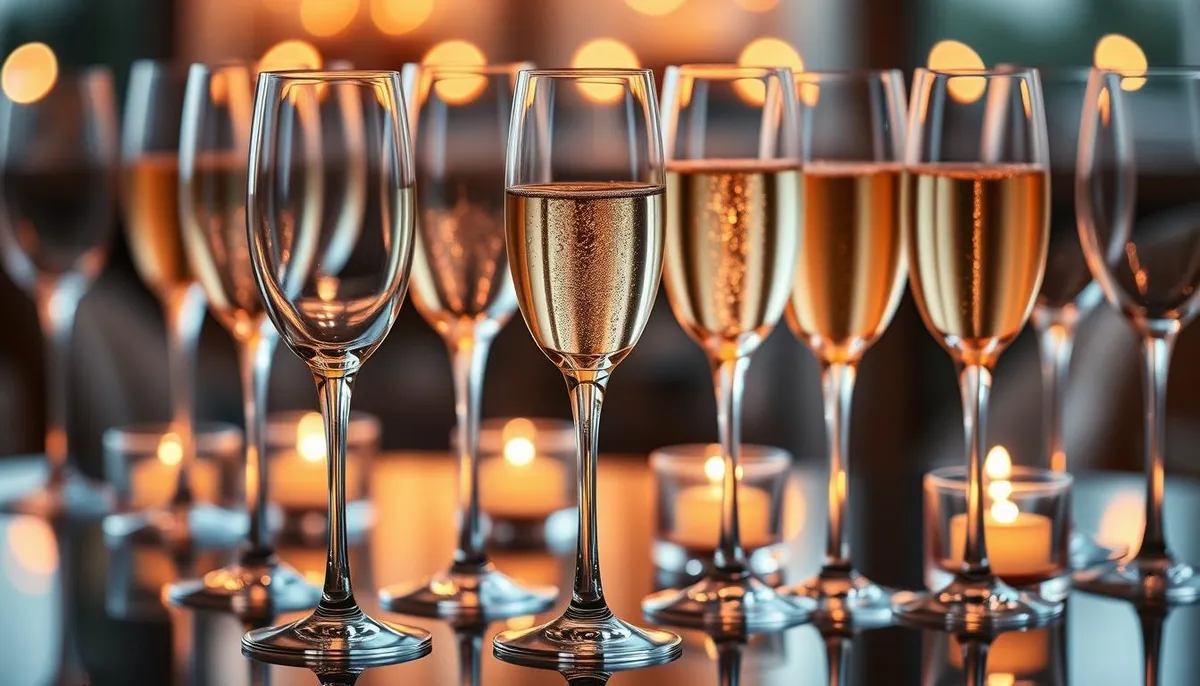
Elegant flute sets, artisan tall flutes, and modern designs
Elegant flute sets from prestigious brands like Baccarat and Stolzle enhance the fine bead and continuous bubble flow. Artisan tall flutes accentuate the wine’s effervescence. In contrast, modern designs with etched nucleation points enhance aroma while maintaining a refined mousse. These elements are crucial for showcasing the complexity of high-end sparkling wines and aged cuvées.
Gift-ready and personalizable flutes for engagements and weddings
Designer gift sets are packaged in boxes, complete with satin inserts and safe cradles, ready for gift registries. Personalizable flutes offered by distinguished brands such as Waterford, Orrefors, and Vera Wang by Wedgwood can be inscribed with names, dates, or messages. This customization makes celebrating with luxury sparkling wine a memorable keepsake for couples, celebrated again at future anniversaries.
- Hand-blown clarity that spotlights color and bead
- Tall profiles to sustain effervescence and aroma lift
- Customization options suited to milestone toasts
Select glasses that complement your sparkling wine: opt for a narrow tulip shape for young bruts. A slightly wider bowl is suited for vintage selections in a premium collection. Etched bases ensure the effervescence of high-end sparkling wines remains vibrant until the final toast.
Waterford Craftsmanship: Luxury Champagne Glasses Made to Be Cherished
Waterford crystal elevates each sip into an extraordinary experience. Its Irish roots merge with contemporary efficiency, creating glassware that enhances the luxury of premium champagnes. It suits any distinguished champagne brand, transforming ordinary moments into memorable occasions, especially when celebrated with the champagne sword ritual.
The design of each flute is meticulously engineered. It channels effervescence and maintains a rich foam. This ensures that the most exquisite champagnes unfold their subtle notes of citrus, brioche, and floral nuances elegantly.
Elegance collection: clean, modern lines that heighten aromas
The Elegance collection boasts slender silhouettes and gently curved bowls. This design concentrates aromas while preserving the champagne’s effervescence. It encompasses a range of glassware—flutes, wine glasses, carafes, and cocktail vessels—all crafted to accentuate the distinctive qualities of top-tier champagnes. The collection ensures a crisp tasting experience.
Lismore Essence: lighter wall and thinner stem for a contemporary statement
Lismore Essence modernizes the renowned Lismore cut through its lighter, thinner build. It balances reduced weight with stability, allowing exceptional champagnes to display their complexity and depth without becoming overly warm. This collection makes a sophisticated statement on any celebratory table.
Engravable wedding flutes and matching drinkware to complete the set
Waterford presents customizable wedding flutes for significant celebrations. Engrave them with initials, dates, or messages. Complement these with matching stemware and bar essentials for a unified set. This collection gracefully honors the significance of premium champagnes, enhancing the enjoyment of beverages from distinguished brands for countless years.
| Collection | Design Focus | Best For | Champagne Experience | Customization |
|---|---|---|---|---|
| Elegance | Clean lines, tapered bowl, aroma lift | Modern place settings and tastings | Precise nose, lively bead, crisp finish with premium champagne | Available engraving on select pieces |
| Lismore Essence | Lighter wall, thinner stem, iconic cut | Stylish receptions and plated dinners | Cool hand feel, balanced weight, textural detail in the finest quality champagne | Engravable wedding flutes and gift sets |
| Wedding & Gift Sets | Matched flutes, wine glasses, drinkware | Anniversaries, engagements, registries | Unified look that flatters bottles from any exclusive champagne brand | Personalization options for names and dates |
Budgeting Smart: From Quality Sparkling to Top Tier Champagne
Optimize every expense without compromising the enchantment of the occasion. Employ a structured approach, highlighting significant moments with brilliance, yet maintaining fluidity in the celebration. Endeavor to assemble an upscale champagne selection that marries substantial impact with value, particularly for champagne for special occasions. Additionally, consider festive champagne choices that elevate the experience and cater to diverse palates.
Mixing tiers: prestige for the toast, value sparkling for the reception
Initiate the festivities with a top tier champagne for the inaugural toast to establish an elevated ambiance. Select from illustrious labels such as Dom Pérignon, Cristal, or Bollinger Special Cuvée to evoke a sense of luxury.
In contrast, the reception calls for the introduction of value-driven, non-vintage champagnes like Moët & Chandon Impérial Brut, Veuve Clicquot Yellow Label, or Taittinger Brut La Française. This tactic ensures the seamless provision of beverages, integrating your upscale champagne selection and the exquisite offerings of a champagne salon seamlessly into the gathering.
Non-vintage consistency and value versus vintage splurges
Non-vintage champagnes are lauded for their consistent expression of the house’s style, offering commendable value. These selections stand as the quintessential choice for widespread enjoyment among guests during champagne for special occasions.
Conversely, allocate vintage or prestige cuvées for intimate assemblies, distinguished guests, or the focal toast of the event. Employing this strategic investment ensures memorable experiences and narratives, all within financial discretion, while embodying a sense of champagne elegance.
Alternatives that impress: Prosecco, Cava, and Crémant
Expand your repertoire with astutely chosen alternatives that defy their cost. Opt for Prosecco, with its vivid fruit profile, from producers like La Marca or Mionetto. Integrate Cava selections from Freixenet or Codorníu for their structured complexity and crispness.
Introduce Crémant d’Alsace and Crémant de Loire to cater to preferences for fine effervescence and nuanced fruit undertones. Complement these with premier non-alcoholic options such as Lyre’s Classico Grande and Freixenet 0.0%, ensuring inclusivity in celebratory gestures. Additionally, consider a reliable gift delivery service to send these delightful beverages to friends and family for special occasions.
| Occasion Role | Recommended Bottles | Style & Taste | Why It Fits the Plan |
|---|---|---|---|
| Headline Toast | Dom Pérignon; Cristal; Bollinger Special Cuvée | Complex, long finish, layered brioche and citrus | Delivers iconic impact with top tier champagne moments |
| Reception Pour | Moët & Chandon Impérial Brut; Veuve Clicquot Yellow Label; Taittinger Brut La Française | Fresh apple, lemon zest, fine mousse | Reliable non-vintage value for champagne for special occasions |
| Smart Alternatives | La Marca Prosecco; Mionetto Prosecco; Freixenet Cava; Codorníu Cava; Crémant (Alsace, Loire) | Vibrant fruit, crisp finish, food-friendly | Keeps an upscale champagne selection feel without overspending |
| Zero-Proof | Lyre’s Classico Grande; Freixenet 0.0% | Bright apple and citrus, light fizz | Inclusive toasts that match the look and ritual |
How Much to Buy and How to Serve Like a Pro
Master the art of hosting with elegance and precision. Whether serving exquisite champagne at a cozy dinner or during grand celebrations, a well-conceived plan ensures a flawless execution. Opt for the champagne you adore, adjusting the amount and serving method to the event’s flow.
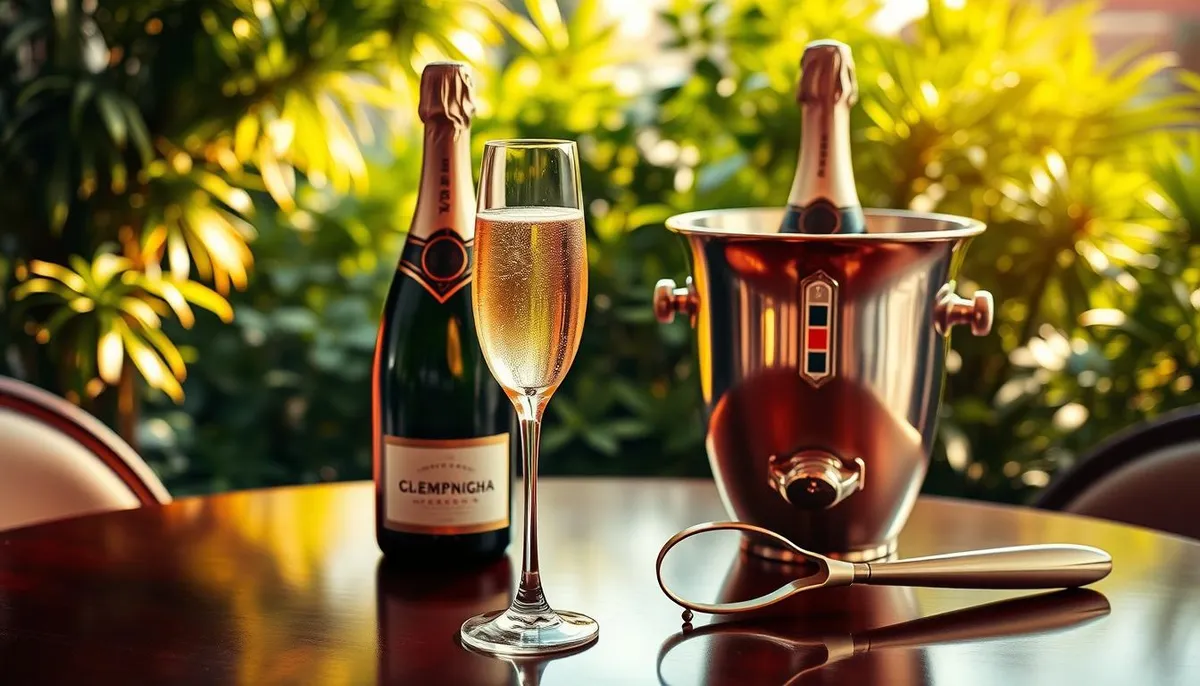
Reference pours: 6 flutes per 750ml and planning per guest
A standard 750ml bottle serves approximately six flutes. For each guest, account for a single flute for the toast, a pair for the toast and cocktail hour, and a generous half bottle for the entire event. This approach guarantees that top-notch champagne is enjoyed judiciously.
| Guests | Toast Only (Bottles) | Toast + Cocktail Hour (Bottles) | Full Reception (Bottles) |
|---|---|---|---|
| 25 | 5 | 9 | 13 |
| 50 | 9 | 17 | 25 |
| 75 | 13 | 26 | 38 |
| 100 | 17 | 35 | 50 |
| 150 | 26 | 52 | 75 |
| 200 | 35 | 70 | 100 |
| 250 | 43 | 87 | 125 |
| 300 | 52 | 105 | 150 |
Adjust your order to the occasion’s rhythm. Including a few extra bottles of champagne for special events ensures no guest misses a celebratory pour.
Chilling to 45–48°F, opening with a gentle hiss, and pouring technique
Refrigerate champagne to 45–48°F (7–9°C) for several hours, or use an ice-water mixture. Avoid freezing, to preserve the delicate flavors and effervescence of premium champagne.
Unwrap the foil and loosen the wire cage, keeping the cork secure. Angle the bottle at 45 degrees. Twist the bottle until it releases the cork with a whispering hiss.
Hold the base to pour, slightly tilt the glass, filling it to two-thirds. This technique enhances the aroma and manages the foam, presenting the champagne in its full glory.
Service flow: keeping bottles chilled, presentation, and honored guests first
Position ice buckets at service areas, cycling in chilled bottles from a dark, cool storage. Display labels prominently, whether serving prestigious brands such as Moët & Chandon, Veuve Clicquot, or Louis Roederer.
Give priority to the newlyweds, the wedding party, and distinguished guests, then proceed efficiently throughout the venue. Avoid chilling glasses to preserve the champagne’s vibrant effervescence and aroma during special celebrations.
Ensure a fluid service with additional bottles on standby, allowing each guest to experience the champagne’s optimal freshness and vivacity precisely when it matters most.
Conclusion
Premium champagne synthesizes craftsmanship, ceremonial significance, and distinct flavors in a singular experience. The meticulous méthode champenoise, alongside deliberate blending and extensive aging, culminates in a champagne characterized by its refined effervescence and complex aromatic profile. When selecting champagne for celebratory occasions, aligning the choice with the event’s nature and the accompanying dishes enhances the overall tasting journey.
To curate a dining experience, consider the champagne in relation to both course and atmosphere. Opt for Brut alongside starters such as oysters and shrimp, or for enhancing the appeal of canapés. Rosé champagnes pair exquisitely with lighter meats and fruit-based desserts, while Demi-Sec varieties stand out with sweeter courses. Blanc de Blancs provides a zesty counterpoint, and prestige cuvées offer a sophisticated highlight for toasts. Additionally, incorporating luxury wine selections can elevate the overall dining experience, creating memorable moments for your guests.
Choosing the correct glassware is integral to serving premium champagne. While flutes accentuate the effervescence, tulip or white wine glasses better release the aromatic qualities of vintage and prestige labels. Coupes, though stylish, are less effective in maintaining the beverage’s vivacity. Employing designer crystal, such as Waterford Elegance and Lismore Essence, not only augments the experience but also creates lasting mementos that transcend the occasion itself.
Adapting champagne selections to fit financial plans without sacrificing elegance is feasible through strategic choices. Commencing with a prestige champagne for toasting, followed by dependable non-vintages for the main reception, ensures sophistication. Expanding the range with Prosecco, Cava, and Crémant caters to diverse preferences, as does including non-alcoholic options for inclusivity. Our extensive collection and personalization services support these diverse needs. Explore our selection of premium champagnes and high-end events bubblies prepared for export, and acquire a customized quote at champagne-export.com.
FAQ
What makes authentic Champagne a premium champagne and not just any luxury sparkling wine?
Originating from France’s distinguished Champagne region, authentic Champagne is crafted through the traditional méthode champenoise. This intricate process involves a second fermentation within the bottle itself, resulting in exquisite, long-lasting bubbles. Utilizing classic grape varieties such as Chardonnay, Pinot Noir, and Pinot Meunier, these elements combine to elevate it beyond ordinary sparkling wines. The provenance, method, and maturation imbue it with unparalleled quality.
How do non-vintage, vintage, and prestige cuvées differ in a premium bubbly collection?
Non-vintage (NV) Champagnes provide a consistent quality, embodying the signature style of their houses annually. Unlike NVs, vintage Champagnes encapsulate the essence of a singular harvest year, benefiting from prolonged aging to gain depth. Prestige cuvées stand at the pinnacle, offering peak complexity and richness from extensive lees aging. They’re the quintessence of luxury, meant for monumental celebrations.
How does aging on lees shape the texture, aroma, and mousse of finest quality champagne?
Aging on lees significantly influences Champagne’s quality, conferring a creamy mouthfeel and robust bubbles. This process introduces autolytic flavors such as brioche and nutty almond, enhancing the wine’s aromatic profile. Prolonged lees contact is especially prevalent in vintage and prestige cuvées, deepening the champagne’s complexity, refining its bubble structure, and augmenting its palate persistence.
Why is Champagne the go-to choice for weddings and milestone celebrations?
Champagne symbolizes elegance and tradition, making it the quintessential celebratory drink. Its vivacious energy and refined effervescence amplify the significance of any event. The rich layering of flavors further contributes to its celebratory appeal, ensuring each sip marks occasions such as weddings memorably. Additionally, high-end beverages like Champagne reign supreme as the embodiment of celebration.
How should I match Champagne styles to each wedding moment?
The pomp of the official toast calls for a prestigious cuvée or a renowned NV. The cocktail hour is well-suited to accessible NV Champagne or alternative sparklings like Prosecco or Cava. Rosé Champagne pairs delightfully with light entrees and desserts, while Demi-Sec accompanies sweets splendidly. Opt for a vibrant, lighter Champagne to refresh guests as the evening progresses.
What are popular wedding picks from iconic and exclusive champagne brands?
For weddings, selections often feature illustrious labels such as Moët & Chandon Impérial Brut and Veuve Clicquot Yellow Label. Bollinger Special Cuvée and Taittinger Brut La Française are also esteemed choices. Iconic luxury options include Dom Pérignon and Cristal. Billecart-Salmon Brut Rosé is particularly cherished for its romantic nuance, while Blanc de Blancs is favored for its crisp, citrus profile, ideal for welcoming guests.
How much Champagne should I plan for my guest count?
Approximate six glasses from each 750ml bottle. Allocate one glass per attendee for the toast. For the toast and cocktail hour, consider two glasses per person. A half-bottle per person suffices for comprehensive service during the reception. Employ magnums for impactful, efficient serving and mini 187ml splits as distinctive favors.
What does “premium champagne” mean in practice when selecting bottles?
This denotes champagnes from venerable producers leveraging the méthode champenoise, ensuring balance, subtlety, and lasting appeal. Esteemed names like Moët & Chandon and Dom Pérignon epitomize this category. Opt for NV selections for consistency, vintage for distinctive character, and prestige cuvées for unparalleled celebration, each representing champagne’s elite.
What do Brut, Extra Brut, and Demi-Sec mean, and which should I choose?
These classifications reflect sweetness levels. Brut and Extra Brut offer dryness, pairing admirably with seafood and appetizers, suiting diverse preferences. Demi-Sec, being sweeter, excellently complements desserts and late-evening indulgences. Align your choice with the menu and the palate preferences of your guests.
How do Blanc de Blancs and Blanc de Noirs differ in flavor and food pairing?
Blanc de Blancs, crafted exclusively from Chardonnay, brings a light body and citrus freshness, perfect for starters and seafood. In contrast, Blanc de Noirs, made from Pinot Noir and/or Pinot Meunier, offers a fuller, fruitier profile, complementing savory dishes and poultry. Each has its unique place in gastronomy, enhancing the dining experience with their distinct characters.
What are easy pairing rules for premium champagne at receptions?
Pair Brut Champagne with delicate seafood and starters. Rosé Champagne is excellent with lighter meats and fruity desserts. For sweet courses, choose a Demi-Sec. A versatile dry NV Champagne suits general consumption, while a select vintage or prestige bottle marks the central toast. This strategy allows a nuanced drinking experience throughout the event.
Which glassware best enhances aroma and effervescence for premium champagne?
Flutes are iconic for toasts, expertly preserving the champagne’s bubbles. For expressing vintage and prestige cuvées’ aromas, tulip glasses and certain wine glasses are superior, providing enough space for aromatic development. Coupes should be avoided if showcasing fine mousse is desired, as they allow bubbles to dissipate too quickly.
Why are hand-blown European crystal flutes recommended for high-end bubbly?
European crystal flutes, especially those hand-blown and lead-free, enhance the drinking experience by balancing elegance with the functional enhancement of aroma and texture. Nucleation points within these glasses encourage consistent bubble flow, augmenting both the olfactory experience and visual appeal of premium champagnes.
Are there elegant flute sets or modern designs that elevate presentation?
Indeed. Artisanal tall flutes and modern tulip designs merge aesthetic excellence with functional finesse. Designer collections bring unified elegance to ceremonies and receptions, optimizing the sensory enjoyment of the champagne’s aroma and mousse.
Can I personalize crystal flutes for engagements and weddings?
Absolutely. Custom engraving on flutes allows for the celebration’s personalization, offering a memorable memento of the occasion. These engraved pieces pair exquisitely with fine sparkling wines, creating unforgettable gifts.
What sets Waterford’s luxury champagne glasses apart?
Waterford marries Irish heritage with contemporary functionality. The Elegance series showcases sleek design to accentuate fragrancies, while Lismore Essence presents a nuanced, modern aesthetic with its slender stem and lighter wall. These collections, often engravable, work beautifully alongside matching wine and cocktail glasses for a cohesive serving ensemble.
How can I balance budget and impact with top tier champagne?
Mix levels of luxury: opt for a prestige cuvée for the toast and quality NV Champagne or accessible sparkling wines throughout the event. This approach ensures memorable luxury without excessive expenditure.
Is non-vintage better for value than vintage Champagne?
For general occasions, non-vintage Champagne is indeed preferable, providing steady excellence and cost-effectiveness. Reserve vintage or prestige variants for smaller, more intimate assemblies or when the occasion demands their unique qualities.
What alternatives impress if I’m not pouring exclusive champagne brands all night?
Explore Prosecco from celebrated producers like La Marca, or sample Cava from labels such as Freixenet. French Crémant from regions like Alsace adds variety. To accommodate all guests, include top-shelf non-alcoholic alternatives like Lyre’s Classico Grande and Freixenet 0.0%.
How many bottles do I need, and what are the service basics?
Each 750ml bottle serves six glasses. For toasts, plan one glass per guest; add an extra glass for cocktail hour. Aim for half a bottle per guest throughout the event. Maintain a supply of chilled backups, and consider larger bottles for efficiency.
What are the best practices for chilling, opening, and pouring luxury sparkling wine?
Present the wine at 45–48°F, achieved by refrigerator chilling or an ice-water bath; avoid freezing. To open, gently twist the bottle after loosening the cage, listening for a soft release. Pour against a tilted glass, filling two-thirds for optimal aroma expression and foam management.
How should I manage presentation and flow when serving finest quality champagne?
Opt for ice buckets for stylish display and accessibility. Prioritize serving the wedding party first, maintaining a rotation of chilled bottles. Store backup bottles in a cool, dark place, and refrain from pre-chilling glasses to preserve the champagne’s effervescence and bouquet.
Can I source premium champagne globally with export support?
Yes. Seeking Champagne? Our selection awaits. Acquire the world’s finest, available for global distribution. For a personalized quotation, visit https://champagne-export.com today.