Champagne symbolizes significant occasions, embodies celebration, and has evolved as a vital asset. This exposition delves into the realm of elite champagne. It elucidates how fame, scarcity, and the capacity for aging escalate its worth both in sensory delight and on the market.
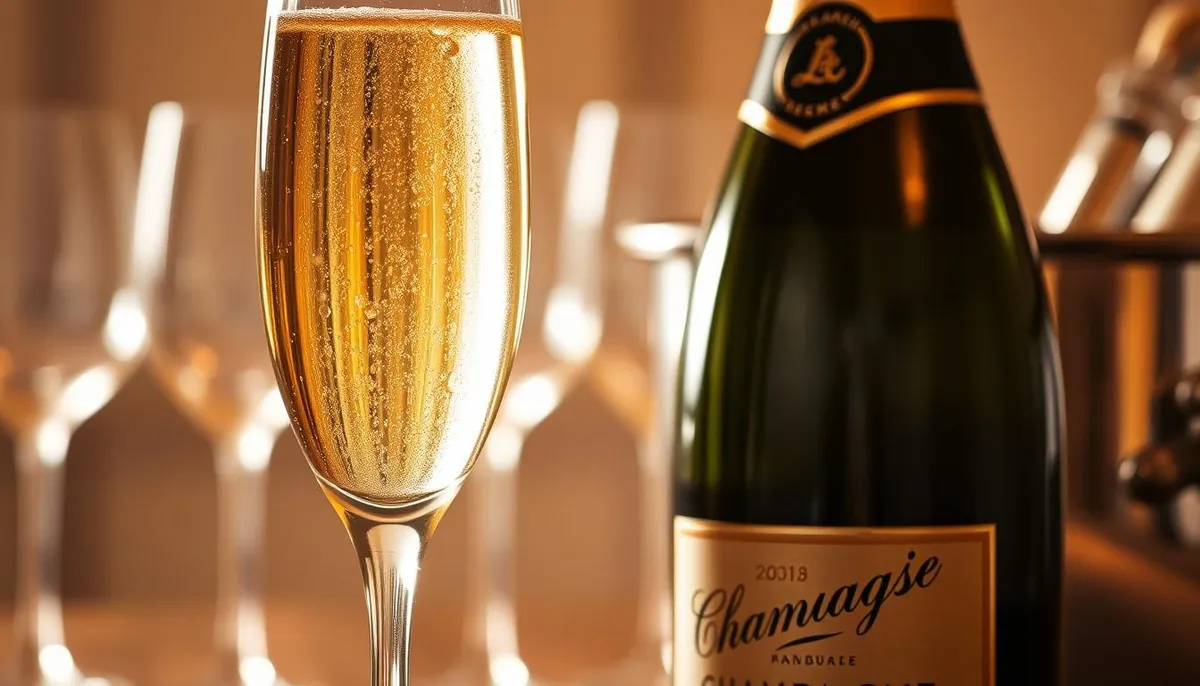
The narrative of recent years is unequivocal. The Liv-ex Champagne 50 index has surpassed major wine areas and traditional investments like gold and the FTSE 100. Concurrently, global demand surges. The United States, the United Kingdom, and Germany lead in consumption, with a noted production of approximately 268 million bottles in a recent season, valued around €4.7 billion.
In this guide, discern the crème de la crème of champagne selections, including the finest wine selections. Understand the influence of eminent houses, renowned cuvées, and cult growers. We delve into the nuances of storage, authenticity, and judicious acquisition, concluding with recommendations for celebratory matches that dazzle. Whether considering high-end champagne options or curating a collection, this guide serves as an invaluable resource.
Seeking Champagne? Your search concludes here. Explore the most exquisite selections, poised for global delivery. Secure your tailored quote now at https://champagne-export.com.
Key Takeaways
- Champagne is both a celebration staple and a rising fine-wine asset.
- The Liv-ex Champagne 50 has outperformed many regions and traditional benchmarks.
- U.S. demand is strong, alongside the U.K. and Germany, with production near 268 million bottles.
- Brand prestige, scarcity, and maturation potential drive long-term value.
- This guide covers top houses, grower producers, storage, buying channels, and pairings.
- Explore premier champagne and premium champagne options with confidence.
Understanding Luxury Champagne and What Makes It Premier
Luxury Champagne embodies heritage, precision, and sophistication. In the United States, it is heralded for its unfailing quality. Simultaneously, its elevated status is celebrated in pop culture. Discerning buyers seek the distinctive qualities of premier champagne brands. They value the allure of exclusivity that feels both rare and genuine.
From a first sip to a long cellar life, high-end champagne distinguishes itself through texture, balance, and aging.
Global brand recognition and luxury appeal
Brands such as Dom Pérignon, Krug, and Louis Roederer Cristal are renowned worldwide. Their labels are symbols of craftsmanship and history. Consequently, they are staples on lists of top champagne brands. In the United States, this reputation generates demand for exclusive champagne in celebrations and upscale dining, including the distinguished louis de sacy champagne.
While branding is crucial, the quality of the champagne prevails. These esteemed houses are synonymous with crisp fruit flavors, delicate mousse, and complex finishes. Their consistent excellence solidifies their stature as leaders in the luxury champagne segment globally.
Scarcity, maturation potential, and aging styles
Only a select portion of Champagne’s production is crafted for aging. Vintage and prestigious cuvées often undergo prolonged lees aging and rigorous selection. As these champagnes evolve, they become scarcer and develop increasing complexity. This dynamic enhances the allure of exclusive champagne as it matures.
Non-vintage champagnes from eminent brands can also mature beautifully, adopting rich notes of brioche, honey, and nuts. Nonetheless, vintage champagnes are typically preferred by collectors for their depth and aging capacity. They are especially appealing to those seeking high-end champagne for investment purposes.
How vintage and non-vintage differ for quality seekers
Vintage Champagne is harvested from a single year, showcasing the unique characteristics of that season and is crafted for longevity. Conversely, non-vintage champagne blends various harvests, aiming for a consistent house style. Each type offers precision, but they cater to different preferences.
- Terroir expression: Vintage emphasizes the specific location and year; NV maintains balance and consistency.
- Lees aging: Prolonged lees contact enhances creaminess and complexity, a hallmark of luxury champagne.
- Dosage: Precise adjustments of sweetness ensure tension and focus in both unique and classic blends.
For those prioritizing quality, the choice is straightforward: vintage for distinctive character and aging potential, non-vintage for consistent enjoyment and signature style of leading champagne houses.
Top Champagne Brands and Prestige Cuvées to Know
These houses epitomize luxury in champagne for both collectors and hosts. Their prestigious offerings dictate trends in style, longevity, and valuation among top champagne producers. For connoisseurs seeking excellence, these highlighted cuvées, including the renowned white star champagne, are essential, anchoring collections and informing discerning acquisitions.
Dom Pérignon, Krug, and Louis Roederer Cristal
Dom Pérignon, a beacon from Moët & Chandon, exclusively unveils vintages. The P2 and Rosé editions are celebrated for their complexity and graceful maturation. Each release aims to harmonize balance, expansiveness, and a delicate mousse, rewarding those who wait.
Krug stands out for its depth and intricate composition. Its Grande Cuvée marries numerous plots and years to achieve balance, whereas Vintage Brut captures the essence of a single year. The elusive Clos du Mesnil and Clos d’Ambonnay, sourced from specific vineyards, represent the zenith of luxury champagne, marked by intense structure and vigor.
Louis Roederer Cristal is recognized for its meticulous craftsmanship. Its mineral-infused purity, silky texture, and consistent evolution rank it among the elite in premium champagne offerings from renowned producers.
Pol Roger Sir Winston Churchill and Bollinger La Grande Année
Pol Roger, in honor of Sir Winston Churchill, reserves its craftsmanship for exceptional vintages. These editions develop robustness and refinement over time, echoing Churchill’s preference for aged, rich champagnes. The house’s longstanding tradition and connections with royalty further elevate its prestige.
Bollinger is synonymous with structured elegance. La Grande Année characterizes its robust core and complex savoriness, while R.D. (recently disgorged) introduces layers of brioche and hazelnut atop lively acidity. Both variants articulate the brand’s luxurious, robust charm.
Taittinger Comtes de Champagne and Salon Blanc de Blancs
Taittinger’s Comtes de Champagne, a pure Blanc de Blancs, is celebrated for its elegance. Anticipate notes of citrus and mineral, leading to a lasting, refined finish that matures into hints of cream and toast. This variant stands out for aficionados of top-tier champagne.
Salon’s Blanc de Blancs, produced solely from an esteemed Grand Cru vineyard in exceptional years, is cherished for its rarity. Its precise, crystalline complexity has made it a hallmark among leading champagne houses and serious collectors alike.
Grower and Boutique Producers Elevating the Category
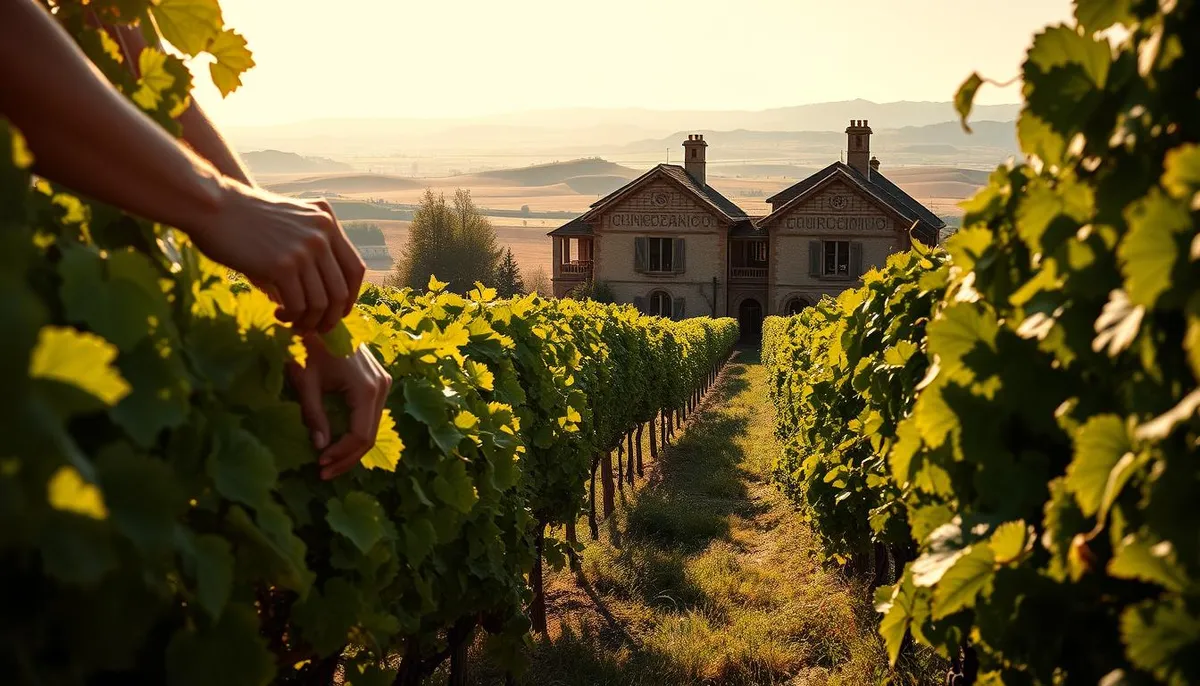
In Champagne, minor estates are revolutionizing luxury through craftsmanship, locus, and precision. These cuvées captivate collectors pursuing superior champagne variants, offering nuances uniquely bottled by vintners. Their exclusivity, evident winemaking transparency, and distinct personalities transform these labels into sought-after champagnes with significant cellar value, often featuring perfect champagne notes that elevate the tasting experience.
Jacques Selosse, Egly-Ouriet, and Jérôme Prévost
Jacques Selosse adopts an oxidative, barrel-centric method that heightens complexity and umami taste. Their bottles are rapidly procured, echoing their global appeal. For connoisseurs, these represent unparalleled champagne selections with distinctive expression.
Egly-Ouriet emphasizes mature vines and prolonged lees maturation. Its texture and precision in reflecting vineyard characteristics have led enthusiasts to describe it as “Burgundy with bubbles”. This style solidifies its place among elite champagne producers while retaining its artisanal essence.
Jérôme Prévost, through La Closerie, gives prominence to Pinot Meunier. His creations are vibrant, flavorful, and scarce, capturing the interest of aficionados who value unique champagnes.
Agrapart & Fils and Dhondt-Grellet terroir expression
Agrapart & Fils specializes in impeccable Blanc de Blancs from Avize and adjacent hamlets. They prioritize transparent articulation of the terroir, marked by clarity, chalkiness, and a subtle salinity. This vision positions their offerings as premium selections that eloquently communicate their origins.
Dhondt-Grellet focuses on purity and vigor. Through precise fruit selection, minimal dosage, and nuanced élevage, they produce slender, mineral-centric champagnes. These limited-production wines maintain their prominence on the watchlists of top-tier champagne enthusiasts.
Vilmart & Cie’s Premier Cru, wood-aged style and balance
Vilmart & Cie, operating for five generations in Rilly-la-Montagne, exclusively engages with Premier Cru vineyards. The estate’s vines, aged between 35 and 60 years, benefit from wooden aging for their base wines. This technique enriches their body and fullness without adding weight. The Grand Cellier Brut Premier Cru is celebrated for its equilibrium and zestful purity, making it a benchmark for exceptional champagne.
| Producer | Signature Grapes | Winemaking Hallmarks | Noted Cuvée/Style | Why It Matters |
|---|---|---|---|---|
| Jacques Selosse | Chardonnay | Oxidative élevage, oak, extended lees | Substance, Initial | Iconic scarcity drives demand for premium champagne options |
| Egly-Ouriet | Pinot Noir, Chardonnay | Old vines, long lees aging, single-site focus | Les Crayères, VP | Textural depth earns a place among top-rated champagne producers |
| Jérôme Prévost (La Closerie) | Pinot Meunier | Single-parcel expression, low dosage | Les Béguines | Rare, characterful bottlings prized as exclusive champagne |
| Agrapart & Fils | Chardonnay | Chalk-driven precision, minimal intervention | Mineral, Terroirs | High-transparency Blanc de Blancs for premium champagne options |
| Dhondt-Grellet | Chardonnay, Pinot Noir | Purity, tension, careful élevage | Les Terres Fines, Dans un Premier Temps | Energy and finesse recognized by top-rated champagne producers’ fans |
| Vilmart & Cie | Chardonnay, Pinot Noir | Premier Cru fruit, wood-aged base wines | Grand Cellier Brut Premier Cru | Balanced, citrus-led style among exclusive champagne benchmarks |
Tip: Pursue the most recent disgorgements and ensure authenticity; supplies quickly deplete as demand escalates.
Current Luxury Champagne Highlights and Tasting Notes
This selection highlights premier bottles epitomizing today’s luxury champagne. It caters to those assembling an elite champagne collection or delving into the world of top-tier champagne marked by distinctiveness and elegance.
AR Lenoble Jordan Cuvée NV: minerality, lemon-cream, and toast
In partnership with Jordan Winery, the NV cuvée features pronounced minerality, lemon-cream, and a hint of toast. Originating from 2012 and matured for around four years on lees, it juxtaposes vibrancy with complexity. This makes it an impeccable introduction to the realm of elite champagne appreciation for aficionados.
Ayala Brut Majeur: refreshing, complex, and elegant blend
Integrated into Bollinger in 2005, Ayala fuses Chardonnay, Pinot Noir, and Meunier to create a crisp, invigorating profile. Recognized for pioneering no-dosage wines, it brings forth a citrus zest, chalkiness, and a delicate mousse. It stands out as an ideal pick for those in pursuit of sophisticated champagne.
Bruno Paillard Première Cuvée Brut NV: citrus, strawberry, almond
Established in 1981 by Bruno Paillard, his NV cuvée orchestrates a symphony of citrus, ripe strawberry, and toasted almond. With its brisk, saline finish, it occupies a revered spot among the finest champagne selections, prized for its refinement.
Henriot Blanc de Blancs: peach, vanilla, biscuit complexity
Employing Chardonnay from the Côte des Blancs, Henriot marries peach and vanilla with a biscuity richness. Its mineral core and luscious texture elevate it, rendering it a sophisticated choice for an aperitif or to accompany seafood delicacies. Additionally, the offerings from henri dubois winery complement this experience with their unique flavor profiles.
Laurent-Perrier Cuvée Rosé Brut NV: wild strawberry and finesse
A 48-hour maceration process ensures its striking hue, with this rosé exuding wild strawberry and cherry-raspberry nuances. Its structure, both refined and accurate, exemplifies a premium champagne ideal for pairing with cured salmon or spice-forward meals.
Leclerc Briant La Croisette Brut: biodynamic purity and richness
Sourced from an exclusive, untreated plot, this 100% Chardonnay harmonizes biodynamic integrity with a rich layering. With energetic citrus interlacing toast and almond flavors, this choice denotes an exemplary champagne collection, showcasing terroir expression.
Pol Roger Brut Réserve NV: lemon cream and buttered toast
Pol Roger’s signature NV marries lemon cream with the richness of buttered toast alongside a velvety mousse. Recent advancements in their winery highlight a dedication to consistency, producing a champagne that excels in culinary settings.
Taittinger Prélude Grands Crus Brut NV: pear, apple, almond
With a Chardonnay focus and derived from Grand Cru territories, Prélude displays lush pear, baked apple, and almond notes. Its clarity and delicate bubble profile complement a sophisticated champagne collection, including a sweet champagne selection designed for both informal enjoyment and discerning culinary pairings.
Pricing cues: Despite their esteemed stature, many of these champagnes come at accessible prices, enhancing value-driven purchase decisions without compromising on quality.
How to Identify Investment-Grade Champagne
Identifying cellar-worthy champagne involves scrutinizing indicators of rarity, heritage, and proven popularity. One must amalgamate signals with up-to-date market insights to discern top-tier selections among renowned champagne brands and exclusive producers, including prestigious sparkling wine.
Vintage declarations and exceptional years
Sourcing begins with vintages exemplifying balance, vigor, and pronounced acidity. Such years invariably produce wines that excel in both maturation and valuation over time.
Investigate vintage charts and scrutinize performance consistency among houses through the decades. Such consistency is indicative of stringent production standards and exceptional site expression.
Prestige cuvées and limited releases
Direct attention towards premier tête de cuvée selections from illustrious champagne houses. Esteemed examples include Dom Pérignon by Moët & Chandon, Louis Roederer’s Cristal, Krug Vintage and Grande Cuvée, Taittinger’s Comtes de Champagne, Bollinger’s La Grande Année and R.D., along with Pol Roger’s Sir Winston Churchill.
Scarcity is escalated by exclusive single-vineyard labels or constrained distribution, thereby bolstering market value. This rarity inevitably attracts collectors in pursuit of stellar champagnes with verifiable track records.
Critical acclaim and scores that move markets
Accolades from Wine Advocate, Vinous, Decanter, James Suckling, and Richard Juhlin can dramatically sway demand. It is essential to follow release remarks, preview tasting outcomes, and comprehensive retrospective assessments.
Validate critic trends against price movement on key financial indices and querying metrics to ascertain sustained interest in elite champagnes from reputable houses.
Magnums and larger formats for long-term value
Magnums, with their slower aging and freshness preservation capabilities, often achieve higher auction valuations. Their larger sizes also enhance rarity and visual appeal.
When selecting large formats, ensure authenticity through original packaging and uniform case origins. This enhances assurance in the champagne’s potential to flourish remarkably across the ensuing decades.
| Signal | What to Look For | Why It Matters | Practical Move |
|---|---|---|---|
| Declared Vintage | Exceptional years with high acidity and balance | Better aging curve and price stability | Cross-check vintage charts before purchasing |
| Prestige Cuvée | Dom Pérignon, Cristal, Krug, Comtes, La Grande Année, R.D., Sir Winston Churchill | Proven demand for exclusive champagne | Prioritize initial allocations and tight releases |
| Critic Scores | Reviews from Wine Advocate, Vinous, Decanter, Suckling, Juhlin | Scores can move secondary market prices | Monitor new reports and back-vintage updates |
| Format | Magnums and larger bottles in original packaging | Graceful aging and auction premiums | Seek sealed cases and matched formats |
| Scarcity | Limited releases and single-vineyard bottlings | Rarity supports long-term value for premier champagne | Track allocations and small-lot announcements |
| Market Signals | Liv-ex trends and broad price discovery | Confirms demand across top champagne brands | Compare offers and recent trades before bids |
Pro tip: Compile a checklist for every release encompassing vintage quality, cuvée prestige, critical reception, packaging format, rarity, and market validation. Adopting such a systematic methodology aids in identifying champagnes destined for remarkable appreciation.
Market Performance and Why Champagne Holds Its Value
Investors find the champagne market appealing due to its steady growth and broad demand. The scarcity of supply, alongside the strong reputation of leading producers, enhances price stability. Those considering premium champagne as an investment understand its resilience through economic fluctuations. Additionally, champagne exporting plays a crucial role in expanding market reach and enhancing the global appeal of these fine wines.
Liv-ex Champagne 50 index outperformance
The Liv-ex Champagne 50’s performance has surpassed numerous investment benchmarks, including precious metals and stock indexes. This success is attributable to the scarcity of releases and strong demand for vintage collections. Such trends make high-end champagne an attractive option for sustained investment.
Diversification benefits versus Bordeaux and Burgundy
Champagne’s market movements are often uncorrelated with those of Bordeaux and Burgundy wines. Factors such as release schedules and global celebrations influence its unique demand dynamics. Incorporating champagne into an investment portfolio can mitigate volatility, providing stability through the reputations of esteemed producers.
Impact of strong producer lobbying and global demand
Lobbying efforts by powerhouse LVMH brands ensure champagne’s global visibility and accessibility. The U.S. market, in particular, shows robust demand. This dynamic contrasts sharply with the entry barrier to prestigious wine collections, presenting champagne as a more attainable investment with broad appeal and liquidity.
| Driver | Why It Matters | Illustrative Examples | Investor Takeaway |
|---|---|---|---|
| Index Strength | Historic outperformance versus major assets | Liv-ex Champagne 50 momentum across cycles | Supports confidence in premium champagne options |
| Diversification | Lower correlation to Bordeaux and Burgundy moves | Seasonal gifts and event-driven releases | Smoother returns within fine-wine portfolios |
| Brand Power | Global marketing and lobbying scale | LVMH houses: Dom Pérignon, Krug, Veuve Clicquot, Ruinart | Demand support for high-end champagne worldwide |
| Access and Liquidity | Broader distribution and active secondary trade | Strong U.S. consumption and export channels | Easier entry and exit with top-rated champagne producers |
Storage, Provenance, and Protecting Your High-End Collection
Treat each bottle as if it were an invaluable timepiece. Should your preference lean towards unique champagne for special occasions or the cultivation of a premier cellar, meticulous attention transforms acquisitions into appreciable assets among elite collections.
Ideal temperature, humidity, darkness, and vibration control
- Keep a steady 50–57°F (10–14°C). Stability matters more than the exact number.
- Hold 70–75% humidity to protect corks and labels.
- Block all light, especially UV; use solid doors or UV-filtered glass.
- Avoid vibration from appliances or foot traffic; store bottles horizontally.
Implementing these strategies ensures that exclusive champagnes age elegantly, preserving their effervescence, aroma, and flavor profile.
Fill levels, labels, capsules, and original packaging
- Seek high fills into the neck; low fills suggest poor storage or leakage.
- Prioritize clean, unscuffed labels and an intact capsule and cork.
- Retain original wooden cases (OWC) for authenticity and protection.
- Document release dates and any reconditioning by the house, such as Krug or Louis Roederer.
A champagne’s condition speaks volumes about its quality, enhancing its desirability and resale value among top-tier collections.
Professional bonded warehouses and in-bond advantages
- Choose climate-controlled bonded storage for calibrated temp, humidity, and security.
- Benefit from in-bond holding: clear provenance logs, robust insurance, and tax efficiencies until withdrawal.
- Maintain detailed portfolio records, tracking bottle codes, OWC status, and movement.
- Monitor values on Liv-ex and Wine-Searcher, then time exits to align with peak drinking windows and active demand.
This strategy not only safeguards the quality of exclusive champagnes but also maintains flexibility for future trading or enjoyment.
Buying and Selling Channels for Exclusive Champagne
The journey to procure or divest elite champagne hinges on transparency and trust. In the U.S., connoisseurs have ample access due to substantial imports. Virtually all premier champagne labels are accessible across the nation via retailers. For international shipping or bespoke procurement services, secure a quotation at https://champagne-export.com.
Consider your objectives prior to selecting a channel: consumption, ageing, or investment. It’s essential to analyze associated costs, storage conditions, and the veracity of origins. Strategize to ensure the choices in premium champagne harmonize with your time frame and risk appetite.
Reputable merchants and allocations
Notable fine wine vendors obtain allocations of esteemed champagne brands, including fine wine selections, guaranteeing proven authenticity. Engage with retailers recognized for their cool storage logistics and transparent sourcing practices. Query about the possibility of en primeur purchases for distinct prestige cuvées. Though less common than in Bordeaux, such opportunities grant early access and assured traceability.
Qualified merchants offer counsel on vintages ready for the market and champagne storage requirements. They facilitate access to waitlists for exclusive releases and can arrange for bundled insurance, specialized packaging, and secure shipping arrangements.
Auction houses for rare and mature bottles
For distinguished collections and matured vintages, auction powerhouses like Sotheby’s and Christie’s stand out. Vendors must guarantee the authenticity of condition reports, comprehensive photography, and the complete history of the bottle. Consider both buyer’s premiums and seller’s fees when determining reserve prices.
Purchasers find singular, extended-age champagnes and bygone seasonal champagnes at appealing prices. Act swiftly on notable listings of premier champagne brands. Allocating a budget for shipment, taxation, and storage is prudent.
Online marketplaces and managed wine investment firms
Peer-to-peer platforms offer a direct line between collectors, optimal when detailed photographs, exact fill levels, and purchase verification are accessible. This route may demand more effort, from negotiation to packing, yet it might expedite financial return on high-caliber champagne.
Corporations like Cult Wines and Vin-X craft and conserve personalized portfolios, often devising strategies for eventual portfolio liquidation. They procure leading champagne brands on a larger scale, including champagne lt, matching luxury champagne choices with investor risk considerations, though service and minimum investment thresholds differ.
| Channel | Best For | Key Advantages | Costs to Expect | Risks to Manage |
|---|---|---|---|---|
| Reputable Merchants | Current releases, allocations, en primeur | Guaranteed provenance, expert guidance, insured logistics | Retail margins, storage fees if held in-bond | Illiquidity if demand softens, market volatility |
| Auction Houses (Sotheby’s, Christie’s) | Rare, mature bottles from top champagne brands | Global bidder base, condition reports, vetted consignments | Buyer’s premium, seller commission, taxes | Counterfeits if provenance lapses, hammer-price uncertainty |
| Online Marketplaces | Direct sales of high-end champagne to collectors | Speed, broad reach, control over pricing | Platform fees, packing and shipping costs | Physical damage in transit, returns, time spent vetting buyers |
| Managed Investment Firms (Cult Wines, Vin-X) | Portfolio building with premium champagne options | Professional sourcing, storage solutions, exit planning | Management fees, storage and insurance, performance fees | Market swings, liquidity timing, taxation on gains |
Practical note: Given its vibrant import activity, America stands as a primary Champagne import destination. For bespoke procurement and law-abiding international delivery, submit an inquiry at https://champagne-export.com.
premier champagne
The journey of premier champagnes like Dom Pérignon, Krug, and Louis Roederer Cristal commences from its origin. They achieve distinction through rigorous vineyard selection, prolonged aging on lees, and minimal dosage. This ensures the champagne’s purity and elegance. These elements constitute a refined selection process that prioritizes the wine’s complexity, subtlety, and longevity.
Individual vineyard and Clos bottlings exemplify the craft’s pinnacle, where the dialogue with terroir is most eloquent. The choice of bottle size plays a pivotal role as well, with magnums ageing more gracefully, thus attracting more acclaim and demand. The integrity of the champagne, characterized by its texture and effervescence, is meticulously maintained through verified sourcing and optimal storage conditions.
Market trends are unequivocal: substantial demand in the U.S., UK, and Germany propels the prominence of top-tier champagnes. The scarcity of such bottles, coupled with stellar reviews, ensures their value remains on an upward trajectory. This particularly applies to aged champagnes boasting distinguished provenance.
Exploring beyond renowned houses to include exceptional growers like Vilmart & Cie, known for its Premier Cru, reveals how artisanal craftsmanship stands shoulder to shoulder with the illustrious names. Astute collectors rely on reputable dealers, auctions, and professional storage solutions. This strategy not only secures but also preserves the excellence of premier champagnes for future enjoyment. For those seeking additional guidance, here are some hosting tips that can enhance your champagne experience.
Celebratory Picks and Food Pairings for the Finest Champagne Selection
Begin a momentous event with pairings that elevate each champagne’s distinct qualities. Opt for selections ranging from crisp minerality to fuller, toasted nuances. This strategy maximizes the champagne’s impact alongside your chosen dishes and atmosphere. Craft a champagne selection that aligns seamlessly with both your culinary preferences and the specific nature of the celebration.
Blanc de Blancs with seafood and citrus-driven dishes
Chardonnay-centric Blanc de Blancs from the Côte des Blancs region pairs exceptionally with saline, crisp foods. Opt for Henriot Blanc de Blancs accompanied by oysters, scallops, or crudo for an exquisite match. The wine’s mineral core and silky texture complement dishes with lemon, yuzu, and grapefruit nuances. This elevates every morsel within your premiere champagne curation.
Consider sashimi embellished with lime zest and delicate sea salt for informal gatherings. This champagne’s slender structure refreshes the palate, while its subtle effervescence delivers a soft, lingering finish.
Rosé Champagne with duck, salmon, and berry desserts
Rosé champagne excels through its depth and vibrant berry notes. Laurent-Perrier Cuvée Rosé Brut NV, crafted through brief skin contact, reveals intense wild strawberry and cherry-raspberry flavors. These attributes superbly enhance dishes like seared duck breast, salmon, or tuna. Its robustness gracefully counteracts the boldness of spice rubs and aromatic herb crusts.
Conclude with desserts featuring berries or strawberries dipped in chocolate. This champagne varietal brilliantly bridges dessert sweetness with its inherent acidity. Such a pairing ensures a dynamic and harmonious progression through each dining phase.
Rich, toasty cuvées with aged cheeses and truffle accents
Rich, aged cheeses and truffle-flavored dishes demand champagnes with pronounced autolytic, bakery-like characteristics. Pol Roger Brut Réserve NV, with its nuances of lemon cream and toasted bread, alongside Bruno Paillard Première Cuvée and its toasted almond hints, marry impeccably with matured Comté or Parmesan. Incorporate truffle risotto or a mushroom ragù to fully engage with the wine’s layered brioche and nutty overtones.
For optimal enjoyment, serve these champagnes slightly below cellar temperature. This approach accentuates their texture and harmonious balance. Within a carefully chosen champagne series, these richer selections provide a comprehensive tasting journey.
Spotlight: Pol Roger’s heritage and the Churchill connection
Tracing its origins to 1849, Pol Roger boasts a heritage of royal endorsements and a notable association with Sir Winston Churchill. Its Sir Winston Churchill cuvée, reserved for outstanding vintages, epitomizes robust maturity and unyielding structure. This choice stands as a symbol for significant celebratory instances, encapsulating the essence of a premium champagne portfolio.
To acquire celebratory bottles with guaranteed authenticity and efficient delivery, engage a reputable specialist. A personalized quote will ensure you receive impeccably sourced champagnes tailored to your event’s specifications.
Conclusion
The domaine of elite champagne is one of patience and focus. Essential factors for investment include distinct vintage declarations and renowned prestige cuvées. Additionally, their scarcity, highlighting critical praise, and preference for larger formats enhancing with age are critical. The market acknowledges these criteria, as seen in the Liv-ex Champagne 50 index’s performance, transcending various top fine-wine indexes and providing diversification alongside stalwarts like Bordeaux and Burgundy. The global demand remains robust, buoyed by strong promotions from conglomerates such as LVMH, while boutique producers contribute complexity and a unique perspective to the top-tier champagne landscape.
To safeguard your investment, ensure diligent acquisition and storage practices. Engage with well-regarded merchants and reputable auction platforms. Authenticity and condition are paramount—inspect fill levels, label integrity, capsule conditions, and the presence of original wooden cases. Optimal storage conditions—at temperatures between 50–57°F and 70–75% humidity, devoid of light and vibration—are essential. Also, consider leveraging bonded storage solutions and in-bond transactions to simplify insurance and tax considerations, facilitating a cohesive strategy for high-end champagne collection, including jay z's wine collection.
Strive for a balance between traditional and emerging experiences. Start with established grandes marques for their consistent quality and longevity prospects. Then, explore innovative growers such as Vilmart & Cie, renowned for their Premier Cru offerings that harmoniously blend aging in wood. Engage with the contemporary landscape through tastings of AR Lenoble Jordan Cuvée NV, Ayala Brut Majeur, Henriot Blanc de Blancs, and unique champagne among other highlighted releases. This approach refines your tasting acumen and expands access to exceptional champagne varieties, ensuring investment value is maintained.
Whether domestically or internationally located, now presents an optimal time for engaging with prime champagne. Assemble a collection with purpose, valuing authenticity above fleeting trends. High-quality, meticulously stored champagnes serve as celebratory markers of significant occasions. They’re primed to captivate and create lasting impressions. For those seeking to tailor their champagne journey, a personal quote can be requested at https://champagne-export.com.
FAQ
What defines premier champagne and why is it considered luxury champagne?
How do scarcity and maturation potential support value in exclusive champagne?
A mere portion of Champagne, notably vintage and exceptional cuvées, matures gracefully over time. This maturation enhances complexity as availability dwindles, naturally elevating prices. Rarity is further pronounced in limited releases from single vineyards and in larger bottles, magnifying their allure as premium investments.
What’s the difference between vintage and non-vintage for quality seekers?
Vintage offerings symbolize a single notable year, designed with ageability and terroir reflection in mind. Contrarily, non-vintage blends maintain a consistent profile, typically for sooner consumption. Notably, superior non-vintage champagnes do possess aging capacity. Yet, vintage varieties predominantly captivate investors aiming for prolonged cellar aging.
Which top champagne brands and prestige cuvées should I know?
Initial exploration should include Dom Pérignon (inclusive of P2 and Rosé), Krug (Grande Cuvée and Vintage), Louis Roederer Cristal, and Bollinger La Grande Année and R.D. Also, Pol Roger Sir Winston Churchill, Taittinger Comtes de Champagne, and Salon Blanc de Blancs stand as pivotal references. Among these, the 1959 dom perignon champagne epitomizes the zenith of premier champagne offerings.
Why are Pol Roger Sir Winston Churchill and Bollinger La Grande Année so prized?
Pol Roger formulates its Sir Winston Churchill cuvée solely in exceptional years, targeting a richness and evolution akin to Churchill’s preferred taste. Meanwhile, Bollinger’s La Grande Année and R.D. exude potent and structured profiles thanks to extended aging on lees. These aspects attract collectors desiring opulent champagne with significant cellaring prospects.
What makes Taittinger Comtes de Champagne and Salon Blanc de Blancs special?
The Comtes de Champagne (Blanc de Blancs) is celebrated for its finesse, purity, and aging capability. Salon, however, releases a sole Blanc de Blancs from an elite Grand Cru vineyard in only the finest years. This limited production fosters a scarcity that propels its appeal among collectors of singular champagnes.
Which grower producers offer artisanal, terroir-driven alternatives?
Jacques Selosse, Egly-Ouriet, and Jérôme Prévost (La Closerie) spearhead this movement with their unique, small-lot champagnes. Their limited availability, distinctive character, and critical acclaim have garnered them a cult status, positioning them as appealing choices for those seeking premium selections.
How do Agrapart & Fils and Dhondt-Grellet express terroir?
Agrapart & Fils excels in creating Blanc de Blancs that accentuate the chalky essence of Côte des Blancs. Dhondt-Grellet chooses a path of purity and elegance, offering wines of pronounced mineral quality. This dedication resonates with enthusiasts seeking top-tier champagne defined by terroir.
Why is Vilmart & Cie often cited by connoisseurs?
Vilmart & Cie, operating solely with Premier Cru vines in Rilly-la-Montagne, benefits from the maturity of 35–60-year-old vines. Barrel aging of base wines imparts body, fruit nuances, and a touch of subtlety. The Grand Cellier Brut Premier Cru stands out for its balanced, citrus-driven finesse.
What current bottles offer standout value and character?
For distinctiveness and value, look into AR Lenoble Jordan Cuvée NV, showcasing minerality with a hint of lemon-cream and toast. Additionally, Ayala Brut Majeur offers refreshment in an elegant blend. Bruno Paillard Première Cuvée Brut NV presents notes of citrus, strawberry, and almond. The selection concludes with celebratory drinks and Henriot Blanc de Blancs (peach, vanilla, biscuit), Laurent-Perrier Cuvée Rosé Brut NV (boasting wild strawberry charm), Leclerc Briant La Croisette Brut (exemplifying biodynamic purity), Pol Roger Brut Réserve NV (lemon cream, buttered toast), and Taittinger Prélude Grands Crus Brut NV (melding pear, apple, almond).
How do I identify investment-grade champagne?
Focus on declared vintages from noteworthy years and prestige cuvées in restricted production, boosted by robust critic ratings (Wine Advocate, Vinous, Decanter, James Suckling, Richard Juhlin). Larger formats, like magnums, are indicative of potential for age, desirability, and a positive trajectory in value among elite champagne producers.
Why do magnums and larger formats command premiums?
The slower, more uniform aging process in larger bottles preserves the sparkling wine’s freshness and complexity for decades. The visual grandeur and rarity of these sizes further stimulate demand. Consequently, they are preferred in high-caliber champagne collections.
How has Champagne performed versus other assets?
Champagne’s performance has eclipsed many regions and traditional assets, including gold and the FTSE 100, according to the Liv-ex Champagne 50 index. Its enduring appeal, supported by global demand, validates Champagne’s inclusion as a diversification strategy within a fine wine portfolio.
Does Champagne diversify a portfolio relative to Bordeaux and Burgundy?
Indeed. Champagne exhibits distinct market movements separate from Bordeaux and Burgundy, thereby minimizing region-specific risks. Its universal luxury appeal and consistent consumption worldwide furnish investors with stability in the luxury champagne sphere.
What drives sustained global demand for premier champagne?
The engines of global demand include entrenched brand equity, steadfast quality, and marketing prowess—particularly by LVMH-owned entities like Krug, Dom Pérignon, Veuve Clicquot, and Ruinart. Prominent visibility in markets such as the U.S., UK, and Germany perpetuates a high demand for singular champagnes.
How should I store high-end champagne for optimal longevity?
Store your bottles between 50–57°F (10–14°C) in 70–75% humidity, away from light. Minimize vibration and maintain horizontal positioning. Stability is crucial to preserve the integrity of the cork and the evolution of flavors.
Which condition and provenance factors impact valuation?
Factors such as high fill levels, pristine labels, and unbreached capsules hint at proper storage. Original wooden cases confirm authenticity. Verified, singular ownership provenance along with uninterrupted temperature control can escalate the resale price of distinguished champagnes.
Are bonded warehouses worth it for premium champagne options?
Affirmative. Bonded storage provides an ideal environment, insurance, security, detailed provenance records, and fiscal benefits for in-bond trades. This option is advisable for the conservation of refined champagnes.
Where should I buy and sell exclusive champagne?
Engage with reputable merchants for secure acquisitions and provenance guarantees. Auction platforms like Sotheby’s and Christie’s are advisable for rare or aged specimens. Digital marketplaces and firms like Cult Wines and Vin-X extend accessibility, though verifying authenticity and storage conditions is paramount.
What risks should I consider before investing?
Be vigilant against counterfeits, market fluctuation, illiquid assets, and the expenses tied to storage and insurance, along with taxation. Counter these concerns by patronizing reliable sources, documenting provenance meticulously, and tracking price developments on platforms like Liv-ex and Wine-Searcher.
How can I source top champagne brands for global delivery?
For an exclusive selection and international shipment, request a personalized estimate at https://champagne-export.com. Irrespective of location, from the United States to beyond, access to premium champagnes is ensured.
What food pairings elevate luxury champagne?
Blanc de Blancs, exemplified by Henriot Blanc de Blancs, pairs splendidly with oysters, scallops, crudo, and citrus-infused dishes. Rosé Champagnes, like Laurent-Perrier Cuvée Rosé, complement duck, salmon, tuna, and berry desserts beautifully. Rich, mature cuvées, such as Pol Roger Brut Réserve and Bruno Paillard Première Cuvée, are perfect with aged cheeses like Comté or Parmesan, truffle risotto, and mushrooms.
Why is Pol Roger’s Churchill cuvée an iconic celebratory pick?
Sir Winston Churchill cuvée is produced solely in prime vintages and undergoes lengthy aging to achieve its depth and vigor. Pol Roger’s royal affiliations and 175-year legacy amplify its esteemed position, rendering it a distinguished choice for significant occasions.
Is the U.S. a strong market for premier champagne?
Indeed. The U.S. aligns with the UK and Germany as leading importers, indicating a strong demand for fine champagne. The recent harvest’s valuation of approximately €4.7 billion across around 268 million bottles demonstrates a dynamic equilibrium between supply and demand.