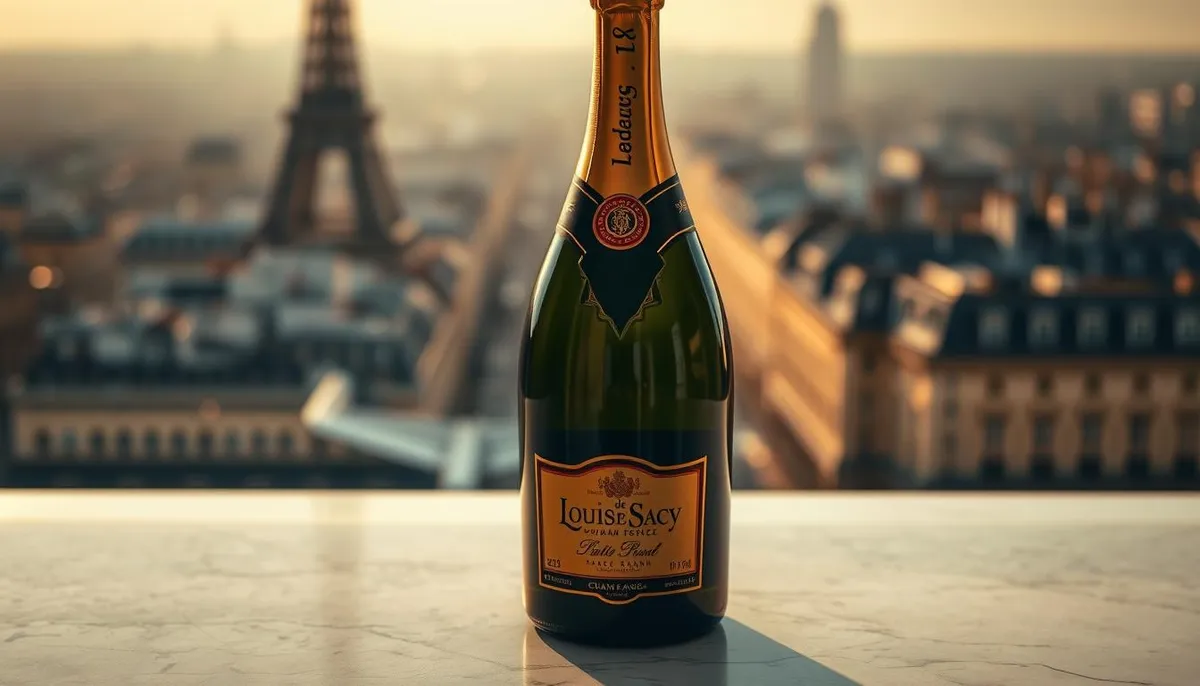
This house stands as a beacon of precision and grace. Sourced from Grand Cru fruit in Verzy and Verzenay, Louis de Sacy Champagne captures vitality, depth, and an unparalleled polish. It embodies a Champagne that asserts a profound connection to its French terroir.
The flagship Cuvée Grand Cru Brut, receiving a score of 91/100 from critics, boasts nuances of lemon zest and brioche, culminating in a long, mineral-rich finish. It’s celebrated for its crisp drive and delicately woven texture, positioning it as an esteemed starting point for aficionados delving into the brand’s offerings.
Enthusiasts drawn to vibrant hues and robust flavors will find delight in the Rosé de Saignée Grand Cru 2018. Utilizing the saignée technique, it unfurls layers of wild strawberries, embellished with touches of candied citrus and a luxuriously creamy mousse. Flatiron Wines & Spirits in New York, offering this selection for approximately $59.99, also provides shipping, pairing value with distinctive character—ideal for gatherings and thoughtful gifting.
With roots entwined in the history-rich vineyards of Roman-era Reims, the estate marries time-honored practices with a keen eye for contemporary precision. Through meticulous grape selection and devoted lees aging, Louis de Sacy Champagne demonstrates how judicious decisions in viticulture and oenology can sculpt exquisite flavors and elegance. For those in pursuit of distinguished Champagne from France, we stand ready to facilitate global exports—personalized inquiries can be directed to https://champagne-export.com.
Key Takeaways
- French Champagne Louis de Sacy sources Grand Cru fruit from Verzy and Verzenay.
- Cuvée Grand Cru Brut holds a 91/100 score for citrus, brioche, and mineral precision.
- Rosé de Saignée Grand Cru 2018 offers wild strawberry notes and a creamy mousse at about $59.99.
- Heritage ties back to Reims and a tradition-forward, meticulous approach.
- champagne louis de sacy is a strong value for collectors and celebratory moments.
- Explore the best champagne louis de sacy and arrange global export with ease.
Heritage of French Champagne Louis de Sacy
The narrative of Louis de Sacy champagne unfolds on esteemed slopes, enriched by centuries-old expertise. Its essence is firmly planted in the Reims Champagne tradition and reflects the growing interest in the tanzanian wine industry. Here, the interplay of chalk and craftsmanship births a style marked by finesse and a profound sense of origin.
Grand Cru roots in Verzy and Verzenay
In the cool, chalky terrains of Grand Cru Verzy Verzenay, Pinot Noir finds its zenith. The vineyards leverage the elements—wind and sunlight—crafting tension, nuanced tannins, and vibrant red fruit nuances.
This geographical composition skillfully manages precipitation, accumulates warmth, and infuses minerality into each grape. These factors contribute to the crisp profile, structured backbone, and lingering saline aftertaste of Louis de Sacy champagnes.
From Roman-era vineyards in Reims to modern luxury
Reims has been a viticultural hub since the 5th century, establishing a rich heritage that still influences today’s finest wines. This lineage bridges ancient commercial paths with the contemporary cellar practices and sophisticated palates.
Through the ages, the winery transitioned from monastic and merchant beginnings to a beacon of luxury. It charts a path from modest origins to the pinnacle of refinement, while maintaining its connection to the land.
Family craftsmanship and traditional methods
Manual harvesting safeguards clusters and ensures flavor integrity. Techniques such as gentle pressing, cool fermentations, and meticulous blending emphasize the distinctiveness of the terroir.
The Rosé de Saignée Grand Cru 2018, exemplary of the saignée technique, showcases the intensity, structure, and purity derived from Grand Cru Verzy Verzenay grapes. These deliberate choices symbolize a commitment to craftsmanship at Louis de Sacy, echoing the enduring values of Champagne Reims heritage. Additionally, the option for custom champagne engraving adds a personal touch to this exquisite offering.
| Heritage Pillar | Place | Method | Sensory Impact |
|---|---|---|---|
| Grand Cru Sourcing | Grand Cru Verzy Verzenay | Low-yield Pinot Noir selection | Tension, red-fruit lift, mineral drive |
| Historic Roots | Champagne Reims heritage | Sites traced to late Roman-era cultivation | Depth, continuity, refined balance |
| Family Craft | Estate cellars in Montagne de Reims | Hand harvest, gentle press, patient aging | Precision, purity, long, saline finish |
| Rosé de Saignée | Grand Cru Pinot Noir | Saignée for color and structure | Vivid hue, supple grip, layered fruit |
Understanding the Champagne Appellation
The famed sparkling wine of Champagne, France, boasts a guarded identity. Strict regulations and a collective heritage bind Reims to Épernay’s growers and houses. This region’s cool climate and unique terroir define a style celebrated for its tension and finesse.
Why only wines from Champagne, France are called Champagne
The term “Champagne” is legally protected, not merely a descriptor. It’s exclusive to wines produced within the Champagne appellation in northeastern France. This protection, enforced by French law and global agreements, respects a legacy stretching from ancient Roman vineyards near Reims to contemporary Grand Cru villages.
The role of terroir and chalk-rich soils
Here, terroir’s significance cannot be overstated, with chalky soils playing a pivotal role. The subsoil’s deep chalk from the Cretaceous period regulates moisture and light, aiding the gradual maturation of Pinot Noir and Chardonnay. At esteemed Grand Cru locales like Verzy and Verzenay, this unique geology fosters wines of exceptional acidity and mineral precision.
How the appellation safeguards quality
The appellation’s regulations meticulously dictate every step from grape selection to the intricacies of bubble formation. The stipulated in-bottle secondary fermentation and subsequent lees aging contribute to a wine’s texture and depth. Restrictions on yields, designated harvest times, and precise labeling criteria uphold the appellation’s legacy. Such rigorous standards guarantee that wines labeled as Champagne authentically represent this distinguished region and its characteristic terroir.
Signature Cuvée Grand Cru Brut: Style and Vinification
The house crafts champagne louis de sacy brut with precision and patience, favoring a Grand Cru Champagne blend that balances power and finesse. The focus is Verzy chalk and cool slopes, shaping a clean line of fruit, mineral lift, and poise.
Blend composition: 60% Pinot Noir, 40% Chardonnay
This Grand Cru Champagne blend consists of 60% Pinot Noir for structure and red-fruit tone, plus 40% Chardonnay for brightness and length. The vineyards in Verzy and nearby crus supply ripe berries with fine acidity. This gives champagne louis de sacy brut its elegant frame.
Lees aging for at least three years for depth
The wine undergoes a rest on lees for a minimum of three years after bottling. This extensive aging develops a creamy texture, biscuit notes, and a tight bead. Simultaneously, it refines the mineral edge that characterizes the house style, showcasing the methode cap classique that enhances its complexity.
Use of 10% reserve wines for complexity
Approximately 10% reserve wines from Champagne are incorporated to add layers and maintain consistency across releases. These matured selections introduce spice, dried citrus, and a subtle nutty undertone. This enriches the core fruit taste.
Disgorgement close to release to preserve freshness
Disgorgement is timed as near to market release as feasible to ensure freshness. This strategy preserves the vibrant citrus snap, maintains a fine mousse, and secures a clean finish. These are the defining features of champagne louis de sacy brut at its most vibrant. Additionally, for events and celebrations, a champagne wall rental can enhance the experience, providing a stunning display for guests.
Tasting Notes: Cuvée Grand Cru Brut
The bottle emanates a pale lemon‑green sheen adorned with subtle pink hues, hinting at its Pinot Noir heritage. It greets the senses with vivacity and elegance, unleashing citrus brioche aromas that resonate within the champagne louis de sacy critiques for this mineral-rich Champagne.
Aromas of lemon, brioche, and festive spice
Scents of freshly peeled lemon and warm brioche emerge together. They are joined by nuances of brown cane sugar and a spice reminiscent of Christmas pudding, enriching the bouquet without overwhelming it. This olfactory palette remains pristine and sophisticated, underscoring those citrus brioche aromas indicative of meticulous craftsmanship.
Crisp acidity with citrus, hazelnut, and mineral salinity
Zesty lemon and lush citrus flavors initiate a vibrant onset. A melange of hazelnut and sweet spice ensues, culminating in a crisp saline finish, hallmarking its mineral Champagne identity. Subtle verdant notes and honey undertones complement the fruit-forward profile.
Texture: fine bubbles, silky phenolics, long layered finish
Effervescence is characterized by a procession of fine bubbles. Silky phenolics impart a gentle texture. Transitioning to the mid‑palate, the sensation becomes smooth, slightly oily, unveiling layers of wax, honey, and fresh grass. The finale is persistent, culminating in a clean saline touch, lauded in champagne louis de sacy annotations.
The construction is both elegant and dynamic, maintaining equilibrium from the initial aroma to the concluding note. It accentuates transparency, persistence, and the distinctive citrus brioche aromas threading through a distinctly mineral Champagne configuration.
Louis de Sacy Champagne Rosé de Saignée Grand Cru 2018
This Grand Cru rosé Champagne exudes Pinot Noir excellence with its radiant tone and distinguished grip, punctuated by a distinctive limestone pulse. It epitomizes the Champagne Louis de Sacy Rosé de Saignée’s craftsmanship. The 2018 Champagne vintage’s essence is captured with elegance and depth, all while maintaining a lively, culinary flair.
Pinot Noir via saignée method for vibrant color and structure
The saignée technique extracts a rich, ruby hue and delicate tannins from the exceptional Grand Cru produce of Verzy and Verzenay. This approach enhances freshness and erects a robust framework. It ensures clarity, tension, and precision in each tasting.
Flavor profile: wild strawberries, raspberries, candied citrus
A symphony of wild strawberries takes the lead, harmoniously accompanied by raspberries, red cherries, and rose petals. Aromatic orange zest and a whisper of spice elevate the aromatic profile. The palate resonates with lively berries, candied citrus, and a hint of toasted almond, offering a nuanced taste experience. For those looking to recreate this delightful combination, a strawberry champagne recipe can enhance your celebrations.
Grand Cru chalky terroir expression and creamy mousse
Harvested by hand, clusters from chalk-laden slopes render a prolonged, mineral-infused finale. The creamy mousse envelopes the bright essence, presenting saline nuances and crystal-clear fruit tones distinctly, sans heaviness.
Vintage character of 2018: ripe, balanced, and precise
The congenial 2018 Champagne vintage imbues the wine with lush fruitiness and substantial mid-palate density. It maintains an impeccable equilibrium, with vigorous acidity and sleek outlines accentuating the wine’s refined vigor.
| Attribute | Details | Why It Matters |
|---|---|---|
| Grape & Method | Pinot Noir via saignée | Yields vivid color, gentle tannin, and structural grip |
| Origin | Grand Cru vineyards, Verzy & Verzenay | Chalk-rich terroir drives finesse and length |
| Style | Grand Cru rosé Champagne with creamy mousse | Balances texture with mineral focus |
| Aromas | Wild strawberry, raspberry, red cherry, rose, orange zest | Inviting bouquet with layered complexity |
| Palate | Fresh berries, candied citrus, toasted almond | Ripe fruit framed by lift and detail |
| Vintage | 2018 Champagne vintage | Ripe, balanced, and precise expression |
| Positioning | Champagne Louis de Sacy Rosé de Saignée | Signature identity with Grand Cru pedigree |
Praised by major publications for its excellence, this cuvée is considered a smart purchase within its category, retailing for around $59.99 at Flatiron Wines & Spirits in New York City. Market availability may differ, and allocations tend to sell out swiftly.
The result is a Grand Cru rosé Champagne that skillfully blends vivid fruit with a chalky profile. Champagne Louis de Sacy Rosé de Saignée embodies the 2018 Champagne vintage’s character in a refined, cellar-worthy offering.
Food Pairings That Shine
Bright, textural, and precise, each selection rewards thoughtful Champagne food pairings. The Rosé de Saignée Grand Cru 2018 and the Cuvée Grand Cru Brut offer distinct qualities and bubbly experiences. They excel in both formal settings and casual weekends. The quest for the ideal aperitif Champagne moment prioritizes balance and vivacity.
Duck breast with berry reduction and charcuterie
The Rosé de Saignée Grand Cru 2018 enhances the savory duck breast with its berry reduction. Its robust red-berry flavor and creamy texture complement the rich sauce. When paired with charcuterie—Prosciutto di Parma, saucisson sec, and aged Comté—its firmness and freshness purify the palate. This showcases the finesse in Champagne food pairings.
Roasted salmon and celebratory aperitifs
The Cuvée Grand Cru Brut is the perfect match for roasted salmon. Its crisp citrus, brioche notes, and mineral salinity harmonize with the fish. To begin festivities, serve the Brut as an aperitif Champagne. It complements canapés like smoked trout rillettes or gougères beautifully. This exemplifies when the finest champagne louis de sacy meets seamless hospitality.
Gastronomic versatility from fine dining to casual toasts
Within fine dining, the Brut pairs with oysters, tempura vegetables, and butter-poached lobster. For relaxed celebrations, the Rosé de Saignée Grand Cru 2018 aligns with fried chicken, mushroom flatbreads, and berry tarts. This demonstrates the wide range of Champagne food pairings. Whether it’s sophisticated pairings or simple gatherings, the premier champagne louis de sacy enhances every dish—and every aperitif Champagne—elegantly.
champagne louis de sacy
Originating from Verzy and Verzenay, Champagne Louis de Sacy exemplifies Grand Cru excellence in every sip. This venerable house capitalizes on the unique terroir offered by chalk-abundant hillsides, practices prolonged lees aging, and employs meticulous late disgorgement techniques. Its portfolio is a testament to its heritage, articulating the essence of its origins, the meticulousness of its craftsmanship, and its esteemed connection to the Reims region, all under the vigilant protection of the Champagne appellation.
The Cuvée Grand Cru Brut, a harmonious blend of 60% Pinot Noir and 40% Chardonnay, enriched with 10% reserve wines, unveils layers of complexity. Anticipate vibrant citrus notes, exquisitely fine bubbles, and a pronounced mineral undertone that persistently enchants the palate. Meanwhile, the Champagne Louis de Sacy Blanc de Blancs caters to aficionados of Chardonnay, presenting a pristine and mineral-driven experience complemented by a refreshingly saline finish.
The Rosé de Saignée Grand Cru 2018, distinguished by its use of macerated Pinot Noir, achieves its remarkable hue and voluptuous effervescence. Priced at $59.99, a New York-based retailer offers this 2018 rosé, readily available for dispatch. These offerings resonate with connoisseurs who value authenticity and finesse in their choices.
Looking to source globally? Our Champagne selection’s export services streamline the acquisition process, ensuring easy access to our distinguished range. Whether it’s single bottles or carefully selected mixed cases, our export capabilities empower boutique shops, dining establishments, and collectors to strategize with assurance.
Champagne Louis de Sacy and its Blanc de Blancs variant consistently deliver superior quality across their vintages. Offering dependable availability and verifiable origin, these selections are perfectly suited for both celebratory occasions and sophisticated collectors aiming to enrich their cellars. Additionally, the demand for wholesale champagne export has been rising, reflecting the global appreciation for these exceptional wines.
Comparing Styles: Brut vs. Blanc de Blancs vs. Rosé
Three distinct expressions define mood and pairing possibilities. Each champions a unique journey through Champagne’s terroir, steered by varietal selection and autolytic complexity. Choices pivot around texture, fruitiness, and the essence of minerals.
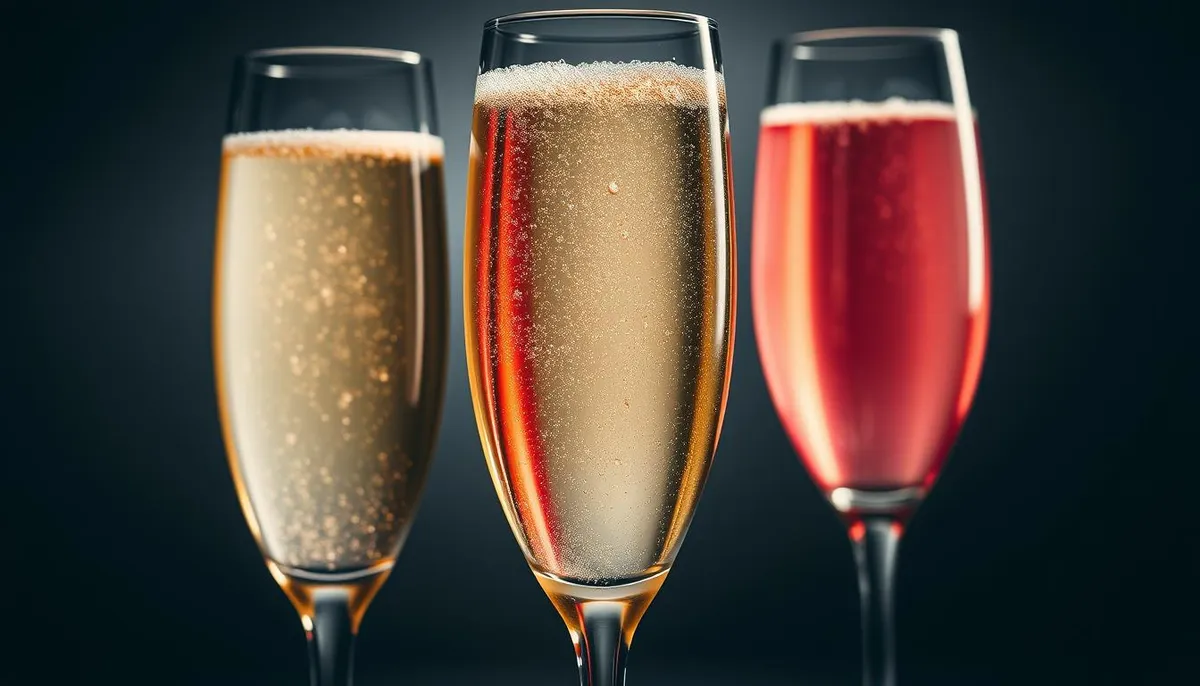
Champagne Louis de Sacy Brut for crisp, mineral-driven elegance
The Cuvée Grand Cru marries tension with finesse. Aromatically, it features lemon and brioche. On the palate, expect zesty citrus. The finish is saline and distinctly mineral. This Champagne is perfect with oysters, sashimi, and uncomplicated roasted chicken.
Its delicate bubbles and refined structure make every sip memorable. Excelling as an aperitif, it also complements light, salty dishes splendidly.
Champagne Louis de Sacy Blanc de Blancs and Chardonnay expression
This variety stands out as purely Chardonnay, embodying cleanliness, elevation, and a chalky elegance. Notes of white flowers, green apple, and cool stone dominate the champagne louis de sacy blanc de blancs.
Its precise linearity and slight creaminess suggest pairings with gougères, butter-poached lobster, and fresh goat cheese.
Rosé de Saignée Grand Cru for bold Pinot Noir fruit
Utilizing the saignée method, this Champagne extracts color and structure from Pinot Noir skins. It harmonizes ripe strawberries, raspberries, and candied citrus with creamy effervescence and a persistent mineral finish. This rosé de saignée stands out for its robust, food-friendly nature, enhanced by the option of customized champagne labels that add a personal touch for special occasions.
It complements duck breast, charcuterie, and spice-glazed salmon admirably. The pronounced fruit character can confront and enhance stronger-flavored sauces.
| Style | Grape Focus | Aromatics | Palate & Texture | Best Uses |
|---|---|---|---|---|
| champagne louis de sacy brut | Pinot Noir & Chardonnay | Lemon, brioche, hint of spice | Fine bubbles, zesty citrus, saline finish | Aperitif, oysters, light poultry |
| champagne louis de sacy blanc de blancs | 100% Chardonnay | White flowers, green apple, chalk | Linear, crisp, subtly creamy | Lobster, gougères, fresh cheeses |
| rosé de saignée Champagne | Pinot Noir (saignée) | Wild strawberry, raspberry, candied citrus | Creamy mousse, bold fruit, mineral length | Duck, charcuterie, glazed salmon |
Reviews, Scores, and Expert Recognition
Recent evaluations of Champagne Louis de Sacy exhibit meticulous attention to detail, revealing depth and a distinctive sense of origin. Critics across the board highlight its minerality, influenced by chalk, and a supple texture attributed to prolonged lees aging. Moreover, a fresh, vibrant finish, ensured through delayed disgorgement, receives unanimous praise.
Media spotlights have propelled its recognition forward, with features in prestigious outlets like the New York Times, Wine Spectator, and Food & Wine, as well as retail highlights. The accolades from sommeliers focus on the clarity of its fruit, balance, and elegance, reinforcing its esteemed status.
91/100 for Cuvée Grand Cru Brut
The Cuvée Grand Cru Brut is commended with a solid 91/100 score. It’s recognized for its nuanced complexity and sharp acidity. Descriptions mention notes of lemon zest, brioche, and a distinctive saline hint, mirroring the Grand Cru’s chalk terroir. This assessment is consistent with wider Champagne evaluations that appreciate its structured elegance and finesse.
Accolades from New York Times, Wine Spectator, and Food & Wine
Retail references praise the Rosé de Saignée Grand Cru 2018, suggested by the New York Times, Wine Spectator, and Food & Wine. Such recognition enhances the brand’s image while validating its appeal through varied critical perspectives.
What champagne louis de sacy reviews say about value and quality
Reviewers consistently associate quality with the expression of terroir and extended aging on lees, with late disgorgement maintaining its dynamic profile. The rosé’s retail price of approximately $59.99 illustrates its value, considering its Grand Cru origins and production via the traditional saignée method. This aspect is recurrent in Champagne Louis de Sacy evaluations, reflecting in expert Champagne ratings that underscore its craftsmanship and purity.
Price, Availability, and Distribution
Attaining Grand Cru quality is possible. Retail analyses reveal exceptional value among premier selections, including champagne prices in kenya. The price of champagne louis de sacy stands competitively in the U.S. Specialist retailers maintain a consistent stock, offering swift delivery and transparent promotions to facilitate bulk purchasing.
Typical price ranges and value tiers
The Rosé de Saignée Grand Cru 2018, available at Flatiron Wines & Spirits in New York City for $59.99, exemplifies notable value. Purchase incentives, such as a 10% discount on orders of 12 bottles or more using code 10OFF, enhance affordability. At this champagne louis de sacy price point, its origin from Verzy and Verzenay ensures it rivals even the more expensive alternatives.
Non-vintage Bruts are priced below many esteemed labels. Vintage and specialty offerings, however, occupy a higher value segment. The strategic balance of lees aging and the inclusion of reserve wines elevates quality across different categories.
Finding a distributor in the United States
Identifying a trustworthy champagne louis de sacy distributor and german champagne distributors begins with reputable retail and importer networks showcasing live stock. Specialty retailers detail available stock for immediate dispatch and highlight their distributor contacts across states. Such transparency aids in verifying stock, discovering same-day delivery areas, and understanding nationwide shipping policies.
Platforms geared towards exports offer quotations and logistical arrangements for bulk or mixed case purchases for international buyers.
Buying tips for best selections
- Emphasize Grand Cru origin—Verzy and Verzenay highlight superior chalky terroir and structural integrity.
- Examine production details: the saignée method for rosé, a minimum of three years of lees aging, the incorporation of reserve wines, and extended disgorgement periods.
- Consult independent ratings, targeting scores around 91/100 for consistent quality indicators.
- Assess the champagne louis de sacy price across reputable vendors before making online purchases.
| Wine | Region/Origin | Key Method/Notes | Retail Snapshot | Shipping/Delivery |
|---|---|---|---|---|
| Rosé de Saignée Grand Cru 2018 | Verzy & Verzenay, Champagne | Saignée Pinot Noir; lees aging; late disgorgement | $59.99 at Flatiron Wines & Spirits NYC; 10% off 12+ (10OFF) | Same-day delivery locally; nationwide shipping |
| Cuvée Grand Cru Brut (NV) | Grand Cru villages | 60% Pinot Noir, 40% Chardonnay; 10% reserve wines | Typically mid-$40s to low-$60s depending on market | Widely available through specialty retailers |
| Export & Trade Options | Global buyers | Personalized quotes and freight coordination | Variable; request current pricing | International shipping via export partners |
Serving, Cellaring, and Glassware Tips
Approach the moment of serving Louis de Sacy with a deliberate and careful hand. The art of serving enhances the mousse, safeguards the fruit’s integrity, and ensures the mineral edge remains pronounced. It requires selecting the appropriate tools and precise timing to underscore the qualities of both Brut and Rosé de Saignée.
Optimal serving temperature and proper glass choice
Refrigerate to a temperature between 45–50°F prior to serving. This temperature bracket is essential for maintaining the integrity of the wine’s fine bead, and it properly showcases the vibrant notes of lemon, brioche, spice, and red berries without compromising the aroma.
Opt for the use of tulip-shaped flutes or a versatile white wine stem for serving. This form of Champagne glassware is designed to taper at the rim, concentrating the bouquet, while simultaneously offering ample space for the textural complexity and silky phenolics to be fully appreciated.
How to open and pour to maintain mousse and aromatics
To open, firmly hold the cork while gently twisting the bottle. Allow the cork to release gradually with a whisper rather than an abrupt pop. This technique helps to preserve the bottle’s internal pressure and the mousse’s delicacy.
When pouring, angle the glass and utilize a steady stream. This method of pouring is critical for maintaining the Champagne’s innate vibrancy, particularly significant for late-disgorged iterations teeming with youthful fruit characteristics.
Short-term cellaring for non-vintage vs. vintage releases
Non-Vintage (NV) and multi-vintage selections that include reserve wines and have matured on lees for over three years possess the potential to improve with brief cellaring. This period enhances their harmony and tight-knit structure, which is often influenced by french wine regulations.
Vintage expressions, exemplified by the 2018 Rosé de Saignée, exhibit their quintessence upon release. However, a short period of rest can further refine their creamy mousse. It is essential to strike a balance between immediate enjoyment and the benefits of patience, tailoring your approach to align with your preference for peak maturity. For those planning a celebration, finding a reliable wedding champagne supplier can enhance the overall experience.
Conclusion
French Champagne Louis de Sacy epitomizes Grand Cru authenticity from Verzy and Verzenay. A composition of 60% Pinot Noir and 40% Chardonnay is enriched by 10% reserve wines. The aging process, spanning no less than three years on lees, enhances its character. The judicious timing of disgorgement amplifies its vivacity. The esteemed Champagne appellation ensures the integrity and excellence of its origin. Additionally, the brand is known for its innovative drink solutions that cater to diverse palates and occasions.
The Cuvée Grand Cru Brut exemplifies refinement, with a rating of 91/100. It boasts of lemon zest, brioche notes, sharp acidity, and a touch of saline minerality. Meanwhile, the Rosé de Saignée Grand Cru 2018 captivates with its saignée-derived hue, wild-berry essence, hints of candied citrus, and a velvety mousse that concludes with a chalk-like finish. At $59.99 and available for immediate dispatch, it represents exceptional value for both casual and celebratory occasions.
With roots deeply embedded in Reims’ antiquated Roman heritage, Champagne Louis de Sacy transcends to epitomize contemporary opulence. It appeals to connoisseurs valuing meticulous craftsmanship and distinct terroir. Its portfolio, striking a harmony between sophistication and potency, is readily accessible to both U.S. patrons and international connoisseurs.
Intending cellarette curators or those plotting ceremonial toasts need look no further than French Champagne Louis de Sacy. Engage in an exploration of handpicked selections, initiate inquiries for tailored quotations, and acquire exquisitely prepared consignments for international dispatch via champagne-export.com. Additionally, the growing interest in brazilian champagne export highlights the expanding global market for fine sparkling wines.
FAQ
What defines Louis de Sacy as a French Champagne house?
Louis de Sacy stands out as a family-operated estate, rooted primarily in the Grand Cru villages of Verzy and Verzenay. This house prides itself on adhering to time-honored Champagne production techniques. These include manual harvesting, bottle fermentation, and extended aging on lees, culminating in a late disgorgement process. Consequently, their Champagnes exhibit the hallmark precision, minerality, and elegance expected from France’s premier sparkling wines.
Where do the Grand Cru roots of Champagne Louis de Sacy come from?
This esteemed estate benefits from the chalk-laden slopes of Verzy and Verzenay. Located within the revered Montagne de Reims, these sites are designated Grand Cru for their superior terroir. The predominance of Pinot Noir contributes significantly to the house’s signature style—offering robust structure, depth of red fruit flavors, and a unique saline, mineral finish.
How does Roman-era Reims heritage connect to Louis de Sacy today?
The vineyards encircling Reims boast a rich history that dates back to Roman times. This rich past forms the bedrock of the Champagne region’s widespread acclaim. Today, Louis de Sacy encapsulates this venerable tradition by employing classical winemaking practices. Through this, they achieve a synthesis of ancient heritage with modern quality paradigms, ensuring each bottle reflects the authenticity of its esteemed terroir.
What traditional methods does the family emphasize?
Louis de Sacy’s approach to champagne crafting encompasses meticulous fruit selection, hand-picked for its quality. After the harvest, they employ a meticulous pressing process, followed by secondary fermentation directly in the bottle. A minimum aging period of three years on the lees is mandated before disgorgement is executed shortly before the wine is released. It is through these detailed steps that the champagne attains its distinct aromatic complexity, textured mouthfeel, and the freshness of its fruit.
Why can only wines from Champagne, France be called Champagne?
The designation “Champagne” is stringently regulated, reserved exclusively for sparkling wines originating from the Champagne AOC that comply with established production criteria. This legislative protection ensures that only wines embodying the authentic characteristics, quality, and provenance of this unique region can bear the prestigious Champagne name.
How do chalk-rich soils influence Champagne Louis de Sacy?
The chalky terrain serves as a natural reservoir, adept at moisture and temperature control. Within the Grand Cru vineyards of Verzy and Verzenay, this unique soil composition is instrumental. It imparts a pronounced acidity and a discernible tension. Consequently, the estate’s Brut and Rosé de Saignée exude a characteristic mineral and saline vibrancy.
How does the appellation protect quality?
The AOC designation enforces stringent regulations covering a broad spectrum of viticultural and vinicultural practices—from yield limits and grape varietal selection to specific pressing techniques and obligatory aging periods on lees. This comprehensive framework of rules ensures consistent quality, genuine expression of terroir, and upholds the illustrious standards associated with the Champagne label. Additionally, wine import tariffs can impact the pricing and availability of these exceptional products in international markets.
What is the blend for the Cuvée Grand Cru Brut?
The blend predominantly consists of 60% Pinot Noir complemented by 40% Chardonnay, all sourced from esteemed Grand Cru vineyards, notably Verzy. Enriching this base, about 10% reserve wines are integrated, enhancing the Champagne’s complexity, balance, and overall harmony.
Why age on lees for at least three years?
Aging Champagne on lees for an extended period is key to achieving a creamy texture and complex bouquet. This process enhances autolytic characters, such as brioche and hazelnut, all the while maintaining the wine’s intrinsic balance and extending its finish.
What do reserve wines add to the Brut?
Incorporating approximately 10% reserve wines into the Brut blend ensures stylistic consistency over different vintages. This addition imbues the Champagne with layered complexity, nuanced character, and a refined depth.
Why disgorge close to release?
Employing late disgorgement techniques is pivotal for preserving the vibrant primary fruit characteristics of the Champagne. Thus, one can anticipate the presence of zesty citrus notes, elevated aromatics, and a finish that is both crisp and clean.
What are the key aromas in the Cuvée Grand Cru Brut?
It unveils a bouquet of fresh lemon and brioche, underpinned by tones of brown cane sugar and subtle holiday spices. As the wine breathes, it reveals delicate hints of grassiness and hazelnut.
How does the palate of the Brut taste?
The Brut distinguishes itself through its lively and precise palate, marked by zesty citrus and refined effervescence. The experience is enhanced by silky phenolics and concludes with a lasting, mineral-saline finish. The texture juxtaposes smoothness with vigor.
What makes the finish so long and layered?
The combined influence of top-tier Grand Cru fruit, the unique chalky terroir, and meticulous lees aging culminates in an extended finish. A nuanced array of wax, honey, and freshly cut grass notes gradually unravel, offering complexity and depth.
What is Rosé de Saignée Grand Cru 2018, and how is it made?
The 2018 Rosé de Saignée Grand Cru, driven by Pinot Noir, originates from the saignée method involving short maceration to derive color and structure. This methodical process utilizes hand-picked, Grand Cru fruit from the villages of Verzy and Verzenay.
What flavors define the 2018 Rosé de Saignée Grand Cru?
It’s characterized by a rich palette of wild strawberries and raspberries, complemented by the essence of red cherries, rose petals, and orange zest. This fruity core is further enhanced by nuances of candied citrus and a hint of toasted almond, all carried through by a sumptuous creamy mousse.
How does terroir show in the Rosé de Saignée?
The hallmark chalk soils contribute to the wine’s elevated lift, impeccable precision, and a mineral-lined finish. This complements the wine’s naturally intense red-berry character, offering an exquisite balance. Additionally, it is important to support black businesses in champagne to foster diversity and inclusivity within the industry.
What character does the 2018 vintage add?
The 2018 vintage stands out for its harmony, offering wines with depth, ripe fruit flavors, and a deft balance. This vintage is thus marked by its expressiveness while maintaining a refreshing clarity, making it an excellent choice for celebrations alongside champagne confetti party supplies.
What are standout food pairings for Louis de Sacy?
These wines pair exquisitely with duck breast accompanied by a berry reduction, a selection of charcuterie, or roasted salmon. The Brut’s minerality and the Rosé’s fruity profile make them exceptionally versatile companions at the dining table. Additionally, for a delightful twist, consider serving a champagne infused cake that perfectly complements the rich flavors of these dishes.
Is it good as an aperitif?
Undoubtedly. The lively citrus of the Brut and the rich fruitiness of the Rosé serve as perfect openings for any gathering, from informal celebrations to sophisticated receptions.
How versatile is it from fine dining to casual?
These Champagnes demonstrate remarkable versatility, effortlessly adapting from high-end tasting menus to more relaxed festivities. Their precise acidity and elegant structure complement a wide array of flavors, making them suitable for any occasion.
What does “champagne louis de sacy” refer to?
This refers to Louis de Sacy’s esteemed range of Champagnes, notably encompassing their Cuvée Grand Cru Brut and Rosé de Saignée Grand Cru offerings. Esteemed for their clear expression of terroir, meticulous craftsmanship, and exceptional value, these bottles highlight the nobility of the Grand Cru vineyards.
How does Champagne Louis de Sacy Brut compare with Blanc de Blancs and Rosé?
The Brut is celebrated for its distinct crispness and mineral finesse. Meanwhile, the Blanc de Blancs presents a more pronounced chalky delicacy and citrus precision, being solely Chardonnay-based. The Rosé de Saignée stands out for its robust Pinot Noir profile, offering structure and a captivating ruby hue.
What defines Champagne Louis de Sacy Blanc de Blancs?
Focused on Chardonnay, this Champagne is lauded for its pristine flavors, structural tension, and lasting chalk-mineral finish. It pairs exceptionally well with seafood and dishes accentuating citrus elements.
Why choose the Rosé de Saignée Grand Cru for celebrations?
Its vibrant strawberry notes, luxurious mousse, and striking color infuse any occasion with energy and elegance. This makes it ideal for memorable celebrations and pairing with rich, savory dishes.
What score does the Cuvée Grand Cru Brut hold?
Garnering a score of 91/100 from independent reviewers, this Champagne is praised for its sophisticated citrus-and-brioche aroma. It’s also noted for its sharp acidity and a lasting mineral finish.
Which outlets recognize Louis de Sacy Rosé de Saignée Grand Cru 2018?
Esteemed publications such as the New York Times, Wine Spectator, and Food & Wine have all acknowledged its excellence. This recognition underscores its compelling media presence.
What do champagne louis de sacy reviews say about value?
Critics highlight its Grand Cru origins, meticulous saignée method, and prolonged lees aging as elements that contribute to its allure. These aspects underscore an exceptional quality-price ratio.
What is the typical champagne louis de sacy price?
For instance, the Rosé de Saignée Grand Cru 2018 is available for around .99 at Flatiron Wines & Spirits in New York. Nevertheless, prices may vary depending on the specific cuvée, market conditions, and availability.
How can I find a champagne louis de sacy distributor in the U.S.?
To discover distributors offering Louis de Sacy Champagnes, explore specialty wine retailers and importers with portfolios focused on Grand Cru Champagnes. For comprehensive export options and quotes applicable globally, visit https://champagne-export.com.
What should I look for when buying the best champagne louis de sacy?
Focus on selections from Grand Cru sites in Verzy and Verzenay, and verify detailed production practices, such as the use of the saignée method, ample lees aging, inclusion of reserve wines, and recent disgorgement dates. Rely on reputable scores for guidance.
What’s the ideal serving temperature and glassware?
Ideal serving conditions range from 45–50°F, preferably in tulip-shaped flutes or versatile white wine glasses. Such glassware is designed to concentrate the Champagne’s aromatic complexity while highlighting its effervescence and texture.
How do I open and pour to protect mousse and aromatics?
Start by thoroughly chilling the Champagne. To open, steadily twist the bottle while firmly grasping the cork to prevent it from ejecting abruptly. Pour gradually at an angle to safeguard the wine’s effervescence and aromatic integrity.
Should I cellar Louis de Sacy Champagnes?
Champagnes from non-vintage and multi-vintage selections, especially those with a component of reserve wines and a minimum of three years lees aging, are ready to enjoy presently and will remain vibrant over the near term. Vintage expressions, such as the 2018 Rosé de Saignée, may benefit from a brief cellar period to fully integrate their complexities, though they are equally compelling upon release.