Looking for clear, practical advice? This short guide outlines what U.S. travelers and businesses need to know when moving fine sparkling wine across borders. You will learn the role of the Agenzia delle Dogane, the basics of value and duty declarations, and the labelling rules set by EU Directive 2000/13/EC.

Our team at https://champagne-export.com offers a friendly, step-by-step guide to taxes, required documents, and volume limits in liters. We cover goods for personal use and commercial export, and we explain how customs treats alcohol, food, and spirits.
Expect clear checklists for documents, tips to avoid airport delays, and a privacy policy that protects your data while we manage shipment addresses and declarations. This section sets the stage for a complete, practical process to get your products to their destination safely and legally.
Key Takeaways
- Know the customs authority: Agenzia delle Dogane oversees entry and duty.
- Follow EU labeling requirements and rules under Directive 2000/13/EC.
- Declare value, volume (liters), and any restricted items to avoid fines.
- Use a trusted export website for documents, taxes, and shipment support.
- Prepare paperwork early to save years of administrative hassle at airports.
Understanding the Regulatory Landscape for Importing Champagne into Italy
Before you ship, it helps to map the regulatory path for wine and related products. The U.S.–EU Agreement on Trade in Wine (2006) aligned many technical standards, which simplifies compliance across the European Union.
Italy enforces advertising limits under the Alcohol Act of 2001. That law restricts beverage promotion between 4 PM and 9 PM, so marketing plans for goods must respect local rules.
Clear documentation speeds customs clearance and stops hold-ups at the final destination. We offer concise information on labelling, volume limits in liters, and how different countries treat alcoholic items.
- Guidance on regulations: practical steps to move your beverages safely.
- Compliance support: how to meet Italy’s marketing and labelling rules.
- Shipment care: tips to manage goods so they arrive at the correct destination.
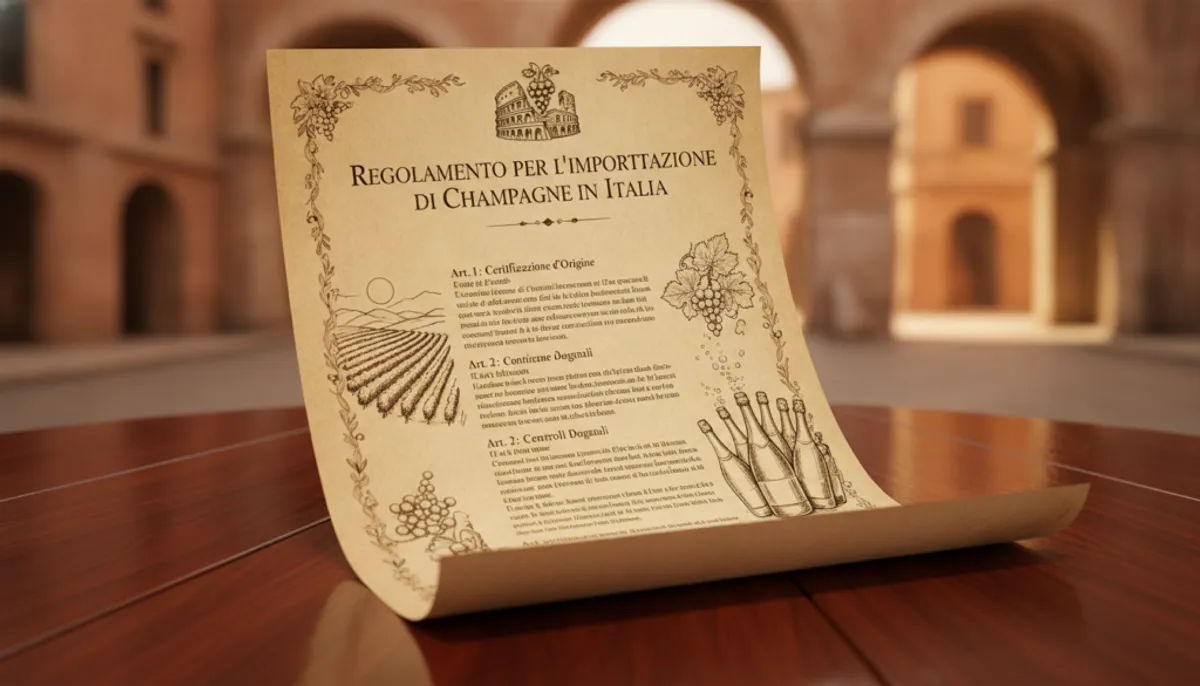
Looking for Champagne? Discover select bottles ready to ship worldwide and request a personalized quote on https://champagne-export.com.
Mandatory Labeling Requirements for Wine Imports
Clear, accurate labels speed customs checks and help goods move without delay.
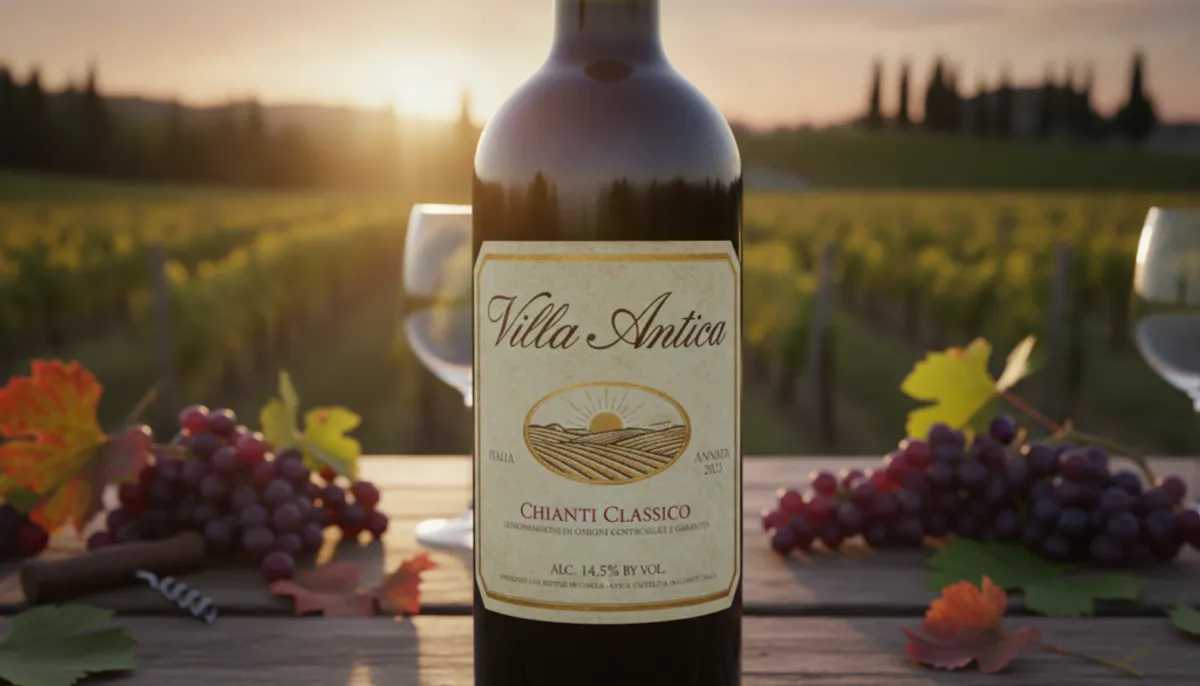
What must appear on every bottle? Labels must show the importer’s name and address, preceded by the word “Importer” or “Imported by.” The net quantity must be shown in liters and comply with EU fill standards under Directive 2007/45/EC.
Allergen Labeling Standards
Any wine or related product that contains sulfur dioxide or other allergens must be declared. This rule protects consumers and clarifies when items are for personal use versus commercial sale.
EU Standards of Fill
Directive 2007/45/EC sets required volume and standard of fill for wine and spirits. Ensure the declared volume and quantity match the physical content to avoid delays.
Sustainability and Organic Claims
Claims about organic cultivation or sustainability must follow EU regulations. Misleading green claims trigger restrictions and extra checks.
| Requirement | Applies To | Example |
|---|---|---|
| Importer name & address | All products | Importer: ABC Wines, 123 Main St |
| Net quantity | Wine, spirits | 0.75 liters |
| Allergen notice | Alcoholic beverages | Contains sulfur dioxide |
Looking for Champagne? We’ve got you covered. Discover the finest selections, ready to be exported anywhere in the world. Request your personalized quote today on https://champagne-export.com.
Navigating Customs Procedures and Documentation
Customs clearance begins long before your crate reaches the port or airport. A short, accurate file of documents speeds entry and cuts waiting time for goods such as wine and other products.
Required Import Documents
Key forms include the commercial invoice, packing list, and the Single Administrative Document (SAD). The SAD is the standard customs declaration used across EU countries.
Paying taxes matters. Importers must settle VAT and any excise duties, including wine duties in latvia, before goods are released for free circulation. A clear declaration and correct duty calculation avoid holds at the destination.
- Keep a precise list of documents for each product and shipment.
- Use a trusted website to get up-to-date information on export rules for food, beverages, and alcoholic items.
- Prepare volume details in liters and check restrictions that apply to alcoholic beverages and other items.
| Document | Who issues | Purpose |
|---|---|---|
| Commercial invoice | Seller | Value & product details |
| Packing list | Shipper | Contents & liters per carton |
| Single Administrative Document | Customs | Official declaration for entry |
Looking for Champagne? We’ve got you covered. Discover the finest selections, ready to be exported anywhere in the world. Request your personalized quote today on https://champagne-export.com.
Personal Travel and Duty-Free Allowances
Knowing the small rules on declarations can save you time and fines at the airport.
When you return to the United States, you must complete Declaration Form 6059B at Customs and Border Protection checkpoints. Be honest about the quantity and value of goods you bring for personal use. Failing to declare items can lead to fines and delays.
Navigating US Customs and Border Protection
One liter of alcohol is commonly allowed duty-free for most travelers. Additional bottles may incur duty based on value and country rules. Keep receipts with your declaration to speed the process.
Trusted Traveler Programs
Enroll in Global Entry for faster entry. The program costs $100 and is valid for five years. Many travelers find this improves their airport experience and reduces wait time.
- Prepare receipts and note liters per bottle.
- Protect goods in checked luggage or secure packaging.
- Use our guide at https://champagne-export.com for clear information on declarations and restrictions.
| Topic | What to do | Why it matters |
|---|---|---|
| Declaration Form 6059B | Complete at arrival | Avoid fines and speed processing |
| Duty-free allowance | ~1 liter duty-free | Extra bottles may be taxed |
| Global Entry | $100 for 5 years | Faster entry, shorter lines |
Looking for Champagne? We’ve got you covered. Discover the finest selections, ready to be exported anywhere in the world. Request your personalized quote today on https://champagne-export.com.
Conclusion: Sourcing and Exporting Premium Champagne
A smart export plan combines careful sourcing, correct paperwork, and trusted logistics. This approach keeps products moving and protects the value of your wine.
We provide clear information on regulations, liters limits, and handling for alcoholic beverages and other items, including alcohol import tariffs. Our team treats every product and package with care and follows a strict privacy policy to protect your details.
, Request your personalized quote, visit our website: https://champagne-export.com. Looking for Champagne? We’ve got you covered. Discover the finest selections, ready to be exported anywhere in the world.