Looking for clear guidance on cross-border wine rules? This short guide gives practical information about the 2027 rules for shipping fine sparkling wine. You will learn the key duties, paperwork, and compliance steps to keep shipments moving.
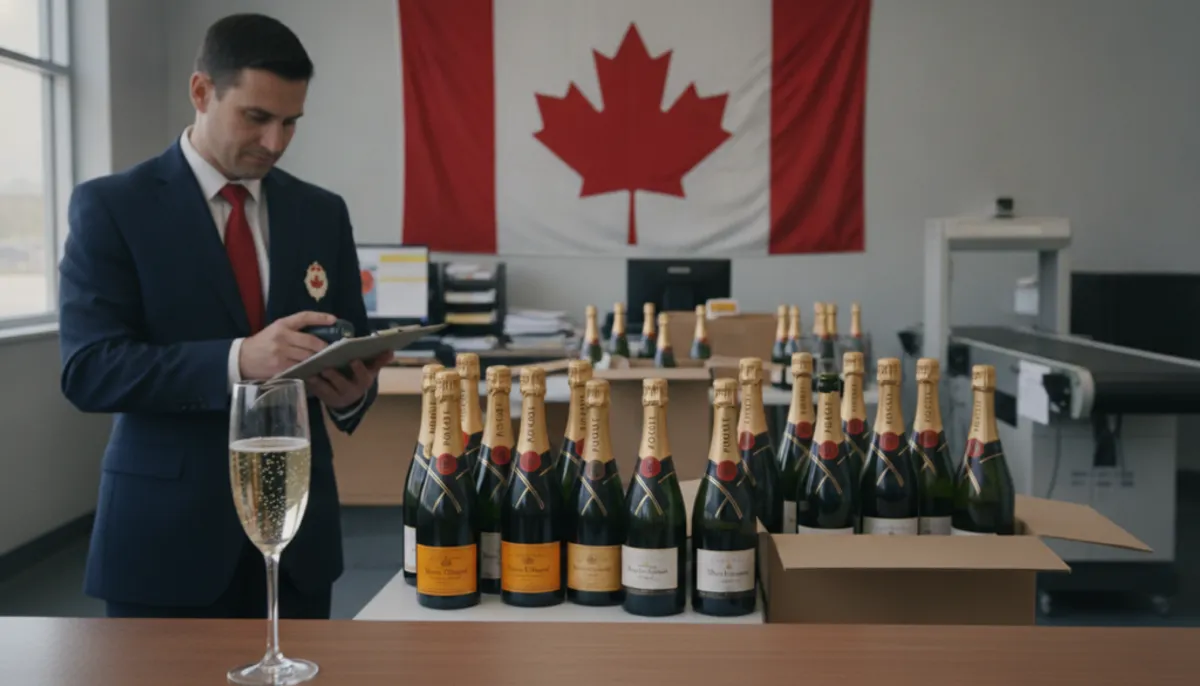
We explain how to handle customs checks, required labels, and the standard forms that most shippers must file. Our team shares concise details to help you avoid delays and legal issues. You can also request your personalized quote today on https://champagne-export.com.
Key Takeaways
- Understand the main paperwork and labelling rules before you ship.
- Plan for duties and inspections to avoid unexpected holds.
- Follow compliance steps to protect your supply chain.
- Use our clear checklists to speed up customs processing.
- Request a tailored quote at https://champagne-export.com for fast support.
Understanding Personal Exemptions for Importing Champagne into Canada
Personal exemptions for alcohol vary by time away, volume, and provincial rules. Know these basics before you bring bottles home to avoid surprise duties or delays.

Duty-Free Limits
Alcoholic beverages are defined as products that exceed 0.5% alcohol by volume. If you have been away for 48 hours or more, you may bring back up to 1.5 litres of wine — the same as two 750 ml bottles — without duty.
Any quantities above that limit will trigger additional duty and taxes on the excess amount. Check the alcohol content on each product label; beverages over 0.5% are regulated by border authorities.
Provincial Age Requirements
To qualify for personal exemptions you must meet local age rules. The minimum age is 18 years in Alberta, Manitoba and Quebec, and 19 years in other provinces and territories.
Also remember provincial liquor control authorities set specific limits and rules for beer and other products. Verify volumes and quantities with the relevant authorities before you travel to stay within the allowed limit and avoid extra fees.
Navigating Commercial Import Regulations and Licensing
Securing the proper permits is essential when businesses plan to import wine or other alcoholic beverages for sale.
federal and provincial approvals must line up before shipment. Commercial entities that want import large volumes need licences from the Canada Border Services Agency and must file accurate paperwork. Missing permits can cause costly delays, holds, or fines.
Documentation must show product origin, alcohol content, and classification. Proper records help customs and provincial authorities verify duties, taxes due, and alcohol import taxes. In Quebec, the SAQ is the only body authorised to bring in alcoholic products commercially, so coordinate with them early.
- Keep strong relationships with regulatory authorities to prevent illicit shipments.
- Prepare labels and certificates that state alcohol content and origin.
- Plan for duty taxes and clearance costs before you ship.
| Requirement | Who enforces it | Why it matters |
|---|---|---|
| Import licence | CBSA | Allows legal commercial entry and clearance |
| Product documentation | Provincial authorities / SAQ | Proves origin and alcohol content |
| Payment of duties & taxes | CBSA / Revenue agencies | Clears shipments for distribution |
Essential Documentation and Customs Compliance
Clear paperwork and accurate labels are the foundation of smooth customs clearance for wine and other alcoholic goods. Start by assembling a full file so officials can verify value, origin, and volume quickly.
Required Import Paperwork
Required Import Paperwork
Every commercial import needs a detailed commercial invoice and a packing list to confirm quantities and value of bottles.
Also include bills of lading and certificates of origin. These documents help calculate correct duty taxes, including wine duties in latvia, and speed customs checks.
Labeling and Packaging Standards
Labeling and Packaging Standards
Labels must show alcohol content, ingredient details, and consumer health warnings. Make sure product labels meet provincial and federal rules.
Packaging should protect glass bottles and meet environmental safety standards to avoid damage and disposal issues.
Product Registration
Product Registration
Register your alcoholic beverages with the proper authorities before shipment. Registration requires thorough documentation and may involve certificates and compliance forms.
If you have been away for 48 hours, keep paperwork ready at the border to avoid delays.

| Document | Purpose | Key detail |
|---|---|---|
| Commercial invoice | Shows value and seller information | Must list quantity of bottles and unit prices |
| Packing list | Verifies contents and counts | Include bottle sizes and total litres |
| Bills of lading / airwaybill | Proves transport and ownership | Needed for duty taxes calculation |
| Certificate of origin | Confirms product origin | Used for tariffs and preferential treatment |
Logistics and Shipping Considerations for Fine Wines
Temperature control and careful handling make the biggest difference when shipping fine wine long distances. Good planning protects flavour and avoids costly losses.
Temperature and Storage Management
Maintain a stable climate. Rapid swings in temperature can damage corks and alter product content.
Use refrigerated or climate-controlled transport when you move valuable bottles. A steady temperature prevents thermal shock and preserves the alcohol profile.
Choose specialised carriers that know how to stack and cushion glass. Proper packing reduces breakage and keeps quantities intact.
- Cold chain: continuous monitoring keeps wines safe from heat exposure.
- Volume planning: monitor total shipment volume so all products meet handling standards.
- Tracking: real-time systems let you confirm each pallet and every bottle reaches its destination.
| Risk | Mitigation | Benefit |
|---|---|---|
| Temperature spikes | Climate-controlled trailers and alarms | Protects aroma and taste |
| Breakage | Specialised palletising and cushioning | Reduces lost bottles and claims |
| Incorrect volume handling | Pre-shipment audits and documentation | Ensures correct quantities and compliance |
Conclusion
, A clear plan and correct paperwork make cross-border alcohol shipments far easier to manage.
Follow the guidance on duties, taxes, and labels to keep product moving and avoid holds, including understanding wine duties in russia. Keep records current so you meet provincial and federal rules over the coming years.
If you want import high-quality champagne, our team can provide the specific details and support your business needs. We offer practical information, hands-on help with duties and compliance, and fast quotes.
Looking for Champagne? Discover the finest selections ready to be exported worldwide. Request your personalized quote today at https://champagne-export.com for tailored assistance on your next shipment.