Champagne occupies an esteemed place in American celebrations, from holidays to major toasts. It transcends mere effervescence. Exclusively, wines crafted in France’s Champagne region may use the name. This distinction ensures their quality, embodying specific expectations for their flavor, texture, and potential for aging.
The narrative dates back to the vineyards near Reims, tended since the Roman era, circa the 5th century. Over centuries, the méthode traditionnelle and stringent appellation controls sculpted the beloved style. This piece showcases how modern vintners perpetuate this rich heritage.
Our spotlight illuminates Georges Laval, a distinguished grower renowned for his meticulousness and the sheer purity of his champagnes. Discover what sets Georges Laval apart, learn how to discern among various cuvées, and uncover purchasing avenues within the United States, including options for online champagne ordering. Detailed discussions will include price points, gifting recommendations, critiques, and export possibilities, with personalized quotes available at https://champagne-export.com.
Anticipate practical advice as well. Whether through trusted merchants like Berry Bros. & Rudd, which caters to adult clientele in strict adherence to the law, or through advice on allocations and shipping intricacies, we elucidate how to procure Georges Laval wine. This journey will reveal the transformation of terroir into a distinct character, and that character into a cause for celebration.
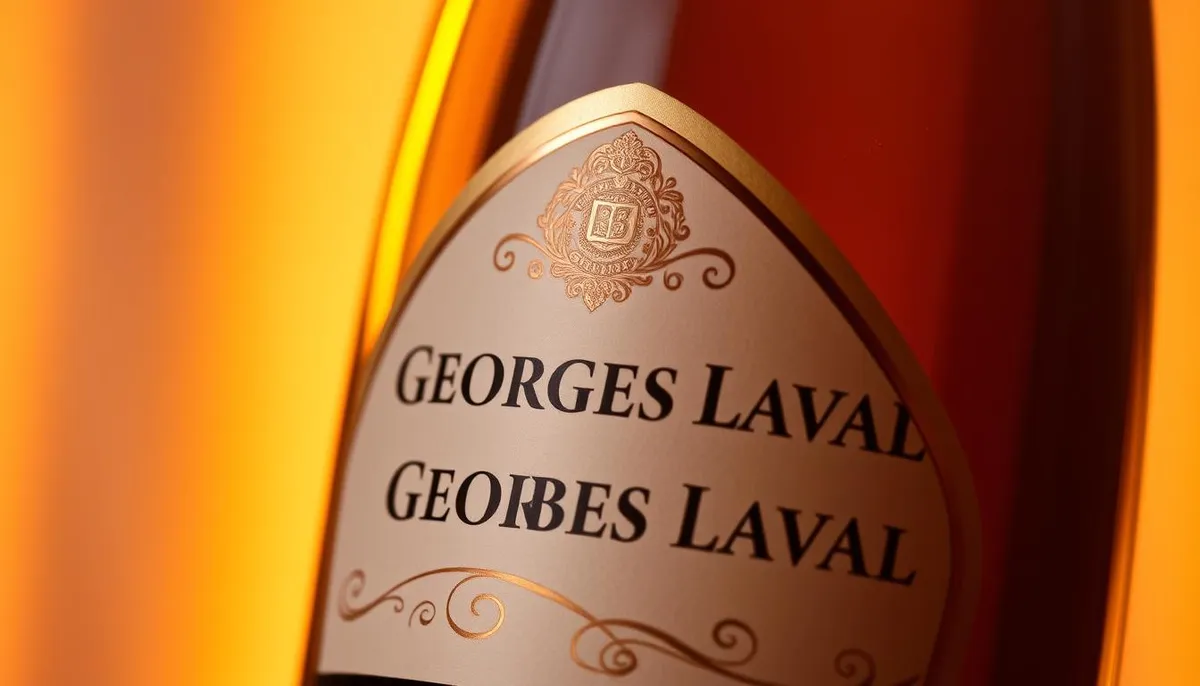
Key Takeaways
- Only wines from France’s Champagne region may be labeled Champagne under protected rules.
- Reims-area vineyards date to the Roman era, anchoring Champagne’s long prestige.
- Georges Laval offers boutique craftsmanship, with an emphasis on terroir and purity.
- Guidance for readers in the United States encompasses purchasing, pricing, and gifting advice.
- Export options include personalized quotes via https://champagne-export.com.
- Reputable retailers like Berry Bros. & Rudd ensure professionalism and compliance.
Introduction to Champagne and Its Protected Heritage
Champagne is distinguished by its integration of place, method, and history. It benefits from a protected designation under French and EU regulations, dictating the cultivation of grapes and vinification processes. This legal framework cements the narrative and the essence of the georges laval vineyard within an enduring tradition.
What Makes Champagne Unique Among Sparkling Wines
The northern vineyards’ cooler climes, along with chalk and limestone soils, define Champagne’s singular texture and tension. The appellation insists on a secondary fermentation within the bottle, an extended lees aging, and a meticulous blending process. These practices not only distinguish small producers like the georges laval vineyard but also resonate across the expanse of Champagne’s history.
The Importance of the Champagne Appellation in France
The appellation delineates geographic boundaries, controls yields, and schedules harvests, thereby safeguarding quality. It links the destinies of growers and producers across regions from Reims to Épernay under a collective standard. Moreover, it weaves narratives like that of georges laval into a rigorously preserved heritage that is inseparable from its locale.
Why True Champagne Cannot Come from Anywhere Else
The appellation’s name is reserved exclusively for wines produced within a specific zone; methods emulated outside these boundaries fall short of this designation. The interplay of climate, terrain, and stringent regulations is pivotal. For those at the georges laval vineyard, the appellation’s emblem is a testament to both provenance and craftsmanship.
| Element | Role in Authenticity | Impact on Style | Example in Practice |
|---|---|---|---|
| Geography | Limits use of the name to the region | High acidity, fine mousse, mineral drive | Chalk slopes near Épernay guiding georges laval history |
| Method | Requires bottle fermentation and lees aging | Layers of brioche, tension, and length | Rigorous cellar work at the georges laval vineyard |
| Law | Protected designation enforcing standards | Consistency across growers and vintages | Champagne appellation rules on yields and release |
The Enduring Allure of Champagne in Celebration Culture
For centuries, Champagne has symbolized pivotal celebrations and communal victories. Its origins trace back to the vineyards near Reims, extending to present-day toasts in metropolises like New York and Los Angeles. In the clinking of glasses, we find a moment that merits commemoration. As the quintessential celebratory wine, it merges tradition with enjoyment, transforming milestones into experiences that are both intense and collective.
This effervescent drink also mirrors the broader luxury wine culture. Selections for significant occasions—be it weddings, promotions, or festive holidays—often encapsulate a narrative of craftsmanship and origin. An increasingly popular choice for these moments is an outdoor champagne photo shoot, where the beauty of the surroundings complements the elegance of the champagne. Consumers peruse recommendations in the New York Times and heed advice from authorities like Wine Spectator and Food & Wine to discern style and worth. These influencers dictate the selections that grace our tables and those reserved for future celebrations.
Expert opinions assist in unraveling subtleties, from the blend’s sweetness to its year. These insights are especially crucial for gifting, where the popularity of distinguished vineyards soars. Aficionados delve into georges laval critiques to weigh the texture, vitality, and clarity presented, ultimately choosing a blend that matches the ambiance of an event or an intimate dinner at home.
Rituals persist because they resonate as both eternal and intimate. A thoughtfully selected bottle emphasizes a speech, enhances a toast, and etches in our minds well beyond the moment the champagne is unveiled. This magnetism typifies a genuine celebration wine, anchored in a opulent wine tradition that prizes intricacy, diligence, and locale.
| Occasion | Why Champagne Fits | What Reviews Highlight | Buyer Tip |
|---|---|---|---|
| Weddings | Shared joy and a vivid first toast | Balance, fine mousse, graceful finish | Compare georges laval reviews for texture and freshness |
| Graduations | Milestone marked with energy and lift | Precision, brightness, length | Seek a celebration wine with lively acidity |
| Promotions | Signals achievement with polish | Structure, poise, aging potential | Use trusted critics from Wine Spectator and Food & Wine |
| Holiday Dinners | Pairs across the table, from oysters to roast | Versatility, mineral drive, harmony | Lean on the luxury wine tradition of grower bottlings |
In the U.S. market, esteemed publications act as pivotal advisors. Their headlines and tasting notes set expectations for what’s poured, influencing host selections. With strategic choices and a deep understanding of reviews, especially from sources like georges laval, every opened bottle prompts a moment of bonding.
georges laval
In the Champagne region’s heart, georges laval epitomizes the finest in boutique champagne. His commitment to small batches, meticulous craftsmanship, and purity sets a benchmark. Each bottle is a testament to the terrain, the climatic conditions it endured, and the meticulous care it received. Enthusiasts of artisanal Champagne treasure this attention to detail, the restrained elegance, and the superior texture of these exceptional champagnes.
A Boutique Producer with a Revered Reputation
Allocations are scarce, with demand frequently surpassing availability. In the U.S., exposure from esteemed publications like the New York Times, Wine Spectator, or Food & Wine enhances small producers’ profiles. Such recognition introduces newcomers to the georges laval line and directs aficionados towards sought-after cuvées.
The limited production ensures rapid turnover through exclusive retailers and membership clubs. What captivates connoisseurs is the unmistakable freshness, tension, and mineral nuances. These characteristics distinguish artisanal Champagne, evidencing extensive expertise and deliberation in its creation, including the growing market for wholesale champagne export.
How Georges Laval Champagne Stands Apart in Style and Craft
- Vineyard-first mindset that honors the appellation’s strict rules.
- Pinpoint picking for freshness, preserving lift and length.
- Careful élevage that protects texture and fines the mousse.
A masterful expression emerges: vibrant citrus notes, a distinct chalky essence, and a protracted, savory finale. It personifies boutique champagne—a subtle yet confident declaration of its origins.
Key Terms Shoppers Search: georges laval wine, vineyard, and producer
Potential buyers frequently search for georges laval wine to compare offerings and ascertain release schedules. Some investigate the georges laval producer for insights into agricultural and vinification methodologies. Meanwhile, inquiries into the georges laval vineyard aim to comprehend the unique climatic influences and plot distinctions.
Such explorations aid in identifying reputable vendors and assessing product availability. They further set expectations regarding scarcity, uncompromising quality, and the distinctive, polished character—all hallmarks of artisanal Champagne from an authentic boutique champagne establishment. Additionally, incorporating champagne-themed centerpieces into events can enhance the overall aesthetic, making celebrations even more memorable.
Georges Laval History and Winemaking Philosophy
In the small village of Cumières, within the Marne, emerges the narrative of Georges Laval Champagne. Its genesis is rooted in meticulous agriculture and cellar precision. Nestled in the esteemed Champagne appellation, the winery’s history reveals an emphasis on origin, transparency, and texture. These elements collectively delineate what is today recognized as terroir-driven Champagne.
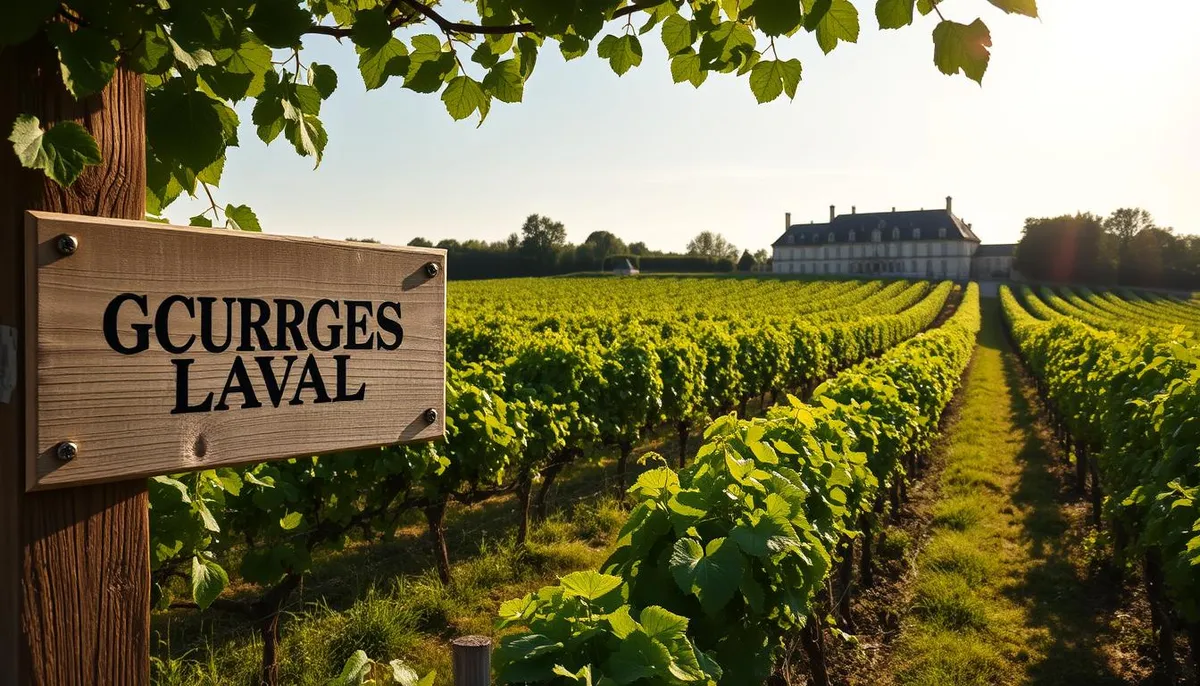
From Early Roots to Modern Recognition
The chronicle commences with vineyards dating back to Roman times near Reims, influencing local expertise and land application. Through ages, Marne Valley families refined their vineyards and wine presses, establishing principles that sculpt Georges Laval’s legacy. Esteemed wine publications, recognizing the authenticity of small-scale, sincere agriculture and an untainted stylistic approach, have accorded modern recognition.
The winery maintained limited, site-centric releases as its fame burgeoned. This approach preserved a focus on equilibrium and vitality in its Champagne. Consequently, Georges Laval Champagne has garnered the attention of connoisseurs who favor authenticity over quantity.
Commitment to Terroir and Artisanal Methods
The estate ardently supports organic cultivation alongside minimal intervention strategies to safeguard the inherent attributes of the fruit. These practices are ideally suited for terroir-driven Champagne, where the interaction of chalk, clay, and climatic conditions is expressed through a taut structure and pronounced aromatic profile. Gentle extraction, indigenous yeast fermentations, and meticulous ageing reflect the winery’s commitment to craftsmanship.
Adherence to the appellation’s regulations ensures that each parcel dictates the blend, not vice versa. This principle secures the wines’ fidelity to their origins, integrating Georges Laval Champagne within a legacy marked by precision and moderation.
How Legacy Shapes Flavor and Style
The winery’s history influences the tension, salinity, and persistence characterizing its cuvées. Notable are the fine effervescence, robust citrus, and mineral backbone that mirror the terrain and adept viticulture, signifying the essence of terroir-driven Champagne. These signals firmly establish Georges Laval’s narrative within each sip, where temporal layers, craftsmanship, and earth converge into a distinctive signature.
Artisanal vinification aligned with conscientious agriculture bridges freshness with complexity, eschewing undue heft. This harmony perpetuates the distinctiveness of Georges Laval Champagne across different vintages, underscoring a reverence for provenance and technique.
Inside the Georges Laval Vineyard
Entering the Georges Laval vineyard reveals the essence of terroir. The terrain, bathed in sunlight, angles meticulously. Layers of chalk and clay are foundational, influencing moisture and warmth. Here, reverence for the land and meticulous craftsmanship converge.
Terroir and Microclimates That Define the Wines
The terrain near Cumières presents a diverse soil composition. Chalk adds vigor and elevation, while clay and sand lend complexity. Variance in light and air circulation engenders distinct microclimates. Thus, the fruit acquires a signature Champagne clarity, often celebrated during a champagne ceremony.
Such a complex terrain is the reason Georges Laval wines exhibit defined structure and longevity. The wines mirror the uniqueness of their terroir, capturing the essence of each season with transparency.
Viticulture Practices That Elevate Quality
The vineyard’s cultivation approach is both precise and delicate. Limiting yields ensures concentrated and vibrant fruit. Soil vitality is preserved through hand tilling, while careful canopy management maintains a balance between sunlight and ventilation. These practices sustain the grapes’ inherent quality from vineyard to press.
Adhering to organic principles is critical. Only the healthiest clusters are selected, laying the foundation for refined winemaking with minimal intervention.
Harvest, Handling, and Precision in the Cellar
Harvesting commences at the break of day to preserve the grapes’ freshness. Immediate field sorting eliminates damaged fruit. A meticulous whole-cluster pressing technique extracts delicate aromas and subtle saline nuances.
Cellar practices are dominated by precision. Indigenous yeast fermentations, attentive lees aging, and judicious dosage pay homage to the vineyard’s character and the vintage. Prestigious merchants, like Berry Bros. & Rudd, epitomize the dedicated craftsmanship and integrity that define Georges Laval, from vine to bottle.
Tasting Notes: Exploring Georges Laval’s Finest Cuvées
True Champagne articulates the essence of its origin. Georges Laval’s champagnes manifest meticulousness, minerality, and a subdued strength. These cuvées emphasize lucidity and structure, premised on pristine terroir and diligent aging processes.
For cuvée insights, numerous U.S. enthusiasts consult resources like the New York Times, Wine Spectator, and Food & Wine. Such platforms offer valuable foresight on culinary companions and serving suggestions. This guidance particularly benefits grower Champagne, which flourishes with thoughtful preparation and patience, making it a popular choice for champagne-themed parties.
Elegance, Texture, and Minerality in the Glass
One should anticipate a refined effervescence and scents of lemon zest, green apple, and crushed chalk. Georges Laval’s champagne presents a palate of tension and complexity: a saline bite, mature citrus, white peach, and an enduring, mineral-rich finale.
Here, oak serves as a subtlety, enhancing rather than overwhelming the palate. With patience, nuances of brioche, almond, and herbaceous tones emerge, enriching the tasting experience.
Food Pairings to Highlight Freshness and Complexity
- East Coast oysters, crudo, or sushi to mirror the saline dimension.
- Roast chicken with thyme, or seared scallops with lemon butter to complement the mid-palate richness.
- Young goat cheese, pommes frites, or spring vegetables for a vibrant lift and texture.
Opt for straightforward, pure pairings. Prioritize acidity and minerality; evade dense sauces or intense smokiness that might obscure the wine’s character.
Serving Temperatures and Glassware Tips
- Chill to 46–50°F; avoid excessive cold to allow aromas and texture to unfold.
- A tulip glass accentuates the fragrance and preserves effervescence; complex cuvées suffer in narrow flutes.
- For table service, pour with care and allow the wine to develop for a few minutes for enhanced complexity.
| Aspect | Recommendation | Why It Matters | Pro Tip |
|---|---|---|---|
| Temperature | 46–50°F (8–10°C) | Reveals citrus, brioche, and mineral detail | Chill 2 hours in fridge; 10 minutes on counter before pouring |
| Glassware | Tulip-shaped stem | Enhances aromatics and texture | Leave 1–2 oz. of headspace to build bouquet |
| Opening | Slow twist, controlled release | Keeps mousse fine and persistent | Hold at 45°, twist the bottle, not the cork |
| Pairing Style | Saline, citrus, light fats | Matches the wine’s tension and purity | Think oysters, scallops, goat cheese, roast chicken |
| Timing | Serve within 15 minutes of opening | Preserves freshness and line | Revisit as it warms for layered complexity |
Georges Laval Reviews and Critical Acclaim
In the U.S., customers meticulously examine Georges Laval reviews prior to purchase, seeking insights from authoritative wine sources. This scrutiny informs their expectations concerning the wine’s style, dosage, and terroir expression, particularly for limited production wines. Consequently, this leads to a more informed selection, whether shopping in-store or online.
Critics bridge the gap between Champagne’s esteemed history and contemporary preferences. A recommendation from them transforms a Champagne bottle into a sought-after commodity. Retailers amplify this effect with promotional materials that reflect critical endorsements, enhancing consumer interest.
Coverage by the New York Times, Wine Spectator, and Food & Wine solidifies consumer interest. These publications provide details on vineyard management, wine maturation processes, and timing of releases, clarifying the reasons behind a wine’s price and rarity. They offer benchmarks for evaluating the nuanced differences between vintages based on terroir, texture, and liveliness.
Specialty retailers support this ecosystem through rigorous compliance and transparency, as exemplified by Berry Bros. & Rudd. This framework reassures purchasers seeking top-rated grower Champagnes, ensuring authenticity, proper storage, and transportation. Additionally, for those with a sweet tooth, they often offer indulgent chocolate treats that perfectly complement the rich flavors of these wines.
Key takeaway for readers: balance critic observations with personal taste preferences. Consider the dosage, origin of grapes from Cumières, and specific vintage conditions to align the wine’s flavor profile with culinary intentions.
| Source | What It Emphasizes | How It Guides Buyers | Impact on Availability |
|---|---|---|---|
| New York Times | Context and narrative around grower Champagne | Frames georges laval reviews with history and style cues | Features can trigger rapid sell-through |
| Wine Spectator | Scores, tasting notes, and release coverage | Creates a quick read for critic-recommended Champagne | Scores influence allocation priorities |
| Food & Wine | Pairing ideas and entertaining angles | Translates trusted wine publications into everyday choices | Spotlights seasonal demand spikes |
| Berry Bros. & Rudd | Retail rigor and buyer protections | Reassures collectors with compliance and service standards | Builds confidence for high-demand bottles |
Georges Laval reviews serve as a vital resource, enabling readers to contrast vintages, grasp terroir-centric profiles, and swiftly act upon a Champagne gaining critic-recommended status. Additionally, exploring the best value champagne brands can enhance the purchasing experience. These assessments from reputable wine journals bridge the historical with modern purchase decisions.
Buying Guide: Georges Laval Prices and Value
Assessing the equilibrium between rarity and excellence is pivotal in determining Georges Laval’s prices confidently. This guide elucidates strategies to interpret the Champagne market’s value dynamics. It also advises on crafting a procurement strategy that ensures access to Georges Laval’s wine without financial excess.
What Influences Pricing for Small-Production Champagne
Appellation protection, minimal vineyard spaces, and reduced harvests affect Georges Laval’s pricing structure. Costs heighten with single-source grapes and aged vines. Organic practices and manual labor further inflate expenses. Market demand surges for these limited editions, positioning value Champagne as a matter of timing and acquisition source.
How to Evaluate Vintage vs. Non-Vintage Value
Consider the emphasis on terroir, the clarity of the base wine, and maturation lengths. A distinct vintage commanding a higher price justifies itself if it surpasses expectations, contrasting with a non-vintage blend’s consistent Champagne value over time. Evaluate stability, disgorgement timelines, and expert reviews from esteemed publications like the New York Times, Wine Spectator, and Food & Wine when appraising Georges Laval’s prices.
Smart Strategies for Sourcing Limited Bottles
- Develop a purposeful allocation plan with reputable dealers; inquire about pre-orders and periodic offerings.
- Stay abreast of launch schedules and opt into notifications to procure Georges Laval wine at the initial opportunity.
- Ensure adherence to legalities—age verification and transaction recordings signify a retailer’s legitimacy and focus on genuine interactions.
- Consider alternative formats like demi-bottles or magnums to discover value in Champagne when standard sizes are unavailable.
| Buyer Goal | Best Move | Why It Works |
|---|---|---|
| Fair Georges Laval prices | Purchase on release through allocations | Immediate acquisition circumvents subsequent price hikes |
| Cellar-worthy value Champagne | Opt for acclaimed vintages with positive critiques | Endorsements fortify potential for long-term enjoyment and investment growth |
| Steady house pour | Opt for non-vintages from reliable distributions | Maintains quality and pricing equilibrium |
| Rare cuvées | Employ multifaceted allocation tactics across sellers | Enhances probability of access to limited releases |
Maintain records of propositions, prices, and delivery terms, evaluating each cycle. A concise blueprint renders Georges Laval’s pricing foreseeable. Hence, securing value Champagne becomes a year-long feasible ambition.
Georges Laval Champagne for Gifting and Special Occasions
A bottle of Georges Laval Champagne epitomizes thoughtfulness for milestone celebrations. It embodies care, craftsmanship, and refined taste. Originating from the Champagne region’s prestigious appellation, it assures the gift’s authenticity and significance.
The convenience of modern shopping allows for sending luxury gifts effortlessly, including luxury engagement presents. Numerous U.S. retailers offer selection assistance, digital messaging services, and secure, temperature-controlled delivery options. This convenience is invaluable for commemorating occasions like weddings, professional achievements, or festive holidays with elegance and precision.
Adhering to compliance is crucial as well. Esteemed sellers ensure all purchases are made by individuals over the age of 21 and confirm transactions telephonically, upholding premium Champagne gifting’s professional standards. This diligence facilitates a seamless transaction for the giver and respects the recipient.
Selecting the appropriate bottle involves matching the Champagne’s style to the occasion. For a promotion celebration, a crisp, mineral-forward cuvée is apt. Anniversary celebrations are complemented by a rich, textural vintage. Georges Laval Champagne offers a broad spectrum, from vibrant to full-bodied, ensuring the perfect fit for any festivity.
Tip: Enhancing the experience with a brief card detailing serving suggestions—emphasizing the importance of proper chilling and the use of a tulip glass—maximizes enjoyment.
| Occasion | Recommended Style | Why It Fits | Add-On Idea |
|---|---|---|---|
| Engagement or Wedding | Brut Nature or Extra Brut | Pure, vibrant profile underscores a fresh start | Handwritten note and keepsake stopper |
| Anniversary | Vintage or single‑parcel cuvée | Depth and texture match a meaningful milestone | Gift box with etched flute set |
| Promotion or New Venture | Brut with strong mineral drive | Clean, focused energy pairs with achievement | Discreet gift receipt and delivery scheduling |
| Holiday Host Gift | Multi‑vintage blend | Versatile with diverse dishes at the table | Chiller sleeve for ready service |
| Thank-You or Appreciation | Rosé de Saignée (if available) | Striking color and red‑fruit lift feel celebratory | Personalized card with pairing tips |
The way a gift is presented is as impactful as the gift itself. Opt for simple wrapping, include a concise note, and ensure timely delivery. By choosing Georges Laval Champagne, you transform a special event into an extraordinary memory—personalizing luxury gifting in a heartfelt, unforgettable manner.
Where to Buy Georges Laval Wine in the United States
Obtaining scarce grower Champagne involves strategy. For assured purchases of Georges Laval, trusted sources and authentic platforms are essential. Given the heightened interest in this producer, timing and readiness play pivotal roles in the expanding champagne vending market.
Trusted Retailers and Allocation Tips
Begin with U.S. wine sellers endorsed by authoritative publications such as the New York Times, Wine Spectator, or Food & Wine. These outlets often get limited allocations and offer transparent provenance. Subscribing to newsletters, enabling text notifications, and staying alert for seasonal offerings are wise moves.
Upon receiving an alert, respond promptly. Limit your purchases to ensure fulfillment, and consider diverse selections to enhance acquisition chances. For those hard-to-find Georges Laval bottlings, joining a waitlist and maintaining an up-to-date profile is advantageous.
Navigating Availability and Shipping Considerations
The scarcity of these champagnes is a result of limited production and significant demand. It’s advisable to question retailers on restock probabilities and specific vineyard releases. Missing an initial offering should prompt queries about subsequent allocations and the possibility of inter-store transfers.
When arranging Champagne deliveries, confirm the necessity for an adult signature and be mindful of varying state regulations. Many reputable vendors adopt rigorous age confirmation practices akin to those of Berry Bros. & Rudd. This includes age restrictions and call recordings. Anticipate specialized packaging solutions, temperature control measures during extreme weather conditions, and the use of champagne chillers to ensure optimal serving temperatures.
Ensuring Authenticity When Shopping Online
Select U.S. retailers that provide detailed information on lot codes, storage conditions, and acquisition dates. Opt for sellers who are open about their sources and manage climate-controlled storage. Prefer online platforms that align actual bottle images with their stock and offer transparent return policies.
Prior to finalizing a purchase, evaluate disgorgement dates, assess the vendor’s reputation, and confirm secure payment methods. These precautions mitigate risks, facilitating the acquisition of authentic Georges Laval Champagnes across diverse jurisdictions.
Export and Global Availability
Champagne, with its protected French appellation, has a demand that spans from New York to Tokyo. Buyers leveraging a dependable partner can tap into the global Champagne supplies. This approach honors the appellation’s origin rules and upholds the integrity of producers. It simultaneously ensures the availability of georges laval for both collectors and the trade sector.
Compliance matters. Following strict age verification and due diligence practices, akin to those of Berry Bros. & Rudd, is paramount. This ensures secure and seamless cross-border sales. Such standards facilitate the global exportation of Champagne, mitigating potential delays and preserving quality.
Looking for Champagne? We’ve Got You Covered
Our carefully curated selections range from grower labels to grand marques, all with a focus on provenance. Expectations include unequivocal details about origin, meticulous documentation of storage, and transparent shipping timelines. These aspects are critical to maintaining a reliable, global Champagne supply.
Discover the Finest Selections, Ready to Be Exported Worldwide
Our focus on allocation enhances the availability of georges laval and other sought-after cuvées, including high-end wine tools that ensure proper handling and enjoyment. Through meticulous temperature control, comprehensive insurance, and secure bonded transportation methods, we guarantee the exceptional condition of our bottles upon worldwide export.
Request Your Personalized Quote Today on https://champagne-export.com
Provide us with your specific desires regarding cuvées, formats, and delivery schedules for a customized proposal. A dedicated manager will verify inventory availability, detail costs, and orchestrate a compliant, global Champagne logistics plan. This plan will accommodate both your budgetary and scheduling needs.
How Champagne’s Prestige Was Built Over Centuries
The prestige of Champagne developed from its origins, specific practices, and verified quality. It embodies the region’s heritage, shaped through ages, governed by specific laws, and enhanced by contemporary media platforms. Consumers rely on this recognition as a trustworthy guide to discern origin and craftsmanship.
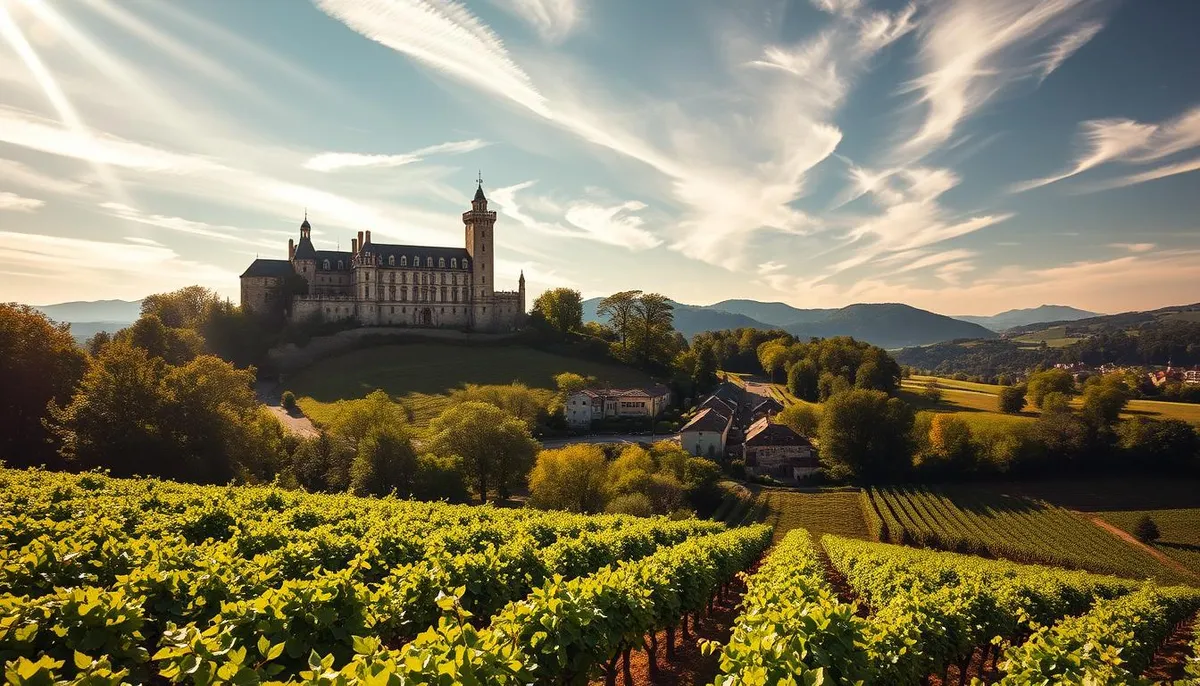
From Roman-Era Vineyards in Reims to Today’s Luxury Icon
The founding of vineyards around Reims during the 5th century linked its history to a unique terrain marked by chalk and mild climates. This tradition was later refined by monks and merchants, evolving local wine into a symbol of luxury. This profound narrative is maintained in cellars where aging processes, yeast, and patience converge to create a distinctive finish.
Producers, exemplified by the legacy of Georges Laval, demonstrate how continuous lineage influences subtle differences in wine. Each bottle represents an unbroken link from the soil to the final product, blending ancient techniques with modern elegance.
The Role of Tradition in Modern Champagne
Champagne making is steered by traditional practices such as blending base wines, inducing secondary fermentation, and choosing between cork and cap for aging. The appellation system safeguards the region’s heritage, ensuring the Champagne designation remains exclusive to wines from this area.
Esteemed publications like the New York Times, Wine Spectator, and Food & Wine celebrate these methods, connecting the historical significance of Reims to contemporary production norms. This establishes a universally acknowledged standard of excellence that transcends regional borders.
Why Prestige Matters When Choosing a Bottle
Prestige in Champagne conveys authenticity, connection to the land, and meticulous craftsmanship. It aids in interpreting wine labels, understanding the hierarchy within cuvées, and identifying grower marks that link back to historical figures like Georges Laval and other renowned estates, including emerging champagne producers brazil.
This convergence of style, provenance, and artisanal skill elevates a wine to the status of a luxury icon. This deep-rooted trust, curated over centuries, provides a reliable foundation for both serious collectors and casual buyers to make informed choices.
| Era | Key Influence | Impact on Prestige | Modern Takeaway |
|---|---|---|---|
| Roman & Monastic Roots | Early vineyards near Reims; monastic stewardship | Established Reims history and site credibility | Place matters; terroir defines Champagne heritage |
| 19th–20th Century | Codified methods; appellation protections | Legitimized the luxury wine icon status | Label integrity ensures origin and craft |
| Contemporary Era | Media validation; artisanal growers | Broader awareness of producers with depth, including georges laval history | Informed choices through journalism and producer transparency |
Conclusion
True Champagne, by legislation and geological distinction, originates solely from northern France’s chalk-infused slopes. This region’s viticulture, dating back to Roman times near Reims, bestows upon georges laval a subtle opulence. The brand’s commitment to meticulous cultivation, minimal intervention, and emphasis on terroir results in a Champagne with a lively texture, delicate mousse, and enduring mineral notes.
When seeking to purchase Champagne online in the U.S., consumers are advised to turn to retailers recommended by prestigious publications like the New York Times, Wine Spectator, and Food & Wine. The implementation of procedures, such as verifying the buyer’s age and the recording of transactions as practiced by Berry Bros. & Rudd, guarantees both safety and the Champagne’s authenticity. This ensures the integrity of the georges laval’s origin and promises consistent quality.
The pursuit of georges laval often reveals its demand surpasses its availability, requiring a stratagem of comparing prices across reliable vendors. Keen observation of release schedules for allocations is essential. For those requiring broader access, exploring respectable export avenues, such as charles lafitte champagne exporters, offering national and international shipping is beneficial. This strategy facilitates a comprehensive comparison of availability, delivery schedules, and prices, empowering consumers to acquire the fitting bottle at the opportune moment.
To truly capture the essence of georges laval and the Champagne appellation, a simple yet profound approach is recommended: honor the source, meticulously evaluate the supplier, and choose with deliberation. Adhering to this principle ensures that each cork popped, be it in a domestic setting or during a significant event, encapsulates the essence of georges laval. It celebrates its clarity of provenance, elegance upon serving, and a lasting legacy that transcends the final sip.
FAQ
What makes Champagne unique among sparkling wines?
Champagne’s uniqueness lies in its legal protections. Only wines from the Champagne region of France may bear the Champagne label. This exclusivity influences its style, characterized by precision, minerality, and a refined effervescence. It distinguishes Champagne from other sparkling wines globally.
Why can’t sparkling wines outside France be called Champagne?
The name “Champagne” is safeguarded by the Champagne appellation. Wines not cultivated and produced within Champagne’s specified region are prohibited from using the designation, despite methodological similarities.
How did Champagne become the drink of celebration?
Champagne’s prestigious reputation originated from vineyards near Reims, established in the 5th century. Its association with royal festivities, significant ceremonies, and widespread media recognition has solidified it as a symbol of luxury and celebration.
Who is Georges Laval, and why is this producer sought after?
Georges Laval, a boutique Champagne producer, is renowned for its small-batch, terroir-centric wines. The rarity of its product, combined with rigorous farming and traditional methods, fuels its desirability among collectors and connoisseurs. Additionally, exploring eunice wine destinations can enhance the experience of discovering unique wines like those produced by Georges Laval.
How does Georges Laval Champagne stand apart in style and craft?
Georges Laval Champagnes are celebrated for their elegance, distinct minerality, and vibrant fruit notes. The winery’s commitment to low-intervention techniques and cellar mastery results in wines with intricate textures and a memorable saline finish, reflecting their Premier Cru origins.
What do shoppers search to find these wines?
Potential buyers typically use keywords such as “georges laval,” “georges laval champagne,” and “georges laval prices” to find information on availability, reviews, and purchasing options for these exclusive wines.
What is known about Georges Laval history and philosophy?
Georges Laval’s winemaking ethos is deeply rooted in the Champagne region’s history, emphasizing organic cultivation and expression of terroir. This approach, valuing both tradition and precision, has garnered the estate contemporary recognition.
How does terroir shape Georges Laval’s style?
The unique combination of chalk and clay-limestone soils in Laval’s vineyards contributes tension and salinity to the wines. Skillful viticulture and distinct microclimates ensure each cuvée offers a clear, deep flavor profile with potential for longevity.
What vineyard and cellar practices elevate quality?
Laval’s meticulous approach includes handpicking grapes, employing gentle pressing techniques, and overseeing cautious fermentations. Such attentiveness during élevage maintains the wines’ structure and dynamism, creating expressive, mineral-rich Champagnes.
What do Georges Laval’s finest cuvées taste like?
The premier cuvées present a harmonious blend of citrus and orchard fruit flavors, underscored by a chalky texture and precise effervescence. Their composition—a balance of purity and complexity—culminates in a saline, enduring finish.
What are ideal food pairings for Georges Laval Champagne?
These Champagnes pair exceptionally well with foods like oysters, sashimi, and roasted chicken, as well as unique sides like champagne vinegar pickles. The inherent acidity and mineral profile of the wines accentuate the natural tastes of these dishes.
How should I serve Georges Laval Champagne?
For optimal enjoyment, serve Georges Laval Champagne cool, between 46–50°F. Employing a tulip-shaped glass will enhance the aromatic profile, mousse, and overall texture of the wine.
Where can I find Georges Laval reviews?
Prestigious publications such as the New York Times and Wine Spectator frequently review Georges Laval Champagnes. They provide valuable insights and recommendations on these limited-edition offerings.
What influences Georges Laval prices?
Prices are influenced by the limited production, Premier Cru sourcing, and the comprehensive farming practices Laval adheres to. The esteemed appellation and high demand further contribute to the pricing structure.
How do I compare vintage vs. non-vintage value?
Vintage Champagnes, reflecting the distinct characteristics of a single year, may offer higher prices and potential for aging. Understanding the vintage champagne value is crucial, as it can significantly influence a collector's decision. Conversely, non-vintage Champagnes strive for consistency with the house style, often providing excellent value.
How can I source limited bottles in the U.S.?
To secure limited editions, subscribe to retailer newsletters, monitor allocation announcements, and act swiftly when opportunities arise. Retailers featured in major publications are likely to stock small quantities of Georges Laval Champagne.
Is Georges Laval Champagne a good gift?
Certainly. Offering a boutique Champagne exemplifies thoughtfulness and a taste for luxury. Numerous retailers facilitate digital gifting and personalized selections, simplifying the process of presenting a notable bottle for special occasions.
Where can I buy Georges Laval wine in the United States?
Source Georges Laval wines from esteemed merchants recognized by the New York Times and other leading outlets. Note that age verification is mandatory, and some vendors, like Berry Bros. & Rudd, may record calls for compliance reasons.
What should I know about shipping and availability?
Given the scarcity of allocations and rapid sales, verify state-specific shipping regulations and signature requirements beforehand to ensure successful delivery.
How do I ensure authenticity when shopping online?
Purchase exclusively from reputable retailers that provide clear details about provenance, storage, and compliance. Avoid platforms lacking transparency in sourcing.
Can I export Georges Laval Champagne internationally?
Yes. Experienced specialists can manage sourcing and international logistics, adhering to legal age and export requirements for wine shipments.
How do I request a personalized export quote?
Interested in obtaining exceptional Champagne? Explore top selections available for global export. Secure your personalized quote now at https://champagne-export.com.
How did Champagne’s prestige develop over centuries?
Champagne’s standing evolved from early vineyards in Reims, royal support, and innovations. The safeguarded designation has maintained its unique stature and appeal.
Why does tradition matter for modern Champagne?
Tradition underpins the authenticity and caliber of Champagne. In venerable houses like Georges Laval, it informs both agricultural and vinification practices, fostering distinctive, site-specific wines.
Why does prestige matter when choosing a bottle?
Prestige denotes a history of trusted quality and expert craftsmanship. It assists consumers in discerning value, especially when considering famed labels like Georges Laval and their exquisite limited editions.