Understanding how long a sparkling bottle stays fresh helps you enjoy every pour. Whether you own a vintage bottle or a standard selection, proper storage matters. Protecting the wine from light and air preserves the taste and bubbles over time.
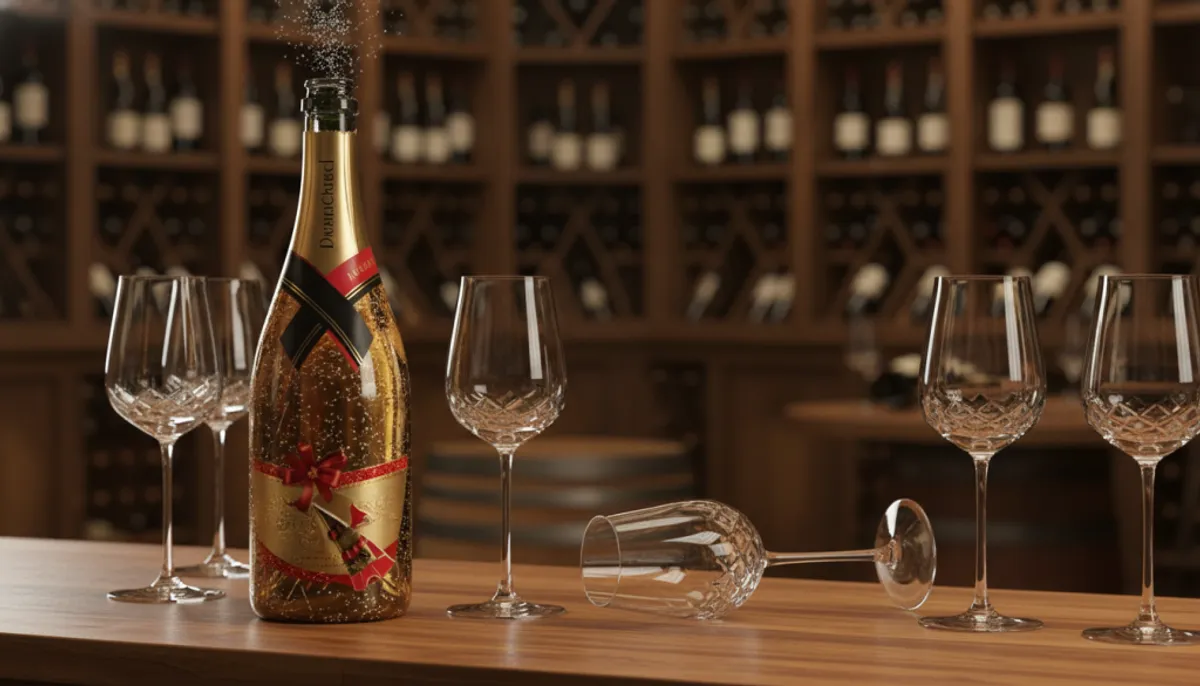
Estelle Dupont reported on 2/2/2023 that knowing when a bottle will last makes a real difference. Small steps — like using a good stopper or placing bottles in the fridge when opened — keep fizz and freshness intact.
We offer clear, expert tips to help you manage bottles and avoid a flat pour. Follow simple storage conditions and aging advice to keep quality high and savor every glass.
Key Takeaways
- Store bottles away from light and excessive heat to protect bubbles and taste.
- Use a proper stopper and limit air exposure after opening.
- Place open bottles in the fridge to slow loss of fizz.
- Vintage and non-vintage bottles require slightly different care for aging.
- Small changes in storage conditions can extend freshness and quality.
Understanding Champagne Shelf Life
Understanding the expected freshness of your sparkling wine keeps each pour at its best.
The shelf life of a bubbly depends on the type. Non-vintage bottles are blended to be ready soon and are usually aged at least 15 months before release. They are meant to be enjoyed within a few years.
Vintage bottles come from a single year and can improve with age. Some vintages develop richer flavor and preserved bubbles for over 10 years when stored correctly.
Proper storage matters:
- Keep bottles in a cool, steady place like a fridge or cellar to protect taste and fizz.
- Avoid light and wide temperature swings — both harm cork integrity and bubbles.
- After opening, use a good stopper to keep carbonation and quality for a few days.
Factors Influencing the Longevity of Your Bubbly
Temperature and light quietly shape whether a bottle keeps its fizz and flavor.
Temperature Stability
Keep temperatures steady between 45°F and 65°F. Fluctuations speed up chemical changes that harm bubbles and taste. Humidity around 70–85% helps the cork stay moist and seal the bottle.
Avoid vibrations and do not store bottles on the fridge door. Frequent temperature swings ruin long-term storage and shorten the time a vintage or standard bottle remains enjoyable.
Light Exposure
Direct light breaks down compounds that preserve flavor. A dark storage spot protects quality and supports proper aging.
After opening, use a reliable stopper to hold carbonation for a few days. For champagne stored in a fridge, place it away from the door to prevent spikes.
- Stable temp and humidity are critical for long-term storage.
- Protect bottles from light and vibration.
- Use a good stopper and keep corks moist for better aging.
How Long Does Champagne Last Unopened
How long an unopened bottle stays at peak quality depends largely on whether it is vintage or not.
Vintage bottles are aged on lees for at least three years and often much longer. When stored cool and dark, a vintage champagne can remain excellent for 10 to 20 years. Some prestigious brands reach 15 years or more and develop complex tertiary aromas that collectors prize. Additionally, understanding champagne export regulations is crucial for those looking to sell or distribute these wines internationally.
Non-vintage bottles are blended to show their best young. Most non-vintage champagne is best enjoyed within 3 to 5 years of purchase to capture its intended taste and fizz.
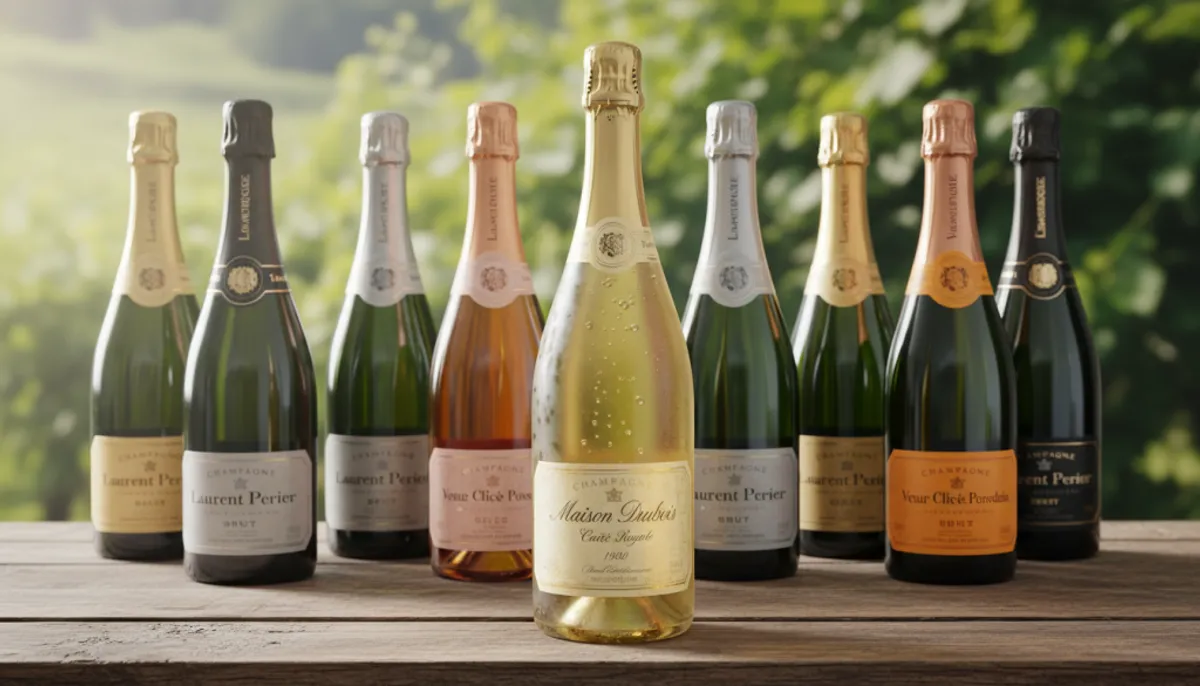
- Check the label or contact the producer if unsure about a specific bottle.
- Keep corks moist by storing bottles horizontally in a cool, dark spot.
- Storage conditions make the biggest difference in aging potential.
| Type | Typical Aging Before Release | Recommended Unopened Storage Time |
|---|---|---|
| Vintage champagne | 3+ years on lees | 10–20 years (cool, dark storage) |
| Non-vintage champagne | Blended for consistency | 3–5 years (best within years of purchase) |
| Prestige cuvée | Extended aging by house | 15+ years possible with ideal storage |
Best Practices for Storing Your Bottles
Good storage practices prevent premature decline and keep every bottle ready to serve.
Store bottles on their sides so the cork stays moist and seals tightly. This reduces air ingress and helps the taste remain true over time.
For long-term storage, use a dedicated wine fridge or a cool cellar. Stable temperatures and low light create the right conditions for aging and protect quality.
Avoid storing a bottle in the fridge door. Movement and frequent temperature swings speed up decline and make any opened bottle lose fizz faster.
- Choose Magnum bottles for long champagne aging — their larger volume helps slow maturation.
- Non-vintage champagne is best enjoyed within a few years; it rarely benefits from extended aging.
- Keep records of purchase date and grapes harvested to track ideal age and serving windows.
Proper storage is the foundation of a great fine wine collection. Follow these simple rules to ensure every bottle champagne you open shows its best flavor and aroma.
Managing Opened Bottles for Maximum Freshness
Once a bottle is open, how you seal and chill it decides how long it stays fresh. Proper handling preserves bubbles and overall quality so every glass tastes bright.
Using a Champagne Stopper
A quality stopper is the single best tool after opening. A good champagne stopper will seal bottle pressure and slow gas loss.
Use a purpose-made champagne stopper to seal bottle necks tightly. The Coravin Sparkling system can keep freshness and bubbles for up to 4 weeks when used correctly.
Refrigeration Techniques
Chill open bottles in the fridge to slow oxidation and keep fizz. Always store the bottle upright to cut the surface exposed to air.
Place the bottle away from the door to avoid temperature swings. For short-term care, consume within 1 to 3 days for the best experience.
Avoiding Common Mistakes
Avoid myths like the silver spoon—this does not seal bottle openings or prevent fizz loss.
- Do not leave an open bottle at room temperature; oxidation speeds up.
- If you cannot finish the bottle within days, use leftover wine in sauces or desserts to avoid waste.
- Keep corks handy but prefer a sealed stopper over a reinserted cork for better freshness.
Identifying Signs of Spoiled Champagne
A quick check of color, aroma, and cork condition can reveal if a bottle is past its prime.
Visual cues: If the liquid shows a darker yellow or brown tint, oxidation has likely occurred. That color shift means the wine has degraded and should be treated with caution.
Sound and seal: A lack of a clear “pop” when opening an unopened bottle can point to lost carbonation from poor storage over the years. Inspect the cork for mold or dryness; a compromised cork often signals the bottle is no longer sealed well.
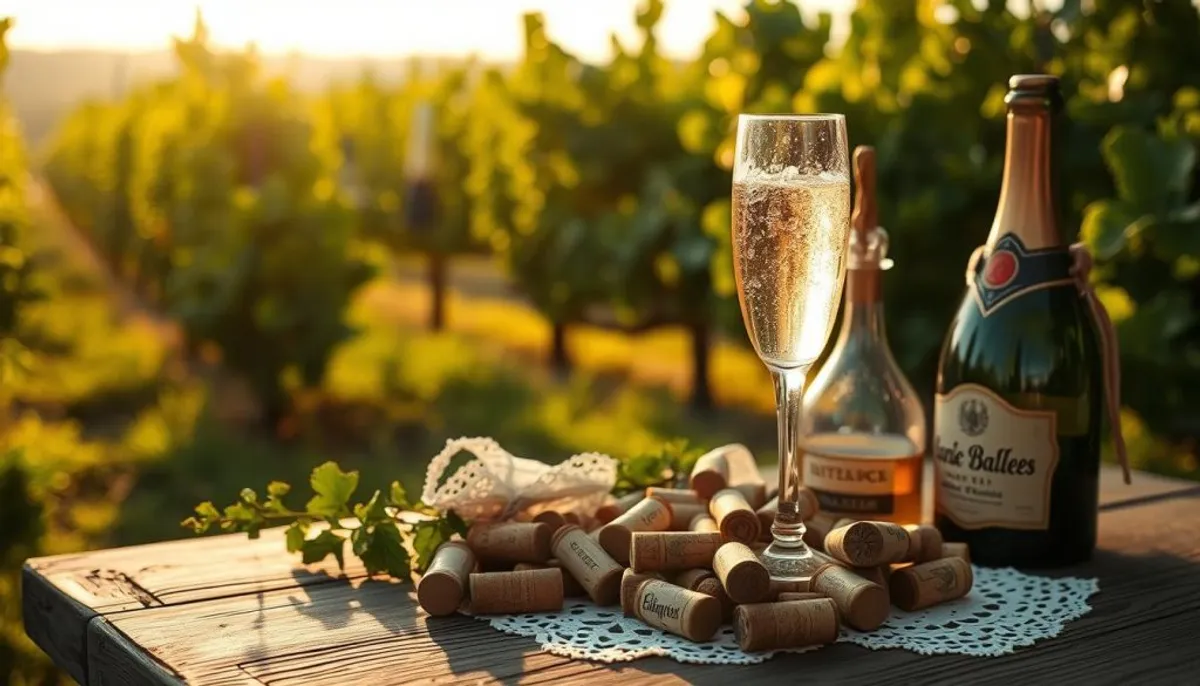
Smell and taste: A sour, vinegar-like aroma or a mushroom-like smell means the champagne gone. If the taste is sour or flat, discard the bottle rather than serving guests.
- An open bottle that has lost sparkle and shows an off-aroma should not be consumed.
- Light or extreme temperature swings during storage can speed oxidation and ruin flavor.
- Trust your senses: appearance, smell, and unpleasant taste are the best indicators that champagne gone and the quality is unacceptable.
Creative Ways to Use Flat Champagne
Instead of pouring out a tired bottle, turn that wine into sauces, syrups, or frozen desserts.
Flat bottles still carry acidity and aromas that boost many recipes.
Use a splash to deglaze a pan after searing seafood or chicken. The wine cuts fat and adds a bright note to creamy pastas or risottos.
Culinary Applications
Reduce the liquid with a little sugar to make an elegant syrup for fruit, pancakes, or cocktails. Freeze blended fruit and the wine into a granita or sorbet for a refined dessert.
- When your champagne gone flat, deglaze pans or build a sauce base that highlights seafood and poultry.
- The acidity complements cream sauces and brings balance to richer dishes.
- Reduce with sugar to create syrups for drizzling or glazing.
- Freeze with fruit purée for sorbet — a simple, upscale dessert from one bottle.
| Use | Prep Time | Best Pairings |
|---|---|---|
| Pan deglaze & sauce | 10–15 minutes | Shrimp, scallops, chicken |
| Reduced syrup | 15–20 minutes | Fresh berries, pancakes, cheese |
| Sorbet or granita | 4–6 hours (freeze) | Citrus, peach, raspberry purées |
Keep a small bottle in the fridge for cooking. Over the years, this habit helps you avoid waste and keeps dinner inventive.
Request Your Personalized Quote for Fine Selections
Get a personalized estimate that covers selection, storage advice, and safe shipment, including a certificate of origin. Tell us the vintage or quantity you want and our team will prepare a tailored offer fast.
Looking for champagne? We export premium bottle champagne anywhere in the world. Whether you need one bottle for a gift or a large case, we ensure every shipment meets strict quality standards.
- Wide range of fine selections ready for export worldwide.
- Guidance to find the perfect vintage bottle and options by years.
- Request a personalized quote at https://champagne-export.com to view inventory.
- Expert advice on storage and the best champagne stopper to keep your wine fresh in the fridge.
- Flexible orders—from single bottles to large shipments—with certified packing to protect quality.
| Service | What We Offer | Ideal For |
|---|---|---|
| Selection | Rare cuvées and standard labels | Collectors, events |
| Shipping | Insured export, climate-aware packing | International buyers |
| Storage Advice | Short and long-term tips | Home cellars, retailers |
Conclusion
How you care for a bottle determines whether each pour keeps its fizz and character. Understand champagne shelf life so every glass shows its best aroma and bubbles.
Store bottles in steady, cool, low-light conditions to help long champagne last and support both vintage champagne and non-vintage selections.
Use a quality stopper to seal bottle openings for a few days and keep fizz and freshness. If a bottle has gone flat, turn it into a sauce or dessert rather than wasting it.
Follow these simple storage and handling tips to protect flavor, aging potential, and overall quality. Enjoy every toast with confidence.