Buying premium wines for the United States means more than choosing labels. It requires a clear grasp of legal and logistical steps that protect each bottle’s integrity from cellar to delivery.
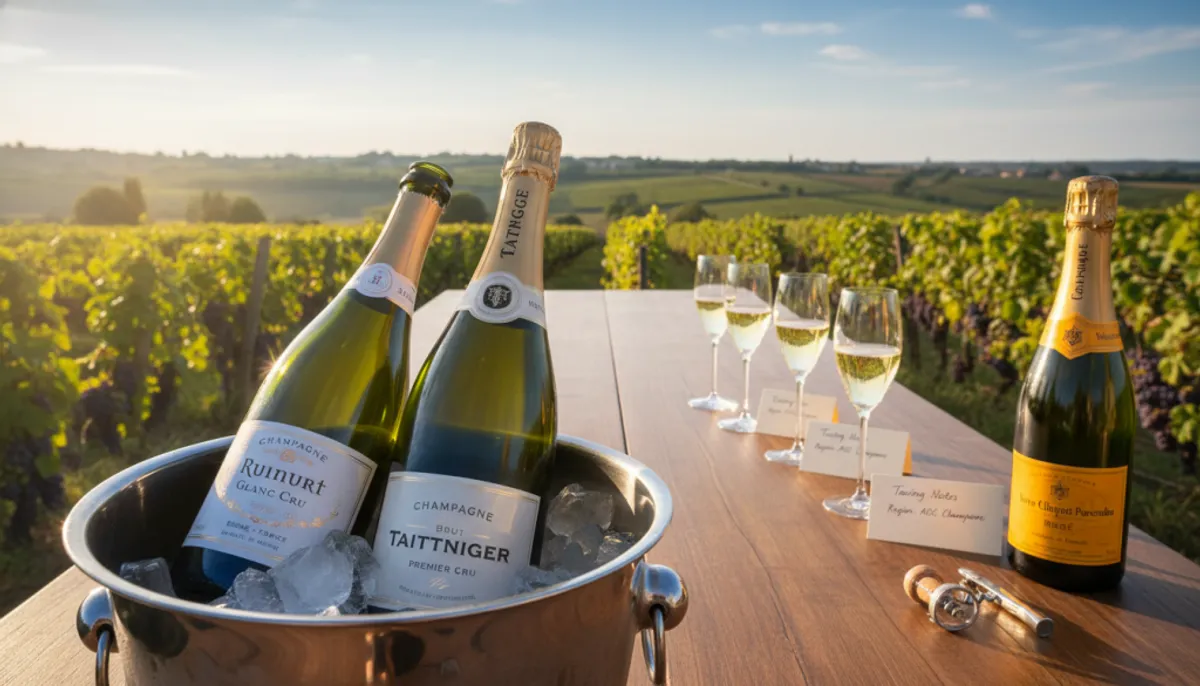
US buyers face specific rules to ensure safety, correct labeling, and tax compliance. Professional importers use proven processes to keep wine in ideal condition during transit.
Understanding these rules is the first step for any collector or business that wants authentic products. With the right guidance, you can avoid delays and preserve the quality of every shipment.
Key Takeaways
- US imports demand strict compliance to protect consumers and brands.
- Knowing the main legal steps helps avoid costly hold-ups.
- Trusted importers focus on maintaining wine condition through transit.
- Labeling, taxes, and documentation are essential for smooth entry.
- Start with clear rules to secure authentic bottles for your collection.
Understanding the Appellation d’Origine Contrôlée
The Appellation d’Origine Contrôlée is a legal designation that ties a product to a clearly defined French area. It protects the identity and quality of the local wine and keeps the name linked to real place and practice.
Defining the Region
The appellation covers specific plots within historic vineyards. Only grapes grown inside this mapped area may appear on the label.
Local winemakers monitor each harvest to ensure the grape varieties meet strict criteria. This keeps every bottle true to its origin.
Traditional Production Methods
Production follows time-honored rules. Methods preserve the natural effervescence and the character drawn from the terroir.
- The designation limits which grape varieties, like Pinot Noir, are used.
- Careful handling during fermentation and aging helps protect flavor and quality.
- Only products from the area may call themselves champagne, safeguarding global trust in these wines.
Navigating Champagne Export Regulations for US Buyers
Shipping sparkling wine into the United States requires precise checks on name use, labels, and origin.
Since the 2006 wine-trade agreement, some domestic producers kept pre-approved label terms. That pact reshaped how protected terms are handled between the EU and the US.
Every bottle must meet strict criteria before entry. Winemakers and producers must prove that production methods and the designation match the rules for legal import.
- Confirm that the label uses the correct name and appellation.
- Verify that grape varieties and vintage details align with the designation.
- Keep documentation showing origin, alcohol level, and producer approvals.
| Check | Responsible | Outcome |
|---|---|---|
| Label name and appellation | Producers / Importer | Legal entry; correct use of the designation |
| Production method verification | Winemakers | Meets standards for bottle entry |
| Trade agreement compliance | Importer / Customs | Fewer delays and clear year-by-year rules |
| Documentation for grape varieties (e.g., Pinot Noir) | Producers | Proof of origin and grape use |
The Historical Evolution of Champagne Protection
The history of protecting the product’s identity begins in 1919. The Treaty of Versailles set the first international direction on how the name could be used across borders.
Through the 20th century, laws and agreements evolved to stop misuse. Authorities tightened rules around who may claim the designation and where the product must come from.
The Treaty of Versailles Impact
The treaty marked a clear turning point for the area and its producers. It gave early international weight to labeling and origin rules that winemakers would defend for years.
Winemakers spent many years refining production and protecting the unique grape harvest. Their work ensured that only authentic wines from the region could carry the protected name.
- 1919: first formal step toward international labeling standards.
- 20th century: stronger enforcement to prevent misuse.
- Ongoing: decades of advocacy by producers to safeguard history and quality.
How the United States Handles Protected Wine Terms
The United States enforces clear label standards so buyers can spot authentic bottles at a glance.
After the 2006 trade agreement with the European Union, new labels using a protected term must also show the wine’s true place of origin on the bottle.
This change left a few domestic brands grandfathered in, but it shifted how the market treats that term year by year.
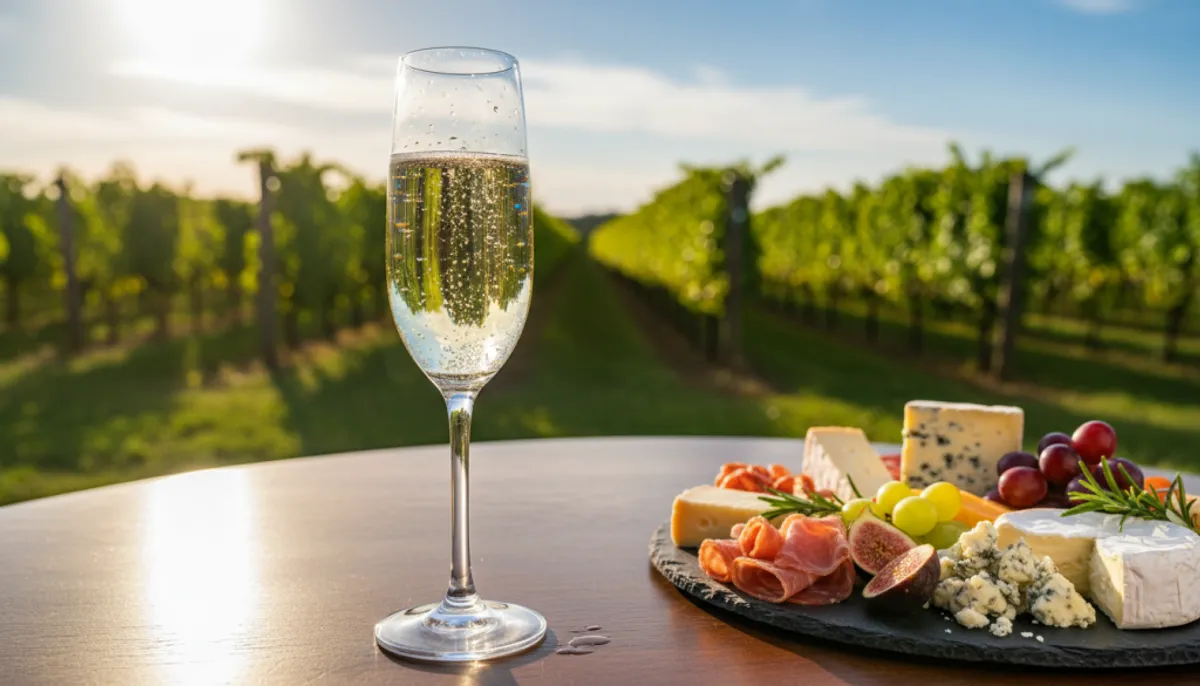
Consumers in the United States can identify authentic products by checking the label for the official designation and the stated region of production.
We help clients navigate these rules so every imported bottle of sparkling wine meets federal standards and shows the correct place of origin.
- The US keeps specific rules on protected terms and labels after 2006.
- Some brands were grandfathered, but new bottles must state their true area.
- Clear labeling helps buyers confirm the product, its alcohol level, and its designation.
Enforcement Actions by the Comité Interprofessionnel du Vin de Champagne
The Comité Champagne actively takes legal steps to protect the name and the integrity of the region’s wines. Its role goes beyond advice; it acts as a strong trade association defending producers and the designation.
Protecting the Name
The Comité Interprofessionnel works to stop unauthorized use of the name on unrelated products. This helps keep the value and quality of each bottle intact for buyers and collectors.
Legal Precedents
The group has pursued cases against a flooring maker and a bottled water brand for misuse. One notable case involved a Spanish soda called “Champín,” where a judge found no likely consumer confusion.
Misuse of the Term
The Comité even challenged a tech firm that wanted to market a phone color using the protected term. Such actions make clear that the designation cannot be applied loosely.
- Trade association power: The Comité Champagne defends the name worldwide.
- Producers protected: Enforcement preserves authenticity for every bottle.
- Legal clarity: Court rulings shape how the term may be used across product types.
| Action | Target | Outcome |
|---|---|---|
| Cease-and-desist letters | Consumer brands | Stops improper use of the name |
| Litigation | Companies using term commercially | Clarifies legal boundaries and precedent |
| Public advocacy | Retailers and media | Reinforces correct label and product use |
| Partnership with producers | Authorized houses | Ensures each bottle meets designation standards |
Identifying Authentic Sparkling Wines from the Region
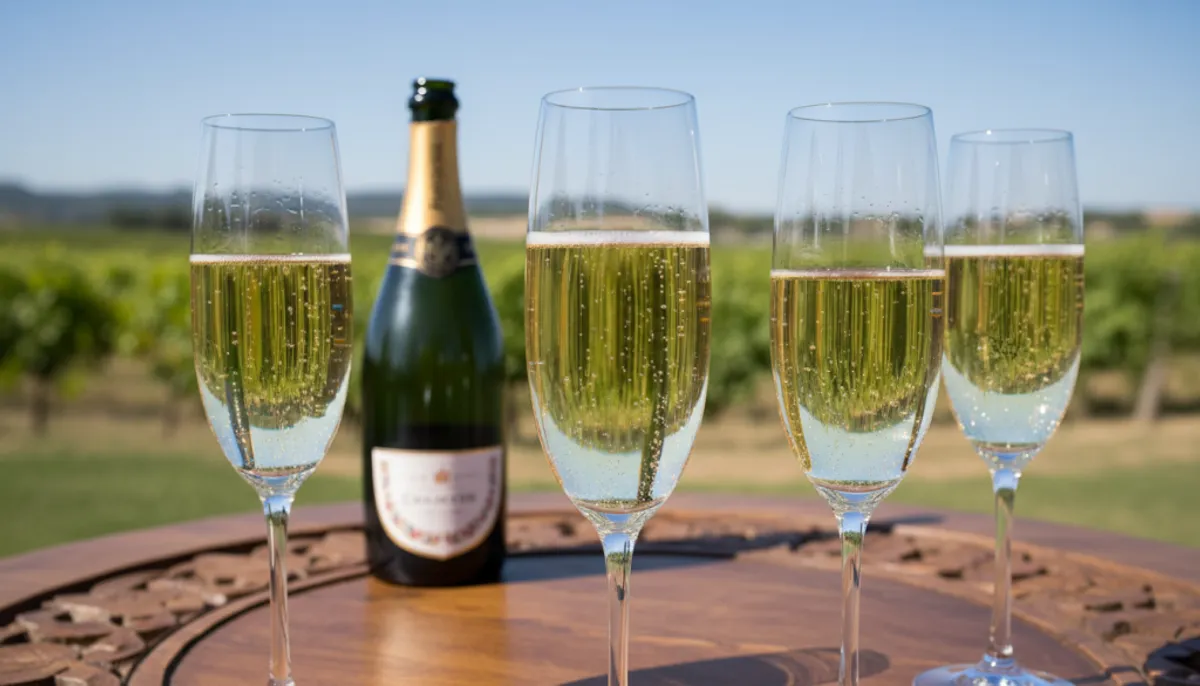
Look for the official Appellation d’Origine Contrôlée on the label to confirm a bottle’s origin. This designation proves the product comes from the defined vineyards in the area.
Check grape details. Authentic bottles list grape varieties such as Pinot Noir and show production notes. These clues signal traditional methods and true craft by local winemakers. Additionally, when searching for elegant gift ideas for couples, consider selecting premium wines that reflect these qualities.
Effervescence matters. The unique fizz in these wines results from strict standards during fermentation and aging. Proper lighting for champagne images is essential to showcase this quality. It is a real sign of quality.
- Verify the appellation and designation on the neck or back label.
- Confirm grape variety listings and vintage year to ensure authenticity.
- Buy from sources that verify each bottle and preserve proper storage.
| Feature | What to look for | Why it matters |
|---|---|---|
| Label designation | Appellation d’Origine Contrôlée | Confirms origin and legal status |
| Grape information | Pinot Noir or listed grape varieties | Shows traditional blend and quality |
| Production notes | Traditional methods noted on bottle | Ensures expected effervescence and taste |
Sourcing and Importing Fine Selections
Finding top-tier bottles, including the best budget champagne in kenya, depends on supplier transparency and careful handling across each step of trade.Our platform links US buyers to producers who have refined production over years in the vineyards.
We verify origin, alcohol levels, and the designation so every bottle meets quality checks.
We offer personalized quotes and a managed process that eases paperwork and legal compliance, including personalized gift options.
This helps ensure sparkling wines and wine bottles arrive in perfect condition for any special day.
Below is a quick comparison to show how our service protects your purchase and reduces delays.
| Service | What we verify | Benefit |
|---|---|---|
| Producer vetting | Origin, grape, production method | Authentic product; consistent quality |
| Shipment handling | Temperature control, secure packing | Preserves effervescence and flavor |
| Compliance support | Trade paperwork, duty calculations | Faster clearance; fewer hold-ups |
- Looking for champagne? We connect you with trusted producers in the area.
- Discover champagne wines and other fine wines ready to ship worldwide.
- Request your personalized quote today at https://champagne-export.com to start sourcing quality bottles.
Conclusion
Successful imports rely on both legal know-how and careful logistics to preserve quality and origin. By working with authorized partners you protect each bottle and secure authentic wine for your collection. This approach builds trust and reduces delays.
We offer strong, personalized support to guide your paperwork, handling, and sourcing. Our team helps you pick verified producers and manages steps to meet international standards. The result: premium wines arrive in ideal condition and ready to enjoy.
Ready to start? Visit our site to explore selections and request a quote for your next order. Our US-based experts stand by to make the import process smooth and efficient.