Looking for Champagne? We’ve got you covered. This short guide gives clear information for businesses that want to bring premium wine and other alcohol products into the United States.
We explain key rates, taxes, and federal rules set by the Alcohol Tobacco Tax and Trade Bureau (TTB) and customs. You will learn which forms, permits, and age checks matter and when to file them.

Our team helps importers manage excise fees and other duties so products clear customs quickly. We also cover state-level requirements, practical examples, and a simple list to follow.
Visit our website to request a personalized quote and see how we simplify the process for any business that trades beverages and wines internationally, including personalized champagne orders.
Key Takeaways
- Understand federal rules from the TTB and customs to avoid delays.
- Prepare required forms and permits early to meet state and federal rules.
- Know excise rates, taxes, and applicable fees for smooth clearance.
- Age verification and accurate product lists speed up importation.
- Request a personalized quote at the website to get tailored support.
Understanding the Regulatory Landscape for Champagne Imports
The Alcohol Tobacco Tax and Trade Bureau (TTB) sets rules for every alcohol beverage that enters the United States.
The TTB and the tax trade bureau framework cover labeling, safety, and tax rates that affect wine and other beverages, including important champagne labeling rules. Importers must check both federal and state regulations before shipment.
Gathering accurate information about tax calculations and importation requirements prevents delays and unexpected fees. Each country has unique production and labeling standards, and the TTB verifies these match U.S. rules.
- Follow federal TTB rules for certificates and disclosure.
- Confirm state permits and age-verification requirements.
- Track tax rates and fees so product clearance is smooth.
Our guidance simplifies complex tobacco tax trade and alcohol tobacco tax issues so your business can focus on selling great beverages.
Navigating the Federal Basic Permit Process
Securing a Federal Basic Importer’s Permit is the formal step every importer takes before bringing beverages into the United States. This process helps clear customs and keeps your business aligned with federal regulations.
Applying for Permits
To obtain a Federal Basic Importer’s Permit you must file form TTB F 5100.24 with the National Revenue Center. The TTB posts tutorials on its website and the NRC can be reached at 877-882-3277 for additional information.
Maintaining a Business Office
You must also maintain a staffed U.S. business office or contract with a licensed importer to meet federal requirements. This office supports communication with the TTB and helps satisfy state-level rules.
- Expect about six weeks processing time; prepare accurate tax and tobacco tax trade bureau paperwork.
- Double-check each form and supporting document to avoid delays with the tax trade bureau system.
- Keep clear records so customs and the TTB can verify compliance quickly.
Calculating Duty on Champagne Import and Excise Taxes
Start by matching product categories to the Harmonized Tariff Schedule to find correct duty rates and excise taxes for wine and other beverages.
Importers are responsible for paying all applicable duties and federal excise taxes to U.S. Customs and Border Protection as defined by the Internal Revenue Code.
- The typical federal excise rate for many alcohol beverages ranges about $1 to $2 per liter, but rates vary by product and proof.
- Consult the Harmonized Tariff Schedule to confirm the correct list of duty rates and classification for each product.
- Ensure TTB and tax trade bureau entries match customs border paperwork to avoid holds at the U.S. customs border.
Our team prepares the required form and supporting documentation for customs border protection filings and helps calculate fees accurately. Accurate tax and fee calculation is a fundamental requirement for any importer operating within the United States.
Essential Labeling and Certification Requirements
Clear, accurate labeling and the right certificates unlock smooth entry for every wine and beverage shipment. Meeting TTB and customs rules starts before you ship. This section lists the certificates and records an importer must keep, including champagne chere selections that can enhance your offerings.
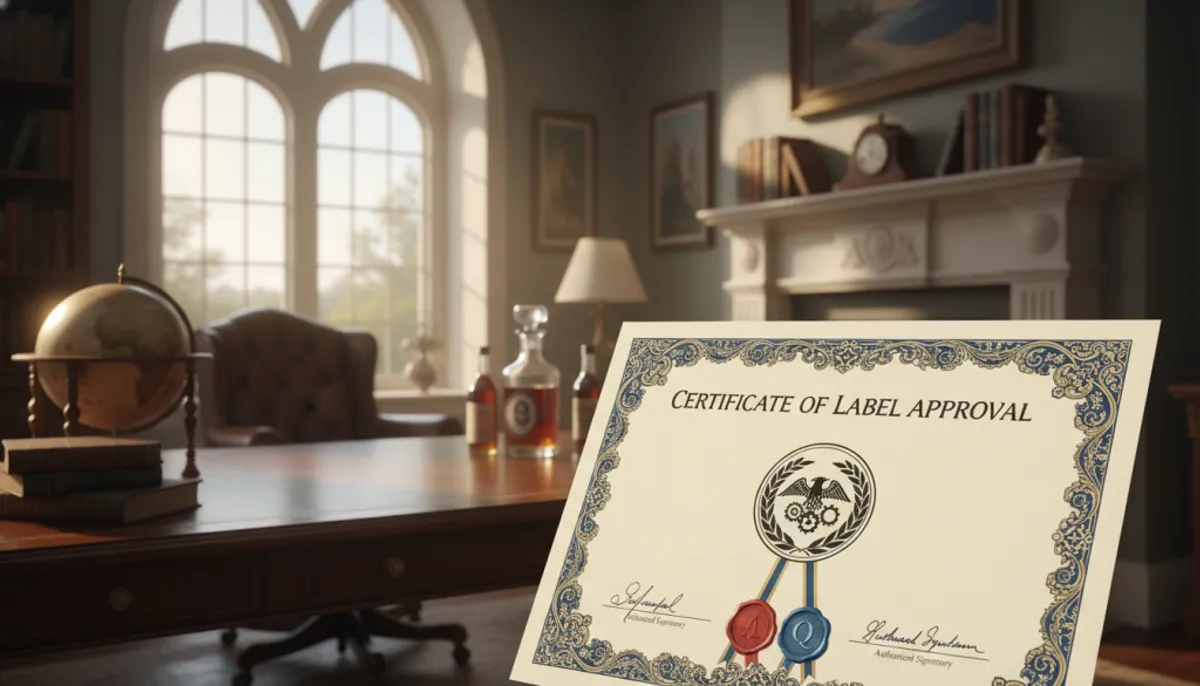
Certificate of Label Approval
Every unique wine or alcohol product needs a COLA approved by the TTB before sale in the United States. Submit label art, formulation details, and the required form to avoid holds. Questions? Contact the Alcohol Labeling and Formulation Division at 202-453-2250 for more information.
Natural Wine Certificate
Natural wine certification verifies cellar treatment and production methods. Importers must confirm that the product meets the stated treatment and regulations. This certificate protects product integrity and reduces inspection delays.
Certificate of Age and Origin
Certain spirits and wines also require a Certificate of Age and Origin to verify country and age. Keep a clear list of certificates and retain records. Accurate records help with tax calculations, audits, and ongoing compliance with the tax trade bureau and alcohol tobacco tax rules.
- Keep one file per product with COLA, age, origin, and natural wine papers.
- Review requirements early to save time during customs clearance.
Managing FDA Prior Notice and Customs Documentation
Before arrival, the FDA requires prior notice for any alcohol shipment bound for the United States. File this notice early to avoid holds and to give clear information to port authorities.
For example, the FDA Prior Notice number must appear on the waybill. The waybill must also state that a person aged 21 or older is required for delivery.
Importers must also align the FDA filing with all customs border protection paperwork. Make sure the entry form, invoice, and manifest match the prior notice details exactly.
- Check labels and paperwork: mismatches trigger inspections and extra tax reviews.
- Confirm age and delivery notes on shipping documents to satisfy border protection agents.
- Coordinate with U.S. Customs early so wine and other beverages clear without delay.
We help prepare the required form and coordinate with the TTB, tobacco tax trade contacts, and the tax trade bureau to keep your supply chain moving. Proper document management saves time and prevents costly holds at the customs border.
Logistics and Transloading Considerations
Moving beverages between trucks, rails, and ports needs clear rules to protect product and paperwork. Proper planning lowers the risk of damage and regulatory holds.
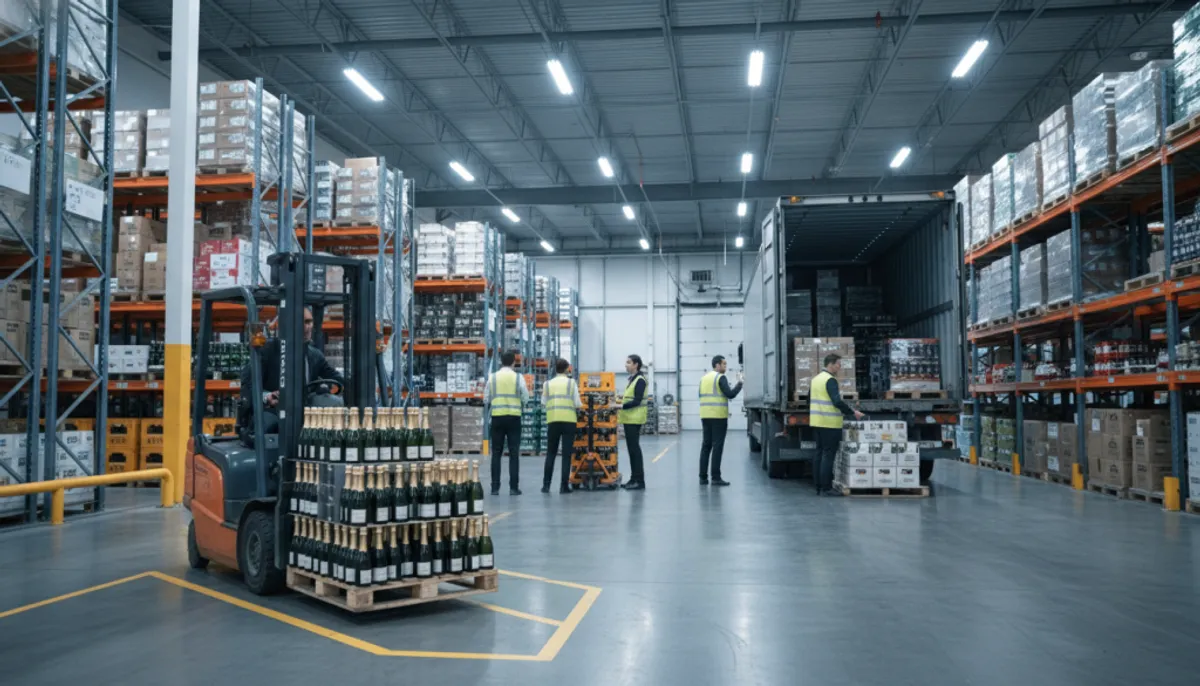
State and local compliance matters. Each state sets unique requirements for alcohol handling and warehousing. You must also confirm that logistics partners meet those local regulations.
Practical checks for importers
- Verify permits and the required form before transfer to a warehouse.
- Map shipping steps to account for applicable duties and internal revenue excise taxes during movement.
- Document treatment and handling to protect product quality and meet TTB and customs reviews.
- Confirm age controls and state delivery rules when shipments move inside the united states.
- Use trusted partners that provide clear information on local requirements and tax trade bureau coordination.
For example, moving wine from a port to bonded storage triggers checks for duty rates, excise taxes, and receipts. Our team maps logistics and paperwork so beverages reach their destination without surprises.
Personalized Export Solutions for Your Business
We design tailored export plans to help your business navigate TTB rules and customs requirements for wine and other beverages bound for the united states, including champagne gruet exports.
Whether you are a new importer or a seasoned business, our team handles taxes, duties, and paperwork so you can focus on growth.
We prepare COLAs, FDA prior notices, and coordinated customs filings. We also map state-level requirements and help you meet age-verification rules.
| Service | What it Covers | Benefit |
|---|---|---|
| TTB Compliance | COLA review, permit guidance | Faster shelf approval |
| Customs & Taxes | Tariff classification, tax calculation | Accurate fees and fewer holds |
| Logistics Support | Transloading, bonded storage | Less damage and clear records |
| Personal Quote | Tailored plan for your product and country | Clear costs and a simple action plan |
Request a personalized quote today at https://champagne-export.com to see how our export solutions help importers meet tobacco tax trade and tax trade bureau requirements across states.
Conclusion
In summary, careful planning and accurate filings protect shipments from costly delays.
Follow TTB rules, secure required forms, and keep clear records to meet federal tax and customs checks. These steps help any importer bring alcohol and wine into the united states with confidence.
If you need help, our team can guide your paperwork and logistics. For direct federal guidance, contact the TTB International Affairs Division at 202-453-2260.
Plan early, document fully, and get expert support to avoid holds and keep your business moving.