We invite you to explore Taittinger Champagne Brut, a symbol of elegance in French sparkling wines. This overview aims to delve into the essence of its house style and vinification methods. It will also provide insights into pricing, optimal food pairings, and purchasing suggestions for our U.S. audience. A thoughtful comparison with Krug will offer additional perspective.
Taittinger Champagne Brut epitomizes a non-vintage brut, exuding finesse and delight. This cuvée amalgamates 40% Chardonnay, 35% Pinot Noir, and 25% Pinot Meunier from over 35 crus. Matured for three to four years in tranquil cellars, it showcases a palette of mature fruit, nuanced yeastiness, and a brioche aroma. This is enhanced by delicate effervescence and an enduring, crisp finale.
This champagne distinguishes itself by its accessible sophistication rather than its intensity. In contrast, Krug Grande Cuvée exhibits a more opulent profile, utilizing over 120 base wines from over a decade and benefiting from prolonged maturation. This juxtaposition underscores Taittinger Champagne Brut’s appeal as a symbol of everyday indulgence and celebratory splendor.
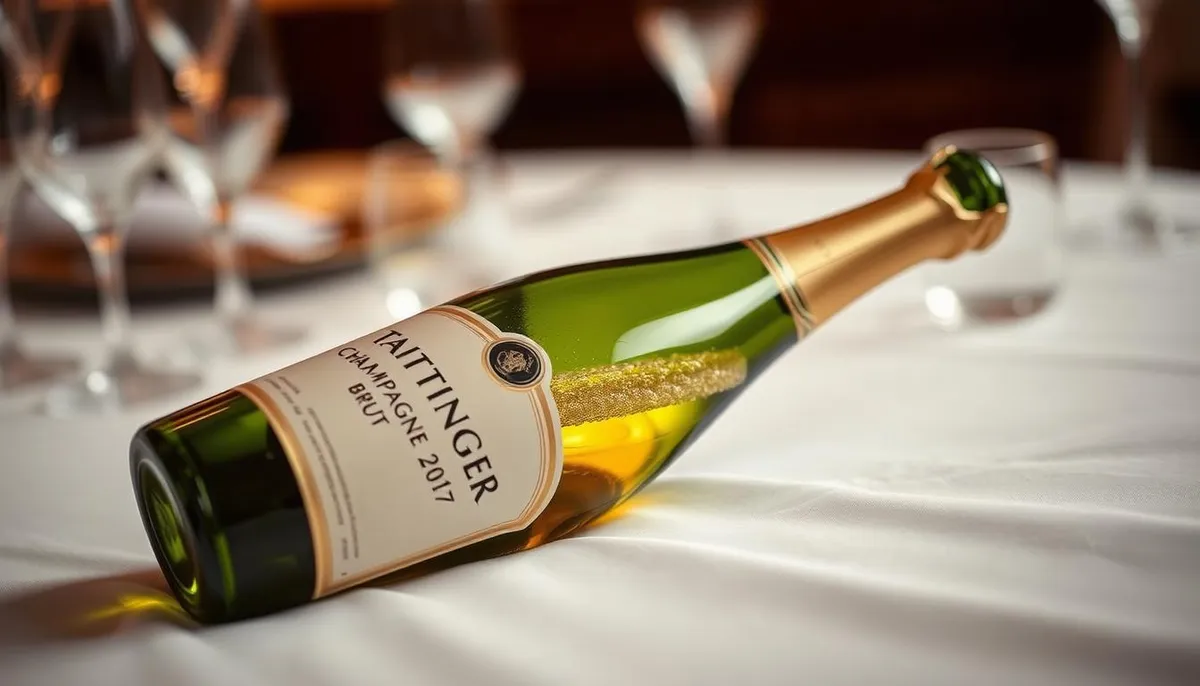
Key Takeaways
- Champagne Taittinger Brut Réserve is a non-vintage brut crafted for balance and finesse.
- Blend: 40% Chardonnay, 35% Pinot Noir, 25% Pinot Meunier from 35+ vineyards.
- Ages three to four years, shaping fine bubbles, smooth texture, and a crisp, long finish.
- Indicative price reference: $84.75 at SAQ, with U.S. availability depending on retailer.
- Style favors approachable elegance over opulence, contrasting with Krug Grande Cuvée.
- Ideal for seafood canapés, artisan cheeses, and refined dessert bites.
Overview of Champagne Taittinger Brut Reserve and House Style
Taittinger’s elegance is unmistakable when poured. Its brut philosophy emphasizes subtlety, focus, and structure, leaning on a Chardonnay-centric blend for delicacy. It embodies the ideal champagne for diverse scenarios, maintaining its freshness, sharpness, and dry nature.
The essence of Taittinger Brut Reserve lies in its refined yet inviting house style—a champagne that compliments serene evenings and significant celebrations alike.
What sets Taittinger apart among Champagne houses
Chardonnay’s prominence in Taittinger’s signature blend introduces elegance, aroma, and smooth bubbles. Its wide vineyard selection contributes to a rich tapestry of tastes, blending fruitiness with mineral and spiced complexities. This results in a distinguished champagne known for its sophisticated texture and impeccably clean finish.
In the competitive champagne marketplace, the champagne market is a dynamic landscape where Taittinger Brut is celebrated for its vibrancy rather than its heft. This strategic orientation secures its position as the go-to choice for enthusiasts seeking finesse and integrity in their champagne experience.
Approachable elegance vs. opulence in the sparkling spectrum
The hallmark of Taittinger is its understated sophistication over brute force. It opts for a palette of citrus, floral, and yeasty notes, crafting a champagne that easily entices another pour. In contrast, richer styles tend towards density and expansiveness, whereas Taittinger favors refreshment and motion.
This philosophy underpins the Taittinger style: a champagne characterized by its buoyancy, vividness, and precision. Whether for an aperitif or dining, it is quintessentially elegant.
How consistent blending defines the house signature
A careful selection of base wines and reserves ensures consistency across vintages. Aging three to four years in the cellar enhances its refinement without compromising vitality. Thus emerges a signature style, instantly recognizable to those who favor Taittinger Brut. The veuve clicquot history also highlights the importance of meticulous selection and aging in creating exceptional champagnes.
The blend of different terrains, vintages, and grape types ensures Taittinger Brut Reserve’s signature finesse and accessibility. It exemplifies an elegant, inviting champagne that steadfastly adheres to the house’s traditional style with every new bottle.
Grape Composition and Winemaking Craft
Taittinger’s signature champagne blend focuses on finesse. Assembled bases highlight a Chardonnay-driven profile, complemented by Pinot Noir’s structure and Pinot Meunier’s supple lift. This composition yields texture, clarity, and a pristine finish.
Blend details: 40% Chardonnay, 35% Pinot Noir, 25% Pinot Meunier
The cuvée features 40% Chardonnay for its brightness and 35% Pinot Noir, which provides a red-fruit tone and structure. Rounded out with 25% Pinot Meunier for its orchard-fruit allure, the blend achieves a harmony. It results in a champagne characterized by its citrus notes, delicate mousse, and elegant depth.
Harvest from 35+ vineyards for balance and nuance
Grapes sourced from over 35 vineyards enrich the Taittinger non-vintage brut. These diverse locations offer a broad spectrum of aromas and textures. Such variety brings complexity, ensuring the champagne’s consistent crispness, layering, and precision annually.
Aging three to four years for finesse in a non-vintage brut
The blend matures on lees in cool cellars for three to four years, unusually lengthy for a non-vintage. This process interweaves Chardonnay’s purity with Pinot Noir’s rich hues and Pinot Meunier’s gentle spice. Consequently, the champagne exhibits a flawless continuity, subtle brioche nuances, and refined longevity.
Tasting Notes: Elegance in the Glass
The Taittinger Brut Réserve begins with distinct clarity and grace. The notes suggest a Chardonnay-driven profile that’s both elevated and meticulous. At the initial pour, a fine mousse cascades in continuous streams, establishing an elegant rhythm.
First impression in the glass is clean and vivid, inviting a slow, attentive sip.
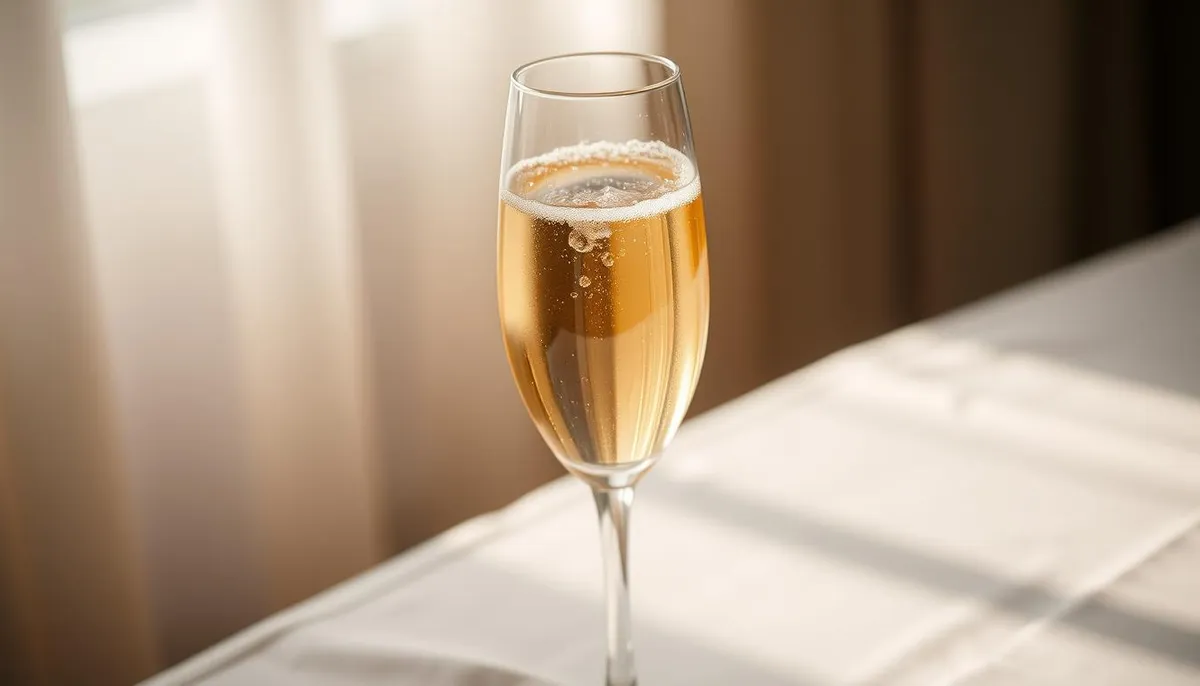
Aromas: ripe fruit, bready nuances, and brioche lift
Rich aromas of ripe pear and lemon zest blend with the softness of white peach. These are complemented by light bready notes that expand into the warmth of brioche, courtesy of extended lees aging. Subtly, a nuance of crushed almond encapsulates the fruit, lending complexity without weight.
Palate: fine bubbles, smooth texture, long, crisp finish
Characterized by a fine, lasting mousse, the palate offers a persistent and creamy sensation. The mid-palate traverses with a sleek texture, resonating with hints of citrus and orchard fruits over a gentle mineral streak. A lengthy, crisp conclusion ensures the wine’s freshness and compatibility with culinary offerings, making it an ideal choice for those seeking a luxury champagne service.
Style: light, elegant, and balanced sophistication
This style epitomizes lightness and refinement, anchored by balance. The buoyancy of Chardonnay marries the structure offered by Pinot. These tasting notes reveal a profile that is both deliberate and seemingly effortless, making it a perfect complement to any dining experience, especially when paired with elegant bubbly drinks.
| Aspect | Descriptor | Sensory Impact | Why It Matters |
|---|---|---|---|
| Aroma | Ripe pear, lemon zest, brioche aromas | Invites deeper sniffing; layered warmth | Signals lees complexity without heaviness |
| Mousse | Fine mousse, steady bead | Silky, persistent texture | Enhances precision and drinking ease |
| Palate | Fresh citrus, white peach, mineral thread | Clean, polished progression | Supports pairing versatility |
| Finish | Long, crisp, refreshing | Bright aftertaste with lift | Keeps taittinger sparkling wine lively at the table |
| Overall Style | Light, elegant, balanced sophistication | Graceful from nose to close | Aligns with elegant champagne tasting notes for Brut Réserve |
taittinger champagne brut
Taittinger Champagne Brut Réserve exudes an elegance that seems almost without effort. Sourced from over 35 vineyards and matured for three to four years, it presents flavors of ripe pear and zesty citrus, concluded with a whisper of brioche. The effervescence is refined, moving smoothly across the palate and culminating in a lingered, crisp finish, beckoning for another glass.
Those in pursuit of the finest Taittinger champagne will discover a non-vintage brut of sophistication. It is a seamless fusion of Chardonnay’s vibrancy and Pinot’s depth, achieving harmony without density. Such equilibrium renders it a perfect selection for both leisurely celebrations and elegant dining experiences.
This champagne, ideal for celebrations, embodies top-tier quality at a reasonable price point, typically around $84.75 in the market. The house’s preference for purity rather than richness ensures the fruit notes remain vivid and the texture supple. It transforms ordinary events into memorable occasions.
Upon the arrival of guests, Taittinger champagne brut gracefully establishes an ambiance without overwhelming. Its sophisticated yet non-vintage brut character complements a range of dishes from canapés and salty oysters to roasted chicken, fitting seamlessly into a casual Friday night. Its adaptability stands out as the paramount advantage of Taittinger champagne—consistently elegant, never overdone, and prepared for any moment worth commemorating. For those looking to elevate their experience, participating in a global champagne tasting can provide a unique perspective on this celebrated beverage.
Food Pairings to Elevate Every Occasion
The Taittinger Brut Réserve presents itself as a distinguished companion at the dining table, imparting a crisp elevation paired beautifully with nuanced brioche hints. This champagne complements various textures seamlessly. Thoughtful selections enhance the beverage’s citrus, apple, and pastry notes, ensuring the effervescence remains undiminished. These suggestions facilitate a seamless transition from savory starters to a delightful sweet closure.
Seafood and canapés are elevated by the Champagne’s clean acidity and delicate effervescence. Smoked sockeye salmon provides a silky and smoky contrast that complements the wine’s toasted nuances. Lobster pâté introduces a lush richness, which the Champagne effortlessly slices through, refreshing one’s palate for the next sip.
Cheese and savory bites are best paired with elements that marry fat and salt harmoniously. Castello cheese, with its creamy and buttery essence, perfectly counterbalances the Brut’s vibrant zest. Complementing with artisan crackers introduces a textural crispness, accentuating the wine’s brioche quality.
Sweet finishes ought to be subtle yet complex. The sparkling wine sweetness scale helps in understanding the different levels of sweetness in sparkling wines. Truffini chocolates replicate the subtle interplay of cocoa and vanilla, harmonizing without overwhelming. Salted caramels and almond butter crunch introduce a delightful sweet-salty dynamic. This contrast ensures the effervescence cleanses the palate, making one yearn for another taste.
| Course | Recommended Pairing | Why It Works with Taittinger Brut Réserve | Texture & Flavor Bridge |
|---|---|---|---|
| Seafood & Canapés | Sundance Smoked Sockeye Salmon (113 g) | Smoke and umami meet bright acidity, lifting rich oils without heaviness. | Silky fish + fine mousse; savory depth + citrus lift |
| Seafood & Canapés | Lobster Pâté (100 g) | Creamy pate is refreshed by pinpoint bubbles and subtle brioche notes. | Velvety spread + crisp cut; shellfish sweetness + pastry hint |
| Cheese & Savory | Castello Cheese (125 g) | Buttery, mild richness aligns with Chardonnay-driven elegance. | Smooth fat + linear acidity; gentle salt + apple/pear tone |
| Cheese & Savory | Gone Crackers (142 g) | Neutral crunch frames the wine’s brioche and nutty edges. | Toasty snap + creamy bead; clean grain + yeast nuance |
| Sweet Finishes | Brockmann’s Truffini (120 g) | Truffini chocolates mirror pastry and cocoa without overpowering fruit. | Silky ganache + lively sparkle; cocoa roundness + brioche |
| Sweet Finishes | ChocolaTas Salted Caramel (64 g) | Sweet-salty balance meets the wine’s clean, brisk finish. | Velvet caramel + crisp acid; saline pop + citrus line |
| Sweet Finishes | Fraser Valley Gourmet Almond Butter Crunch (100 g) | Nutty toffee echoes toast and complements subtle fruit. | Crunchy praline + fine bubbles; roasted nuts + brioche thread |
These curated pairings for champagne ensure a harmonious journey from appetizers to desserts. The progression from smoked sockeye salmon and lobster pâté to Castello cheese and Truffini chocolates maintains the beverage’s lively effervescence and coherent flavor profile throughout.
Non-Vintage Excellence: Consistency Across Vintages
The Taittinger Brut Réserve exemplifies the pinnacle of non-vintage champagne, providing assured elegance consistently. By integrating over 35 vineyard plots and a diverse selection of base wines, it achieves a consistent house style. It remarkably maintains the equilibrium of bright citrus, lush orchard fruit, and rich bready notes through meticulous selection and persistent cellar aging.
The art of blending multiple base wines for harmony
The expertise of Taittinger in multi-vintage blending conveys the essence of harmony in taste and texture. Chardonnay imparts freshness, while Pinot Noir and Pinot Meunier contribute to the wine’s depth and propulsion. The cellar team’s strategy of blending multiple base wines weaves together vibrancy and savory nuances, exemplifying the consistent house style that distinguishes their non-vintage champagne.
The practice of extended cellar aging, spanning three to four years, meticulously enhances the wine’s texture and finish. Such aging cultivates a silky mousse and unveils layers of brioche and toast flavors, ensuring the wine’s elegance and persistent vibrancy.
Maintaining quality and complexity year after year
Blending various vintages enables the team to balance out the impact of varying climatic conditions, ensuring a steadfast flavor profile. Utilizing a reserve wine library injects subtlety and consistency into every bottle of non-vintage champagne produced. Additionally, the ability to export worldwide enhances the reach and appreciation of this exquisite beverage.
Through these methods, Taittinger guarantees a blend of sophistication and reliability. The combination of multi-vintage blending and deliberate cellar aging provides Taittinger with the ability to present a champagne of notable clarity, complexity, and a lively finish. This commitment showcases a true consistent house style across different vintages.
Comparing Styles: Taittinger Brut Réserve vs. Krug Grande Cuvée
The distinction between Taittinger and Krug embodies the contrast of agility against might. The former, as critiqued, demonstrates finesse and buoyancy. On the other hand, the Krug comparison elucidates its robust and profound character. Discerning between finesse and richness aids in aligning the choice of champagne to the occasion. Moreover, the process of lees aging is pivotal in defining both their textures and flavors. Additionally, incorporating champagne decor can enhance the overall experience of enjoying these exquisite wines.
Approachable elegance vs. rich, full-bodied depth
Taittinger Brut Réserve is characterized by its lightness and precision, primarily led by Chardonnay. It manifests with subtlety yet confidence. The effervescence is delicate, the structure pristine, and the fruit flavors remain vibrant. Conversely, Krug Grande Cuvée offers a complex and profound experience, its richness unfolding progressively with each sip.
These distinct styles, Taittinger’s elegance versus Krug’s opulence, are vivid upon tasting. Taittinger seems to dance, while Krug asserts its presence. Selecting appropriate serving conditions and glassware further accentuates their inherent qualities, making each sip a testament to their legacy.
Aging differences: 3–4 years vs. 6+ years on lees
Taittinger’s aging process, spanning three to four years, fosters its elegance and introduces a subtle brioche note. This duration ensures the preservation of its luminosity and streamlined character. In contrast, Krug undergoes a minimum of six years of aging. This prolonged period enhances its complexity and infuses savory notes, courtesy of extensive lees contact.
Such disparity in aging culminates in a palpable difference in texture. Taittinger’s approach yields a silky finesse, whereas Krug offers a dense, enveloping experience. Both techniques meticulously sculpt the champagnes’ journeys across the palate.
Flavor spectrum: citrus and brioche to toasted nuts and honey
Taittinger’s flavor narrative includes refreshing citrus, succulent orchard fruit, and a lively brioche underscore, culminating in a pristine and enduring finish. Krug, in contrast, weaves intricate flavors of toasted nuts, sweetened citrus, honey, and aromatic pastries, creating a prolonged, resonant finale.
In analyzing Taittinger and Krug, it’s essential to contrast the vibrancy and lucidity against the richness and warmth. The discourse between these two champagne styles is profound, each shaped profoundly by their blending strategies and the meticulous process of lees aging.
Pricing and Value: What to Expect
Consumers seek transparency regarding the taittinger champagne price for both ordinary celebrations and exceptional occasions. A distinct standard establishes the value of champagne. It takes into account variations by region and retailer strategies.
Indicative retail reference
The recent listings place the Taittinger Brut Réserve at an average price of $84.75. This price fluctuates based on market demand, shipping expenses, and regional taxes. Nevertheless, it serves as a reliable benchmark for comparing reputable sellers.
What shapes the sticker
The pricing of taittinger champagne is influenced by several factors. These include sourcing grapes from over 35 vineyards and a sophisticated multi-vintage blending process. Additionally, a maturation period of three to four years is essential before it reaches the market. A popular choice among enthusiasts is the mumm leger vineyard tour, which provides an insightful experience into the world of champagne production.
This extensive aging process enhances the champagne’s fine mousse and brioche-like depth. Such refinement adds intrinsic value to the champagne without necessitating a leap to the more expensive prestige-cuvée categories.
Smart picks for different budgets
Identifying the most value-for-money taittinger champagne requires a strategic approach. Review offerings from various retailers on the same day, noting shipping policies and holiday discounts on case purchases. Use the standard price of $84.75 as your guide. Then assess freshness, origin, and return policies meticulously. This will ensure you achieve a balance between quality and cost-efficiency.
Buying Guide: Where and How to Purchase
Initiate your purchase of champagne Taittinger Brut with assurance. Seek out transparent, esteemed outlets within your locality. Prices may fluctuate based on location and vendor. Notably, SAQ lists Taittinger Brut Réserve at $84.75, offering a price benchmark. For expanded access, engage with recognized importers. They facilitate global champagne distribution, ensuring legal compliance.

Trusted retailers and export-ready sourcing
Target well-established wine sellers, niche stores, and respected online marketplaces. These platforms should disclose the champagne’s origin and recent disgorgement details. When aiming for effortless international delivery, champagne-export.com emerges as a reliable channel. They provide customized quotations. Evaluate shipping times, insurance coverage, and tax processes prior to finalizing transactions.
In the U.S., juxtapose store stocks with local distributor offerings to discover fresh selections. Confirm the conservation conditions either when collecting or receiving your purchase. Retain receipts to monitor batch numbers for subsequent reference.
Storage and serving tips to protect your investment
Optimal storage conditions are pivotal for maintaining champagne’s integrity. Store bottles horizontally in cool, dimly lit environments, maintaining a constant 50–55°F. Circumvent exposure to sunlight, vibrations, and temperature fluctuations. These elements can impair the champagne’s delicate fruit and brioche nuances.
Prior to serving, chill the bottle to an ideal temperature range of 45–48°F. This slight cooling accentuates the effervescence and a vibrant finish. Employ clean, tulip-shaped glasses to capture the aroma and preserve the foam’s texture.
Looking for Champagne? We’ve got you covered—export worldwide via Champagne-Export.com
Whether acquiring a singular bottle or accumulating a collection, navigate through selected assortments. Utilize champagne-export.com for orchestrating necessary paperwork, packaging, and guaranteed shipping. Opting for champagne Taittinger Brut, either for immediate celebration or long-term storage, entails meticulous attention to conservation and precise temperature control. These practices guarantee optimal presentation of each pour, facilitating assured global distribution via champagne-export.com.
Editorial Taittinger Champagne Review
Our review of Taittinger champagne focuses on its distinct clarity and poise. This cuvée demonstrates maturity devoid of heaviness, characterized by a brioche lift and persistent vigor. It positions itself as an elegant non-vintage brut, exuding confidence when presented at the table, yet remains refreshingly suitable for the initial toast.
Expert perspective on balance, texture, and length
The mousse showcases a fine and enduring presence, facilitating a silken journey across the palate. A harmonious blend of ripe orchard fruit and vibrant citrus is adorned with bready nuances, enhancing depth. This leads to a pristine linearity, culminating in an enduring finish, hallmarking the sophisticated aging process of this remarkable non-vintage brut.
Such equilibrium renders each tasting composed and satisfying. The texture remains velvety till the mid-palate, eventually transitioning into a crisp finale. This review accentuates the exquisite manner in which precision and allure coalesce within Taittinger champagne.
When to choose Taittinger sparkling wine for celebrations
Select Taittinger sparkling wine for celebratory occasions that demand a refined yet understated presence. It excels as an aperitif, gracefully accompanying canapés, and sustains its elegance through courses of seafood and cheese. Additionally, adding herbs and spices to pickles can enhance the overall dining experience, making it even more memorable. Its festive yet subdued style is perfectly suited for a variety of palates.
Its consistent signature instills confidence in hosts. The prominence of fine bubbles paired with a freshness, and the subtle brioche hint, speaks to its craftsmanship. Such dependability ensures a confident selection for any celebration.
Occasion matching: from intimate dinners to milestone events
In a more intimate setting, this elegant non-vintage brut compliments simple delicacies like oysters, roast chicken, or a cheese platter. It enhances the culinary experience without overshadowing.
During significant celebrations—be it anniversaries, promotions, or ringing in the New Year—it serves as a distinguished champagne of broad appeal. It maintains its polished allure in flutes at receptions, and retains its vitality up to the closing toast.
| Attribute | What You’ll Experience | Why It Matters |
|---|---|---|
| Balance | Ripe fruit aligned with brioche and citrus snap | Versatile pairing and crowd-pleasing profile in a taittinger champagne review |
| Texture | Fine, persistent bubbles with a smooth mid-palate | Comfortable sipping from aperitif through entrée |
| Length | Clean, crisp, and steady finish | Keeps flavors focused across courses and toasts |
| Occasions | Intimate dinners and milestone gatherings | Reliable celebration champagne that adapts to the moment |
| Style | Elegant non-vintage brut with poised freshness | Defines Taittinger sparkling wine as refined yet approachable |
Conclusion
Taittinger Brut Réserve captivates with its exquisite composition, showcasing an elegant champagne spirit. It ingeniously combines 40% Chardonnay, 35% Pinot Noir, and 25% Pinot Meunier from over 35 vineyards. As a champagne grower-producer, this blend matures for three to four years, attaining a delicate mousse alongside subtle brioche nuances. These elements enhance the flavors of ripe apple and citrus, culminating in a refreshingly long finish.
The presentation of Taittinger Champagne Brut in the glass epitomizes precision married with allure. Its fine effervescence dances over the taste buds, maintaining a silky texture throughout. A well-executed acidity balances the blend, ensuring its suitability for varied culinary contexts. From elegant aperitifs to seafood feasts and celebratory canapés, it accommodates a diverse spectrum of flavors while offering a structured, lingering taste experience.
Priced at approximately $84.75, Taittinger Brut Reserve is positioned as a premium selection within the non-vintage champagne segment. It gracefully contrasts with fuller cuvées like Krug Grande Cuvée, opting for refinement rather than lavishness, yet it does not compromise on sophistication or intricacy. This champagne’s durability across different bottlings renders it an optimal choice for a host of occasions, from casual dinners to significant celebrations.
For those seeking dependability, sophistication, and a champagne with extensive compatibility, Taittinger Champagne Brut is the quintessential choice among yacht suppliers. Its blend, led by Chardonnay, is exquisitely refined through meticulous cellar craftsmanship. This results in a champagne experience that is both timeless and unforgettable, seamlessly complementing any event.
FAQ
What sets Taittinger apart among Champagne houses?
Taittinger’s focus is a Chardonnay-forward blend, offering a sophisticated yet accessible drinking experience. The Brut Réserve incorporates 40% Chardonnay, ensuring a profile marked by elegance and poise. Its grapes are carefully selected from over 35 vineyards. Additionally, the inclusion of various vintages in the blend guarantees a consistent quality and character.
How does approachable elegance differ from opulence in Champagne?
Approachable elegance, such as that of Taittinger Brut Réserve, is defined by its light, crisp texture and subtle sophistication. In contrast, the opulence of a Champagne like Krug Grande Cuvée is distinguished by its richness and intensity. While Taittinger captivates with its fresh fruit and gentle brioche notes, Krug delves into complex flavors of toasted nuts and honey.
How does consistent blending define the Taittinger house signature?
By meticulously blending wines from various vintages and numerous vineyards, Taittinger crafts a Champagne of unparalleled consistency. This blend, harmonizing fruit, freshness, and a brioche-like complexity, manifests as a Champagne with a silky texture and delicate effervescence. The purposeful selection and combination of base wines affirm the house’s commitment to excellence.
What is the exact blend of Taittinger Brut Réserve?
Taittinger Brut Réserve’s composition—40% Chardonnay, 35% Pinot Noir, and 25% Pinot Meunier—strikes an ideal balance of vibrancy and structure. The Chardonnay contributes finesse and brightness, while Pinot Noir and Meunier add depth and a plush fruitiness, respectively.
Why source grapes from more than 35 vineyards?
Sourcing from a broad spectrum of vineyards allows Taittinger to craft a Champagne of complex flavors and a nuanced bouquet. This diversity in grape source underpins the brand’s signature balance and elegance, ensuring the Brut Réserve’s consistent style and quality.
How long does Taittinger Brut Réserve age before release?
The Brut Réserve ages for three to four years in Taittinger’s cellars. This prolonged maturation enhances the Champagne’s sophistication, refines its bubbles, and imparts a rich, brioche complexity.
What aromas should I expect in the glass?
Expect to be greeted with aromas of ripe orchard fruit, nuanced bready notes, and a delicate brioche fragrance. This olfactory palette is both inviting and precise, reflecting the Champagne’s lees aging and clean profile.
How does the palate of Taittinger Brut Réserve taste?
The palate reveals fine, persistent effervescence, a smooth texture, and a finish that is both long and invigorating. This balance between refreshment and complexity makes the Brut Réserve an exemplary choice for both aperitifs and main dishes.
How would you describe the overall style?
The overall style is one of lightness, elegance, and equilibrium. The predominance of Chardonnay ensures finesse, while the Pinots contribute both depth and fruitiness, achieving a sophisticated harmony.
What does “taittinger champagne brut” refer to here?
Here, “Taittinger Champagne Brut” signifies the Brut Réserve, Taittinger’s flagship non-vintage offering. It exemplifies the maison’s artistry in creating a refined, Chardonnay-led Champagne, recognized for its versatility and class.
Which seafood and canapés pair best?
Delicacies like smoked sockeye salmon and lobster pâté are ideal partners for the wine, showcasing the unique aspects of eunice wine culture. The acidity of the Champagne slices through the richness, while its brioche nuances complement the savory, maritime flavors.
What cheeses and savory bites work well?
Opt for Castello cheese and artisan crackers for a pairing that underscores the Champagne’s freshness and layered complexity. This combination enhances the Champagne’s vibrancy and rich, bready undertones.
Can I serve it with dessert?
Absolutely. Select desserts like Truffini chocolates, salted caramels, or almond butter crunch to echo the wine’s subtle pastry flavors. These choices resonate with the Champagne’s delicate sweetness without overshadowing its elegance.
What makes non-vintage Taittinger consistently excellent?
The consistent excellence of non-vintage Taittinger stems from blending various base wines, creating a balanced profile. Aging the blend in cellars for three to four years furthers its complexity and maturity, setting it apart from its contemporaries. Additionally, cellaring champagne can enhance the flavors and overall experience, making it a worthwhile consideration for enthusiasts.
How does Taittinger maintain quality year after year?
Through meticulous vineyard selection, strategic blending of vintages, and a refined lees aging process, Taittinger upholds its quality. This rigorous approach ensures each bottle reflects the house’s hallmark texture and depth.
How does Taittinger Brut Réserve compare with Krug Grande Cuvée?
Taittinger stands as the epitome of elegance, featuring notes of ripe fruit and a brioche lift. Conversely, Krug offers a denser, more intricate profile, with flavors of toasted nuts, citrus, and honey. Krug distinguishes itself by its blend complexity, derived from over 120 wines aged across a decade or more.
What are the aging differences between the two?
Taittinger’s Brut Réserve benefits from three to four years of lees aging. Krug Grande Cuvée extends its lees contact to six years or beyond, contributing to its luxurious richness and layered complexity.
How do their flavor spectrums differ?
While Taittinger glows with vibrant citrus and ripe fruit accented by a brioche character, Krug delves into deeper realms with toasted nuts, honey, and potent flavor profiles.
What is the indicative price for Taittinger Brut Réserve?
The indicative price for Taittinger Brut Réserve stands at .75. Market conditions and retailer decisions may influence final price points. This price reflects its standing as a premium choice within the realm of non-vintage Champagne.
Why does aging and blending affect the Taittinger Champagne price?
The extensive process of sourcing, blending, and aging adds to the overall cost of production. These meticulous steps enhance the Champagne’s finesse and consistency, justifying its premium pricing.
How do I find the best Taittinger Champagne for my budget?
Investigate reputable retailers, consider differences among vintages or cuvées, and assess the value relative to style preferences. Taittinger Brut Réserve frequently stands out for its exceptional balance and affordability.
Where should I buy Taittinger Brut Réserve?
Pursue trusted retailers offering clear pricing details, exemplified by SAQ’s listing at .75. Note that availability may shift based on regional distribution patterns. For global inquiries, explore distributors that accommodate international shipping.
How should I store and serve Taittinger?
Preserve the Champagne in a cool, dark environment at a consistent temperature, positioned horizontally. Serving it chilled maximizes the expression of its delicate bubbles, ripe fruit notes, and crisp, brioche-laden finish.
Can I arrange worldwide shipping?
Yes. For global Champagne delivery, engage with services like Champagne-Export.com. They offer personalized shipping solutions and quotes, catering to various international destinations.
What’s the editorial take on Taittinger Brut Réserve?
Taittinger Brut Réserve represents an ideal of balanced sophistication, where ripe fruit notes merge with brioche subtleties, supported by a lusciously fine mousse and a vibrant finish. It stands as a refined selection for those seeking reliability and elegance.
When is Taittinger sparkling wine the right pick?
Opt for Taittinger when elegance without weight is desired. Its prowess as an aperitif and its compatibility with a range of delicacies from the sea and cheeseboard make it a versatile choice.