Reading a champagne label rm nm can feel like decoding a recipe for celebration.
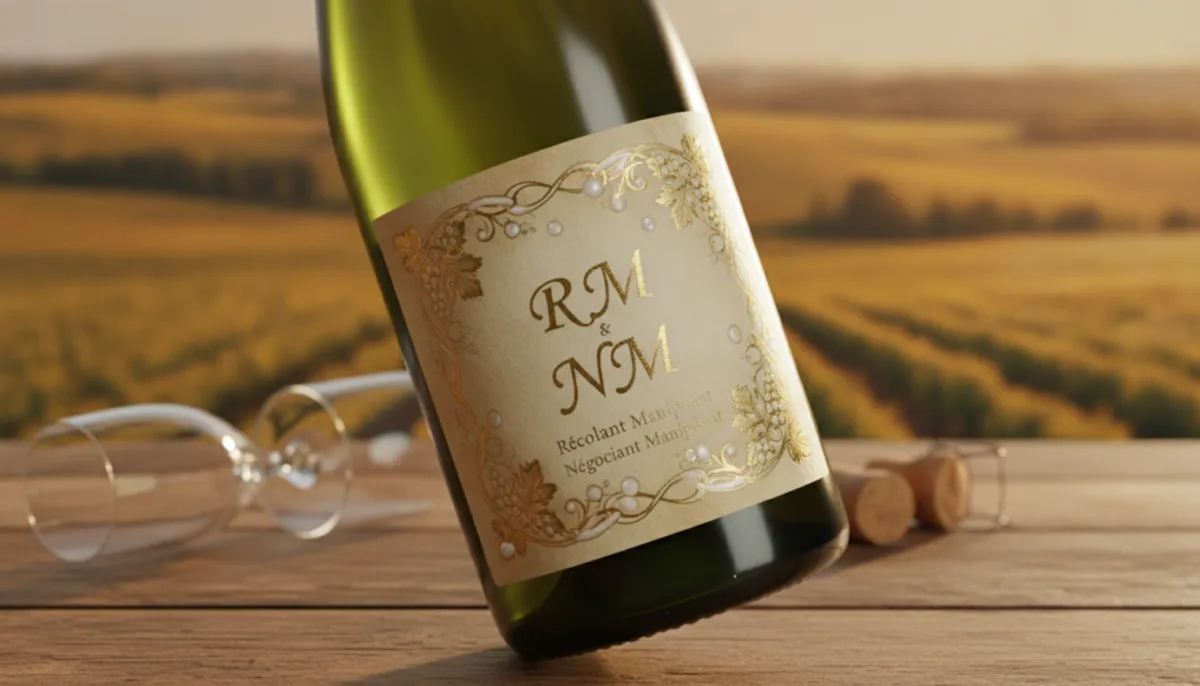
Whether you prefer a big house or a small grower, the markings on the bottle tell a clear story. Understanding these tiny codes helps you spot the producer and the style inside the bottle.
If you are looking for Champagne, we have you covered with the finest selections ready to be exported anywhere in the world. Request your personalized quote today at https://champagne-export.com to start the champagne import process and import top-quality bottles.
Key Takeaways
- Simple codes reveal who made the wine and how it was produced.
- Knowing the difference between grower and house producers helps shopping choices.
- These markers guide taste expectations and origin trust.
- We offer curated selections and worldwide export support.
- Visit the site to request a customized quote for imports.
Understanding the Champagne Label RM NM Codes
Tiny codes tucked into the front of a bottle tell a big story about production and origin. These two-letter marks are part of official wine regulation and offer quick, trusted information.
The Importance of Label Transparency
Those letters identify the producer and whether the grapes were grown by the house or purchased from other growers. This matters for taste expectations, traceability, and overall quality.
Only 5% of the imported champagnes in the United States come from grower producers, so bottles with grower sourcing are often prized by collectors and enthusiasts.
Where to Find the Code
You can spot the code in small text at the bottom of the front label on most authentic French wine bottles. Look near the brand name or bottle information for the letters that reveal production type.
- The codes provide vital information about production methods and sourcing.
- They help shoppers choose between house and grower champagnes.
- Use the code to confirm the champagne producer and expected style.
Looking for Champagne? We’ve got you covered. Discover the finest selections, ready to be exported anywhere in the world. Request your personalized quote today at https://champagne-export.com to source verified bottles from a trusted champagne producer.
The Difference Between Grower and House Champagnes
Large houses aim for year-after-year consistency, while small growers celebrate the quirks of each vintage.
Maisons make up about 87% of the bottles imported into the United States. These houses blend grapes from many sites to keep a steady, recognizable style each year.
By contrast, a grower is a producer who farms vineyards and makes wine from their own grape harvest. With over 19,000 independent growers in the champagne region, the range of sparkling wine styles is vast and exciting, including various grape varieties in champagne.
Grower champagnes often reflect a single plot, vintage, or grape mix. That means wines can vary by year and show unique terroir. Houses, however, favor consistency and a reliable name on the bottle.
- Houses focus on a consistent style and broad production.
- Growers emphasize vineyard expression and vintage differences.
- Both paths offer quality; your choice depends on whether you prefer consistency or discovery.
| Feature | Large Houses (Maisons) | Grower Producers |
|---|---|---|
| Production Aim | Consistent house style | Vineyard expression, vintage-driven |
| Scale | High volume; global distribution | Small to medium; artisanal |
| Typical Buyer | Those who value brand consistency | Collectors and fans of terroir |
Looking for Champagne? We’ve got you covered. Discover the finest selections, ready to be exported anywhere in the world. Request your personalized quote today on https://champagne-export.com.
Decoding Additional Producer Classifications
Many producers use shared facilities or private brands, and recognizing these types helps you read what a bottle truly represents.
Cooperative Facilities
Cooperatives let growers pool resources so small vineyards can make sparkling wine together.
These groups often source grapes from one village or nearby plots to craft a consistent cuvée. That approach can offer strong value and a clear sense of region.
Buyer Own Brands
Buyer’s Own Brands (MA) are produced or purchased by a retailer and sold under the retailer’s company name.
These wines may come from various producers, and the buyer decides the final style and brand name on the bottle.
Union of Growers
Unions (SR) are co-ops where members share facilities but keep control over their own wines.
Producers benefit from shared equipment while still expressing estate character in their wines.
- Cooperatives pool resources to produce sparkling wine from a specific village or area.
- Buyer’s Own Brands let retailers buy finished wine and sell it under their name.
- Unions of growers share facilities but allow each member to keep production control.
- If you are looking for Champagne, we have you covered with the finest selections ready to be exported anywhere in the world today.
- Request your personalized quote at https://champagne-export.com to learn how these types affect the final bottle quality.
- Understanding these classifications helps you identify if a bottle comes from a large house that must buy grapes or a small estate. Additionally, being aware of chilean import regulations can be crucial for ensuring compliance when importing wines from Chile.
| Type | Who Owns Fruit | Production Control | Typical Strength |
|---|---|---|---|
| Cooperative | Members contribute grapes | Shared, collective decisions | Good value; village character |
| Buyer Own Brand (MA) | Various sources; buyer may buy grapes or wine | Buyer defines style | Brand-driven consistency |
| Union of Growers (SR) | Member estates supply grapes | Individual control with shared facility | Estate character with scale benefits |
Selecting the Right Bottle for Your Palate
Picking the right sparkling wine starts with knowing your preferred style and the wine’s age.
Tips for Identifying Quality Vintages
Look for standout years. Seek vintages like 1996, 2002, 2004, and 2008. These years often show excellent balance and depth.
Remember that vintage bottles must age at least three years. That extra time adds creamy, nutty notes to the wines.
- If you like bone-dry styles, choose brut nature or extra brut for high acidity and minerality.
- Blanc de blancs (100% Chardonnay) feels floral and elegant; blanc noirs or blends with pinot noir give richer fruit.
- Check the producer name and any grand cru or estate notes to gauge vineyard quality.
- For consistent choices, study the bottle letters and brand to learn a producer’s typical style.
| Choice | Profile | When to Pick |
|---|---|---|
| Brut Nature / Extra Brut | Very dry, mineral | With seafood or acid-driven dishes |
| Blanc de Blancs | Fresh, floral | When you want elegance from Chardonnay |
| Blanc Noirs / Pinot Noir blend | Richer, red-fruit notes | Pairs well with roasted dishes |
Looking for Champagne? We’ve got you covered. Discover the finest selections, ready to be exported anywhere in the world. Request your personalized quote today on https://champagne-export.com to find a bottle that matches your sweetness level and taste.
Conclusion: Start Your Champagne Journey Today
Armed with these decoding tips, you can pick wines that match taste, vintage, and budget. Use the small text and producer name to learn a bottle’s style and production notes.
Whether you favor the steady consistency of large houses or the unique terroir of grower champagne, the choice is yours. Grower champagnes often show vineyard character, while maisons aim for a familiar brand and consistency year after year.
If you are looking for Champagne, we’ve got you covered. Discover the finest selections, ready to be exported anywhere in the world. Request your personalized quote today at https://champagne-export.com to begin sourcing grand cru and everyday bottles alike.
Mastering these codes makes it easy to buy grapes‑sourced wines with confidence and to appreciate the care behind each bottle from the champagne region.