Looking for Champagne? This friendly guide gives clear information for U.S. exporters and brands planning sales in south korea. It explains customs steps, duties, taxes, and key tariffs you must meet.
Since the KORUS FTA reshaped rules in 2012, paperwork and duty rates have changed. This guide walks you through the main requirements for wine imports and the labels that officials review.
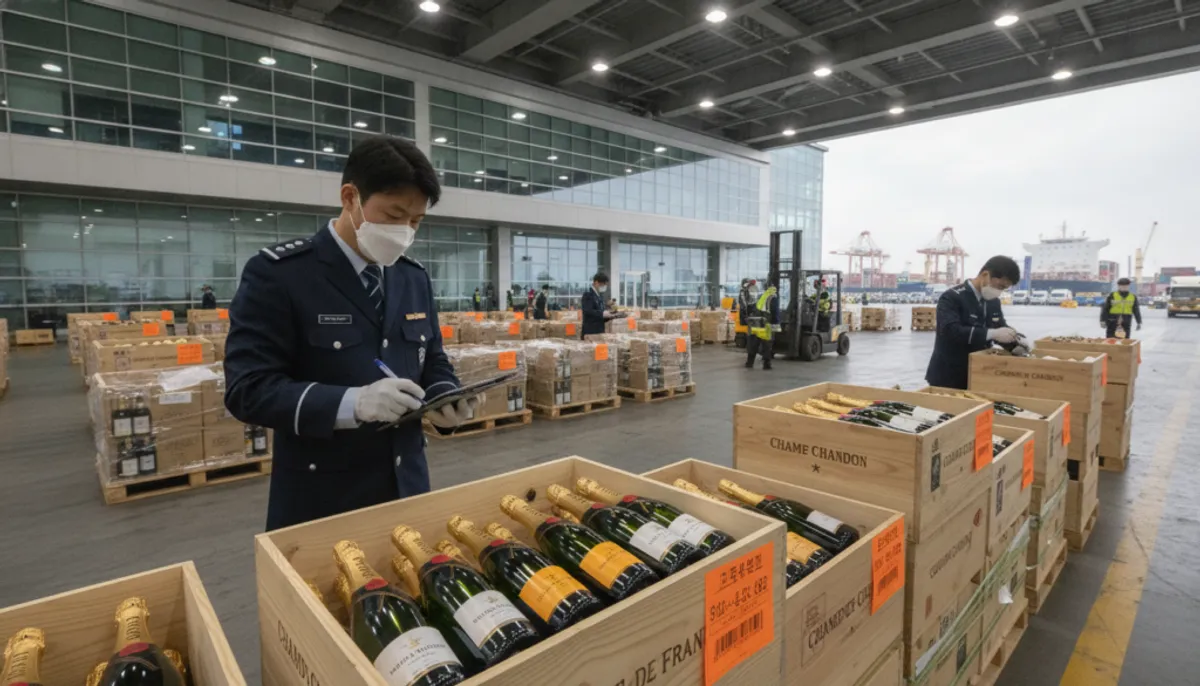
We offer practical support and can help you request a personalized quote at https://champagne-export.com. Follow this guide to streamline compliance, avoid common pitfalls, and make your duty payments and documentation smooth.
Key Takeaways
- Know customs and duty steps before shipping wine to south korea.
- Labeling rules and taxes can affect market entry and pricing.
- KORUS FTA continues to influence tariffs and import procedures.
- Expert help speeds clearance and reduces compliance risk.
- Request a tailored quote at https://champagne-export.com to start.
Understanding the Market for Importing Champagne into South Korea
Consumers in south korea now view wine as a sophisticated beverage. In 2022 the total value of wine imports reached US$581.27 million, showing clear demand for premium bottles, including champagne imports romania.
The off-trade remains important. Retailers such as Lotte and Costco lead sales in Seoul and other major cities. These channels help brands reach home and restaurant buyers fast.
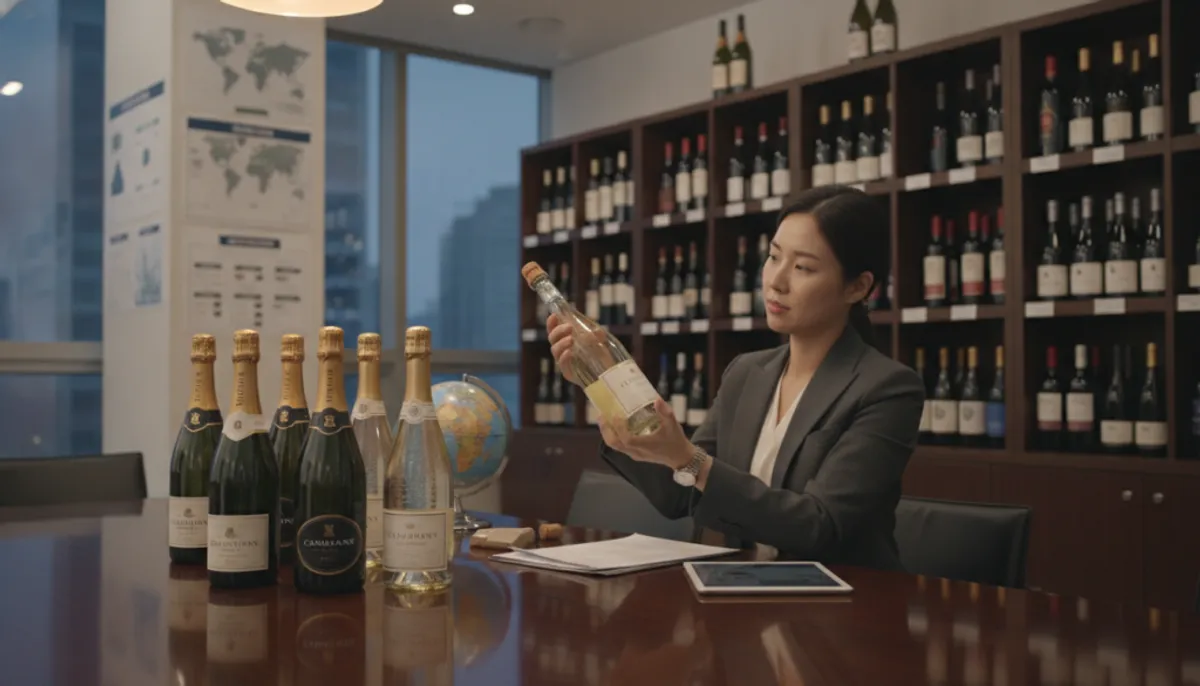
Whiskey and other spirits also rose sharply. Volume of whiskey imports grew by 72.6% in 2022 to 27,038 tons, signaling broader interest in imported alcoholic beverages.
Practical steps matter. Understand HS code 2204 for wine, research a reliable list of local importers, and plan pricing that accounts for tax and duties per bottle.
- Premium wines drive value growth even when volume adjusts.
- Major retailers dominate off-trade distribution.
- Find a local importer to support clearance and market entry.
Looking for Champagne? We’ve got you covered. Request your personalized quote today at https://champagne-export.com to start selling in this fast-growing market.
Navigating Customs Regulations and Labeling Requirements
Smooth clearance starts with accurate paperwork, correct Korean labels, and the MFDS testing that first-time shipments require. U.S. exporters should plan documentation ahead to avoid delays at customs.
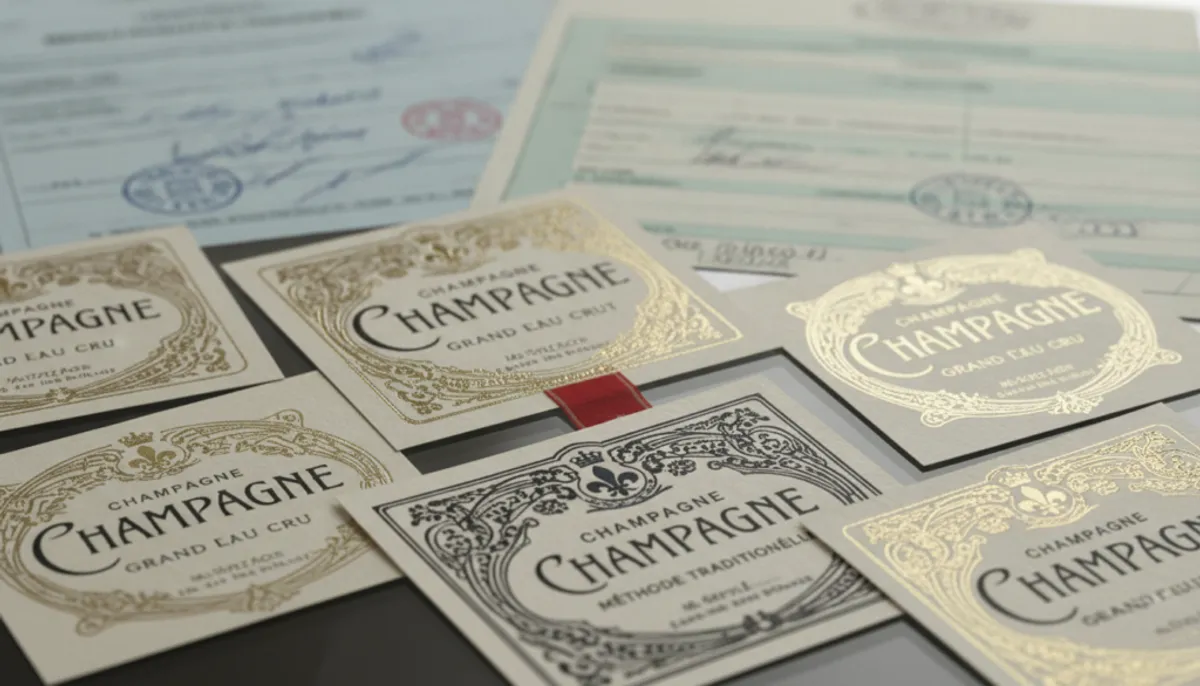
Required Documentation
Provide a commercial invoice, packing list, bill of lading, and the importer’s business license. The MFDS requires two sample bottles for chemical safety testing on first-time wine imports.
Mandatory Labeling Standards
Every bottle must carry a Korean-language label. Labels must list the importer’s name, address, and business license number. Health warnings about excessive alcohol consumption are also mandatory.
Taxes and Tariff Structures
Tariffs on wine were removed under the KORUS FTA, but other charges remain. A 10% VAT applies to the total customs-cleared value of alcoholic beverages.
An education tax is 10% for wine and 30% for spirits and beer, calculated on excise duty. Travelers aged 19+ may bring one liter duty-free if the value is under $400 USD.
- All alcoholic beverages undergo MFDS inspection for health compliance.
- Correct labels and complete paperwork help importers avoid extra duty and delays.
- Our team at https://champagne-export.com can guide you through the customs system and tariff classifications.
Looking for Champagne? We’ve got you covered. Discover the finest selections, ready to be exported anywhere in the world. Request your personalized quote today on https://champagne-export.com.
Building Strategic Partnerships for Long-Term Success
A reliable local partner helps you manage customs, duty payments, and day-to-day sales operations. Working with the right team reduces delays and protects the value of each shipment.
Finding and Vetting Local Importers
Choose importers with proven retail and HORECA connections. Top names such as Vinideus Co Ltd and Wine 2U Korea have established networks that speed market access.
- Invest time to build relationships; frequent face-to-face visits are common and effective.
- We vet potential importers by checking portfolios, distribution reach, and business references.
- Local partners often handle customs, duty and tax filings, and manage MFDS liaison for wine imports.
- Proper vetting ensures your bottle lands on the right shelves and keeps the brand value intact.
Looking for Champagne? We’ve got you covered. Discover the finest selections, ready to be exported anywhere in the world. Request your personalized quote today on https://champagne-export.com.
Conclusion and Next Steps for Your Export Business
Focus on compliance, partnerships, and clear pricing to win in south korea. Confirm customs paperwork, label rules, and MFDS testing before your first shipment.
Plan duties and taxes into your bottle price so margins stay realistic. Work with vetted importers to manage tariffs, duty payments, and local retail or HORECA listings.
Use this guide as a roadmap for wine imports and alcoholic beverages, including importing alcohol to australia. Market growth means opportunity, but staying current with regulations from the agency is essential.
Looking for Champagne? We’ve got you covered. Discover the finest selections and request a personalized quote at https://champagne-export.com to start exporting with expert support.