
This concise guide gives businesses the practical information they need to move premium sparkling wine across borders in 2027.
We outline the key customs procedures to help your shipments clear ports fast and stay compliant with local rules. The focus is on clear steps for documentation, duties, and labelling so you can plan logistics with confidence.
Our team analyzed recent trade policy updates and distilled them into actionable advice for distributors and logistics teams. Follow these recommendations to reduce delays and avoid legal complications.
Why this matters: understanding the regulatory environment is the first step to a smooth market entry. This guide aims to save time, cut risks, and help you manage the supply chain professionally.
Key Takeaways
- Learn the core customs steps needed for successful clearance.
- Prepare accurate documents and correct labelling to avoid fines.
- Use up-to-date policy info from 2027 for better planning.
- Adopt clear logistics checkpoints to limit delays.
- Work with experienced local agents to ensure compliance.
Understanding the Indonesian Alcohol Import Landscape
The market for alcoholic goods varies sharply from big cities to conservative provinces. This country mixes modern demand with local rules, and that balance shapes how foreign products move through the system.
Current Market Overview
Domestic brands dominate day-to-day sales — Bintang Beer remains the best seller nationwide. At the same time, the market value for imported items shifts with policy changes, including champagne tariffs in hungary, so exporters must watch tariffs and economic signals.
- The government balances rights for non-Muslims while responding to pressure from Islamic parties.
- Cosmopolitan centers like Jakarta allow alcohol sales but maintain a high tax environment for imported goods.
Cultural Context and Consumption Trends
Social norms affect where and how alcohol is sold. Note that some provinces enforce strict laws; for example, Aceh applies a stringent ban with severe penalties.
Despite local traditional drinks, demand for premium imported alcohol grows among tourists and expats. For businesses, this means targeted channels and clear compliance reduce risk and speed market access.
Navigating Customs Regulations for Importing Champagne into Indonesia
Clear customs quickly by preparing correct paperwork and confirming HS codes before shipping. Every shipment of alcohol must pass a strict customs process that enforces tax and safety rules.
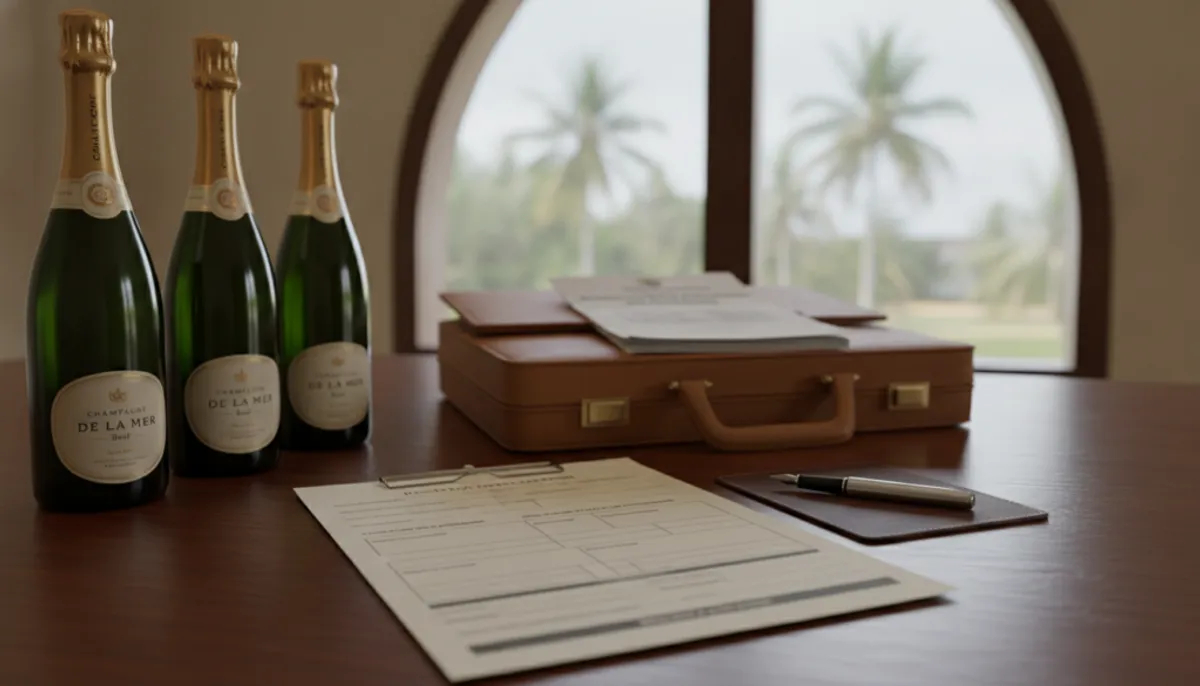
Travelers may bring up to 1 liter duty-free; amounts above that need a formal declaration. The Electronic Customs Declaration (E-CD) system lets you submit forms online to speed airport processing.
Large cash or high-value shipments trigger extra checks. Cash over IDR 100 million must be declared to avoid seizure or fines. Exporters should note the importance of correct HS codes — mistakes cause delays and extra costs.
- All commercial goods and restricted items move through the customs system for assessment.
- If goods exceed duty-free limits, follow strict procedures so authorities process them properly.
- Use the E-CD tool for faster handling of high-value or restricted shipments.
| Checklist | Why it matters | Common cases |
|---|---|---|
| Correct HS code | Prevents classification delays | Mislabelled bottles held for inspection |
| E-CD filed | Speeds passenger and cargo entry | Online forms reduce wait times |
| Cash declared | Avoids seizure and fines | Large payments flagged by authorities |
Breakdown of Import Duties and Excise Taxes
Knowing how customs and excise interact helps you predict landed costs accurately, including malaysia customs duties. This section outlines the main rates and how officials assess value for alcoholic shipments.
Import Duty Rates for Sparkling Wine
The current import duty for spirits and wine is set at 150%. This steep rate dramatically raises retail prices for imported products.
Plan your margins with that duty in mind, as it applies before excise and VAT are calculated.
Excise Tax Tiers Based on Alcohol Content
Excise is tiered by alcohol strength. Rates start at 13,000rp per litre for beverages up to 5% alcohol.
For beverages above 20% ABV, the excise is 80,000rp/litre for local goods and 139,000rp/litre for imported items.
Valuation Methods for Customs Assessment
Customs typically uses the commercial invoice and original purchase receipt to set the declared value.
If officials doubt the declared price, they may estimate value using market references, which can raise the assessed tax and duty bill.
| Rate Type | Threshold | Rate |
|---|---|---|
| Import duty | All spirits & wine | 150% of CIF |
| Excise (low ABV) | Up to 5% ABV | 13,000rp / litre |
| Excise (high ABV) | Over 20% ABV | Local: 80,000rp / litre; Import: 139,000rp / litre |
Essential Documentation and Labeling Requirements
Label accuracy and complete documentation make a measurable difference at customs checkpoints. Every bottle of alcohol must show the producer, origin, ingredients, ABV, and local language details. These labels help officials assess tax and duty correctly and speed clearance. Understanding monaco customs procedures is essential for ensuring compliance and smooth processing.
Compliance with the national system requires a valid import code on shipment documents. That code links to customs records and confirms that tax and duty payments are tracked before goods enter the country.
Missing forms or wrong labels can prompt instant rejection of items. Exporters should maintain a clear digital file of invoices, certificates of origin, and the import code so audits are painless and quick.
Practical checklist for smooth clearance
- Correct labels on every bottle with required language and ABV.
- Commercial invoice showing true value and detailed goods description.
- Valid import code and any certificate of origin for country-specific rules.
- Digital copies of all documents stored in an audit-ready system.
Managing Logistics and Global Export Standards
Shipping alcoholic goods across borders demands tight coordination between carriers, customs brokers, and your warehouse team.
Follow global export standards to keep products safe and compliant. Doing so reduces damage and avoids costly delays.
Key practical steps:
- Verify the correct product code for each carton so customs and handlers identify contents fast.
- Plan for applicable tax treatments and local regulations before booking transit.
- Note carrier restrictions on alcohol; some routes limit volumes or require special permits.
Align packing, labeling, and documentation with the destination country rules. This alignment lowers the chance of fines and lost goods.
| Logistics Check | Why it matters | Action |
|---|---|---|
| Product code | Speeds customs ID | Confirm HS and internal SKU |
| Tax planning | Prevents unexpected costs | Estimate duties and excise |
| Carrier rules | Reduces rebooking | Choose approved carriers |
Common Pitfalls and How to Avoid Them
Common errors at customs often start with small paperwork mistakes that grow into costly delays.
Declare true value. Undervaluing goods or misreporting the invoice risks heavy fines and seizure under customs laws. Keep invoices accurate and proof-ready.
Do not mislabel items. Misleading descriptions to reduce duty or tax will trigger inspections. Authorities can seize all items and prosecute if they suspect fraud.
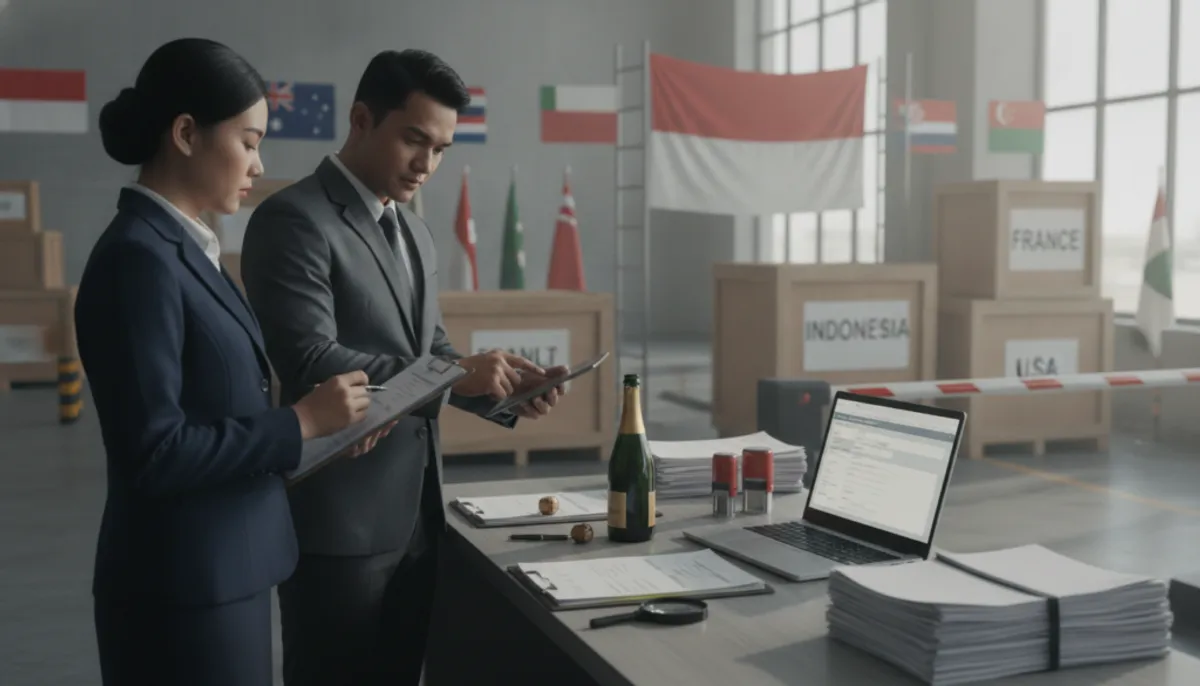
- Beware the illegal alcohol market: “alkohol oplosan” has caused poisoning cases. Avoid any connection to bootleg channels.
- Understand the duty and tax system to prevent storage fees and delays at ports.
- Verify import restrictions and required code on documents before shipping.
| Common Pitfall | Consequence | Quick Fix |
|---|---|---|
| Undervalued invoice | Penalties, seizure | Supply certified invoices |
| Wrong label or code | Inspection, hold | Use correct HS and local language labels |
| Links to illegal alcohol | Public health cases, legal action | Source from licensed producers only |
Requesting Your Personalized Champagne Export Quote
Get a custom export proposal that shows exact costs, timelines, and duties for your next sparkling wine shipment.
Looking for Champagne? We’ve got you covered with a premium selection ready for international distribution. Tell us your destination market and volume, and our team will prepare a clear proposal.
Our logistics experts handle export planning, paperwork, and transit options. We include estimated duties, excise, and VAT so you see the full landed cost before you commit.
- Tailored quotes for specific markets and volumes.
- Catalog selections matched to your buyer profile.
- Detailed cost breakdown including duties and taxes.
- Professional handling and shipment coordination.
| Service | What’s included | Typical turnaround |
|---|---|---|
| Personalized quote | Costs, duties, transit options | 1–3 business days |
| Catalog sourcing | Recommended labels and volumes | 2–5 business days |
| Cost breakdown | Estimated taxes and fees for your market | Same day with quote |
| Logistics plan | Carrier selection and timing | 3–7 business days |
Request your personalized quote today by visiting our official site at https://champagne-export.com and use the portal to upload details. Our team will respond with a detailed estimate and next steps.
Conclusion
A clear final checklist helps teams avoid common customs holds and unexpected duty charges.
This short guide pulls together the main information you need to manage alcohol shipments safely. Review tax and duty estimates, including champagne import fees, to protect the declared value of your goods.
Keep labels, invoices, and the correct codes ready so customs can clear items fast. Prioritize compliance with the country rules to build a stable market presence.
If you have questions, our team offers personalized support for your next export project. Contact us for help with documentation, cost estimates, and practical shipment planning.