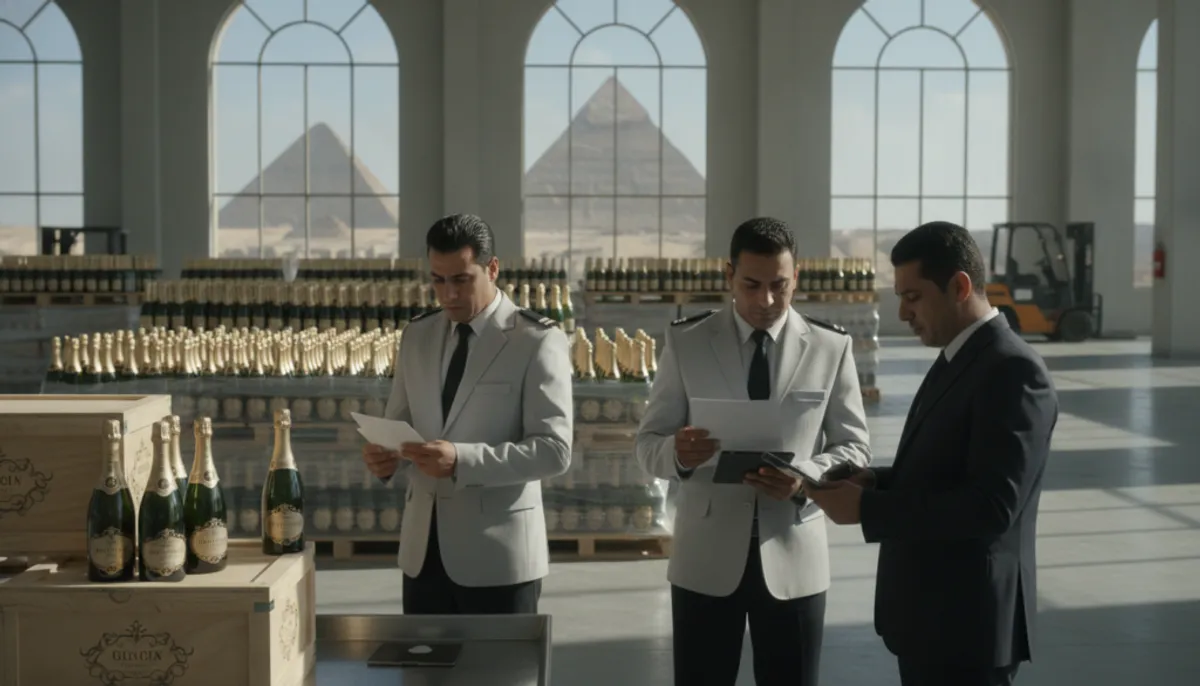
Looking for sparkling selections for global export? This practical guide lays out what businesses need to know about trade, rules, and labelling when moving premium bottles to a North African market.
Egypt is a nation in Africa with Cairo as its historic capital city. The local scene blends ancient culture with modern tastes. Popular drinks like Karkade hibiscus tea and Asab sugarcane juice sit alongside licensed venues that serve alcohol.
Regulations can feel complex. Our team helps with logistics and compliance so your shipments meet local standards. We make sourcing and clearance simpler, and you can request a personalized quote today at https://champagne-export.com.
Quick overview: this piece explains duties, customs clearance, and label requirements. It also highlights market nuances that matter to U.S. exporters and distributors.
Key Takeaways
- Egypt allows alcohol in licensed areas; know where sales are permitted.
- Customs and labelling rules are strict—plan documents early.
- Understanding local culture helps with market entry and sales.
- Logistics partners can reduce delays and ensure compliance.
- Request a tailored quote at https://champagne-export.com to start.
- This guide gives a clear path for moving premium products to the country.
Understanding the Egyptian Alcohol Market
A mix of homegrown wineries and tourist-focused retail shapes the local drinks market. Local producers and retail chains together meet demand from residents and visitors.
Local Production Trends
Egyptian labels such as Omar Khayyam, Grand Marquis, and Shahrazade are common on store shelves. These brands aim to match international quality while reflecting local taste.
Drinkies is a key retail network across major cities, offering consistent access to wine and beer. Specialized stores and licensed bars help keep supply steady for customers.
The Role of Duty-Free Shops
Tourist hubs like Sharm Sheikh and shopping districts such as Soho Square and Naama Bay host duty-free shops that attract travelers. These shops often carry a broader mix of international brands.
- Duty-free outlets in Naama Bay, La Strada Mall, and El Gouna expand options beyond airports.
- Hotels and restaurants with licenses serve guests who expect familiar labels and strong service.
Regulatory Framework for Importing Champagne into Egypt
State authorities require strict paperwork and procedures for all alcohol shipments on arrival. The Egyptian Tax Authority (ETA) and its Customs Authority division lead enforcement and inspections.
This guide explains the key steps to clear a consignment. Importers must assign a licensed shipping agent and register consignments in the No. 46 Book to start clearance.
- Prepare full commercial invoices, bills of lading, and certificates of origin.
- Register the shipment in No. 46 Book and maintain active liaison with ETA officials.
- Work closely with your shipping agent to schedule inspections and fee payments.
| Authority | Requirement | Typical Delay Risk |
|---|---|---|
| ETA – Customs Division | Document verification & No. 46 Book registration | High if incomplete |
| Shipping Agent | Submission of paperwork and on-site coordination | Moderate without authorization |
| Port Inspectorate | Physical inspection and duty assessment | Variable, based on compliance |
Failing to follow these rules can cause major delays or rejection at the port. Stay proactive and keep records to smooth the process.
Navigating Customs and Tax Obligations
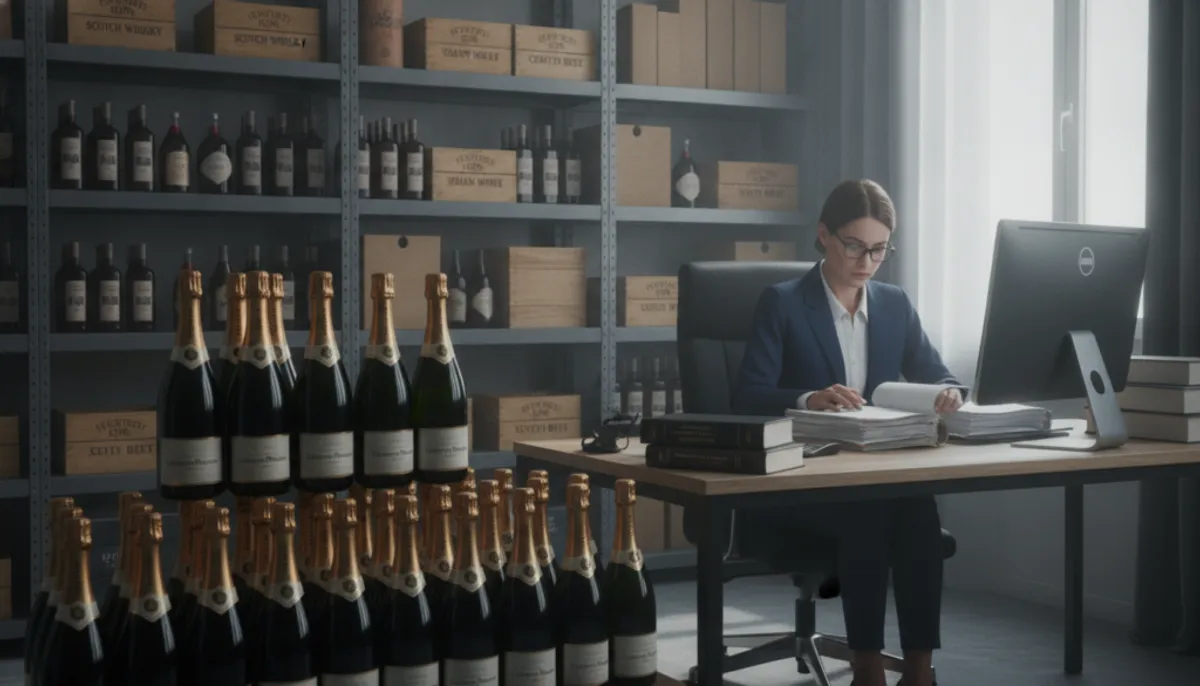
Clearing customs in this market starts with preparing for steep tax bills and tight verification. From the moment of arrival, authorities will check classification, paperwork, and duty calculations, including panama customs duties. Be ready: taxes here reshape pricing and logistics decisions.
Understanding Duty Rates
Rates are among the highest globally. Beer faces a 1200% levy. Premium bottles of wine and spirits can incur duties from 1800% up to 3000%.
Correct tariff classification matters. A wrong code can trigger fines or re-assessment and increase costs.
- Pay duties promptly on arrival to avoid storage fees and delays.
- Many firms hire licensed customs brokers to handle tax filings and inspections.
- Factor high duty thresholds into retail pricing and margin planning.
| Category | Duty Rate | Practical Impact |
|---|---|---|
| Beer | 1200% | Raises retail price significantly; affects volume sales |
| Wine | 1800%–3000% | Limits competitive pricing for premium labels |
| Spirits | 1800%–3000% | Requires high margin or local blending strategies |
| Tariff Classification | N/A | Critical for correct duty assessment; reduces risk |
Essential Labeling and Documentation Standards
Regulatory checks start with how a bottle is described on its label and invoice.
All imported alcohol must meet Ministry of Health labeling rules. This includes understanding the regulations around importing alcohol into lebanon. Labels should clearly state product type, ingredients, net volume, and health warnings. Use legible fonts and accurate translations for any Arabic text.
Documentation must match the ship’s manifest exactly. Submit complete commercial invoices, bills of lading, and certificates of origin to the Customs Authority to avoid holds.
- Follow standards set by the General Organization for Export and Import Control for product description and origin.
- Ensure packaging meets legal criteria for retail sale, including tamper-evident seals where required.
- Keep precise import records for audits and future shipments.
| Requirement | Who Issues It | Key Details | Risk If Missing |
|---|---|---|---|
| Label Content | Ministry of Health | Product type, volume, ingredients, warnings | Refusal at retail, fines |
| Invoice & B/L Match | Customs Authority | Exact item descriptions and quantities | Port holds, re-assessment |
| Certificate of Origin | Export Authority | Verified country of manufacture | Delayed clearance, extra checks |
| Packaging Specs | General Organization for Export and Import Control | Legal packaging, seals, translations | Market refusal, repacking |
Where to Find and Enjoy Alcohol as a Visitor
For travelers seeking a night out or a bottle to take home, licensed hotels and select shops are the safest choices. This short guide shows where to drink, buy wine and beer, and how to stay clear of trouble.
Licensed Hotels and Restaurants
Licensed hotels and restaurants are the most accessible venues for international visitors. You can expect full menus, trained staff, and familiar brands in city hotels and resort restaurants.
Tip: Enjoy drinks in designated areas and keep purchases on the bill when possible to avoid any local questions.
Specialized Liquor Stores
Specialty stores supply a wider selection of wine and beer for private consumption. Drinkies has notable locations at 157 26th of July St in Cairo and El Sultan Qabous St in Naama Bay, Sharm Sheikh.
The 48-hour duty-free rule lets travelers buy up to 3 liters of imported spirits at arrival duty-free shops. Use this when stocking up for a short trip.
Popular Tourist Destinations
Tourist hubs like Sharm Sheikh offer a relaxed nightlife with bars, clubs, and beachfront restaurants. Hotels and licensed bars cater to visitors and carry international beer and wine options.
- Enjoy drinks at licensed venues to avoid legal issues.
- Use reputable shops for bottles to take back to your room.
- Ask staff about local rules if you are unsure to prevent trouble during your trip.
Cultural Nuances and Public Consumption Rules
Respectful conduct around alcohol keeps your trip smooth and trouble-free.

Public consumption is not allowed and can lead to legal consequences for travelers. Keep bottles and cans out of streets and public parks.
Stick to licensed venues. Use hotels, licensed bars, and restaurants for any public drinking. These places are the safest and most accepted options.
When you buy from shops, staff often wrap purchases in black plastic bags. Keep the bag closed until you reach your private room or accommodation.
Remember that alcohol is generally considered haram in local culture. Showing discretion helps you respect local norms and avoids awkward encounters.
- Use licensed venues for bottles and service.
- Keep purchases concealed until private.
- Follow staff guidance to avoid public issues.
| Rule | Practical Tip | Risk If Ignored |
|---|---|---|
| No public drinking | Use hotel rooms or licensed bars | Fines, detention, or publicity |
| Keep purchases concealed | Accept and close black bags | Local complaints or police attention |
| Respect local beliefs | Be discreet in tourist areas | Social friction or denied service |
Seasonal Considerations for Alcohol Availability
Availability of wine, beer, and other alcohol changes noticeably with local holidays and religious observances. In major cities and resort areas this can alter what stores carry and when they open.
Ramadan 2026 runs from February 18th to March 19th. During that time many shops and bars may reduce hours or close entirely.
International hotels and high-end tourist restaurants usually continue to serve guests, though the vibe is quieter and service may be limited. Plan accordingly if your trip overlaps these dates.
- Plan ahead: stock up before your arrival if stores seem limited.
- Be discreet: the country observes fasting traditions and respect matters in public.
- Use hotels: hotels and licensed restaurants remain the most reliable option for visitors.
Travelers who prepare will avoid surprises and enjoy a smoother stay during the season.
Professional Solutions for Global Champagne Export
Global distribution of sparkling labels needs precise logistics and clear paperwork to reach hotels and bars, particularly in the context of the cross-border champagne trade.
Looking for Champagne? We’ve got you covered. Our team offers end-to-end export services that protect bottle integrity and preserve brand image.
We handle customs documentation, temperature-controlled transport, and liaison with local partners. This reduces delays and keeps product quality consistent from cellar to shelf.
- Professional solutions for premium labels that ensure safe, efficient delivery of high quality brands.
- Support for supplying alcohol to international hotels, bars, and retail outlets with clear compliance steps.
- Logistics for wine and beer shipments, including packing, labeling checks, and customs coordination.
We maintain industry ties with resources like the USDA Foreign Agricultural Service Office of Agricultural Affairs in Cairo. Reach them at 011 (202) 2797-2388 for export assistance.
Ready to move forward? Request your personalized quote today at https://champagne-export.com and start your smooth path to global distribution.
| Service | Benefit | When to Use |
|---|---|---|
| Customs & Documentation | Faster clearance, fewer holds | Before shipment departure |
| Temperature-Controlled Freight | Preserves flavor and quality | For delicate sparkling and aged wine |
| Market Placement | Access to hotels, bars, and retailers | When launching new brands |
| Compliance Consulting | Reduces fines and repacking | For new export destinations |
Conclusion
,In this guide you get a concise roadmap for paperwork, japanese customs duties, and respectful market entry. Follow the steps to avoid delays and protect brand quality.
Remember to match labels, keep accurate invoices, and work with a licensed broker. Respect local customs and plan pricing around steep israeli customs duties to stay competitive.
Looking for Champagne? We’ve got you covered. Discover the finest selections, ready to be exported anywhere in the world. Request your personalized quote today at https://champagne-export.com.