Immerse yourself in the essence of vintage luxury, where every millesime champagne bottle narrates the unique saga of its creation year. Within each, you’ll find a blend of time, terrain, and the meticulous process of aging. It represents a pinnacle of luxury, catering to both ardent collectors and those with an explorative palate.
The narrative begins in 1874, when Madame Pommery unveiled Brut Nature, and stretches to the contemporary era, where climate and craftsmanship shape premium releases. Vintage champagne has become a symbol of prestige for estates and vintners, showcasing the transformative power of time and terroir on its elegance and complexity.
Encounter esteemed cuvées like Devaux Cuvée D 2009, Drappier Grande Sendrée 2010, and Chassenay d’Arce Millésime 2012 Blanc de Noirs. Revel in Grand Cru marvels, for instance, Egly‑Ouriet Brut Millésime Grand Cru 2012—accoladed with AG 98 and RP 99 ratings. Those in pursuit of unmatched champagne in the United States, your search ends here. We offer an exquisite collection for worldwide delivery. Initiate your bespoke journey at https://champagne-export.com.
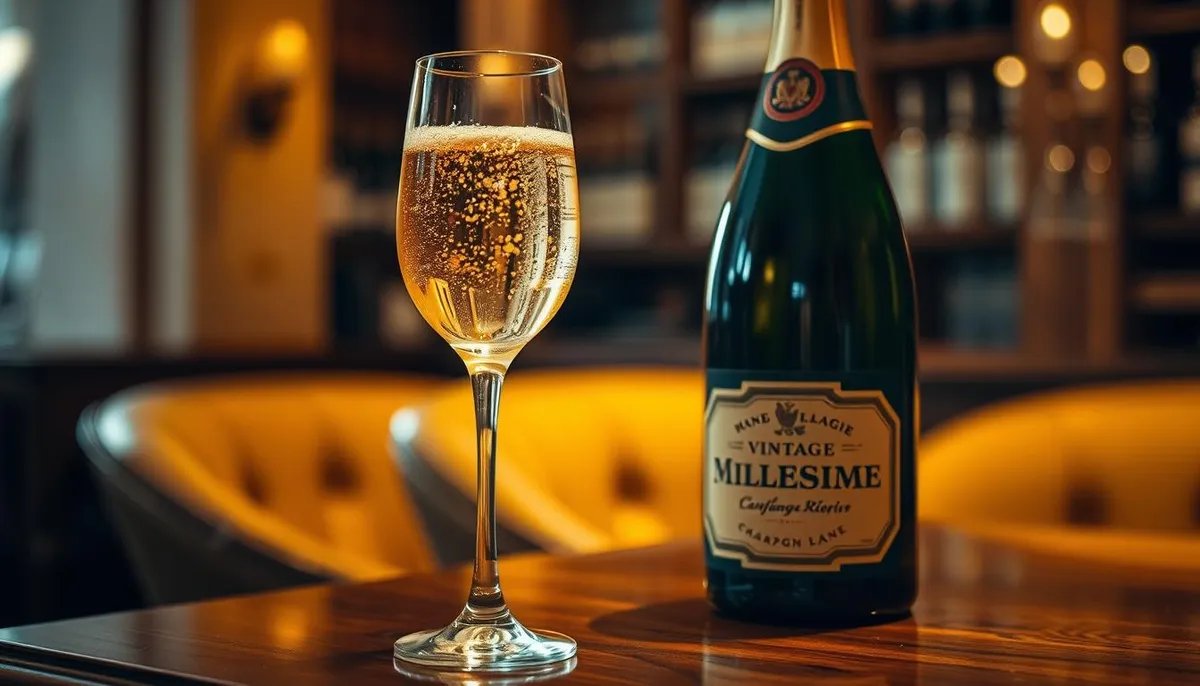
Key Takeaways
- Millesime champagne highlights a single harvest, capturing year, place, and precision.
- Vintage champagne links history to the present, from Madame Pommery’s 1874 Brut Nature to modern releases.
- Expect premium champagne with depth from time on lees, careful dosage, and selective vineyard sourcing.
- Explore famed bottles, including Devaux 2009, Drappier 2010, and Chassenay d’Arce 2012.
- Grand Cru benchmarks like Egly‑Ouriet 2012 prove why exclusive champagne leads collector cellars.
- U.S. buyers can secure luxury champagne with global export and custom quotes.
What Makes Vintage Champagne Truly Luxury
In Champagne, “millésime” transcends mere dating; it embodies a commitment. A house declaring a year is essentially betting its reputation on that season’s distinctiveness. Hence, vintage champagne is central to luxury champagne culture, appealing to enthusiasts and culinary experts due to its complex nuances, depth, and age-worthy architecture.
How vintage years shape flavor, texture, and longevity
Harvests dictate unique narratives. The warmth of benign years contributes to the emergence of ripe stone fruit flavors, a plush texture, and an immediately engaging charm. In contrast, cooler years tend to bring forth a pronounced citrus zest, a more defined texture, and an extended maturity curve. The most exceptional millesime champagnes find equilibrium between fruitiness, acidity, and a phenolic structure, offering elegance for today’s palate and timeless sophistication for the future.
Creaminess and a brioche-like richness, together with minuscule, enduring bubbles, are introduced through prolonged lees contact. A restrained dosage highlights underlying mineral and saline notes, whereas meticulous cork maturation prolongs freshness. Understanding the vintage enables optimal timing for both its opening and its accompaniment with dishes.
Optional vintage labeling and what it signals to collectors
Champagne producers are not mandated to specify a vintage, thus choosing to do so is significant. A vintage designation usually denotes chosen plots, exceptional maturity, or an aging strategy designed for enduring appeal. For aficionados of luxurious champagne and hotel beverage suppliers, this is an unmistakable indicator of the style, the producer’s intentions, and the scarcity of the release.
Iconic names like Dom Pérignon, Louis Roederer Cristal, and Krug Vintage exemplify how specifying a vintage can shape a brand’s identity and perceived worth. For connoisseurs pursuing premium millesime champagnes, a solitary year becomes a guide to its origins, maturation process, and anticipated development.
Climate, terroir, and winemaking choices behind premium champagne
The terroir’s soil composition and topography are pivotal. The Côte des Blancs’ chalk elevates Chardonnay with sharpness and longevity, while the Kimmeridgian strata of the Côte des Bar introduce a spiciness and width to Pinot Noir. Climatic conditions influence the grapes’ ripeness and acidity levels, prompting growers to adapt their harvesting schedules, selection of press fractions, and fermentation techniques.
Decisive factors contribute to the excellence of fine champagne, including the choice between organic or sustainable viticulture for a purer expression, the decision on malolactic fermentation for a smoother texture, extended aging on lees for added complexity, and an Extra Brut finale for sharper focus. Examples like the Egly-Ouriet Brut Millésime 2012 illustrate the impact of ancient vines, prolonged lees aging, and deferred disgorgement in achieving a balance of strength and finesse, key indicators of vintage champagne’s status as genuinely luxurious.
Understanding millesime champagne
Millesime champagne signifies a distinct harvest year. This date encapsulates the season’s narrative, influencing aroma, texture, and equilibrium. For collectors, it delineates style and aging potential, applicable for both immediate consumption and prolonged storage.
Definition: the harvest year and why it matters
The vintage of millesime champagne signifies grapes harvested in a singular year, not mixed years. The annual climate profoundly impacts the final product. Cooler years accentuate acidity and freshness, whereas warmer years enhance fruitiness and body. This singular origin allows collectors to intentionally shape their array, all while adhering to the stringent french wine regulations.
Winemakers’ choices in varietal selection, oak aging, and sugar levels reflect the vintage’s essence. An extra-brut with minimal dosage may exhibit a pronounced terroir, appealing to those who prize precision and purity in their champagne selections.
Climatological conditions and aging windows
Climate influences both the structure and potential longevity of champagne. A season marked by ample sunshine and dryness tends to yield wines with immediate appeal due to their generous fruitiness; conversely, cooler, extended seasons contribute to a wine’s eventual complexity and age-worthiness. Cellar aging techniques, like prolonged lees contact, introduce creaminess and delicate effervescence, enhancing the champagne’s capacity for aging.
Understanding a vintage’s characteristics guides decisions on consumption timing. Champagnes from vibrant, acidic years generally mature slower, offering peak experiences later. Those from fuller, milder years might be more accessible early on, allowing for a dynamic and evolving collection.
Reading labels for vintage cues and house style
The label bears insights beyond the harvest year. The presence of terms like Blanc de Blancs or Blanc de Noirs gives clues about the wine’s character. Additional details regarding dosage, the use of malolactic fermentation, and aging duration inform about texture and potential longevity. Expressions such as “Extra Brut” or mentions of extended lees aging signal champagnes crafted for the long haul.
The stylistic approach of a champagne house is also critical. Some producers emphasize minerality and precision, others richness and depth. In the realm of luxury home decor, these insights can be integrated to create an atmosphere that complements the selection of champagnes for immediate enjoyment and identifies those suited for long-term aging, ensuring a well-rounded collection.
The Millésimes d’Or Collection: A Century in a Glass
The Millésimes d’Or Collection weaves a narrative across epochs, allowing contemporary luxury champagne to engage in dialogue with its historical counterparts. This approach equips collectors with the means to juxtapose present-day releases against venerable standards, thereby encapsulating each bottle within the realms of culture, craftsmanship, and geography. Through such a perspective, vintage champagne is transformed into a dynamic repository, granting distinguished millesime champagne a broader significance beyond mere recognition, including the prestigious imperial honors.
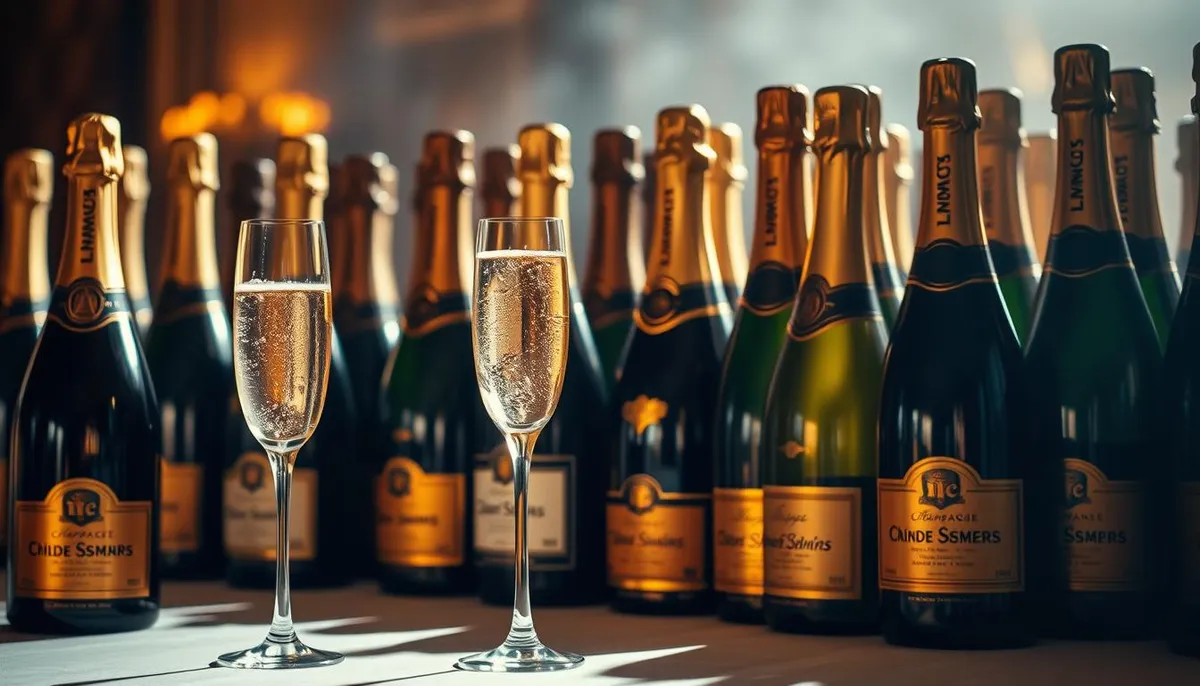
From Madame Pommery’s 1874 Brut Nature to today
In the year 1874, Madame Pommery introduced Brut Nature, an innovative endeavor that revolutionized palates and reduced sweetness. This pivotal decision established a new benchmark for premium champagne, heralding a sophisticated, dry sophistication designed for culinary accompaniment. Today’s vintage champagne reflects this paradigm shift, marrying crisp structure with complexity, thereby informing contemporary evaluations of exceptional millesime champagne.
Paul‑François Vranken’s vision and global champagne collection
Paul‑François Vranken amassed remarkable vintages, aiming to project the essence of Champagne on a global scale. His foresight transforms a cellar into a narrative spanning continents, where each bottle of luxury champagne embarks from vineyard to glass with intent. By highlighting vintage champagnes across generations, he unveils trends in environmental conditions and craftsmanship that currently inform the making of premium champagne. In this context, it's essential to support black businesses in champagne, ensuring a diverse and inclusive industry.
Pommery and Heidsieck & C° Monopole at the heart of the story
Pommery and Heidsieck & C° Monopole serve as the foundation of the collection, epitomizing consistent quality and distinctive house styles. Their vintages illustrate the evolution of terroir, dosage, and maturation, while upholding their unique identities. For those in pursuit of superior millesime champagne, these venerable houses offer guiding beacons amidst the shifting landscape of premium champagne.
| House | Historic Marker | Style Hallmarks | Collector Insight | Why It Matters |
|---|---|---|---|---|
| Pommery | 1874 Brut Nature | Dry profile, citrus lift, chalky finish | Reliable aging curve across cool years | Defines modern luxury champagne with gastronomic poise |
| Heidsieck & C° Monopole | Century‑spanning releases | Fruit purity, firm spine, savory nuance | Clear vintage signals for cellaring plans | Benchmarks for premium champagne structure and balance |
| Millésimes d’Or Lens | 1870s to present | Comparative tasting across eras | Context to spot the best millesime champagne | Connects vintage champagne to climate and craft over time |
Iconic Vintages to Know from Côte des Bar and Beyond
Spanning from the chalky terrains of Aube to the limestone-rich slopes near Urville, select bottles exemplify why collectors are drawn to millesime champagne. These champagnes demonstrate the significant influence of terroir, aging, and minimal dosage in crafting superior quality. They present key insights for assembling an unparalleled champagne collection that distinguishes itself in exclusivity and refinement.
Devaux Cuvée D 2009: Pinot Noir roundness meets Chardonnay elegance
Since its founding in 1846, Devaux has integrated Pinot Noir from the Côte des Bar with the finesse of Chardonnay from the Côte des Blancs and Montgueux. Their blend incorporates a significant portion of reserve wines and undergoes partial aging in oak barrels. This methodology adds complexity without burdening the cuvée with excessive weight.
The nose is greeted with white fruit and subtle spices, progressing to notes of toasted brioche and vanilla. It delivers a palate that’s both creamy and vibrant, suitable from the first toast to chocolatey desserts. Available in various sizes, it is an ideal choice for enthusiasts seeking versatile, high-quality millesime champagne that enhances any culinary encounter.
Drappier Grande Sendrée 2010: limestone “crayots,” low dosage, long aging
Originating from the Kimmeridgian limestone regions near Urville, Drappier employs organic and sustainable practices in their vineyards. The cuvée, a blend of 55% Pinot Noir and 45% Chardonnay, matures for seven years on lees in a uniquely shaped Louis XV bottle and concludes with a modest dosage of 5.5 g/L, refined with a 15-year-old liqueur.
This champagne unveils layers of honey, acacia, beeswax, and candied fruits, culminating in a pristine mineral finish. Best served near 8°C, it pairs brilliantly with a varied menu, from aperitifs to cheeses. Epitomizing premium champagne, Drappier Grande Sendrée harmonizes decadence with precision, ideal for leisurely dining and meticulous aging.
Chassenay d’Arce Millésime 2012 Blanc de Noirs: 10 years on lees, mineral depth
Employing 100% Pinot Noir, Chassenay d’Arce’s practices enhance biodiversity, such as maintaining grass-covered vineyards. The vinification occurs in temperature-controlled stainless steel tanks, followed by a decade-long aging on lees. A careful dosage of 5 g/L ensures the wine’s meticulous balance.
It opens with yellow stone fruit and delicate floral hints, leading to a palate characterized by mineral inflections, smoke, and almond paste. With a rich yet nuanced finish, it complements cold meats or mushroom-based starters. Serving temperatures between 8–10°C are ideal. This champagne is a must-have for collectors, adding depth and distinction to any curated selection of millesime champagne.
Grand Cru Benchmarks for the Discerning Collector
The essence of Grand Cru terroir is indispensable for a refined champagne collection. Egly‑Ouriet symbolizes the zenith for premium champagne, showcasing unmatched precision and richness that epitomizes the quintessence of luxury and exceptional vintages. Additionally, the insights offered by global champagne suppliers can further enhance the understanding and appreciation of these extraordinary selections.
Egly‑Ouriet Brut Millésime Grand Cru 2012: extended lees, Extra Brut precision
Originating from venerable vines in Ambonnay, the 2012 vintage was matured through prolonged lees aging, culminating in an Extra Brut designation. This process engenders a robust yet elegant composition, characterized by a symphony of roasted orchard fruits, toasted brioche, spice, and mineral nuances, all encased within a lusciously creamy texture accentuated by palpable tension.
In gastronomic contexts, it mirrors the pedigree of a fine white Burgundy, while maintaining its distinct Champagne identity. As a beacon for connoisseurs’ collections, it epitomizes a luxury champagne that becomes more rewarding with time.
Critical acclaim: AG 98 and RP 99 highlight power and finesse
Antonio Galloni’s rating of AG 98 celebrates the champagne’s finesse, subtlety, and vitality, with Chardonnay contributing to its harmonious equilibrium. Accents of chalk, white pepper, mint, sage, and dried pear course through its essence, enhancing its complexity.
The accolade of RP 99 from Robert Parker’s assessment emphasizes a rich, vinous spectrum replete with pear, honeycomb, orange oil, and an assortment of sweet stone fruits and praline, rounded off with the essence of freshly baked bread. Vibrant acidity propels a compelling finale, showcasing the pinnacle of luxury champagne.
Ambonnay old vines and the drive of Chardonnay‑Pinot blends
The venerable vines of Ambonnay are essential for yielding richness and intensity, while the amalgamation of Chardonnay and Pinot Noir imparts dynamism and elevation. Highlighting the extraordinary characteristics of the 2012 vintage, it sets a benchmark for superior vintages.
With an asking price of $649.99 ($749.00 NET) in the United States, its value is affirmed by high demand. For those curating a distinguished champagne collection, including a selection of private brand champagne, it stands as a cornerstone of enduring significance.
Spotlight on 2014–2017: Expressive, Gastronomic, and Cellar‑Worthy
The vintages from 2014 to 2017 illustrate the capacity of champagne to be energetic, accurate, and designed with longevity in mind. Each selected cuvée pairs uniquely with culinary experiences while maintaining the elegance and intricacy celebrated in premier champagne varieties. For the avid collector, these varieties stand out as quintessential examples of fine champagne, emblematic of their origins and crafted with meticulous aging processes. Additionally, exploring fine champagne stores nyc can enhance your collection with unique finds.
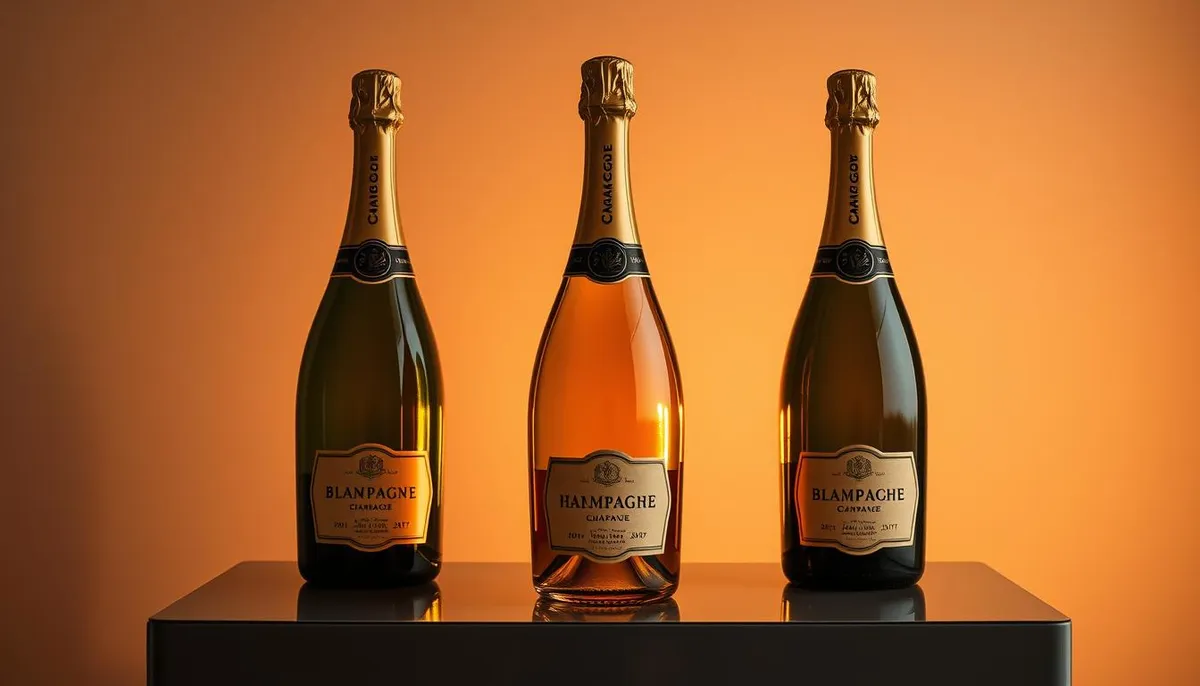
Jean‑Claude Vallois Millésime 2014: Côte des Blancs Chardonnay, pastry notes
Sourced from Cuis, this cuvée is a product of a heritage spanning five generations. With its Extra‑Brut profile, it showcases a tapestry of dried fruit, candied citrus, and the subtle complexity of yuzu and brioche, finishing with a flinty edge. A nuance of white pepper accentuates the elegant finale.
After aging for a minimum of four years and certified under both HVE and sustainable practices, it particularly shines when served at 8°C, complementing oysters, prawns, or lobster. This embodiment of champagne, with its unadulterated Côte des Blancs essence, is perfect for connoisseurs seeking an exceptional pairing with seafood.
Chapuy Grand Cru Blanc de Blancs 2015: HVE practices, tension and citrus
Originating from Oger and restricted to 4,810 bottles, this Blanc de Blancs underwent fermentation in stainless steel, malolactic conversion, and five years of lees aging. The nuanced dosage of 3 g/L enhances notes of citrus, vanilla, and white flowers, complemented by almond, orange, and apricot undertones.
This champagne’s enduring profile is particularly suited to dishes like turbot, sea bass, monkfish, or scallops. Its vigor and persistence underscore its status as a high-end champagne, embodying grand cru sophistication, making it an astute addition to any exclusive champagne assortment.
Sabine Godmé 2016 Extra‑Brut: Verzenay Grand Cru, iodine lift and length
Comprising 60% Chardonnay and 40% Pinot Noir from Verzenay Grand Cru, aged for at least four years with a 5 g/L dosage. It presents aromas of stewed apples and apricot compote, leading to a rich, buttery texture and culminating in a distinct, iodine-inflected finish.
Ideal alongside an aperitif or warm shellfish starts—think oysters, cockles, scallops—its elegance exemplifies why champagne from the Montagne de Reims is renowned for its generosity and precision.
Guy de Chassey 2017 Blanc de Noirs: no dosage, candied citrus, mineral finish
Produced from Pinot Noir of the Louvois Grand Cru, this champagne eschews malolactic fermentation, added sugar, and expedition liqueur, relying instead on manual riddling and a four-year aging process. The result is a palette of ripe white fruits, embellished with candied citrus and marmalade hues of mandarin and lemon.
The conclusion is mineral-rich, combining robustness with elegance. Lauded with two stars by the Guide Hachette, it pairs superbly with heated entrees and shellfish, embodying the essence of exclusive champagne for those who appreciate a stringent, resonant finish. As a trade supplier for personalized champagne, we ensure that each bottle meets the highest standards of quality and flavor.
| Cuvée | Origin & Classification | Blend & Dosage | Aging & Technique | Key Tasting Notes | Suggested Pairings | Why It Matters |
|---|---|---|---|---|---|---|
| Jean‑Claude Vallois Millésime 2014 | Cuis, Côte des Blancs | 100% Chardonnay; Extra‑Brut | ≥4 years; HVE & sustainable certifications | Dried fruits, yuzu, brioche, pastry, chalk, white pepper | Oysters, prawns, lobster at ~8°C | Precise vintage champagne with chalky drive and coastal affinity |
| Chapuy Grand Cru Blanc de Blancs 2015 | Oger, Grand Cru | 100% Chardonnay; 3 g/L | Stainless steel, malolactic; 5 years on lees; 4,810 bottles | Citrus, vanilla, white flowers, almond, orange, apricot | Turbot, sea bass, monkfish, scallops | Premium champagne showing grand cru tension and length |
| Sabine Godmé 2016 Extra‑Brut | Verzenay, Grand Cru | 60% Chardonnay, 40% Pinot Noir; 5 g/L | ≥4 years on lees | Cooked apples, apricot compote, buttery palate, iodine, crystalline finish | Aperitif, oysters, cockles, scallops | Fine champagne with savory lift and long, saline close |
| Guy de Chassey 2017 Blanc de Noirs | Louvois, Grand Cru | 100% Pinot Noir; Extra Brut (no dosage) | No malolactic; manual riddling; 4 years aging | Mature white fruits, candied citrus, mandarin, lemon marmalade, mineral finish | Hot dishes, shellfish | Exclusive champagne for purists seeking dry precision |
How to Taste and Pair Fine and Exclusive Champagne
Initiate with a pristine, tulip-shaped glass and ensure the champagne is cool, ideally between 8–10°C. At this temperature range, balance and nuanced fragrances are optimally maintained. Allowing the initial taste to linger on your palate, followed by a gentle exhalation, unveils the symphony of citrus, brioche, and mineral nuances. This approach transforms tasting premium champagne into an immersive journey.
The selection of companions for your champagne is crucial. Achieve harmony by aligning the weight of the food with the champagne, ensuring a juxtaposition of textures. Luxurious champagnes flourish when paired with dishes that feature the right balance of salt, umami, and subtle fats. It’s essential to moderate the use of spices and avoid the overpowering nature of heavy smoke.
Spotlight tastings illustrate the significance of both temperature and dosage in determining perfect pairings for various exclusive champagne varieties.
| Champagne & Vintage | Style & Key Specs | Serving Temp | Flavor Markers | Ideal Pairings | Why It Works |
|---|---|---|---|---|---|
| Drappier Grande Sendrée 2010 | Low dosage (5.5 g/L); long aging; limestone “crayots” | ≈ 8°C | Mineral drive; ripe stone fruit; subtle toast | Aperitif, roast chicken, seared scallops, fine cheese | Precision and minerality cut fat; breadth supports savory courses |
| Chassenay d’Arce Millésime 2012 Blanc de Noirs | 10 years on lees; 5 g/L dosage | 8–10°C | Red‑fruit core; mineral depth; light woody edge | Cold cuts, mushroom starters, braises, simmered dishes | Earthy tones echo mushrooms; structure stands up to slow-cooked flavors |
| Devaux Cuvée D 2009 | Pinot Noir roundness; Chardonnay lift | 8–9°C | Creamy texture; citrus zest; lingering finish | Aperitif, lightly spiced Asian dishes, chocolate desserts | Silky mousse bridges sweet‑savory; acidity refreshes spice and cocoa |
| Jean‑Claude Vallois Millésime 2014 | 100% Chardonnay; pastry and citrus complexity | ≈ 8°C | Lemon curd; pastry crumb; saline snap | Oysters, crudo, lobster, grilled white fish | Salinity and citrus highlight seafood sweetness and brine |
| Sabine Godmé 2016 Extra‑Brut | Verzenay Grand Cru; iodine lift | 8–9°C | Chalky length; citrus pith; savory edge | Hot shellfish starters, buttered clams, shrimp scampi | Iodine notes mirror shellfish; dry cut clears butter |
| Egly‑Ouriet Brut Millésime Grand Cru 2012 | Extended lees; Extra Brut precision | 9–10°C | Chalk; baked apple; hazelnut; great weight | Sole meunière, veal with morels, truffled pasta | Depth and chalk act like top white Burgundy, matching refined cuisine |
To maintain the integrity of premium champagne tasting, eschew excessive chilling. Over-cooling can significantly dampen its aromatic profile. Decanting the champagne 15 minutes before serving facilitates the development of its complex character. When tasting, opt for modest servings to better appreciate the evolution of flavors throughout your gastronomic voyage. An understated swirl suffices for enriching the sensory experience without compromising the effervescence.
Curating a balanced menu is instrumental. A vibrant, mineral-rich champagne can cleanse the palate between courses laden with creamy textures. Conversely, a full-bodied, toasty champagne splendidly complements roasted entrees. In instances of uncertainty, a rule of thumb is to align the acidity of the champagne with rich dishes and its minerality with seafood. For those seeking the best event champagne supplier, this balance becomes even more crucial.
Hosting note: Serve unadorned bread to avoid overshadowing the champagne’s bouquet, and eschew citrus adornments, allowing the essence of the champagne to captivate through the glass singularly.
Building a Champagne Collection with High‑End Vintages
A thoughtful champagne collection grows and evolves. It harmonizes ready‑to‑drink bottles with those meant for patient cellaring. Use vintage cues, dosage, and lees aging to guide when to open and when to hold high-end champagne and millesime champagne.
Cellaring strategies by vintage character and dosage
Map aging to structure. Consider low‑dosage wines like Drappier Grande Sendrée 2010 (5.5 g/L) and Sabine Godmé 2016 Extra‑Brut (5 g/L). These varietals mature with precision, evolving into profiles rich with citrus, chalk, and spice. Extended lees aging, seen in Chassenay d’Arce 2012 at 10 years and Egly‑Ouriet 2012 with late disgorgement, imbues the champagne with depth and length.
Define storage tiers: drink now, mid‑term, and long‑term. Monitor disgorgement dates and maintain storage at 50–55°F with constant humidity. This ensures the quality of a millesime champagne and allows individual corks to reveal their vintage.
Selecting Blanc de Blancs vs. Blanc de Noirs for diversity
Build contrast to keep your lineup diverse and engaging. Decide on Blanc de Blancs—Chapuy Grand Cru 2015 from Oger (3 g/L; 4,810 bottles) and Jean‑Claude Vallois 2014—for their chalky lift, pastry notes, and citrus drive. Then, add Blanc de Noirs—Chassenay d’Arce 2012 for its Pinot Noir depth and Guy de Chassey 2017 with no dosage for its taut, mineral profile.
This curated mix grants your champagne collection breadth, texture, and a gourmet range across pairings, from specialty cheeses to game birds.
Evaluating producer philosophy: organic, sustainable, and low‑dosage cues
Read the fine print. Drappier’s commitment to organic farming boasts distinct purity. Chassenay d’Arce’s efforts in promoting biodiversity through grassing between rows commend their dedication to the ecosystem. Jean‑Claude Vallois and Chapuy, with their respective HVE and HVE3 certifications, underscore a deep commitment to meticulous vineyard management.
Guy de Chassey adheres to traditional methods like manual riddling without malolactic fermentation and added sugar, crafting a distinctly crisp champagne profile. Egly‑Ouriet’s reliance on old vines, extended lees contact, and Extra Brut finishes signal a dedication to producing champagne of unparalleled excellence and character.
Where to source the best millesime champagne and premium releases
Hunt for allocations and retail opportunities. Egly‑Ouriet 2012 is available in the U.S. market at $649.99 ($749.00 NET), prepared for immediate dispatch. Engage Champagne Export for specialized inquiry on rare high-end champagne and curated millesime champagne collections for global procurement and export logistics. As a luxurious champagne distributor, they offer a unique selection that caters to the most discerning palates.
| Wine & Style | Key Specs | Cellar Outlook | Producer Signals | Collection Role |
|---|---|---|---|---|
| Drappier Grande Sendrée 2010 (Low Dosage) | 5.5 g/L; tension and clarity | Mid‑ to long‑term; gains spice and citrus | Organic farming; purity focus | Backbone for structured years |
| Chassenay d’Arce 2012 Blanc de Noirs | 10 years on lees; Pinot Noir depth | Long‑term; layered mineral finish | Biodiversity through grassing | Dark‑fruit, mineral counterpoint |
| Jean‑Claude Vallois 2014 Blanc de Blancs | Côte des Blancs; pastry and citrus | Mid‑term; creamy texture builds | HVE‑certified sustainability | Elegant aperitif anchor |
| Chapuy Grand Cru 2015 Blanc de Blancs | Oger terroir; 3 g/L; 4,810 bottles | Mid‑ to long‑term; saline drive | HVE3 credentials | Grand Cru finesse showcase |
| Guy de Chassey 2017 Blanc de Noirs | No dosage; no ML; manual riddling | Near‑ to mid‑term; razor‑clean | Traditional craft, precision | Brisk, food‑first utility |
| Egly‑Ouriet Brut Millésime Grand Cru 2012 | Extended lees; late disgorgement | Long‑term; profound complexity | Old vines; Extra Brut finish | Cornerstone for best millesime champagne |
Tip: Log each bottle’s disgorgement and dosage to align your champagne collection with its optimal consumption window.
Conclusion
Millesime champagne embodies a single harvest’s essence, guided by each house’s meticulous hand. Optional vintage labeling aids collectors in identifying years when nature and craftsmanship harmonize. From the inception of Millésimes d’Or with Madame Pommery’s 1874 Brut Nature, to contemporary icons, vintage champagne has sculpted Champagne’s identity. It emphasizes clarity, place, and temporal connection.
The range is striking: Devaux Cuvée D 2009 blends creamy texture with hints of spice, while Drappier Grande Sendrée 2010 introduces low-dosage elegance influenced by Kimmeridgian limestone. Chassenay d’Arce 2012 evolves complexity from ten years on lees. At its pinnacle, Egly‑Ouriet 2012 Grand Cru, nurtured from venerable vines in Ambonnay and encased in Extra Brut refinement, achieves exceptional acclaim with AG 98 and RP 99. This acclaim attests to the duality of power and delicacy in top-tier champagne.
Vintages ranging from 2014 to 2017 exhibit the spectrum’s breadth. Sustainable cultivation, meticulous élevage, and terroir-centric choices yield wines that enrich diverse culinary encounters. They currently stand as promises of remarkable cellaring potential. Herein, the essence of exclusive champagne converges with palpable, real-world delight. These offerings are expressive, suitable for gastronomy, and prepared for prolonged appreciation.
For those assembling a discerning cellar or in quest of an extraordinary bottle for a significant event, curated sourcing simplifies discovery. In pursuit of Champagne events ny? Our selection awaits your exploration. We present an exquisite collection of millesime champagne, vintage champagne, premium champagne, and exclusive champagne, available for global delivery. Obtain your bespoke quote today at https://champagne-export.com.
FAQ
What is millesime champagne and why is it considered vintage luxury?
Millesime champagne, originating from a singular harvest year, is proclaimed only in years of outstanding quality. It embodies the unique climate, terroir, and vinification artistry of its vintage, thus distinguishing itself as a genuine vintage champagne. Esteemed by collectors for its precision, maturation potential, and the distinctive portrayal of a maison’s style during a particular season, it stands as a symbol of opulent champagne.
How do vintage years shape flavor, texture, and longevity?
Climate intricately influences ripeness, acidity, and phenolic ripeness. For instance, warmer, drier years typically produce champagnes with fuller textures and abundant fruitiness. Conversely, cooler years can yield wines with tension and pronounced mineral characteristics. The interplay of lees aging and dosage also crucially determines the wine’s present texture and its aging trajectory, elements key to any premium champagne collection.
What does optional vintage labeling signal to collectors?
When a Champagne brand specifies a vintage, it signifies an exceptional harvest. This designation steers connoisseurs towards high-quality, distinctively styled, and potentially long-aging champagnes. It acts as a beacon for those in search of extraordinary and exclusive champagnes from notable vintages.
Which climate, terroir, and winemaking choices define high‑end profiles?
The foundation of exceptional champagne includes limestone-rich soils, venerable vines, and meticulous agricultural techniques, whether organic or certified High Environmental Value (HVE). Choices concerning malolactic fermentation, duration of lees contact, and decisions between Extra Brut or minimal dosage refine the champagne’s elegance. These factors converge to yield a champagne characterized by its clarity, texture, and longevity.
Why does the harvest year matter so much in millesime champagne?
The harvest year imprints a distinctive mark on the champagne, incorporating the annual climatic conditions and the winemaking direction chosen. This particular year profoundly influences the flavor, structure, and optimal opening period of the champagne, cementing its status as a luxury item. As a global champagne exporter, the nuances of each vintage play a crucial role in shaping the market and consumer preferences.
How do climatological conditions inform aging windows?
Champagnes from years with higher ripeness and concentration typically exhibit extended aging capacity. Seasons marked by high acidity showcase the potential to develop crisp profiles over decades. It’s essential to also consider the impacts of dosage and time spent aging on lees, as they both play pivotal roles in determining when a wine reaches its apex of harmony within the context of a vintage champagne assortment.
How can I read labels for vintage cues and house style?
Examine the label for the year, grape varietal blend (Blanc de Noirs versus Blanc de Blancs), dosage level, and lees aging duration. These specifics illuminate the winemaker’s approach and facilitate strategizing cellar aging for assembling a distinguished champagne portfolio.
What is the Millésimes d’Or collection and why does 1874 matter?
The Millésimes d’Or collection chronicles the evolution of Champagne from the pivotal year of 1874, marked by Madame Pommery’s introduction of Brut Nature, setting a new course for champagne style. This collection serves as a continuous link between historic vintages and today’s premier millesime champagnes.
How does Paul‑François Vranken’s vision shape this global collection?
Paul‑François Vranken’s curated vision highlights Champagne’s most celebrated vintages on a global scale. His focus on selective vintage years aims to encapsulate luxury benchmarks that transcend generations, curated from various prestigious houses.
Why are Pommery and Heidsieck & C° Monopole central to the story?
The extensive history of Pommery and Heidsieck & C° Monopole, underscored by their historic cellars and vintage bottlings, anchors Champagne’s legacy. This illustrates how the interplay of house style and terroir has directed the trajectory of renowned fine and exclusive champagnes over time.
What defines Devaux Cuvée D 2009?
The Devaux Cuvée D 2009 celebrates the harmonious blend of Pinot Noir’s robustness with Chardonnay’s vibrancy. Enhanced by reserve wines and barrel influence, it offers a palette of spice, brioche, and a creamy consistency. Its versatility makes it suitable for a range of culinary experiences, from aperitifs to spicy dishes and even chocolate, epitomizing a premium champagne dining experience.
Why is Drappier Grande Sendrée 2010 a collector favorite?
Originating from organically managed Kimmeridgian “crayots,” the Drappier Grande Sendrée 2010 combines seven years of lees aging with a modest 5.5 g/L dosage. Its bouquet of honeyed florals and candied fruits, completed by a mineral finish, exemplifies the quintessence of top-tier champagne craftsmanship and precision.
What makes Chassenay d’Arce Millésime 2012 Blanc de Noirs stand out?
The Chassenay d’Arce Millésime 2012 Blanc de Noirs, crafted solely from Pinot Noir and matured for a decade on lees with a 5 g/L dosage, showcases a spectrum of aromas from golden fruit to white blossoms, with hints of smokiness and marzipan, culminating in a mineral and subtly woody finish. This embodies the archetype of vintage champagne profundity.
Why is Egly‑Ouriet Brut Millésime Grand Cru 2012 a Grand Cru benchmark?
The Egly‑Ouriet Brut Millésime Grand Cru 2012 exemplifies exceptional quality, merging old-vine intensity from Ambonnay with prolonged lees aging and an Extra Brut continuum. This combination yields a robust champagne with a chalk-like delicacy and a richness on the table akin to premier white Burgundy wines, making it a guiding star for connoisseurs of sumptuous champagne and elegant blooms.
How significant are the AG 98 and RP 99 scores for Egly‑Ouriet 2012?
The esteemed ratings of AG 98 and RP 99 affirm the Egly‑Ouriet 2012’s unparalleled blend of vitality, subtlety, and complexity. Such high praise solidifies its status among the pinnacle of millesime champagnes, celebrated for excellence.
What role do Ambonnay old vines and Chardonnay‑Pinot blends play?
The aged vines of Ambonnay intensify the champagne’s foundational complexity and structural integrity. Simultaneously, the synergistic blend of chalk, spice, and fruity layers furnished by Chardonnay and Pinot Noir concoct a comprehensive, cellar-worthy profile esteemed in the sphere of high-end champagne.
What characterizes the 2014–2017 spotlighted vintages?
The vintages spanning 2014 to 2017 are renowned for their expressiveness and suitability for culinary pairing, complemented by sustainable cultivation and meticulous élevage. Anticipate distinct fruit clarity, crisp acidity, and precise taste—attributes coveted for enriching an exclusive champagne collection. Additionally, the rise of innovative beverages like thc-infused champagne has introduced a unique twist to the luxury drink market, appealing to adventurous palates.
What’s the profile of Jean‑Claude Vallois Millésime 2014?
The Jean‑Claude Vallois Millésime 2014, a Côte des Blancs Chardonnay Extra Brut, weaves together notes of pastry, candied citrus, and chalk. Certified as High Environmental Value (HVE), its brightness and compatibility with seafood underscore its sophistication and elegance in the realm of fine champagne.
Why is Chapuy Grand Cru Blanc de Blancs 2015 notable?
Sourced from the esteemed Oger Grand Cru and certified HVE3, with five years of aging and a dosage of 3 g/L, it offers a refined balance of tension, citrus, and almond nuances. This expression epitomizes premium champagne purity.
What defines Sabine Godmé 2016 Extra‑Brut?
Composed of 60% Chardonnay and 40% Pinot Noir from Verzenay Grand Cru, with a 5 g/L dosage, it presents a clear, iodine-tinged finish. It complements hot shellfish starters exquisitely.
Why does Guy de Chassey 2017 Blanc de Noirs appeal to purists?
The Grand Cru Louvois Pinot Noir, free from malolactic fermentation, dosage, and expedition liqueur, with four years of maturation, offers candied citrus and a definitive mineral finish. Crafted through manual riddling, it appeals to those who prefer champagne in its most unadulterated form.
How should I taste and pair fine and exclusive champagne?
To fully appreciate their bouquet, serve these champagnes between 8–10°C in a tulip-shaped glass. Blanc de Blancs pairs wonderfully with seafood and citrus-infused dishes. Blanc de Noirs complements mushrooms, poultry, and rich sauces well. Extra Brut champagnes enhance refined gastronomy.
How do I build a champagne collection with high‑end vintages?
Construct your collection by including both low-dosage, extended-lees aging vintages for their longevity and cuvées suitable for sooner consumption. Additionally, consider international prosecco shipping to expand your selection. Keeping track of disgorgement dates and dosage will assist in timing openings to showcase your champagne collection at its best.
Should I choose Blanc de Blancs or Blanc de Noirs for diversity?
Incorporating both varietals is advisable. Chardonnay offers brightness and a chalky uplift, while Pinot Noir contributes depth and richness. This variety enriches food pairings and diversifies the aging spectrum of a refined champagne cellar.
Which producer cues signal quality and intent?
Indicators of distinction include organic or HVE certifications, disclosed lees aging periods, later disgorgement, and choices favoring Extra Brut. Such decisions often correlate with champagnes known for their exactitude and enduring appeal.
Where can I source the best millesime champagne and luxury releases?
Explore expertly curated selections for global dispatch. Request a personalized quote at https://champagne-export.com and obtain esteemed champagne, including leading vintage releases, for delivery to the U.S. and other destinations.