In the U.S., “spumante champagne” often refers to Italian sparkling wines, mistakenly brushed with the nomenclature of France’s revered Champagne region. The truth lies in distinguishing Champagne, exclusive to its French terroir, from Italy’s own effervescent contributions—each marked by indigenous grapes, divergent production methods, and unique terroirs.
The catalogue of Italian sparkling wines—spanning Prosecco, Franciacorta, Asti Spumante, and Lambrusco—reflects the geographical diversity of Veneto’s hills, Lombardy’s limestone-rich soil, and Piedmont’s lush orchards. These elements coalesce to define the flamboyance, structure, and individuality found in Italy’s premier sparkling wines.
Our exploration reveals how the Charmat method accentuates vibrant fruit and floral aromatics, whereas the traditional technique cultivates a nuanced complexity, featuring an elegant mousse and subtle brioche undertones. Moreover, we delve into the spectrum of sweetness—ranging from extra brut to doux—alongside advice on achieving the optimal service temperature, around 45°F, and techniques for both safely uncorking to hear a gentle “sigh” and recommendations for precise storage methods leveraging appropriate stoppers.
Ultimately, our journey equips you with the acumen to identify superlative spumante selections suited for both casual weeknights and celebratory festivities, facilitating expert pairings and revealing when Franciacorta emerges as a distinguished contender against its French counterparts.

This introductory guide empowers your pursuit of the ideal effervescent experience, whether you’re in search of a zesty aperitif or a complex vintage to commemorate significant moments. It ensures your selection is made with assurance, elevating each sip of Italy’s storied sparkling wines.
Key Takeaways
- Champagne comes only from France; “spumante” refers to Italy’s sparkling wine styles.
- Explore Prosecco, Franciacorta, Asti Spumante, and Lambrusco in your sparkling wine selection.
- Charmat method highlights fresh fruit; traditional method adds depth, brioche, and fine bubbles.
- Know sweetness terms from extra brut to doux to match taste and occasion.
- Serve near 45°F, open to a gentle “sigh,” and seal leftovers with a quality stopper.
- Franciacorta can be a premium, food-friendly alternative to Champagne.
- Choose the best spumante champagne by aligning style, budget, and pairing needs.
What Is Spumante and How It Differs from Champagne
Spumante is an Italian term for “foaming,” indicating a variety of sparkling wines. These range from Prosecco’s lively flavors to Franciacorta’s sophisticated profiles. In debates about Champagne and sparkling wine, distinctions often revolve around origin, grape types, and production techniques.
Protected names and origins: Champagne vs. Italian spumante
Champagne, exclusive to its French region, employs a specific method and grape trio: Chardonnay, Pinot Noir, and Pinot Meunier. Legal protections mostly restrict the “Champagne” designation to this area, despite some exceptions in the U.S.
Conversely, spumante spans several Italian regions, including Veneto and Piedmont. It varies from Prosecco, made from Glera, to Franciacorta, crafted with Chardonnay and Pinot Noir. Franciacorta, known for its long aging and refined bubbles, provides a deeper experience than Prosecco.
Spumante vs. frizzante: bubble strength and style
Distinct from frizzante’s gentle effervescence, spumante delivers robust, lasting bubbles. This effervescence is the result of a comprehensive secondary fermentation. The fermentation can occur in a tank or bottle, depending on the method chosen.
While both Prosecco and Lambrusco may be produced as spumante or frizzante, spumante is recognized for its vibrant effervescence. This quality renders it an excellent choice for celebratory moments or as an alternative to Prosecco during meals.
Sweetness scale explained: extra brut to doux
Wine labels convey sweetness levels, ranging from the driest, extra brut, to the sweetest, doux. The traditional-method wines’ sweetness is determined by the added dosage after disgorgement.
For those preferring crisp wine pairings, opt for brut or extra brut variations of Champagne or Italian sparkling wine. On the other hand, demi-sec and doux are ideal for complementing desserts. Regardless of your preference, this universal scale aids in navigating the complexities of spumante and Champagne selections.
spumante champagne
Consumers often seek spumante champagne for its refined sparkle, akin to France’s Champagne. Each choice caters to different occasions, budgets, and palates. Opt for Prosecco for its lively fruitiness and weekday accessibility. Franciacorta offers complexity and exquisite effervescence. Asti Spumante is ideal for those preferring sweetness and lower alcohol. Meanwhile, Lambrusco presents a red-fruit vibrancy.
Prosecco is notable for utilizing the Charmat method alongside Glera grapes, ensuring a crisp and fragrant profile that is friendly on the budget. To elevate your sparkling wine experience effortlessly, seek out Prosecco Superiore DOCG from the renowned Conegliano Valdobbiadene area, particularly the esteemed Cartizze hill.
Franciacorta employs a traditional fermentation process, coupled with prolonged lees aging. This technique imbues the wine with a velvety texture and delicate mousse. Renowned for its brioche and complex citrus flavors, it stands as Italy’s paragon amongst spumante options. Preference is given to Lombardian producers who emphasize sustainable viticulture, ensuring a wine of unparalleled purity and balance.
For a lighter, floral touch, Asti Spumante is unparalleled, drawing its essence from Moscato grapes. This choice is perfect for brunch gatherings, sweet desserts, and dishes with a hint of spice. Conversely, Lambrusco offers a savory nuance that is versatile, ranging from dry to semi-dry, making it an ideal companion for pizzas, barbecues, and charcuterie, thereby enriching any sparkling wine assortment with its crowd-pleasing diversity.
Typically, wines fermented in tanks highlight youthful fruit notes and offer exceptional value. Bottle-fermented variants, however, boast a finer bubble texture and a nuanced toastiness. Leveraging DOC and DOCG classifications aids in discerning quality, allowing for a tailored selection that resonates with specific tastes and occasions, unveiling the finest spumante champagne suited to your preferences.
For daily enjoyment, Valdobbiadene’s Prosecco offers crisp essences of apple and pear. Franciacorta Satèn is the go-to for celebratory moments, delivering a creamy sophistication. Asti Spumante is the answer to your dessert pairings, while a robust, dry Lambrusco from Emilia-Romagna elevates any dinner setting. Italy’s sparkling wine assortment promises a suitable match for every mood and culinary scenario.
Italian Sparkling Wine Landscape: From Prosecco to Franciacorta
In Italy, effervescence embodies diverse dialects, from the verdant Veneto terrain to Lombardy’s serene waters. Each variety carves a distinct route towards elegance. Those in pursuit of an alternative to prosecco or the quintessence of Italian sparkling viniculture will discover a luminous, eclectic spectrum representative of Italy’s sparkling wines.
Producers to know encompass Nino Franco, Bisol, Adami, Ca’ del Bosco, Bellavista, Ferrari Trento, Contratto, and Cleto Chiarli. Their creations range from the vivaciously citrusy and floral to the delectably toasty and intricate.
Prosecco’s Charmat method freshness and DOCG heartlands
Prosecco, predominantly crafted from Glera in Veneto, is celebrated for its crisp pear, green apple, and citrus notes. The Charmat method emphasizes the fruitiness, yielding a vibrant, accessible beverage. The Conegliano Valdobbiadene and Asolo regions, recognized by UNESCO, elevate Prosecco Superiore DOCG with enhanced freshness and precision.
Expertise from producers such as Nino Franco, Bisol, and Adami is notable. Cartizze is often regarded as the pinnacle. This entrance into Italian effervescent wines serves as a congenial starting point and a discerning alternative to prosecco for social gatherings, where event decoration ideas can enhance the overall experience.
Franciacorta’s traditional-method elegance and lees aging
Franciacorta, hailing from Lombardy, is produced using the traditional method with Chardonnay, Pinot Nero, and Pinot Bianco. Aging on the lees for a minimum of 18 months imparts a refined effervescence, with notes of brioche, almond, and lemon zest. This results in a smooth texture and a finish of subtle intensity.
Esteemed establishments like Ca’ del Bosco and Bellavista offer complexity comparable to Champagne. For aficionados of premier Italian sparkling wines, this region presents a harmonious balance of structure and sophistication.
Asti Spumante and Lambrusco: sweet, bold, and playful styles
Asti Spumante, originating from Piedmont, is characterized by its sweetness and aromatic qualities, with notes of peach, honey, and orange blossom. Generally lower in alcohol, it is refreshingly light and ideally consumed while young. Contratto and Martini & Rossi maintain the style’s vivacity and purity.
Lambrusco, from Emilia-Romagna, spans a spectrum from dry to sweet, and from lightly sparkling to fully effervescent. It features red fruit flavors—like cherry and strawberry—along with savory and mineral nuances in its drier iterations. For intriguing selections, explore offerings from Cleto Chiarli and Medici Ermete.
Takeaway for shoppers: Through diligent exploration of labels and reliance on reputable vintners, Italian sparkling wines offer diversity, value, and distinctive character in each bottle.
How Italian Bubbles Are Made: Charmat vs. Traditional Method
Two pivotal paths characterize Italian sparkling wine. One path emphasizes rapid production and vibrant fruit flavors. The alternative path focuses on cultivating complexity and mouthfeel over extended periods. These approaches yield diverse expressions of sparkling wine, serving both as alternatives to prosecco and upscale champagne, tailored to various occasions and preferences, including luxury bubbly options.
Tank-fermented brilliance for fruit-forward profiles
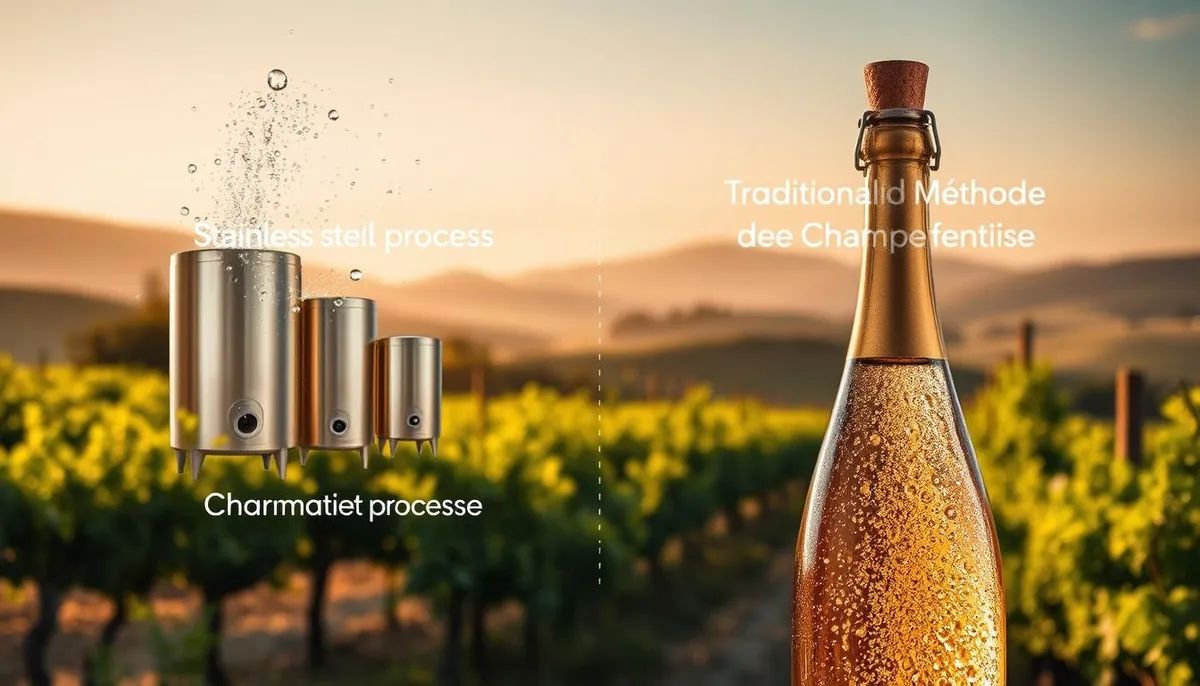
The Charmat method employs sealed stainless-steel tanks for its secondary fermentation. This process engenders a delicate pressure, safeguarding the wine’s aromatic freshness and floral nuances. It is the cornerstone for the zesty Glera grapes in Prosecco and the effervescent character of Lambrusco.
This technique births an effervescent, accessible sparkling wine dominated by notes of apple, pear, and citrus. Its efficiency keeps the price point appealing. These wines are best enjoyed fresh, lending themselves as perfect candidates for casual celebrations or as enjoyable alternatives to prosecco.
Bottle-fermented complexity, brioche, and fine mousse
In the traditional method, the secondary fermentation unfolds within the bottle, allowing the wine to mature on lees. This endows the wine with richness. Franciacorta epitomizes this with a mandatory aging of 18 months; it achieves a creamy texture, nuanced with brioche and nutty undertones, alongside citrus and almond layers.
Through riddling and disgorgement, the wine attains its polished clarity and texture, while dosage tailors its sweetness. These sophisticated sparkling wines are a testament to culinary elegance. They emerge as distinguished alternatives to champagne, celebrated for their capacity to elevate dining experiences without crossing Italian borders.
What production method means for price and aging
Charmat method wines excel in affordability and are primed for immediate enjoyment. Their allure is in their unadulterated fruitiness and vivacity, hallmark traits of Italy’s sparkling wine tradition.
Conversely, traditional-method wines command higher prices due to the intricate production and aging processes they undergo. Yet, they offer rich rewards with time. As they age, their flavor profile deepens and the mousse becomes more refined, presenting a luxurious prosecco alternative for significant occasions and sophisticated pairings.
Terroir Across Italy: Regions That Shape the Sparkle
Italy’s diverse terrain, from cool hills to expansive river plains, directly influences the sparkle and flavor of its wines. Each region imparts distinct textures, fruity nuances, and mineral tones, guiding connoisseurs to the ideal Italian sparkling wine for any occasion. This diversity shapes our interpretation of spumante champagne in daily wine selections, despite variations in style and production methods. Additionally, the right new zealand wine accessories can enhance the experience, making it even more enjoyable.
Veneto’s hills for crisp Prosecco
The UNESCO-recognized Prosecco Hills of Conegliano Valdobbiadene and Asolo feature unique conditions. Here, elevation, breezes, and significant temperature swings allow Glera grapes to develop vivid acidity alongside pear, apple, and citrus flavors.
Cartizze’s steep vineyards impart additional ripeness and complexity. Thus, many connoisseurs prefer this area for spumante champagne-like effervescence, perfect for aperitifs and celebrations.
Lombardy’s mineral depth in Franciacorta
Franciacorta’s glacial soils and lake effects create wines of remarkable focus and tension. Through metodo classico and prolonged lees aging, Chardonnay, Pinot Noir, and Pinot Bianco varietals achieve an exquisite mousse.
This technique produces a sophisticated, savory profile distinguishing these wines as premier examples of Italian sparkling wine, offering a refined alternative to more fruit-forward styles.
Piedmont and Emilia-Romagna for Asti and Lambrusco
Piedmont’s sunny slopes elevate Moscato grapes, resulting in Asti Spumante. This wine, with its floral aroma, peach notes, gentle sweetness, and low alcohol content, is perfect for brunch or an afternoon interlude.
In Emilia-Romagna, fertile lands give rise to various Lambrusco grapes—Grasparossa, Sorbara, Salamino, and Maestri. The resulting wines range from dry and savory to sweet, showcasing vibrant red fruits. Such diversity enhances spumante champagne’s significance for everyday wine enthusiasts.
| Region | Key Zones & Grapes | Terroir Signature | Style & Method | Notable Producers |
|---|---|---|---|---|
| Veneto | Conegliano Valdobbiadene DOCG, Asolo DOCG; Glera | Cool hills, big diurnal shifts, limestone–marl | Brisk, fruit-forward; Charmat for clean aromatics | Nino Franco, Bisol, Adami, Villa Sandi |
| Lombardy | Franciacorta DOCG; Chardonnay, Pinot Noir, Pinot Bianco | Glacial moraines, mineral-rich soils, lake influence | Structured, creamy mousse; Traditional method with lees aging | Ca’ del Bosco, Bellavista, Barone Pizzini, Contadi Castaldi |
| Piedmont | Asti DOCG; Moscato Bianco | Sunny slopes, calcareous marl, aromatic lift | Fragrant, lightly sweet; Tank-fermented at low temps | Vietti, Ceretto, Michele Chiarlo, Contratto |
| Emilia-Romagna | Lambrusco di Sorbara, Grasparossa di Castelvetro; Lambrusco varieties | Alluvial plains, fertile soils, river breezes | From dry and savory to off-dry; Charmat and ancestrale | Cleto Chiarli, Medici Ermete, Cantina della Volta, Cavicchioli |
Exploring these landscapes, enthusiasts will find diverse profiles suited to any occasion—from casual aperitivos to mineral-rich selections or festive, vivid reds. This versatility ensures Italian sparkling wines maintain their presence on dining tables throughout the year. Moreover, it solidifies their status among the finest Italian sparkling selections, frequently categorized under spumante champagne by regular consumers. Additionally, for those looking to personalize their celebrations, champagne bottle engraving services offer a unique touch to enhance the experience.
Tasting Notes: Choosing Your Ideal Bubbly Wine
Refine your sparkling wine choice with tasting cues that target mood and occasion. Each bubbly wine sip distinctively showcases fruitiness, textural complexity, and a sweetness spectrum. This approach aids in identifying the most fitting spumante champagne for any event.
Prosecco: green apple, pear, citrus, floral lift
Anticipate the crispness of green apples, the ripeness of pears, and the brightness of citrus. A gentle mousse maintains its freshness, accompanied by a subtle floral lift that adds levity and enjoyment. The inclusion of Pinot Noir in Rosé Prosecco introduces soft berry nuances and heightened aromatic intensity.
This profile is best aligned with informal celebrations and light fare. Opt for this sparkling wine to add a genial, fruit-forward touch to your repertoire, ensuring a clean and refreshing finish.
Franciacorta: brioche, almond, lemon zest, texture
The traditional method employed in crafting Franciacorta yields complexity—notes of brioche, toasted almonds, and sharp lemon zest. This results in a multi-layered texture, exquisitely fine bubbles, and a palate that resonates with savory depth.
Choosing a brut style presents a streamlined and refined experience, whereas extra brut offers a bolder statement. Should your benchmark for the apex spumante champagne embody elegance and structured finesse, Franciacorta consistently reaches this pinnacle with grace.
Asti Spumante and Lambrusco: peachy sweetness to red-fruit zing
Asti Spumante entices with its peach, apricot, honey, and orange blossom notes. It’s marked by low alcohol content, sweetness, and a light, effervescent quality suited for appetizers or dessert pairings.
Lambrusco exhibits a dynamic range from dry to sweet, featuring cherry, strawberry, and watermelon in its more mature expressions, while adopting earthy and mineral nuances in its drier variants. This flexibility enhances a sparkling wine assortment, appealing to those who value vibrant, versatile, and gastronomy-compatible bubbly wines.
| Style | Key Aromas & Flavors | Texture & Sweetness | Best Uses | Quick Tip |
|---|---|---|---|---|
| Prosecco | Green apple, pear, citrus, floral notes | Light body, creamy mousse, mostly Brut/Extra Dry | Toasts, casual sipping, light appetizers | Rosé Prosecco adds subtle berry tones |
| Franciacorta | Brioche, almond, lemon zest, mineral lift | Fine bubbles, layered texture, Brut to Extra Brut | Refined dinners, seafood, creamy dishes | Choose non-vintage for freshness, vintage for depth |
| Asti Spumante | Peach, apricot, honey, orange blossom | Soft mousse, sweet, low alcohol | Aperitif, fruit desserts, light cakes | Chill well to balance sweetness and perfume |
| Lambrusco | Cherry, strawberry, watermelon; earthy in dry styles | Vivid bubbles, from dry to sweet | Pizza, cured meats, hearty pasta | Seek secco for savory dishes, amabile for fruit-driven zest |
Food Pairings That Elevate Sparkling Wine from Italy
Great pairings enhance every sip of wine. In the realm of Italian sparkling wine, texture, saltiness, and spiciness are key. Fresh flavors are used to slice through fat, while effervescence uplifts umami. Sweetness, on the other hand, tempers spiciness. These pointers not only refine your food and wine pairing skills but also aid in selecting an outstanding Italian sparkling wine or an intelligent prosecco substitute for dining occasions. For those interested in bulk purchasing, exploring champagne wholesale quotes can provide valuable insights and options.
Prosecco with appetizers, seafood, and salads
Prosecco is ideal at a meal’s commencement. Harmonize it with prosciutto di San Daniele, burrata, or marinated olives. The vibrant effervescence acts as a palate cleanser with every bite.
When considering seafood, combine it with oysters, shrimp cocktail, or smoked salmon. Its crispness accentuates lemon-infused dressings and herbal salads. Even roast chicken or turkey breast is a fit, given their subtle flavors and tender textures. For those seeking alternative options within Italian sparkling wines, Conegliano Valdobbiadene’s Glera blends provide an elevated experience.
Franciacorta with risotto, creamy cheeses, and seafood
Franciacorta, crafted via the traditional method, complements heartier dishes. Opt for Brut varieties alongside saffron risotto, mushroom risotto, or lobster ravioli. Its delicate mousse and subtle notes of brioche seamlessly navigate through creamy textures while elevating umami flavors.
This wine excels with taleggio, robiola, and Parmigiano-Reggiano cheeses, enhancing grilled branzino or seared scallops. In Lombardy, pairing it with Rovato beef cooked in oil demonstrates how its acidity and bubbles meticulously cleanse the palate. For an exceptional Italian sparkling wine experience, pursue well-aged cuvées that harmonize toasted and citrusy undertones.
Asti Spumante for desserts and spicy cuisine; Lambrusco for pizza and pasta
Asti Spumante, with its sweet, subdued alcohol content, complements fruit tarts, panna cotta, and tiramisu. Its effervescence carrying a hint of peach also provides respite from the heat in Thai or Korean dishes that feature chili and ginger. Avoid pairing it with dark chocolate, as its overwhelming sweetness could detract from the wine’s delicate balance.
Lambrusco introduces a lively red-fruit zest to pizza Margherita, lasagna, and tagliatelle al ragù. Its affinity for grilled sausages, mortadella, and salty Parmigiano-Reggiano is notable. For those in search of a prosecco substitute for tomato-based dishes, a dry Lambrusco represents a wise, culinary-driven selection within the spectrum of Italian sparkling wines.
Quick tip: Seek harmony—let saltiness welcome acidity, creaminess beckon fine bubbles, and spiciness mingle with soft sweetness. Incorporating wedding champagne quotes can also enhance the celebratory atmosphere. This approach ensures that an exceptional Italian sparkling wine transforms any meal into an unforgettable experience.
Quality Cues: DOC/DOCG, Prosecco Superiore, and Sustainable Producers
Italian sparkling wines offer distinctive signs of their origin and craftsmanship. These cues can guide enthusiasts to exceptional Italian sparklers, presenting qualities that can match the best in spumante champagne in both precision and depth.
Reading Italian labels: DOC vs. DOCG
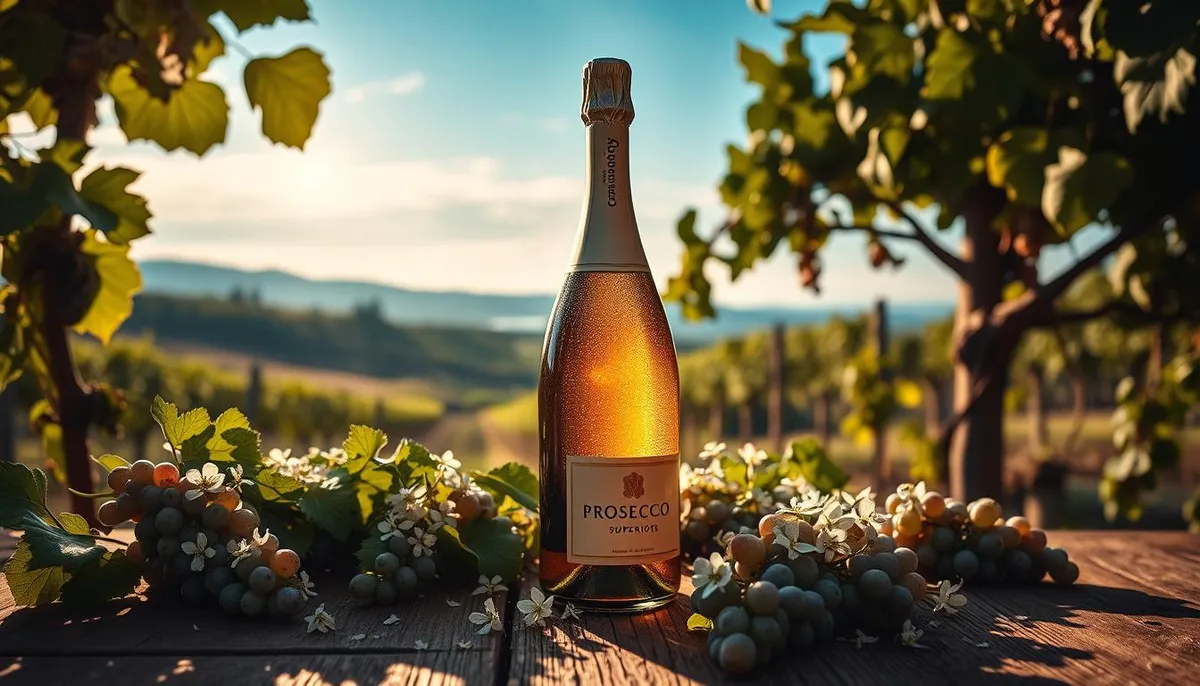
The DOC designation signifies a wine’s specific region and production method. The addition of the G in DOCG indicates stricter regulations, assured origin, and quality control through tasting panels. This often results in a more distinct terroir expression and consistent quality year after year.
When curating a sparkling wine selection, look for terms like Millesimato, which denotes vintage wines, and Rive, indicating wines from specific slopes in the Prosecco Superiore region. These terms are crucial for assessing style and value in comparison to top spumante champagnes.
Conegliano Valdobbiadene and Cartizze highlights
For elegant effervescence and freshness, seek out Conegliano Valdobbiadene Prosecco Superiore DOCG. Asolo Prosecco Superiore DOCG is notable for its mineral nuances and crispness, enhancing any culinary experience.
The Cartizze subzone within Conegliano Valdobbiadene stands out for its concentrated flavors, silky mouthfeel, and enduring aromatic profile. It sets the standard for superior Italian sparkling wines, suited for festive occasions and sophisticated tastings, including a los angeles event display that showcases the best of these exquisite offerings.
Why small, sustainable producers matter
The industry’s rapid expansion led to variability in quality, but small family-run estates prioritize soil vitality and the authenticity of taste. Opt for wines from vineyards with clear sustainability credentials or detailed vineyard practices for a more informed purchase.
In France, models such as RM and SR on Champagne labels highlight similar philosophies. This mindset is applicable in Italy, elevating artisanal spumantes over industrial productions by valuing meticulous agriculture and winemaking techniques.
| Quality Cue | What It Signals | Regional Examples | Taste Expectations | Buying Tip |
|---|---|---|---|---|
| DOC vs. DOCG | DOCG adds stricter rules, origin checks, and tasting approval | Prosecco DOC; Conegliano Valdobbiadene DOCG; Asolo DOCG | DOCG often shows finer bubbles and clearer terroir lines | Prioritize DOCG when comparing with best spumante champagne |
| Prosecco Superiore | Hillside vineyards and lower yields for precision | Conegliano Valdobbiadene; Asolo | Citrus, pear, floral lift; crisp, elegant finish | Seek Rive or Millesimato for top Italian sparkling wine |
| Cartizze | Prestige subzone with concentrated fruit | Valdobbiadene (Cartizze) | Silky texture, layered aromatics, long finish | Ideal for gifting within a curated sparkling wine selection |
| Sustainable Farming | Soil care, lower inputs, and vineyard transparency | Hillside sites across Veneto and Asolo | Purity of fruit, balanced acidity, consistent quality | Favor small growers; parallel to artisanal, grower Champagne |
Premium Champagne Alternative: When to Choose Franciacorta
Seeking an alternative to premium champagne that embodies both complexity and refinement? Franciacorta mirrors the craftsmanship of Champagne while infusing the unmistakable character of Italian terroir. Crafted in Lombardy using varietals such as Chardonnay, Pinot Noir, and Pinot Bianco, its production adheres to the methode traditionnelle. A minimum of 18 months aging on lees imparts a sophisticated mousse, accompanied by brioche and almond nuances, complemented by vibrant citrus and a refined texture.
Opt for Franciacorta when your events demand sophistication and a distinct touch. This sparkling wine excels in taste evaluations and presents a spectrum of sweetness levels, ranging from extra brut to demi-sec. Its poised structure and harmonious balance are perfectly suited to luxurious seafood, sumptuous butter-poached lobster, and meticulously curated dishes.
Distinct from tank-fermented alternatives, bottle aging endows Franciacorta with enhanced longevity and complexity. This depth enriches celebrations of significance—be it engagements, product launches, or festive gatherings—while retaining the exuberant essence celebrated in spumante champagne. For those looking to elevate their celebrations, champagne-themed engagement gifts can add a special touch to these momentous occasions.
Food pairing ideas:
- Oysters, crudo, and sushi for a saline, citrus snap
- Risotto with Parmigiano Reggiano or truffle for creamy harmony
- Roast chicken or seared scallops to spotlight texture and lift
Esteemed producers such as Ca’ del Bosco, Bellavista, and Guido Berlucchi exemplify this category’s versatility. Their unique approaches to lees aging and vineyard selections provide an Italian sparkling wine capable of rivaling the most renowned French labels.
Whether your preference is a bone-dry cuvée for the raw bar or a luscious style to accompany rich dishes, Franciacorta delivers both precision and elegance. It represents a discerning choice for those seeking a champagne alternative that celebrates Italy’s viticultural heritage, ensuring your festivities remain both animated and indelible. For those looking to elevate their celebrations, incorporating party decor ideas can further enhance the festive atmosphere.
How to Serve, Open, and Store Your Bubbly Like a Pro
Transforming a good bottle into a remarkable experience hinges on perfect service. Be it a brunch affair with bubbly wine or an evening celebration highlighted by a premier Italian sparkling wine, selecting the sparkling wine meticulously becomes paramount. The key lies in serving it chilled, using suitable glassware, and handling with care.
Ideal serving temperature and quick-chill tips
Targeting around 45°F is ideal to ensure the wine’s texture remains crisp and its mousse active. For a quick chill, submerge the bottle in an ice and water mixture for about 20 minutes. Alternatively, refrigerating it for 3–4 hours also achieves the desired chill.
While short-term refrigerator storage is acceptable, safeguarding the bottles from light and severe temperature fluctuations is crucial. This is to maintain the delicate aromas that characterize both any sparkling wine and the distinguished top Italian sparkling wines.
Safe opening: from “sigh” to pour
Begin by removing the foil and covering the cork with a towel before loosening the wire cage. When opening, it’s critical to hold the cork steady while twisting the bottle. This technique eases the cork out with a gentle sigh, effectively managing the contained pressure of roughly 70 psi, consequently retaining the effervescence of the sparkling wine selection.
To pour, allow the wine to flow gently against the glass’s side, aiming to form a rich head without causing it to foam excessively. Approaching this step with a slow, steady hand ensures the bubbles are preserved.
Best glassware for persistent bubbles
Opting for tall flutes or tulip glasses is advisable to concentrate the wine’s aroma and sustain its effervescence; broad coupes that dissipate the fizz should be avoided. Moreover, ensuring the glasses are impeccably clean, devoid of any detergent residue or dust, is essential.
Utilizing crystal glasses can further augment the aroma experience. Additionally, a subtle etched “X” at the base of the glass may serve to continuously encourage the ascent of bubbles, enhancing the enjoyment of a select Italian sparkling wine or any bubbly wine fit for celebration.
Saving leftovers with proper stoppers
To keep the sparkling wine fresh for subsequent enjoyment, sealing it with a Champagne stopper that securely locks under the rim is pivotal. This method effectively retains the carbonation and pressure, extending the wine’s vivacity into the next day.
Storing the resealed bottle upright in the refrigerator, shielded from light, is recommended. To ensure the wine maintains its optimal character, consuming it within 24 hours is advisable.
| Step | Key Action | Why It Matters | Pro Tip |
|---|---|---|---|
| Chill | Serve near 45°F | Sharper acidity and fine mousse | Ice-water bath for 20 minutes beats freezer risk |
| Open | Towel over cork; twist bottle | Controls ~70 psi and saves bubbles | Aim for a soft “sigh,” not a pop |
| Glass | Use flutes or tulips | Preserves effervescence and aroma | Spotless glass; avoid coupes |
| Pour | Tilt glass; slow stream | Reduces foam and loss of CO₂ | Top up in small passes |
| Store | Champagne stopper and fridge | Keeps pressure for next day | Finish within 24 hours |
Where to Buy and Export: Best Spumante and Champagne Selections
For U.S. buyers seeking to refine their sparkling wine offerings, our curated sourcing and export-ready logistics streamline the process. From sourcing in the cellar to the final celebration, our team aligns with your stylistic preferences, budgetary constraints, and timing requirements. Whether your need is for everyday spumante champagne toasts or for celebrating significant occasions with a high-end champagne substitute, we cater to all. Additionally, we provide guidance on us champagne import regulations to ensure compliance and smooth transactions.
Expect fast quotes, insured shipping, and compliance support for smooth delivery to your door.
Looking for Champagne? We’ve got you covered
Our selections include Grandes Marques and renowned houses like Bollinger, Krug, and Laurent-Perrier, alongside Moët & Chandon, G.H. Mumm, and many others. For those preferring domestic options with French heritage, explore Domaine Chandon or Mumm Napa, among others, as well as various brazilian champagne brands that are gaining popularity.
Each bottle is meticulously produced by the traditional method. This technique ensures a refined mousse, multi-layered flavors, and a capacity for aging. These characteristics make our offerings appealing to collectors and to those seeking exemplary spumante champagne counterparts.
Discover the finest selections, ready to be exported worldwide
Our collection extends to Franciacorta, celebrated for its traditional-method production and extended lees aging, and Prosecco Superiore DOCG from renowned regions including Conegliano Valdobbiadene. Additionally, our portfolio features distinctive Lambrusco and Asti Spumante. Each selection is rigorously vetted to ensure authenticity, production integrity, and producer credibility.
This curated selection harmoniously merges fruit-driven allure with structured, culinary styles providing a sophisticated champagne alternative without compromise.
Request your personalized quote today at https://champagne-export.com
Inform us of your financial plan, preferred grape varieties, and desired sugar content. We will customize a selection across Champagne and Italy, elucidate DOC/DOCG standards, and outline transportation timelines. This ensures a cohesive plan that accommodates both immediately enjoyable cases and selections worthy of cellar aging.
Need tasting notes or pairing tips? Ask for side-by-side comparisons to guide a confident choice.
Smart shopping: styles, budgets, and occasions
- Casual gatherings: fresh, tank-fermented Prosecco for spritzes and brunch.
- Food-focused dinners: Lambrusco or brut spumante champagne with pizza, charcuterie, and pasta.
- Milestone events: traditional-method Champagne or Franciacorta for texture, length, and aging.
- Value plays: target growers and cooperative standouts for the best spumante champagne in mixed cases.
| Occasion | Style & Region | Notable Producers | Method | Why It Fits |
|---|---|---|---|---|
| Weeknight Aperitif | Prosecco Superiore DOCG (Conegliano Valdobbiadene, Asolo) | Adami, Nino Franco, Bisol, Col Vetoraz | Charmat/Tank | Crisp fruit, lively bubbles, great value for a broad sparkling wine selection |
| Pizza & Pasta Night | Lambrusco (Emilia-Romagna) | Cleto Chiarli, Medici Ermete | Charmant/Traditional | Dry to off-dry reds with lift; versatile and budget-friendly |
| Dessert & Spice Pairing | Asti Spumante (Piedmont) | Cantine Bosca, Coppo | Charmat/Tank | Moscato aromatics and gentle sweetness that complement heat and sweets |
| Milestones & Gifting | Champagne (France) | Krug, Louis Roederer, Ruinart, Veuve Clicquot | Traditional | Iconic houses, depth and finesse; benchmark choice |
| Premium Champagne Alternative | Franciacorta (Lombardy) | Ca’ del Bosco, Bellavista, Barone Pizzini | Traditional | Lees-aged complexity and elegance rivaling top Champagne |
Conclusion
Spumante champagne embodies a world of subtlety and distinction. With Prosecco, you encounter a lively crispness. Franciacorta brings a complex, layered experience. Asti Spumante offers a sweet, floral note, while Lambrusco presents a savory effervescence. The production method—whether Charmat for vibrant fruitiness or Traditional for delicate bubbles and toastiness—alongside the influence of terroir and native grapes, defines each style. For those interested in a deeper understanding, champagne types explained can enhance your appreciation of these sparkling wines.Geographical origins are crucial. Champagne, for instance, is exclusively from France’s Champagne region. Italy’s DOC and DOCG certifications assure sparkling wines of superior quality and traceable origins.
To enhance the experience, proper service is key. Chill the wine to precisely 45°F, then gently open to a soft “sigh.” Serve in flutes or tulips to preserve the effervescence. For any remaining wine, a robust stopper and refrigeration maintain its crisp texture and aromatic purity. These practices are equally beneficial for an everyday Prosecco or a special Franciacorta.
The occasion dictates the choice. For events that demand refinement and Italian flair, Franciacorta is unmatched. For vibrant and fruity gatherings, opt for Prosecco or Lambrusco. Asti Spumante pairs excellently with fruit tarts, gelato, or fiery cuisine. Understanding the production techniques, regions, and certifications empowers you to navigate the complexities of spumante champagne, ensuring a delightful tasting experience with Italian sparkling wines. Additionally, global new year celebrations often feature these exquisite wines, making them a perfect choice for festive toasts.Are you prepared to delve further or replenish your stock? Explore our handpicked Champagne assortments and export options, designed for any budget and event. Experience a high-end vending experience with our tailored quote to simplify your planning process.
FAQ
What does “spumante champagne” mean in the U.S. and is it the same as Champagne?
In the U.S., “spumante champagne” refers to Italian sparkling wine. Authentic Champagne only originates from France’s Champagne region. It mandates the use of Chardonnay, Pinot Noir, and Pinot Meunier. These grapes are processed using a traditional method. Italian spumante, however, encompasses sparkling wines from regions like Veneto and Lombardy. Each reflects Italy’s unique viticultural heritage, differing significantly from French Champagne.
How does spumante differ from frizzante?
Spumante and frizzante signify levels of effervescence in wine. Spumante boasts pronounced, enduring bubbles, a result of comprehensive secondary fermentation. Conversely, frizzante features a milder effervescence, typically achieved through a singular fermentation process. Varietals such as Prosecco and Lambrusco embody both styles. Moscato d’Asti commonly exhibits a frizzante nature, characterized by its lower alcohol content.
Can you explain the sweetness scale from extra brut to doux?
The spectrum of sweetness in Italian spumante and Champagne spans from extra brut to doux. Dosage post-disgorgement determines the residual sugar. Extra brut represents the driest category, containing up to 6 g/L of sugar. Doux, the sweetest option, starts from approximately 50 g/L. This gradation allows for pairing with various dishes, from savory to sweet.
What are Italy’s main sparkling wine styles I should know?
Italy’s sparkling wine repertoire is built on four primary styles. Prosecco is known for its fresh, fruit-forward personality. Franciacorta offers complexity after aging on lees for over 18 months. Asti Spumante brings a sweet and aromatic profile. Lambrusco ranges from dry to sweet, offering diversity. Each style showcases a particular grape, method, and regional influence, reflecting Italy’s rich viticultural landscape.
Why is Franciacorta often called a premium Champagne alternative?
Franciacorta earns acclaim as a superior Champagne alternative due to its crafting technique. It matures on lees for a minimum of 18 months. This imparts a fine mousse plus a layer of complexity reminiscent of brioche and almonds. Produced in Lombardy, it utilizes Chardonnay, Pinot Noir, and Pinot Bianco. Franciacorta stands toe-to-toe with French Champagne in professional assessments, celebrated for its depth and craftsmanship.
How is Prosecco made and which areas signal top quality?
Prosecco’s creation involves the Charmat method, emphasizing freshness and floral notes. The highest calibre within Prosecco emanates from DOCG areas. Notably, Conegliano Valdobbiadene Prosecco Superiore DOCG and Asolo Prosecco Superiore DOCG mark excellence. Cartizze, a revered sub-zone, is renowned for superior quality, merging concentration with finesse.
What’s the difference between Charmat (tank) and traditional (bottle) fermentation?
Charmat and traditional methods distinctively influence wine profiles. Charmat yields vibrant, fruit-forward wines through pressurized tank fermentation. It’s appreciated for its accessibility and immediate enjoyment. Traditional bottle fermentation, however, enriches wine with complexities and a refined effervescence. This method underscores the artisanal aspect, thereby commanding higher prices due to the labor and time invested.
Which Italian regions shape these sparkling styles?
Veneto, Lombardy, Piedmont, and Emilia-Romagna are pivotal to Italy’s sparkling wine narrative. Veneto’s Prosecco resonates with crispness. Lombardy’s Franciacorta contributes mineral complexity. Piedmont’s Asti Spumante introduces aromatic sweetness. Finally, Emilia-Romagna’s Lambrusco varies from savory to sweet, portraying a dynamic flavor spectrum inherent to Italian sparkling wines.
What tasting notes should I expect from top Italian sparkling wines?
Each Italian sparkling wine presents a unique array of flavors. Prosecco dazzles with notes of green apple and white flowers. Franciacorta captivates with brioche and citrus zest. Asti Spumante is lush with peach and honey nuances. Lambrusco traverses from red fruit to savory depths. These profiles embody the rich diversity and craftsmanship of Italy’s sparkling wine tradition.
How do I pair Italian sparkling wine with food?
Pairing Italian sparkling wines with food enhances both the beverage and the meal. Prosecco complements lighter fare and casts a sparkle in cocktails. Franciacorta is the choice for seafood or creamy dishes. Asti Spumante excels alongside desserts. Lambrusco’s versatility makes it suitable for a spectrum of savory dishes, enriching the dining experience with its varied styles.
What do DOC and DOCG mean on Italian labels?
DOC and DOCG designate origin and quality levels within Italian winemaking. DOCG represents peak standards, emphasizing a strong bond to regional characteristics and craftsmanship rigor. Particularly for Prosecco, the Prosecco Superiore DOCG classification signals elevated quality, especially from zones like Conegliano Valdobbiadene and Asolo, with Cartizze standing out for its distinguished expressions.
Why choose small, sustainable producers?
Focusing on small, sustainable producers ensures wine of exceptional purity and consistency. This strategy mirrors the principles cherished by aficionados of grower Champagne, including georges laval champagne. It underscores a commitment to meticulous viticulture and low intervention, often yielding spumante of superior quality that reflects the integrity of its origin.
When should I pick Franciacorta over Prosecco?
What is the ideal serving temperature for sparkling wine? How do I chill it fast?
Ideal serving temperature is around 45°F. For rapid chilling, immerse the bottle in a mix of ice and water for about 20 minutes. Alternatively, refrigerating it for several hours is effective. Store bottles in dark, stable environments to preserve quality.
How do I open a bottle safely and preserve the bubbles?
To safely open a bottle, cover it with a towel and loosen the cage without removing it entirely. Hold the cork firmly, rotating the bottle gently until it releases with a soft “sigh.” Serve immediately in pristine flutes to appreciate the effervescent quality. Secure any unfinished wine using a specialized Champagne stopper for optimal preservation.
Which glasses are best for Italian sparkling wine?
Opt for tall flutes to observe the wine’s effervescence and nuanced aromas. Coupes should be avoided as they hasten the loss of bubbles. Ensure the glasses are impeccably clean to avoid diminishing the wine’s vibrancy; a finely etched bottom can also enhance the release of bubbles, elevating the experience.
Where can I buy top Italian spumante and French Champagne for export?
Select from a comprehensive range of top-tier Italian spumante and illustrious French Champagne brands. Our curated offerings include everything from Prosecco Superiore DOCG to renowned Champagne makers. For those in the U.S. or needing international shipping, our collections aim to bridge the gap between celebrated cellars and global celebrations, including insights into the international champagne trade.
Do you offer personalized recommendations and export-ready options?
Yes. Explore our premium selections poised for global export, encompassing renowned Franciacorta, Prosecco Superiore DOCG, and distinctive Lambrusco. Each selection is curated to accommodate diverse preferences, budgets, and occasions. For personalized guidance and quotations, visit https://champagne-export.com.
How do I shop smart for sparkling wine based on occasion?
Selecting sparkling wine entails matching the wine’s character with the occasion. Charmat-method wines, known for their fruitfulness, suit casual events. Traditional-method wines, offering complexity, are apt for significant celebrations. Consider the event’s nature and accompanying dishes to choose a wine that complements the moment perfectly.
What are some “best spumante champagne” picks to start with?
Begin with Conegliano Valdobbiadene Prosecco Superiore DOCG for its refined crispness. Cartizze epitomizes richness, while Franciacorta Brut stands out for its Champagne-esque sophistication. Include Asti Spumante for sweet moments and a dry Lambrusco for savory pairings. These selections offer a well-rounded repertoire for diverse preferences and budgets.