Looking for clear steps on legal entry and compliance? This guide outlines the essentials for bringing sparkling wine products from third countries under Commission Regulation (EC) No 555/2008 and local rules set by the Estonian Alcohol Act.
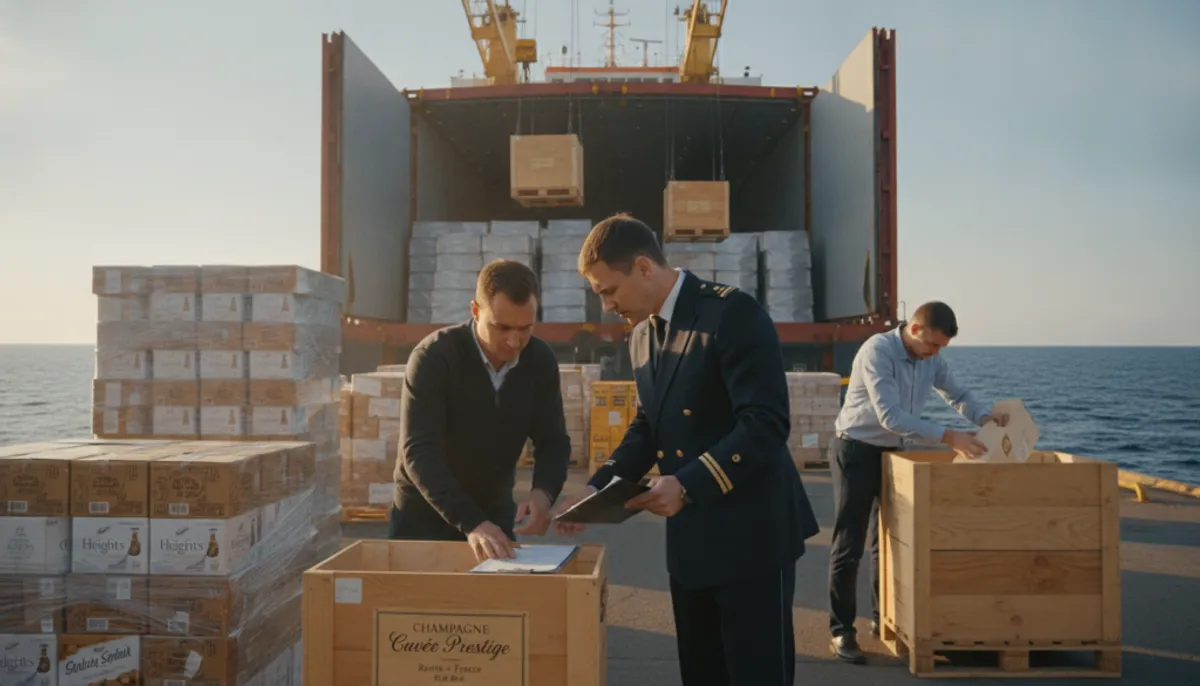
We explain how customs declarations, excise duty and VAT affect the movement of goods, and what documents and certificates you need for smooth entry. Our approach keeps the process practical for any person or business handling alcohol.
From registration to final delivery, you’ll learn how free circulation, quantity checks and value reporting help avoid delays. If you want tailored support, request your personalized quote at https://champagne-export.com and let experts handle customs board steps and tax customs obligations.
Key Takeaways
- Understand Commission Regulation (EC) No 555/2008 and the Estonian Alcohol Act requirements.
- Prepare accurate customs declarations and certificates before shipment.
- Plan for excise duty, VAT and duties to prevent unexpected costs.
- Manage quantities, value and registration to satisfy the Tax Customs Board.
- Use expert support to keep goods in free circulation and speed up entry.
Understanding the Regulatory Landscape for Importing Champagne into Estonia
A clear legal roadmap helps businesses avoid delays when bringing wine and other alcohol products from a third country. Follow EU rules first, then match national requirements, including tariffs on imported alcohol, so your goods move through customs without surprises.
Compliance with European Union Law
Commission Regulation (EC) No 555/2008 sets the legal basis for wine coming from third countries. This european union rule controls labeling, certificates, and standards that affect entry and duties.
Adhering to the Estonian Alcohol Act
The Estonian Alcohol Act requires that every person or business handling alcohol complete registration in the MTR. Proper registration ensures correct excise treatment and keeps goods in free circulation.
- Follow EU regulations first, then meet national checks for customs and duties.
- Record the movement of goods and declare value accurately to avoid fines.
- Know special rules for tobacco and alcohol when you plan cross-border trade.
Looking for Champagne? We’ve got you covered. Discover premium selections and request a personalized quote today at https://champagne-export.com to streamline your export process.
Establishing Your Estonian Business Entity
Forming an Osaühing (OÜ) is the standard route for handling goods from outside european union. A local private limited company gives you a legal base to manage products, duties and tax customs obligations.
We guide clients through company registration and make sure the plan matches the Tax Customs Board requirements. This helps avoid delays when you declare alcohol or tobacco and prepares you for excise duty and VAT tasks.
- Set up an OÜ that lists the correct business activities for customs board reporting.
- Coordinate registration documents with the tax customs board to reflect trade in goods.
- Get help calculating expected duties and tax customs filings so your operations start cleanly.
Looking for Champagne? We’ve got you covered. Discover the finest selections, ready to be exported anywhere in the world. Request your personalized quote today on https://champagne-export.com.
Mandatory Registration in the Majandustegevuse Register
The Majandustegevuse Register (MTR) is the central register where alcohol traders must record their activities before goods move freely. Mandatory registration gives the Tax and Customs Board a clear view of who handles regulated products and how they will be declared.

Proper registration prevents delays at entry and helps with customs declaration and excise handling. A person or company that plans to import must list activities, storage locations, and expected quantities in the register.
Utilizing E-residency for Digital Registration
E-residency lets foreign entrepreneurs complete the MTR process online. This digital route speeds up compliance and keeps your register entries accurate and auditable.
- Register first to allow free circulation of goods without extra holds.
- Record quantity and batch details so declarations match physical stock.
- Include tobacco or alcohol products in your profile to meet legal checks.
| Step | Action | Typical Time |
|---|---|---|
| 1 | Complete e-residency ID and company details in MTR | 1–3 days |
| 2 | Declare planned goods, quantities, and storage | 1–2 days |
| 3 | Receive confirmation and prepare customs declaration | Same day after approval |
| 4 | Begin legal entry and circulation of stock | Varies by shipment |
Looking for Champagne? We’ve got you covered. Discover the finest selections, ready to be exported anywhere in the world. Request your personalized quote today on https://champagne-export.com.
Selecting a Compliant Excise Warehouse Partner
Working with an approved excise warehouse makes handling alcoholic products much simpler. A compliant partner secures your goods under excise suspension and manages the legal steps needed for sale.
Benefits of Excise Duty Suspension
Excise suspension lets you defer duty until stock leaves the warehouse for sale. This improves cash flow and reduces upfront tax burden for new shipments.
Using suspension correctly also minimizes immediate VAT and duty payments, giving your business more flexibility when you import and store goods.
Professional Storage and Logistics Services
Professional warehouses handle customs clearance through the Estonian IMPULS system and ensure registration, records, and checks follow local regulations.
- Choose a partner that is fully registered and compliant with national regulations for alcohol and tobacco storage.
- Make sure the warehouse can clear goods with IMPULS and file required customs notifications.
- Confirm the provider assists with duty and VAT reporting so you avoid costly mistakes.
Looking for Champagne? We’ve got you covered. Discover the finest selections, ready to be exported anywhere in the world. Request your personalized quote today on https://champagne-export.com.
Navigating Customs Declarations and Documentation
A correct customs declaration prevents hold-ups and costly corrections at the border for your wine shipments.
VI1 certificate: The VI1 certificate is mandatory for most wine from third countries. Include it with your shipment to meet duty and excise checks.
National Alcohol Register Procedures
Register every product and person handling alcoholic beverages in the national alcohol register, which is crucial for the mexican beverage industry. The tax customs board uses this register to verify entry, circulation, and free circulation status.
Importance of Accurate Batch Identification
Customs declaration fields must list product type, producer, volume, alcohol content, batch ID and value. Accurate batch identification and litres help avoid inspections and fines.
- Prepare documents: VI1, commercial invoice, transport papers, and certificates.
- Record quantities: Match declared litres and quantities to physical goods.
- Seek help: Specialists can ensure correct entry into the system and smooth release into free circulation.
| Document | Includes | Who Verifies |
|---|---|---|
| VI1 Certificate | Wine origin, volume, producer | Customs / Tax Customs Board |
| Commercial Invoice | Value, product name, quantity | Customs |
| Batch Records | Batch ID, alcohol content, litres | National Alcohol Register |
Looking for Champagne? We’ve got you covered. Discover the finest selections, ready to be exported anywhere in the world. Request your personalized quote today on https://champagne-export.com.
Essential Labelling Requirements for Alcohol Products
Accurate labelling is the first line of defense when your products reach customs and local markets.
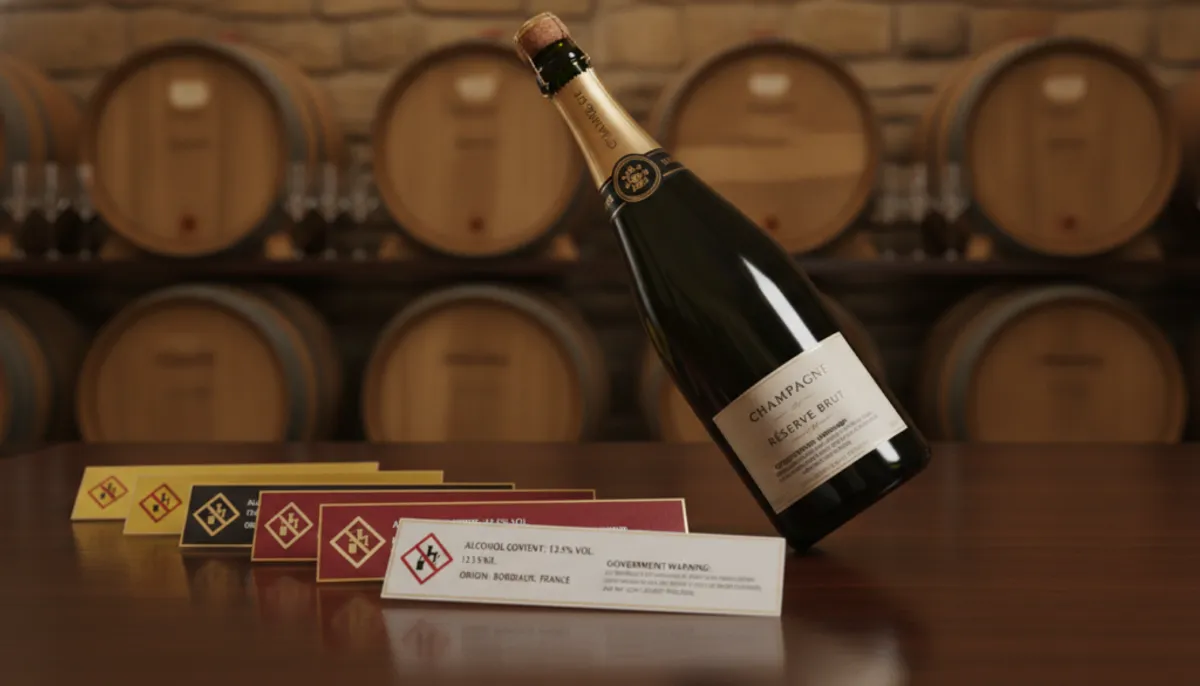
Estonian law and European Union regulations set clear rules for labels on alcohol, including champagne labelling requirements. Labels must show origin, volume, alcohol strength, and producer details.
Labels must also include consumer safety information in Estonian. This helps meet consumer protection standards and avoids delays at customs.
- We verify label text and layout so your goods display correct information.
- We handle product registration and confirm labels match national requirements before stock leaves the warehouse.
- We advise on labels for varied products, including alcohol and tobacco, to ensure full compliance.
Looking for Champagne? We’ve got you covered. Discover the finest selections, including options for a small order champagne, ready to be exported anywhere in the world. Request your personalized quote today on https://champagne-export.com.
| Requirement | Must Include | Who Checks |
|---|---|---|
| Product ID | Producer, batch, volume | Customs / Market Inspectors |
| Health & Safety | Allergens, alcohol strength | Consumer Protection Agency |
| Language | Estonian text for key information | Customs / National Authorities |
Calculating Excise Duty and Value Added Tax
Understanding duty rates and taxable value prevents surprises at customs and helps set profitable prices.
Excise duty is set per hectolitre and depends on the alcohol content of the product. For a quick example, a 0.75-litre bottle of wine at 12.5% alcohol incurs about €1.22 in excise duty.
VAT is 24% and is applied to the product value, shipping costs, and excise duty. That means your taxable value rises once duty and freight are added.
Get the numbers right: an accurate customs declaration and the correct certificate help the Tax Customs Board verify your values and clear goods into free circulation.
- Calculate excise per hectolitre, then convert to litres for SKU pricing.
- Include excise and shipping when you compute VAT.
- Record quantities, batch IDs, and value on every document to avoid delays.
Looking for Champagne? We’ve got you covered. Discover the finest selections, ready to be exported anywhere in the world. Request your personalized quote today on https://champagne-export.com.
Sourcing Premium Champagne for Global Export
A strong supply chain partner takes the guesswork out of export paperwork and duty planning.
Finding reliable suppliers and logistics teams is essential when you move high-value wine and related products across countries.
We help every person and business with registration, customs declaration and the excise duty calculations needed for smooth entry. Our team coordinates with the customs board and local partners so goods clear quickly.
- Product registration: we ensure each product is listed and matches label and batch records.
- Tax and duty support: we guide excise and duty handling to protect margins.
- Volume planning: we advise on quantities and storage to fit your market plan.
Looking for Champagne? We’ve got you covered. Discover the finest selections, ready to be exported anywhere in the world. Request your personalized quote today on https://champagne-export.com.
Conclusion
Use a step-by-step approach to keep excise, declaration and registration tasks under control.
Start with correct paperwork and a compliant partner to speed customs clearance and secure free circulation of your goods. Accurate value reporting cuts errors with the tax customs board and eases VAT and excise duty checks.
Make sure labels, batch IDs and the national registration match every declaration. A person or business that plans ahead will face fewer holds at entry and lower risk of fines.
Looking for Champagne? We’ve got you covered. Discover the finest selections, ready to be exported anywhere in the world. Request your personalized quote today on https://champagne-export.com.