The moment is ripe for American sparkling wine. When you explore the terms champagne american or american champagne, you uncover offerings that boast crisp fruit flavors, refined bubbles, and considerable depth. This guide directs you to superior alternatives to traditional champagne—carefully labeled as sparkling wine—to ensure your sipping experience is one of certainty and delight.
Merging blind tasting insights from Bon Appétit with storage recommendations from sommelier Victoria James, our guide aims to elevate your shopping prowess. It delivers lucid guidance on varieties, pricing, and label interpretation. It further illustrates the distinctive brilliance of champagne from the United States, spotlighting regions like Carneros, Russian River Valley, Willamette Valley, and New Mexico.
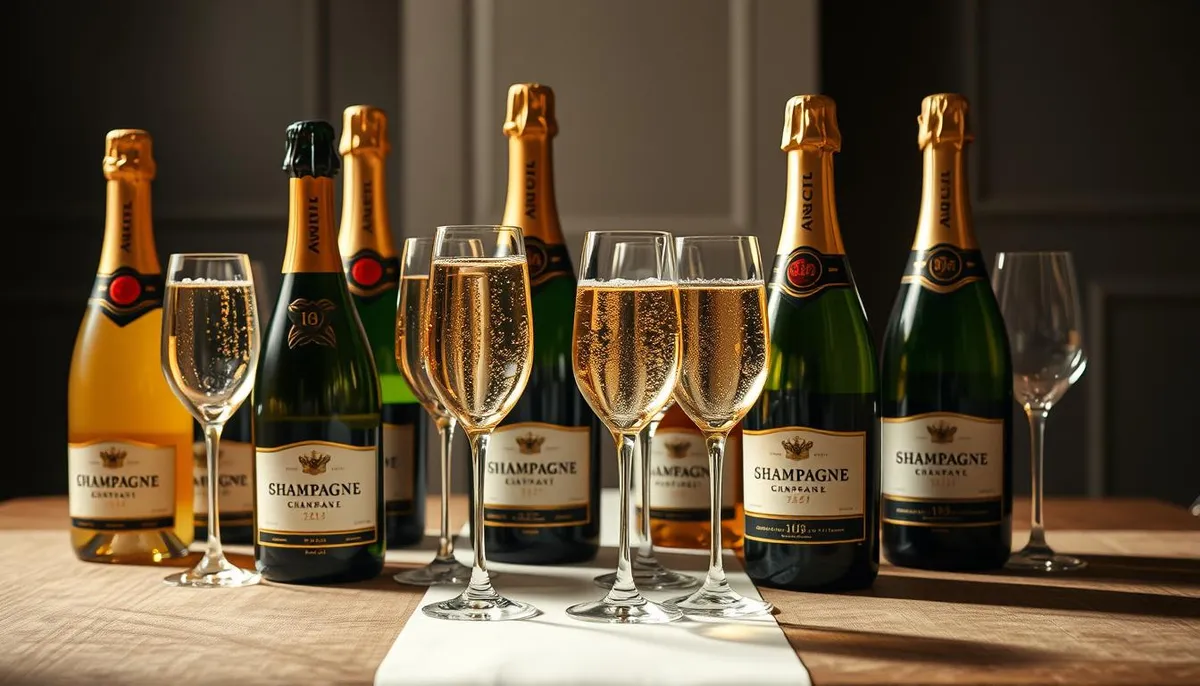
We highlight distinguished producers including Domaine Carneros, Roederer Estate, Schramsberg, Argyle, Iron Horse, Goldeneye, and Gruet. Discover the attributes that elevate the finest American champagne above the ordinary. These attributes encompass vibrant citrus, tart green apple, mineral intensity, and the lush notes of brioche resulting from prolonged lees aging. For those interested in international shipping, we offer pathways and the opportunity to request a personalized quote.
Key Takeaways
- American sparkling wine can rival top French bottles in quality and value.
- Seek trusted producers such as Domaine Carneros, Roederer Estate, Schramsberg, Argyle, Iron Horse, Goldeneye, and Gruet.
- Expect citrus, green apple, and mineral notes, with mousse ranging from brisk to creamy.
- Use expert tasting and storage tips to choose and serve with confidence.
- Regions across California, Oregon, New York, and New Mexico offer standout styles.
- For export needs, browse selections and request a quote at champagne-export.com.
What “Champagne” Means in America: Rules, Methods, and Labels
To delineate the substance of your glass, it’s crucial to understand the terminology. In the U.S., ‘champagne’ often describes sparkling wines utilizing similar varieties and methodologies, notwithstanding the absence of the protected French designation. U.S.-produced champagnes frequently mimic time-honored approaches, while some adopt contemporaneous techniques that better complement native varietals.
Knowing the rules helps you shop smarter. Notably, American champagnes hail from prestigious vineyards, with select heritage brands bearing the “California Champagne” moniker. Despite diverse nomenclature, most adhere rigorously to established vinification protocols, including practices that can lead to alcohol dehydration.
Champagne vs. American sparkling wine: AOC rules and méthode champenoise
The Appellation d’Origine Contrôlée (AOC) for Champagne, instituted in 1935, codifies both locality and vinification techniques. This region primarily cultivates Chardonnay, Pinot Noir, and Pinot Meunier grapes. It mandates secondary fermentation within the bottle and extensive lees aging, imparting distinctive brioche nuances.
American champagne producers are permitted to employ analogous classical processes. Numerous prestigious Californian and Oregonian wineries adhere to the méthode champenoise, albeit sometimes branding their products as “sparkling wine.”
Why only wine from Champagne can be labeled Champagne
The “Champagne” designation is a geographic indicator, exclusively reserved for the eponymous French region and its governed practices. Consequently, in America, products emulating this precise technique are generally labeled as sparkling wines.
This exclusivity maintains an unequivocal association between place and style. It correspondingly influences how American champagne entities delineate their offerings in the market, including fine champagne stores nyc.
The “California Champagne” loophole and what it means on shelves
A post–World War II treaty carved a specific concession for certain venerable labels to employ “California Champagne.” This designation persists among an array of bottles from established producers.
While this terminology does not alter the wine’s provenance, it denotes a conventional champagne style crafted within American legal confines, divergent from the French AOC specifications.
Label terms decoded: Méthode Traditionnelle, Charmat, Blanc de Blancs, Blanc de Noirs, NV
- Méthode Traditionnelle: Same in-bottle second fermentation as Champagne; usually finer bubbles and toasty complexity.
- Charmat: Tank method; brighter fruit, larger bubbles, often crisp and casual.
- Blanc de Blancs: From white grapes, often 100% Chardonnay; taut and citrus-driven.
- Blanc de Noirs: From Pinot Noir and/or Pinot Meunier; rounder texture and red-fruit tones.
- NV (Non-Vintage): A blend of years for consistent flavor and style.
| Term on Label | What It Means | Bubble Style | Flavor Signals | How It Guides Buying |
|---|---|---|---|---|
| Méthode Traditionnelle | In-bottle second fermentation | Fine, persistent | Brioche, citrus, mineral | Choose for classic US champagne structure |
| Charmat | Tank secondary fermentation | Livelier, larger | Fresh fruit, floral | Pick for easy-drinking, party-friendly bottles |
| Blanc de Blancs | White grapes, often Chardonnay | Delicate, precise | Lemon, green apple, chalk | Ideal for oysters and light fare |
| Blanc de Noirs | Pinot Noir/Meunier base | Creamier mousse | Red berries, pastry | Great with roast chicken or salmon |
| NV (Non-Vintage) | Blend of multiple harvests | Consistent year to year | Balanced house style | Reliable entry to american champagne brands |
The nuanced cues on labels empower consumers to discern American champagnes confidently. Whether seeking a Méthode Traditionnelle-crafted champagne, a vivacious Charmat pour, or even a portable champagne wall for their next event, labeling provides clarity on its creation and the anticipated palate experience.
How to Choose and Store U.S. Sparkling Wines Like a Pro
Embarking on the quest for the perfect bubbles becomes intuitive with expert guidance. Opting for American champagne for celebratory gatherings or selecting a superior variant for an intimate dinner requires a focus on production technique and intrinsic value. Wines crafted through the traditional method frequently surpass their price point in quality, while meticulous storage ensures their vibrancy is preserved. Additionally, incorporating heart health support into your diet can enhance your overall well-being while enjoying these delightful beverages.
Price cues: why sub-$45 true Champagne is rare, and how that compares to U.S. bubbly
Victoria James, a sommelier, highlights that the rarity of genuine Champagne below $45 stems from hefty import and manufacturing expenses. American alternatives that emulate Champagne without the steep price often excel in the under $50 range, particularly those from California employing the traditional method.
Exemplary values are not confined to coastal regions. New Mexico’s credible offerings frequently fall below $20, and California presents reliable selections under $25. For exceptional American champagne substitutes, scrutinize labels for méthode traditionnelle and seek esteemed producers such as Roederer Estate, Schramsberg, or Gruet.
Storage and service: ideal temperature, bottle position, and glassware
Position bottles laterally in a cool place, ideally around 55°F. This orientation safeguards the cork and maintains the wine’s freshness. For optimal enjoyment, ensure the wine is well-chilled prior to serving, harmonizing the bubbles, alcohol, and acidity.
While flutes enhance the retention of effervescence, a number of winemakers advocate for white wine glasses to capture expansive aromas. The choice of glassware should reflect the occasion: flutes for preserving bubbles, or broader glasses to appreciate the bouquet of American sparkling wines.
Tasting basics: bubbles, acidity, minerality, and leesy notes
Commence with observing the effervescence. The presence of fine, prickly bubbles in drier variants contributes to a refreshing crispness. Detect notes of sharp citrus, green apple, and a pronounced mineral streak that endures.
Layers of brioche, pastry, and understated yeast nuances emerge from prolonged lees aging, hallmarking the traditional crafting technique. These regal accolades of craftsmanship are often reflected in the complexities of American champagne alternatives, denoting meticulous maturation and expertise.
Spotting flaws: cork taint signs and exchange tips
Cork taint dulls the wine’s fruitiness, emitting odors akin to damp paper or musty cellars. Should a wine present these characteristics, cease pouring and trust your judgment.
Most reputable retailers offer an exchange for unopened bottles affected by cork taint. Retain your receipt, articulate the defect, and seek a replacement to ensure your subsequent selection of American sparkling wine fulfills its promise.
Regions Powering American Sparkling Wine
Wind-cooled vineyards give rise to the country’s most notable sparkling wines. Influenced by environmental elements from fog-laden areas to the luminous expanse of deserts, each origin imparts unique characteristics. Here, champagne, American style, is infused with the nuanced distinctions of its geography.
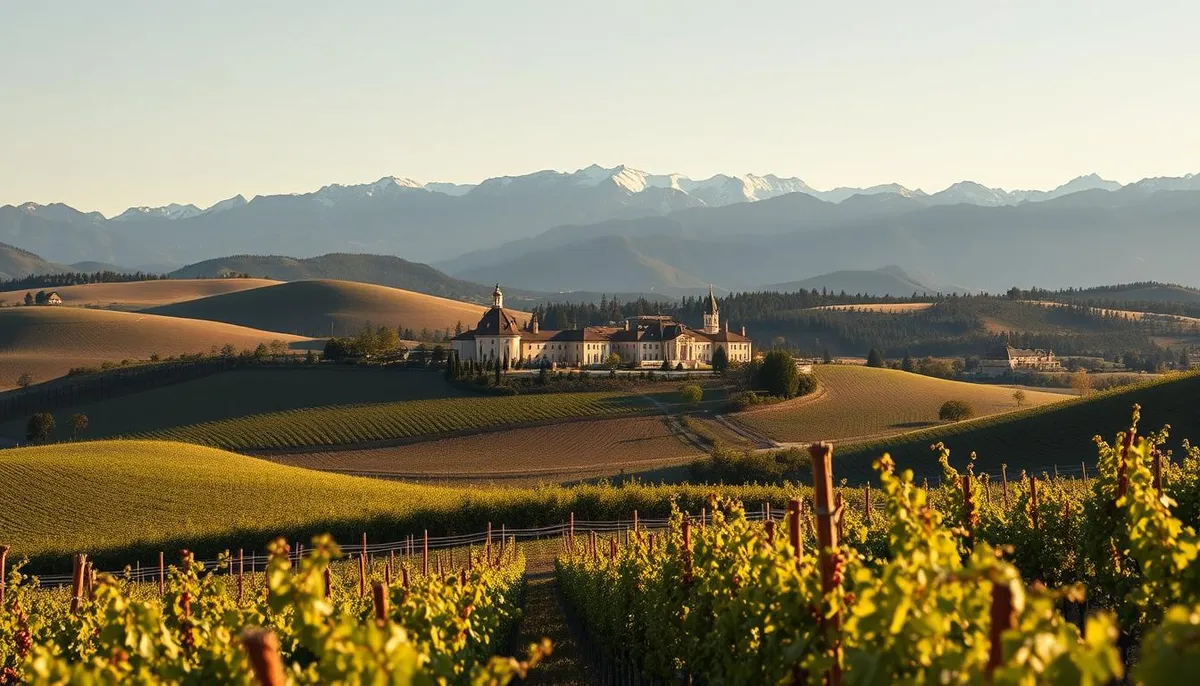
Cool-climate coastal standouts: Carneros, Russian River Valley, Sta. Rita Hills
Carneros, selected by the Taittinger family for Domaine Carneros, exemplifies how Chardonnay and Pinot Noir flourish under the influence of chilled winds. One can anticipate depth akin to méthode traditionnelle with overtones of citrus, pear, and a complex spice palette, mirroring the nuanced elegance of US champagne standards.
The Russian River Valley is synonymous with a rich, toasty profile. Exhibiting flavors of citrus marmalade, toasted almond, and baked apple, complemented by pastry nuances, its length is impressive yet remains crisp. This flavor profile captivates many who seek the full-bodied yet nuanced character of American champagne.
Sta. Rita Hills is distinguished by its tense structure and pronounced potential for aging. Aging wines here may unveil flavors of butterscotch, dried pineapple with a caramel sprinkle, espresso, and coriander, all balanced by a crisp apple-like acidity. This showcases the coastal complexity inherent in American champagne.
Rising stars beyond California: Willamette Valley, Long Island, New Mexico
In the Willamette Valley of Oregon, locally grown sparklers emphasize notes of lemon oil, brioche, and clotted cream against a backdrop of lively acidity. Their precision and buoyancy render them appealing alternatives to traditional champagne, especially for those appreciating tight, gastronomy-friendly options. For those looking to enjoy these flavors without overspending, there are plenty of brunch drink ideas on a budget that can complement your sparkling wine experience.
Long Island’s North Fork is known for its mature charm: flavors of phyllo dough, lemon pastry cream, and baked fruits are topped off with a hazelnut finish. Such unique characteristics offer a maritime twist to the champagne conversation in America.
New Mexico, propelled by Laurent Gruet’s expertise in Albuquerque, is a source of exceptional value in the national arena. Here, blends of local and imported base wines are fine-tuned and bottled locally, revealing flavors of apricot, green apple, oyster shell, and a hint of nuttiness. This presents an accessible introduction to the diverse styles of American champagne.
Classic Champagne varieties vs. experimental blends in the U.S.
Chardonnay, Pinot Noir, and Pinot Meunier are preferred by most winemakers for achieving a balance of tension and a delicate mousse. Nevertheless, the absence of AOC constraints encourages experimentation with varietals like Pinot Gris and Carignan, or occasionally Syrah. Such ventures introduce rose tints, aromatic elevation, and a spicy complexity to the wines, including the use of champagne grapes which are essential for crafting high-quality sparkling wines.
This balancing act between tradition and innovation is crucial for defining contemporary American champagne. While classic varieties ensure foundational structure, experimental blends enrich the texture, flavor profile, and versatility of food pairings. This duality enhances the richness of champagne offerings from the United States across various price levels, including options for inexpensive celebration drinks.
Top American Producers to Know for Traditional-Method Bubbles
Méthode traditionnelle thrives on U.S. soil, showcased by american champagne brands. These producers exemplify the character and craftsmanship of champagne made in America.
Domaine Carneros (Carneros): classic style with Champagne heritage
The Taittinger family established Domaine Carneros, fusing Chardonnay and Pinot Noir from cool climates to create poised and toasty cuvées. Extended aging on the lees contributes to its pastry, brioche nuances, and a delicate mousse.
Specific bottlings, grown on their estate, escalate the wine’s complexity and persistence. Recent ventures integrate art and science, with Carina Nebula imagery from the James Webb Space Telescope adorning labels. This approach results in a highly commendable expression within the realm of american champagne brands.
Roederer Estate and Schramsberg: benchmarks of méthode traditionnelle
In the Anderson Valley, Roederer Estate—originating from Champagne Louis Roederer—presents finesse through citrus, green apple, and oyster shell highlights. A prolonged period on the lees accentuates its precision and enhances its finish.
The Davies family’s Schramsberg has been instrumental in shaping the american champagne style, focusing on Chardonnay-based wines that undergo barrel fermentation. Anticipate a creamy texture accompanied by notes of tarte tatin, pear, vanilla, and a subtle hint of cardamom.
Argyle, Goldeneye, Iron Horse, and Roederer Estate: value to premium picks
Argyle, situated in Oregon, stands out for its exceptional value. It often includes Pinot Meunier in its blends, creating profiles rich in watermelon, rhubarb, and toast. These sparkling wines are clean and bright, making them an excellent match for seafood or roast chicken. Additionally, for those interested in local markets, it’s essential to consider chandigarh champagne prices to find the best options available.
Goldeneye’s rosé emphasizes cranberries and raspberries, set against a backdrop of mineral and yeasty undertones. Iron Horse, from the Russian River Valley, excels in vibrant lemon, green apple, and ginger notes, boasting lively effervescence indicative of top-notch American champagne.
Gruet (New Mexico): nationally available, traditional method values
Under Laurent Gruet’s direction, Gruet presents méthode traditionnelle sparkling wines that are broadly accessible, highlighted by crisp green apple and citrus. Some cuvées blend base wines from Washington and Spain, culminating in Albuquerque for a consistently sparkling and balanced finish.
Gruet serves as an insightful entry point for those new to american champagne. It’s approachable, pairs well with food, and exemplifies how American producers achieve quality without the airs of pretension.
| Producer | Region | Signature Traits | Grape Focus | Method & Aging | Ideal Use Case |
|---|---|---|---|---|---|
| Domaine Carneros | Carneros, California | Toast, brioche, fine mousse | Chardonnay, Pinot Noir | Traditional method, extended lees | Celebratory pours; roasted poultry |
| Roederer Estate | Anderson Valley, California | Citrus, green apple, oyster shell | Chardonnay, Pinot Noir | Méthode traditionnelle, long lees | Seafood; apertifs with bite |
| Schramsberg | Napa Valley, California | Creamy, tarte tatin, vanilla spice | Chardonnay-led blends | Barrel fermentation; classic lees aging | Rich dishes; special occasions |
| Argyle | Willamette Valley, Oregon | Watermelon, rhubarb, toast | Pinot Noir, Pinot Meunier, Chardonnay | Traditional method; fresh, long finish | Versatile pairing; weeknight elegance |
| Goldeneye | Anderson Valley, California | Cranberry, raspberry, mineral core | Pinot Noir-driven rosé | Méthode traditionnelle with lees contact | Charcuterie; salmon; brunch |
| Iron Horse | Russian River Valley, California | Lemon, green apple, ginger | Chardonnay, Pinot Noir | Traditional method; brisk style | Oysters; fried chicken; sushi |
| Gruet | New Mexico (Albuquerque) | Crisp apple, citrus, bright mousse | Chardonnay, Pinot Noir | Traditional method; value-driven | Everyday toasts; crowd-pleasing bubbles |
Tip for readers exploring american champagne brands: Monitor the extent of lees aging and the composition of grapes on the label. This strategy will aid in identifying styles that align with your preferences for american champagne and the finest instances of champagne production in the United States. For more insights, seek out expert advice on champagne closures to enhance your understanding.
Editor-Backed Bottles and Styles from the United States
These editor selections highlight american sparkling wines crafted with exceptional clarity and poise. These bottles exemplify focus, balance, and affordability. They serve as benchmarks for those seeking premier american champagne or delving into the subtleties of champagne american styles.
Blanc de Noirs and rosé: red-berry driven, mineral cores
U.S. Blanc de Noirs and rosé present a palette of vivid red fruits. Cherry, raspberry, pomegranate, and cranberry flavors intertwine with a robust mineral backbone. Tasting notes include blood orange highlights and a hint of graham cracker, culminating in a dry, inviting finish.
Esteemed producers such as Schramsberg, Iron Horse, and Argyle craft these cuvées meticulously. They maintain the desired clarity and vibrancy that enthusiasts of american sparkling wine expect, while preserving the unique characteristics of each vineyard.
Extended lees aging: creamy, brioche-laden bottlings under $50
Extended lees aging, spanning approximately 46 months to five years, imparts creamy textures and layers of savory flavors at accessible price points. Anticipate nuances of brioche, biscuits, toasted nuts, enveloped by a subtle nuttiness. These notes compliment the lively citrus and green apple elements. For those looking to indulge, there are also various discount champagne offers available that enhance the experience.
For exceptional examples, consider Roederer Estate, Gruet, and Domaine Carneros. Their offerings convincingly argue for the best american champagne alternatives, marrying richness with refreshing acidity.
Estate-grown and single-vineyard expressions with serious aging potential
Single-vineyard and estate bottles from Carneros, the Russian River Valley, and the Willamette Valley provide intricate layers. Aging on lees for up to 42+ months introduces flavors of shortbread, slate-like minerals, and lemony clotted cream, complemented by balanced acidity.
In magnum formats, these wines unveil additional layers over time, including jasmine, nectarine, and hints of mushrooms and rye toast. For enthusiasts comparing champagne american options, these meticulous selections reward patience and careful storage.
Fruit-forward yet bracing options for cocktails and food pairing
Ripe orchard fruits blend with brisk acidity and a distinct saline, oyster-shell sharpness. This combination renders the wines versatile for culinary pairings. They integrate seamlessly into a Champagne Cocktail or French 75, while retaining enough vigor for oysters, fried chicken, sushi, or roasted salmon. Additionally, a luxury champagne cart can elevate any gathering, showcasing a selection of these exquisite wines.
Whether one prefers american sparkling wines with lively zest or a sumptuous style, the balance achieved epitomizes what many search for in the finest american champagne. It’s about vibrancy, intricacy, and a broad culinary adaptability.
Grocery-Store Wins: Accessible Sparkling Picks and What the Labels Tell You
The grocery store remains a viable option when time is limited. To simulate the champagne experience in the U.S. without visiting specialty stores, scrutinize label details and reputable brands. Then, align the chosen style with your intentions. This approach enables assured purchases of American champagne, facilitating its enjoyment any evening.
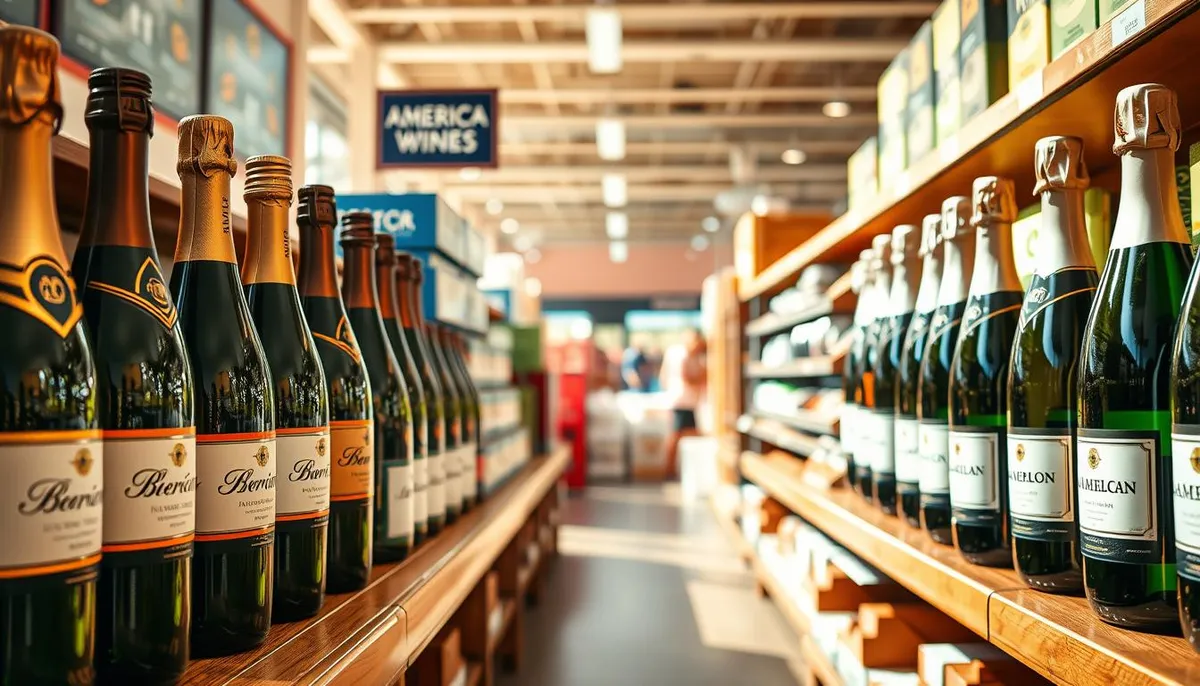
Reliable non-vintage buys: consistency year after year
Non-vintage selections, often labeled “NV” or without a year, merge multiple harvests to achieve a uniform taste. This ensures consistent quality and character with each purchase. For straightforward selections, opt for established labels maintaining a uniform style through various vintages.
- Cava essentials like Poema and Freixenet offer crisp apple and citrus notes with a hint of light toast at reasonable prices.
- Prosecco favorites such as La Marca and 90 Plus Cellars provide a vibrant and fruity character, perfect for light celebrations or mixers.
In grocery scenarios, NV champagnes anticipate celebration needs without unpredictability. They represent a judicious choice for enjoying the champagne experience in America on modest budgets.
Traditional vs. Charmat at the supermarket: what to expect in bubbles and flavor
Seek out “Méthode Traditionnelle” or “Méthode Champenoise” for a refined, creamy texture and nuanced brioche notes due to yeast aging. These terms often accompany California sparklings, revealing hints of green apple, lemon, and biscuit.
A “Charmat” label indicates tank fermentation. This method produces more robust bubbles, accompanied by vibrant pear, peach, and melon flavors. Bottega prosecco export, known for its suitability in cocktails and festive events, typically displays this profile.
Choosing the appropriate method aligns the sparkling wine with your event’s theme, ensuring the distinctive qualities of American champagne remain in focus.
Smart party pickups under $25 (California, New Mexico) and when to splurge
For those seeking value, Californian bottles made through the traditional method may exhibit lively citrus, green apple, and a subtle biscuity flavor, often priced under $25. New Mexico offers traditional-method options with similar profiles below $20, ideal for casual drinking or as cocktail additions, including non alcoholic wine for those who prefer a non-alcoholic option.
- Value champions: Freixenet and Poema for Cava; La Marca and 90 Plus Cellars for Prosecco.
- Luxury options: Finding genuine French Champagne below $45 is unusual; popular selections like Veuve Clicquot generally range between $50 and $70.
These recommendations facilitate decisions for any event, from weekday meals to festive brunches. They reflect the expansive variety of champagne in America and simplify the American champagne purchasing process.
champagne american: Search Intent, Alternatives, and Best-Buy Guidance
Customers searching for champagne american often desire locally-made products that resemble true Champagne. They frequently look for American sparkling wine along champagne avenue. Such wines are typically crafted with the traditional method. They use varietals like Chardonnay, Pinot Noir, and Pinot Meunier. For an authentic US champagne flavor, search for mentions of méthode traditionnelle and meticulous lees aging.
Understanding “champagne american” vs. “american sparkling wine”
In the United States, the term Champagne specifically refers to the sparkling wine from France’s Champagne region. Yet, US-produced sparkling wines following the traditional method can closely emulate this prestigious style. They exhibit fine bubbles and brioche tones. Prospective buyers should examine labels for “Méthode Traditionnelle,” vintage information, and the blend of grapes to ensure it suits their preferences.
Best American Champagne alternatives that rival big-name French houses
Domaine Carneros offers refined, estate-grown blends with a Taittinger heritage and extended lees aging. Roederer Estate presents a benchmark for California sparkling wines with its balance of orchard fruit flavors and mineral notes. Schramsberg is known for its creamy, barrel-aged Chardonnay-led cuvées. Meanwhile, Iron Horse exemplifies the crisp tension of the Russian River Valley.
The Willamette Valley’s Argyle shines by emphasizing Pinot Meunier in its blends, offering both value and complexity. Goldeneye specializes in a tightly-wound, red-berry rosé. Sta. Rita Hills produces age-worthy bottles that capture the precision and excellence of US champagne, establishing that American offerings can compete with legendary French brands.
Where to buy American Champagne-style bottles online and in-store
Most local wine shops feature trustworthy non-vintage brut made via the traditional method. These selections are perfect for everyday dinners and festive occasions. Major liquor outlets distribute recognized names like Roederer Estate, Domaine Carneros, and Schramsberg. For casual gatherings, supermarkets have affordable options suitable for spritzes and mimosas. Connoisseurs seeking depth and texture should consider American champagne from specialized retailers.
Prioritize examining disgorgement dates, dosage amounts, and manufacturer insights when shopping for American champagne. Opt for the most recent shipments for optimal freshness or choose late-disgorged varieties to enjoy a richer autolytic flavor profile.
Buy American Champagne for export: request a personalized quote at https://champagne-export.com
For global delivery of US champagne along with French labels, explore traditional-method options that adhere to the méthode traditionnelle. Request a tailored export quotation through the specified portal. This approach streamlines the procurement process, whether acquiring American champagne for events, wine collections, or as gifts for international delivery.
Tasting Notes That Define US Champagne-Style Sparkling
The defining traits of American sparkling wine are manifestly clear: lively fruitiness, seamless structure, and finely tuned effervescence. Enthusiasts of American champagne, whether for casual dining or festive occasions, consistently look for these characteristics.
Bright citrus, green apple, and mineral signatures
Anticipate vibrant lemon, lime, and grapefruit, contributing to the vivacity of each taste. Notes of crisp green apple enhance dynamism and momentum. The presence of a mineral backbone, reminiscent of oyster shell or slate, steers to a polished finale, imbuing American champagne and sparkling wine with a refreshing sensation.
The essence in Blanc de Noirs and rosé variants remains arid and mineral-rich, albeit infused with the melody of red berries like cherry, cranberry, and raspberry. Such equilibrium is characteristic of American champagne that benefits from the fruits of cooler climates.
Lees-driven aromas: brioche, pastry, toasted nuts
Periods of lees aging enrich the wine’s aroma and texture. Predominantly, one might detect brioche, pastry, pie crust, and toasted almonds. Certain American offerings undergo extended lees contact, amplifying a biscuity opulence without eclipsing the zesty vitality that signifies sophisticated American sparkling wine.
Additional layers may suggest honeyed apples and a subtle nuttiness. This nuanced composition allows American champagne, including affordable champagne wine, to complement a variety of dishes, including roasted poultry, creamy sauces, and rich seafood.
Bubble texture: sharp pinpricks vs. creamy mousse
Bubble feel can vary from piercing sharpness, which purifies the palate, to a gentle, creamy mousse offering a sumptuous experience. Premier specimens of American-made champagne achieve a harmonious equilibrium of minuscule bubbles, keen acidity, and a mineral foundation, ensuring the wine remains invigorating yet meticulously poised.
A synchronization of fruit, bubbles, and mouthfeel renders American sparkling wine both effortlessly enjoyable and subtly multifaceted. The bubbly wine characteristics are indicative of exceptional American champagne across various styles.
| Signature Note | Typical Expression | Impact on Palate | Best Style Matches |
|---|---|---|---|
| Citrus & Green Apple | Lemon, lime, grapefruit, crunchy apple | High refreshment; clean, brisk finish | Brut non-vintage american sparkling wine; extra-brut american champagne |
| Minerality | Oyster shell, wet stone, slate | Focus and length; savory edge | Cool-climate champagne made in america; Blanc de Blancs |
| Lees Complexity | Brioche, pastry shell, toasted almonds | Creamier mid-palate; layered depth | Traditional-method american champagne; extended lees aging |
| Red-Berry Accents | Cherry, raspberry, cranberry, pomegranate | Fruit lift with a dry mineral core | Blanc de Noirs; rosé from champagne made in america |
| Bubble Texture | Pinprick sparkle to creamy mousse | From palate-scrubbing to plush and round | Brut nature for snap; vintage cuvées for creamier american sparkling wine |
Perfect Uses: From Bubbly Cocktails to Food Pairings
For crafting cocktails, opt for the approachable Brut NV. Its bright acidity and fine bubbles blend seamlessly into a Mimosa, French 75, or a classic Champagne Cocktail. These selections complement without overwhelming the flavors of citrus, gin, or bitters. They represent the ideal balance for champagne enthusiasts in America seeking vibrancy over heaviness.
Pro tip: For those shopping on a budget, consider Cava, Prosecco, and cost-effective traditional-method options from California or New Mexico. These choices offer crisp notes of green apple and zesty lemon. Rosé Prosecco further introduces cherry and strawberry nuances, perfect for enhancing spritzes. In essence, the best stand-ins for American champagne are characterized by their lively energy and distinct mineral crispness.
In culinary pairings, champagne excels alongside dishes where fat and salt are counterbalanced by freshness. For an exquisite tasting experience, match briny oysters with a mineral-focused champagne. Alternatively, accompany fried chicken or potato chips with a fruit-laden Brut or a dry rosé. The creamy textures of certain cheeses are elevated by the brioche-rich depth of leesy cuvées. Similarly, shellfish or sushi find perfect harmony with the citrus-and-green-apple vibrancy of champagne from the United States.
For menus featuring warm, savory dishes, a toasty, age-worthy champagne is advised. Its notes of pastry and toasted nuts complement roasted poultry, mushroom risotto, and herb-infused creations exquisitely. Conversely, for dishes like raw bar selections and citrus-dressed salads, opt for a linear, stony champagne. Such a choice ensures that each bite remains sharply delineated—an aspiration for American champagne connoisseurs.
| Use Case | Style to Choose | Flavor Markers | Smart Picks |
|---|---|---|---|
| Mimosa, French 75, Classic Champagne Cocktail | Brut NV, fine mousse, high acidity | Lemon zest, green apple, light brioche | Budget traditional-method California or New Mexico; crisp Prosecco for softer texture |
| Spritzes and Rosé Cocktails | Dry rosé sparkling | Cherry, raspberry, strawberry | Rosé Prosecco; fruit-forward bottles labeled Méthode Traditionnelle |
| Oysters, Sushi, Shellfish | Mineral-driven Brut | Sea spray, citrus, green apple | Lean styles of champagne from the united states with oyster-shell notes |
| Fried Chicken, Potato Chips | Brut or Extra Brut with punchy acidity | Crisp orchard fruit, saline finish | Everyday picks for champagne in america that cut fat and salt |
| Creamy Cheeses | Extended-lees cuvées | Brioche, pastry cream, toasted nut | Best american champagne styles with long tirage aging |
| Roasted Poultry, Mushrooms, Herbs | Age-worthy, toasty Brut | Hazelnut, biscuit, dried citrus | Structured champagne from the united states for savory fare |
Conclusion
American winemakers have excelled in the art of traditional-method sparkling wines. They skillfully utilize Pinot Noir, Chardonnay, and Pinot Meunier. By conducting a secondary fermentation within the bottle and aging on lees, they achieve profound complexity. Freed from the constraints of AOC regulations, American producers are at liberty to adhere to time-honored techniques or venture into innovative blends. This marks a confluence of tradition and innovation in American champagne, including various champagne photography techniques that showcase their artistry.
Discerning buyers recognize the signs to look for. Genuine Champagne priced below $45 is uncommon, implying that higher price points often denote superior quality. For optimal storage, keep bottles horizontal at approximately 55°F and chill thoroughly prior to serving in flutes or white-wine glasses. Attributes to seek include vibrant, fine bubbles, notes of citrus and green apple, a distinct mineral streak, and the nuanced flavors of brioche or pastry, courtesy of lees aging. These indicators empower consumers to select American-made champagne with assurance.
Regions such as Carneros, the Russian River Valley, and Sta. Rita Hills are at the forefront. Meanwhile, areas like the Willamette Valley, Long Island, and New Mexico broaden the scope. Supermarket aisles present dependable non-vintage options for casual gatherings and weekday enjoyment. For occasions warranting distinction, consider premium estates such as Roederer Estate, Schramsberg, Domaine Carneros, Argyle, and Iron Horse. Their offerings, including estate-grown and long-lees aged selections, can stand toe-to-toe with premier French labels, offering exceptional value. Herein lies the essence of today’s American champagne landscape.
For those interested in exploring or acquiring American champagne, the market offers abundant diversity. Whether the desire is for a crisp aperitif, a pairing for oysters, or a rosé suitable for brunch, options abound. Spanning from economically accessible options to investment-worthy cuvées, American producers demonstrate that the United States is a formidable player in the realm of exquisite sparkling wines.
FAQ
What does “Champagne” mean in America, and how is it different from American sparkling wine?
In the U.S., the designation “American sparkling wine” is used. The title “Champagne” is reserved exclusively for wines originating from the Champagne region of France, in accordance with France’s rigorous AOC guidelines. These wines must be produced through a traditional in-bottle second fermentation process. Despite these restrictions, numerous U.S. winemakers employ identical techniques and grape varieties. Thus, while they cannot legally use the “Champagne” label, their products often closely resemble those of the Champagne region in both style and quality.
Why can only wine from Champagne be labeled Champagne?
The AOC regulations established in 1935 strictly control the use of the name “Champagne”. To qualify, a wine must originate from the Champagne area, utilize specific grape types, undergo secondary fermentation in the bottle, and be aged on lees. These stringent standards ensure the distinctiveness and high quality associated with Champagne. Consequently, even if American producers adhere to the same production methods, they must market their products under the term “sparkling wine”.
What is the “California Champagne” loophole and what should I know on shelves?
A unique post-World War II trade agreement permits select California winemakers to label their products as “California Champagne”. This term signifies an exception based on historical labeling rights rather than geographic origin. Consumers are advised to focus more on the methods of production, the grape varieties used, and the reputation of the producer than on the terminology utilized on the label.
Can you decode label terms like Méthode Traditionnelle, Charmat, Blanc de Blancs, Blanc de Noirs, and NV?
“Méthode Traditionnelle” indicates a wine’ssecond fermentation occurred inside the bottle, contributing to its fine effervescence and nuanced flavors. The Charmat method, involving tank fermentation, produces more pronounced, fruitier bubbles. “Blanc de Blancs” refers to a white sparkling wine made exclusively from white grapes, usually Chardonnay. Contrastingly, “Blanc de Noirs” denotes a white sparkling wine derived from red grapes, typically Pinot Noir or Pinot Meunier. “NV” stands for non-vintage, representing a blend aimed at maintaining a consistent style from year to year.
Why is true Champagne under rare, and how does that compare to U.S. bubbly?
The high costs associated with importation, labor, and prolonged aging processes make it rare to find genuine Champagne priced under $45. Conversely, American wineries producing traditional-method sparkling wines frequently offer excellent options below $30. Particularly outstanding values can be found under $25 from California and under $20 from New Mexico. This pricing dynamic, along with the implications of wine tax in france, renders American sparkling wines an appealing choice for regular celebrations.
How should I store and serve American sparkling wine? What glass is best?
Proper storage of sparkling wine involves keeping the bottles lying on their side in a cool environment, ideally at or below 55°F. Before serving, ensure thorough chilling to maintain the ideal balance of bubbles, alcohol, and acidity. While flutes are traditionally favored for preserving effervescence, many sommeliers recommend white wine glasses. This preference is based on their capacity to better release the wine’s aromatic compounds and enhance the overall drinking experience.
What tasting markers signal quality—bubbles, acidity, minerality, and leesy notes?
Quality in sparkling wines is indicated by the presence of vibrant citrus and green apple flavors, supported by a distinct mineral structure. Optimal winemaking yields tiny, uniform bubbles that contribute to the wine’s refined texture. Aging on lees enhances complexity, adding layers of brioche, pastry, and toasted nut aromas. The equilibrium among lively acidity, delicate foam, and a clean, prolonged finish is also critical in assessing a sparkling wine’s caliber.
How do I spot cork taint and what should I do?
Telltale signs of cork taint include diminished aroma and a discernible damp, moldy newspaper scent. Should you encounter a bottle affected by TCA, most reputable sellers offer exchanges or refunds for any unopened product showing evidence of this flaw. Retain your purchase receipt and articulately describe the defect to facilitate the process.
Which U.S. regions lead for high-quality American Champagne–style sparkling?
Cool-climate areas are typically the most conducive to high-quality American Champagne-style sparkling wines. Carneros is renowned for its nuanced expressions of Chardonnay and Pinot Noir. The Russian River Valley is celebrated for its deep, toasty citrus-marmalade character. Sta. Rita Hills contributes wines with remarkable aging potential due to their inherent tension. Additionally, the Willamette Valley, Long Island’s North Fork, and New Mexico have gained recognition for producing exceptional values characterized by lively acidity and a pronounced mineral profile.
Where are rising-star regions outside California, and what do they taste like?
Several regions beyond California are emerging as notable producers of high-quality sparkling wines. The Willamette Valley in Oregon is celebrated for its lemon oil and brioche notes paired with zesty acidity. From Long Island, expect savory pastry nuances blended with baked orchard fruits and a hazelnut finish. New Mexico, including the esteemed Gruet Winery, is acclaimed for its crisp green apple and apricot flavors, alongside a distinctive oyster-shell minerality, all offered at particularly accessible price points.
Do U.S. producers stick to classic Champagne grapes or experiment?
American producers exhibit a diverse approach to sparkling wine production, with many adhering to the traditional Champagne varieties and methods. Chardonnay, Pinot Noir, and Pinot Meunier dominate, crafted according to the méthode traditionnelle. However, a growing number of winemakers, including those working with a premium champagne importer, are venturing into experimental territories. They incorporate grapes such as Pinot Gris, Carignan, and even Syrah into their blends, introducing innovative, playful profiles while maintaining the essential freshness and structural integrity characteristic of premium sparkling wines.
Which American producers should I know for traditional-method bubbles?
Among the most esteemed American producers of traditional-method sparkling wines, Domaine Carneros, founded by the Taittinger family, stands out for its extended lees-ageing complexity. Roederer Estate, located in Anderson Valley, is recognized as a benchmark for quality. Schramsberg has been a pioneer, introducing barrel-fermented cuvées to the American market. Iron Horse, Argyle, Goldeneye, and Gruet also contribute significantly to the diversity and accessibility of styles and price points in the U.S. sparkling wine scene.
How do Roederer Estate and Schramsberg compare as standards?
Roederer Estate is celebrated for its vibrant blend of citrus, green apple, and mineral nuances, achieved through extended aging on lees. Schramsberg, on the other hand, is noted for its creamier texture and a flavor profile rich in tarte tatin, pear, and vanilla spice, resulting in an impressively layered mouthfeel. Both estates are revered as exemplary references for the quality of American méthode traditionnelle sparkling wines.
Who offers the best value-to-premium range: Argyle, Goldeneye, Iron Horse, or Roederer Estate?
Argyle is recognized for delivering exceptional value, notably with its Pinot Meunier-centric blends. Iron Horse is known for its dynamic minerality and crisp acidity. Goldeneye’s rosé impresses with its firm red-berry fruit and nuanced yeasty notes. Roederer Estate offers a broad range, from accessible brut options to cellar-worthy reserves. Each producer excels in its niche, catering to various preferences and occasions.
What makes Gruet (New Mexico) a national go-to for value?
Gruet has carved a niche in crafting traditional-method wines that exhibit vibrant green apple and citrus characteristics at competitive prices, earning a loyal following throughout the U.S. The winery’s approach includes blending domestic with select imported base wines in Albuquerque, guaranteeing a consistent level of quality suited to everyday celebrations.
What defines U.S. Blanc de Noirs and rosé styles?
U.S. Blanc de Noirs and rosé sparkling wines are distinguished by their pronounced intensity of red berry notes—encompassing cherry, raspberry, cranberry, and pomegranate—balanced by a dry mineral backbone. Additional layers of complexity are provided by nuances such as graham-cracker dust and blood orange, culminating in a savory, palate-enticing finish that complements a variety of cuisines.
Can extended lees aging deliver value under ?
Absolutely. Numerous American sparklings are aged on lees for approximately 46 to 60 months, priced around or below . These wines are noted for their creamy texture, enriching brioche and biscuit flavors, alongside toasted nuts, and honeyed apple, all overlaying a foundation of crisp citrus. This aging process enhances complexity without sacrificing the inherent vitality of the wine.
Are estate-grown and single-vineyard American sparklers worth cellaring?
Estate and single-vineyard sparklings from regions like Carneros to the Willamette Valley hold great potential for aging. Over time, they evolve, revealing layers of toast, shortbread, lemon-clotted cream, and mineral nuances. Many exhibit exceptional aging capacity, particularly when stored in magnum format, gaining depth and character that reward patient collectors.
Which styles balance fruit for cocktails and food pairing?
Fruit-driven yet crisp brut NV sparklings, with their fine effervescence and citrus-mineral profile, are ideally suited for both cocktails and culinary pairings. These wines excel in classic concoctions like French 75s and Champagne Cocktails. Additionally, they harmonize beautifully with a range of dishes, including oysters, fried chicken, chips, sushi, creamy cheeses, and various types of roasted poultry, enhancing the overall dining experience.
What non-vintage bottles are reliable for weeknights and parties?
Non-vintage blends are crafted to maintain a consistent style from year to year, making them reliable choices for casual consumption and social gatherings. American brut NV sparklings, along with popular Cava and Prosecco options found in grocery stores, are particularly noteworthy. These wines offer a refreshing mix of fresh fruit flavors, bright acidity, and reliable effervescence, suitable for informal occasions.
How do traditional-method and Charmat wines differ at the supermarket?
Traditional-method sparkling wines are distinguished by their refined bubble structure, velvety mousse, and nuanced leesy complexity. In contrast, Charmat-method wines are characterized by their more pronounced, lively bubbles and a dominant fresh fruit profile. This makes them particularly enjoyable for light-hearted sipping and versatile in a variety of spritzes and mixed drinks.
What are smart party pickups under , and when should I splurge?
For budget-conscious selections, consider traditional-method brut sparklings from California and New Mexico, which often display citrus, green apple, and biscuit notes, all priced under . Occasions meriting a splurge might warrant exploring options with extensive lees aging, single-vineyard distinction, or genuine Champagne. However, it’s important to remember that high-quality Champagne typically commands a price above .
What does “champagne american” usually mean, and what should I search for instead?
The terms “champagne american,” “american champagne,” and “US champagne” commonly refer to American-made wines styled after classic Champagne. For those seeking such wines, it is more accurate to search using terms like “American sparkling wine” or “méthode traditionnelle”. This will guide you to products that, while not Champagne by legal classification, offer a similar taste experience.
What are the best American Champagne alternatives to big French houses?
For those looking to explore quality bubblies beyond the prestigious French brands, several American producers stand out. Domaine Carneros, Roederer Estate, Schramsberg, Iron Horse, Argyle, Goldeneye, and select offerings from Sta. Rita Hills are highly recommended. Each of these estates excels in crafting sparkling wines that deliver the finesse, balance, and classic notes of citrus, mineral, and brioche that aficionados appreciate.
Where can I buy American Champagne–style bottles online or in stores?
Reliable NV brut selections from leading U.S. brands are readily available at local wine retailers and major liquor chains. For those seeking value, grocery stores typically stock a solid range of Cava and Prosecco. For a more curated selection or for international shipping options, consider exploring the offerings at champagne-export.com.
Can I buy American Champagne for export with global shipping?
Yes. For international customers interested in acquiring American champagne–style wines, https://champagne-export.com provides personalized quotations. The site features a selection of Champagne and American sparkling wines prepared for global delivery.
What flavor signatures define U.S. Champagne-style sparkling?
The hallmark of U.S. Champagne-style sparklings is a vibrant combination of bright citrus and crisp green apple, supported by a distinct mineral backdrop, reminiscent of oyster shells to slate. This core profile is complemented by a refreshing finish that emphasizes clean, balanced acidity and enduring bubbles.
Which aromas come from lees aging?
The process of lees aging imparts a spectrum of complex aromas to sparkling wines, including brioche, pastry shell, pie crust, toasted almond, and a hint of nuttiness. With prolonged aging, these scents intensify, enriching the wine’s bouquet while maintaining its brisk, citrus vitality.
How should bubble texture feel—pinprick or creamy mousse?
Exceptional sparkling wines can exhibit either characteristic. Pinprick bubbles are sought after for their ability to cleanse the palate and sharpen the finish. Alternatively, a creamy mousse contributes to a wine’s body and smoothness. The most commendable examples achieve a harmonious balance between these contrasting textures, complemented by well-integrated fruit and acidity elements.
What are the best uses for American sparkling—cocktails or food?
American sparkling wines are versatile, excelling in both cocktail and culinary contexts. Brut NV varieties are particularly well-suited for use in Mimosas, French 75s, and Champagne Cocktails. When it comes to food pairing, these wines beautifully complement an array of dishes, including oysters, sushi, fried chicken, chips, creamy cheeses, roasted poultry, and savory mushroom preparations, enhancing the gastronomic experience with their vibrant acidity and fine bubbles.