The champagne moment rose embodies the essence of a fine celebration. Each petal reflects the inaugural sip of sparkling rosé, merging softness with vibrancy. They are perfect for weddings, garden gatherings, and significant celebrations that aim for a classic yet fresh vibe.
In this piece, we navigate the confluence of exquisite flowers and celebratory wines in a uniquely American context. We will delve into how roses of a champagne hue create an ambiance, the role of sparkling wine in elevating these occasions, and ways to synergize these elements effortlessly. Anticipate practical advice about the care, design, and acquisition of these floral arrangements to ensure a seamless presentation.
Here, you’ll get acquainted with notable English shrub roses and understand the esteem in which aficionados hold their craftsmanship, tracing back to David C. H. Austin’s vision through to their contemporary garden presence. The process of creating rosé Champagne, its premium pricing, and tips for selecting a bottle that complements your roses will also be discussed.
The ambition of hosting an event, whether it be a casual backyard brunch or a sophisticated black-tie affair, is made attainable with this guide. It offers inspiration for centerpieces and DIY nuances, assisting you in harmonizing sparkling rosé with the luxurious tones of champagne roses for an atmosphere that is at once cozy and magnificent.
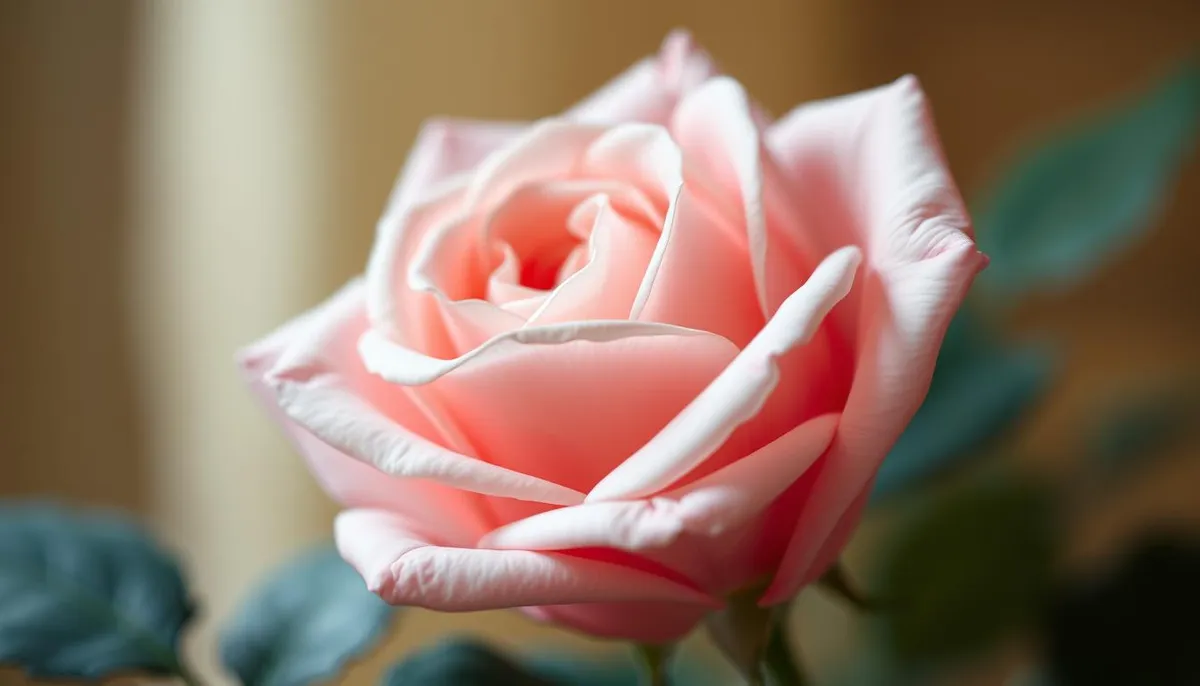
To inaugurate a new era of celebratory sophistication, we merge the champagne moment rose with jubilant wines. This combination underscores that style can embody warmth, personality, and an enduring impression.
Key Takeaways
- The champagne moment rose sets the tone for an elegant celebration with soft, refined color.
- Pairing sparkling rosé with champagne-toned blooms creates a cohesive, festive bubbly experience.
- Expect insights on English shrub roses, including craftsmanship and garden performance.
- Learn the basics of rosé Champagne production and how to select special occasion wine.
- Find design tips, DIY touches, and sourcing options to bring the look to life across U.S. events.
- Discover where to secure premium bottles and florals, with global export solutions for convenience.
Elegant Celebration: Why Champagne-Hued Roses and Sparkling Rosé Signal a Special Occasion
The soft hues of petals coupled with a gentle radiance initiate an atmosphere of elegance. Champagne-hued blooms resonate with the subtle warmth of a champagne moment rose, complemented by the sparkle of affordable luxury bubblies or sumptuous luxury rosé. This duo encapsulates the essence of a celebratory affair, enveloping it in warmth, unity, and sophistication.
The symbolism of champagne-colored blooms in weddings and events
Champagne shades, embracing pearl pink, creamy ivory, and soft apricot, embody sophistication and meticulous attention. These tones, when arranged in bouquets or arches, reflect elegance and gratitude, perfect for wedding vows and significant celebrations. Their luxurious texture and delicate fragrance contribute a serene, high-class note to any sophisticated event or theme centered around champagne moment roses.
How bubbly rosé and luxury rosé elevate a celebratory event
The delicate pale blush of bubbly rosé complements the floral arrangement, crafting a homogeneous aesthetic harmony. A luxury rosé introduces a fine effervescence, a red-fruit aroma, and a refreshing acidity, culminating in a sensory climax. This combination achieves an effortless, yet unmistakably opulent, ambiance.
Bringing floral sophistication to tablescapes and bouquets
Upon the table, the presence of champagne-colored roses introduces an element of finesse, accentuated by lustrous green foliage and the soft luminescence of candlelight. When integrated with varied textures of greenery and subtle decorative accents, they create event centerpieces that foster engagement among guests. Bouquets carried by hand are enriched by a harmonious selection of tones, forging a refined setting for an exquisite celebration defined by the distinguished champagne moment rose.
Understanding Champagne Roses: Color, Craft, and Cultural Significance
Champagne roses, emanating a gentle glow reminiscent of a gently popped cork, merge hues of pale pink, cream, and beige. This mélange culminates in a hue that effortlessly complements any floral design. These blooms, when paired with understated linens and golden utensils, alongside a chilled wine, define the essence of refined celebration.
Their poise is highly regarded by designers. As the rounded buds unfurl gracefully, they retain their form and capture light exquisitely. Whether arranged in a bride’s bouquet or as a centerpiece, their presence elevates the setting to the opulence of a champagne-celebrated table.
The timeless beauty of champagne-colored flowers in floral design
Their subdued color palette commands a lead role for texture in design. When interplayed with feathery grasses, or juxtaposed with the fuller shapes of ranunculus and lisianthus, depth is achieved. Their soft blush is a beacon of elegance, perfectly blending with the sophistication of formal gatherings.
Longevity is assured by keeping the stems chilled, cutting them at an oblique angle, and ensuring they are hydrated in pristine water. By adhering to these steps, the arrangement remains vibrant, complimenting the luxuriousness of celebratory wine.
Champagne roses in the language of flowers: elegance, grace, and consideration
In the realm of floriography, these roses articulate a narrative of subtlety and fortitude. They evoke sentiments of elegance, grace, and attentiveness, essential elements in celebratory speeches and commitments. Their neutral hue alludes to prosperity and tasteful restraint, fitting the aesthetics of a cherished moment among companions.
Their calculated and serene appearance makes them a versatile choice for event planners, tempering the vibrancy of bold hues or enhancing metallic decors to amplify a space’s sophistication.
Popular names associated with Champagne Roses: Quicksand, Sahara, Early Grey, Sahara Sensation, Menta
Quicksand, Sahara, Early Grey, Sahara Sensation, and Menta are among the favored varieties for their unique color spectrum from sandy cream to twilight pink. They harmonize with both light and warm tones, bridging disparate elements like candles and glassware into a cohesive floral design.
Cultivation success hinges on well-drained soil, a pH ranging slightly acidic to neutral, abundant sunlight, and adequate air circulation. Proactive measures against common ailments ensure the blooms retain their pristine condition, integral for the high-stakes ambiance of elegant celebrations accentuated with special occasion wine and the champagne import process, along with champagne hues.
Meet ‘Comtes de Champagne’: An English Shrub Rose Inspired by Premium Champagne
Enhance any refined celebration with the ‘Comtes de Champagne’, an English shrub rose. It pays homage to Taittinger’s esteemed cuvée, melding the worlds of exquisite gardening and high-end champagne. Garden enthusiasts preferring roses that echo champagne’s elegance will adore its poised, aromatic, and richly flowering nature.
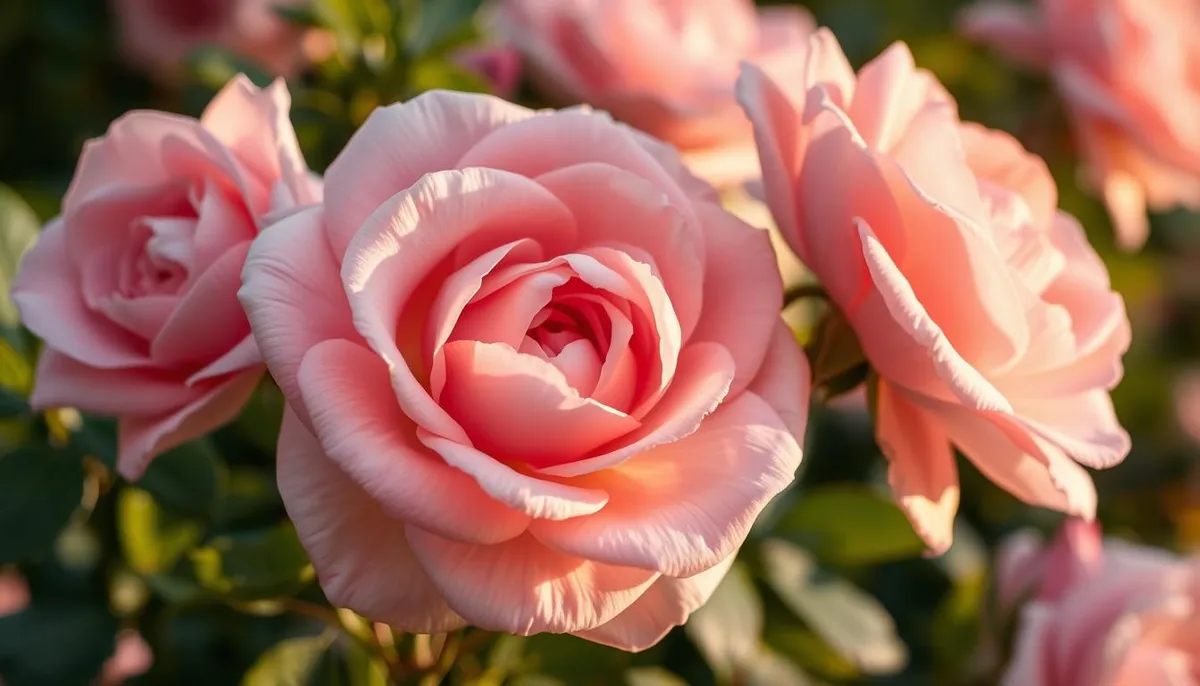
Origin and breeding by David C. H. Austin
In 1992, David C. H. Austin brought ‘Comtes de Champagne’ to life, using ‘Tamora’ and an unnamed seedling. This rose, marketed in the UK in 2001 by David Austin Roses Limited, belongs to Austin’s English Roses. This collection marries old-world charm with the capacity for repeated blooms. Its ancestry, including ‘Constance Spry’, ‘Graham Thomas’, ‘Abraham Darby’, and ‘Gertrude Jekyll’, establishes a new standard for sophistication in gardens.
Bloom form, fragrance, and color evolution from yellow to pale apricot
The blooms transition from a vibrant yellow to a soft apricot with age, reminiscent of fine champagne’s luminance. Its semi-double, cupped flowers, spanning 3–4 inches with 8–15 petals, emit a sweet, honeyed fragrance. This color evolution in sunlight exudes the essence of a champagne moment—delicate, warm, and refined.
Garden performance: height, spread, foliage, and seasonal clusters
This shrub, reaching heights of 3–4 feet and widths of 4–5 feet, boasts a bushy and symmetrical shape. Its semi-glossy, deep green leaves accentuate the apricot blooms, maintaining vibrancy throughout the season. It produces consistent clusters from late spring until frost, making it ideal for borders, walkways, and containers. ‘Comtes de Champagne’ dominates any elegant garden space with grace.
Breeder: David C. H. Austin (AUSufo). Named in homage to Taittinger’s Comtes de Champagne, underscoring the timeless bridge between fine wine and fine roses.
champagne moment rose
The phrase champagne moment rose embodies the fusion of elegance and celebration. Envision pearl pink, cream, and pale apricot petals juxtaposed with semi-glossy foliage. This delicate radiance complements the effervescence of premium sparkling wine, enhancing any sophisticated festivity, especially when celebrating black excellence in champagne.
To achieve visual harmony at a celebratory event, select colors and designs meticulously. Incorporate varieties such as Creamy Celebration, Golden Bubbly, and Pearl Pink Perfection to mirror the nuanced hues of champagne. Engaging a reputable florist ensures the precision of color and the freshness of each arrangement, vital for creating an impeccable ambiance under soft lighting. Additionally, consider incorporating champagne vineyard tours into your event planning to enhance the overall experience.
For enthusiasts of horticulture, introducing David Austin’s ‘Comtes de Champagne’ adds a layer of olfactory pleasure with its soft apricot tones. These robust plants require sunlight, adequate drainage, and routine care, including fertilization and mulching. Such dedication results in flawless blooms, poised to enhance the significance of any refined gathering alongside distinguished sparkling wines and fine champagne chardonnay.
Sparkling Rosé Basics: What Makes a Festive Bubbly Truly Special
Grace your toast with a sparkling rosé that complements champagne-toned flowers. A pale salmon hue juxtaposed with ivory petals transforms a mere moment into an unforgettable one. Opt for a wine that exudes balance, texture, and a delicate effervescence, elevating the aroma to new heights. Consider the art of wine and food pairing to enhance the overall experience of your celebration.
Tip: Synchronize the wine’s color with your event’s aesthetic. A light blush melds seamlessly with pearl-pink roses, while a richer tone harmonizes with apricot-hued decorations. Choosing between a renowned champagne and a distinctive sparkling wine, the optimal hue can significantly enhance photographs and guest impressions.
How rosé Champagne can be made: blending still white with 5–20% low-tannin red wine
To create rosé Champagne, producers blend a still white base with approximately 5–20% low-tannin red wine. This red fraction, usually derived from Pinot Noir or Meunier, imparts color and a hint of berry notes. Post-blend, the wine is primed for a second fermentation within the bottle, culminating in a celebratory mousse.
The process requires meticulous flavor assessment and stringent color regulation. An excess of red can alter the wine’s character, while insufficient red may diminish its vibrance. A masterfully crafted blend yields a sparkling rosé characterized by its berry undertones, creamy consistency, and a pristine, enduring finish.
Why rosé Champagne often costs more than white Champagne
The production of high-quality still red wine in Champagne is both rare and expensive. Cultivators meticulously select the grapes and moderate the extraction process to maintain low tannin levels, thereby augmenting production costs. The intensive labor of blending trials and rigorous cellar management further escalates the cost when compared to traditional white cuvées.
Demand in the market also influences pricing. With limited quantities available and a robust demand for celebratory wines, rosé Champagne maintains a high price point. Consumers are willing to pay a premium for its distinctive depth of color, precision, and emblematic style.
Choosing a premium champagne or exclusive sparkling wine for toasts
Align the wine’s style with the occasion’s atmosphere. For a vibrant, effervescent ambiance, seek a lower dosage and lighter hue that reflects champagne-tinted florals. For a luxurious touch, opt for a rosé with additional reserve wine or prolonged aging, offering a sumptuously rounded texture, perfect for extended celebrations.
- House style: Bollinger, Louis Roederer, and Ruinart are renowned for their structural elegance and finesse; choose based on this criterion.
- Dosage: Select Brut Nature for distinct, sharp profiles; Brut appeals widely for balanced toasting moments.
- Color intensity: A paler shade complements refined décor; opt for a deeper pink for vibrant schemes and striking centerpieces.
In cases where a top-tier champagne is not obligatory, consider an exclusive sparkling wine from locales such as Franciacorta, the Sonoma Coast of California, or England’s Sussex. These exemplary bottles provide sophisticated effervescence and a berry nuance that enhances festivity without overpowering the culinary offerings.
| Style | Color Cue | Flavor Profile | Best Use | Why It Works |
|---|---|---|---|---|
| Rosé Champagne (Brut) | Pale salmon | Red currant, citrus zest, brioche | Formal toasts | Fine mousse and precision suit speeches and photos |
| Rosé Champagne (Extra Brut/Nature) | Delicate pink | Wild strawberry, grapefruit, mineral | Seafood canapés | Lower dosage sharpens freshness and food lift |
| Exclusive sparkling wine (Traditional method) | Light rose | Cherry blossom, peach skin, almond | Cocktail hour | Great value with elegant texture for large groups |
| Premium champagne (Vintage Rosé) | Deep coral | Raspberry, blood orange, spice | Plated dinners | Structure and depth carry through richer courses |
Choosing with intention, your sparkling rosé weaves décor, menu, and ambiance into a cohesive, polished experience.
Design Inspiration: Pairing Bubbly Rosé with Champagne-Colored Flowers
An elegant celebration is defined by the perfect blend of wine and blooms. Bubbly rosé’s glow fuels the palette, while champagne-hued florals emit that same sparkle throughout the venue. This combination ensures a photogenic ambiance ideal for any festivity.
Tip: Synchronize the tones of the glassware and bouquets for a cohesive and polished presentation.
Centerpieces that mirror the effervescence of sparkling rosé
Create centerpieces that embody the bubbly essence of sparkling wine. Begin with densely arranged flowers at the bottom, gradually transitioning to lighter arrangements at the top. Incorporate the champagne moment rose for its creamy texture, and add ‘Comtes de Champagne’ for its subtle, honey-like quality. Ensure there’s enough space between stems for the flickering candlelight to resemble the sparkling wine’s effervescence.
Enhance the arrangement with tall, slender accents such as astilbe or panicled grass. These add a burst of texture that suggests the sparkle of fizz, maintaining visual interest throughout the event.
Color palettes: pearl pink, creamy ivory, and pale apricot tones
Base the color scheme on pearl pink, creamy ivory, and pale apricot for a radiant table setting. Use champagne-colored flowers as a connector between these shades, resulting in a glowing aesthetic. Complement the arrangement with blush napkins and understated linens, ensuring the flowers are the focal point.
Place pale apricot roses near the champagne moment rose for a subdued radiance. Arranging sparkling glassware close by creates a champagne-colored scene that enriches each bubbly toast.
Working with trusted florists for champagne-colored arrangements
Consistent shade is crucial under event lighting. Collaborate with reputable florists, such as La Belle Fleur or local experts, known for their precisely matched colors and reliable service. Request samples to verify the subtleties of colors before the event.
Coordinate the wine selection and event timing with your florist, ensuring the flowers bloom at the ideal moment. This synchronicity between flowers and wine promotes a unified and sophisticated atmosphere, epitomizing elegance through champagne-colored floral arrangements and customized champagne orders.
| Design Element | Floral Choice | Wine Pair | Effect at a Celebratory Event | Pro Tip |
|---|---|---|---|---|
| Base Glow | champagne moment rose, ‘Comtes de Champagne’ | Non-vintage bubbly rosé | Warm foundation with soft apricot lift | Cluster tightly at the base, then open upward |
| Tonal Bridge | Creamy ivory and pearl pink roses | Brut rosé with fine mousse | Seamless gradient that mirrors the glass | Test hues under venue lighting before approval |
| Movement & Air | Astilbe, airy grasses, delicate spray roses | Extra Brut rosé | Effervescence effect without clutter | Keep stems varied in height for lift |
| Highlight & Shine | Pale apricot focal blooms | Vintage rosé Champagne | Polished focal points that photograph crisply | Position near candles for reflective shimmer |
Garden-to-Glass Aesthetic: Growing Champagne-Toned Roses for Elegant Gatherings
Elevate your celebration by cultivating flowers of champagne hue that elegantly transition from garden to vase. A lush display of champagne moment rose and ‘Comtes de Champagne’ transforms any garden into a venue for festivity, harmonizing with the refined wine served at twilight.
Select a site bathed in sunlight, with soil that drains well, enriched with compost. Opt for soil with a slightly acidic to neutral pH, ensuring nutrient absorption. Proper preparation ensures your blossoms will complement the evening’s wine perfectly.
Site, sun, and soil: well-drained, slightly acidic to neutral conditions
- Ensure no less than six hours of direct sunlight each day.
- Incorporate organic material to improve clay or sandy soils.
- Aim for a soil pH between 6.2 and 7.0 for optimal growth.
- Install supports for heavy bloom clusters to prevent stem damage.
Thriving plants produce stems ideal for refined gatherings. With careful selection of the soil base, champagne-toned flowers will effortlessly accompany fine wines in outdoor settings.
Watering, fertilizing, and mulching for vibrant blooms
- Moisten the soil at the plant’s base, keeping leaves dry.
- Apply a balanced fertilizer in spring, following recommended frequencies.
- Limit nitrogen to promote flowering over vegetative growth.
- Use organic mulch to help retain moisture and stabilize soil temperature.
Adhering to these practices ensures impeccably vibrant flowers for any celebration. A champagne moment rose’s delicate luster is best achieved with cool, nutrient-rich soil.
Pruning, deadheading, and winter care for continuous flowering
- Prune in late winter or early spring, removing unhealthy wood.
- Cut to ensure good airflow and uniform light exposure.
- Deadhead spent blooms to encourage new growth.
- Protect plants in colder climates with mulch and loosely tied canes.
Meticulous upkeep transforms your garden into a source for elegant cuts, constantly ready to grace your space. Anticipate perpetual blooms, perfect for enhancing your outdoor receptions.
Disease and pest monitoring: black spot, powdery mildew, aphids, spider mites
- Regularly inspect for signs of black spot and powdery mildew, removing infected foliage.
- Employ preventive fungicides in damp conditions.
- Monitor new shoots for aphids and leaf undersides for spider mites, addressing swiftly.
- Avoid wetting foliage with water to lessen disease incidence.
Diligent monitoring combined with minimal intervention ensures the vitality of ‘Comtes de Champagne’ and similar varieties. These champagne-colored blooms can effortlessly take center stage at your sophisticated or casual celebrations.
DIY Touches: Crafting Champagne Rose Flowers for Stylish Decor
Construct paper blooms that mimic the delicate gleam of champagne moment roses. These artisanal embellishments enliven elegant gatherings beside effervescent rosé, showcasing against a champagne wall, or atop a bar cart primed for celebratory toasts. They complement exquisite wines and contemporary table settings with grace.
Tip: For realistic hues, blend pearl pink, cream, and pale apricot. This approach maintains a sophisticated, yet inviting color scheme.
Materials: pale pink crepe paper, floral wire, green floral tape, template
- Opt for pale pink crepe paper, adding cream and pale apricot for nuanced color.
- Select flexible floral wire, ranging from 18–22 gauge for structure.
- Green floral tape and fine craft glue are essentials for assembly.
- Ready a petal and leaf template, sharp scissors, and a curling tool or bone folder for shaping.
Petal shaping, bud building, and layering techniques
- Trim petals in varied sizes with a template. Alter edges to emulate a champagne moment rose’s natural contour.
- Stretch the crepe grain to curve the petal base; curl tips for a lifelike bloom effect.
- Form a compact crepe-paper bud and secure it. Subsequently, attach one petite petal at a time.
- Progress to enveloping the bud with medium and then large petals, securing each layer with tape to sculpt a polished silhouette.
Finishing stems, adding leaves, and styling bouquets or gifts
- Affix a floral wire stem and encase seamlessly with green floral tape.
- Shape crepe leaves, mark with stretches for veins, and attach in pairs along the stem.
- Employ single stems for place settings, compile several for bouquets, or adorn gifts with silk ribbon for a sophisticated touch.
Position floral displays near areas serving bubbly rosé or private brand champagne to augment a celebratory atmosphere. Their understated elegance pairs well with special occasion wines, establishing an environment that is both refined and inviting.
| Step | Goal | Pro Tip | Best For |
|---|---|---|---|
| Petal Cutting | Natural size variation | Trim slight asymmetry for lifelike edges | Realistic champagne moment rose profiles |
| Shaping & Curling | Soft cup and gentle flare | Stretch along the grain; curl only the tips | Centerpieces at an elegant celebration |
| Bud Building | Defined core | Keep the bud tight so layers sit neatly | Long-lasting photo-ready blooms |
| Layering | Full, balanced bloom | Alternate petal seams for symmetry | Bar carts pouring bubbly rosé |
| Stemming & Leaves | Clean finish and support | Wrap tape under gentle tension | Gift toppers for special occasion wine |
Variety Spotlight: Champagne Rose Color Stories for Every Special Occasion
Color narrates at every upscale festivity. A tailored palette elevates the ambiance, enhancing moments with champagne rose hues. It seamlessly integrates with the opulence of luxury rosé or select sparkling wines to commemorate significant occasions.
Tip: Harmonize color schemes with the ambiance and attire. Introduce garden varieties like David Austin’s ‘Comtes de Champagne’ to infuse aroma and seasonal touch.
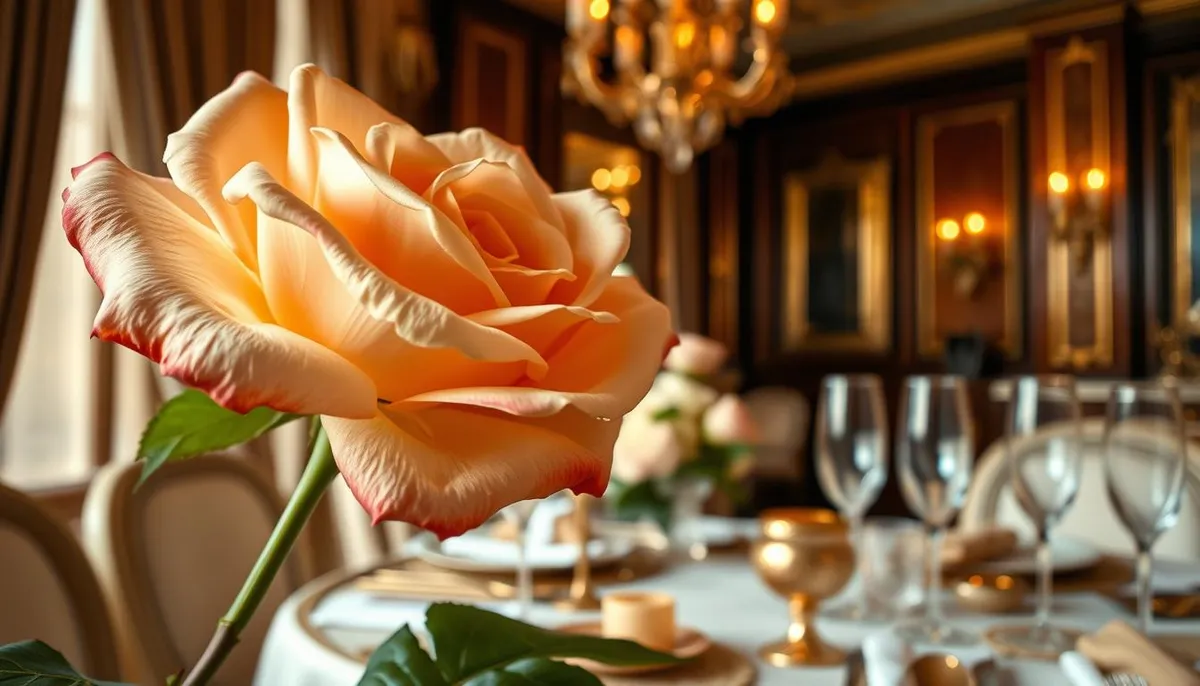
Blushing Elegance and Pearl Pink Perfection for classic romance
Blushing Elegance evokes a subtle dawn hue, conveying genuineness. It accentuates skin tones and radiates under soft lighting.
Pearl Pink Perfection introduces a timeless pink shade, enhancing bridal arrangements and ceremonial paths. Together, these tones embody sophistication for refined gatherings.
Creamy Celebration and Golden Bubbly for luxe events
Creamy Celebration combines cream and ivory shades, reminiscent of a first celebratory toast. Its petals add a sumptuous texture both visually and tactilely.
Golden Bubbly brings forth a rich, golden hue, perfect for upscale venues. These colors flourish alongside premium rosé or exclusive sparkling selections.
Raspberry Fizz, Lavender Sparkle, Peachy Bloom, and Vintage Velvet for bold accents
Raspberry Fizz introduces a vibrant berry tone for contemporary contrast. Lavender Sparkle provides a cool, lavender hue that complements neutral linens.
Peachy Bloom offers a warm, peachy shade, softening table settings. Vintage Velvet adds a rich, wine-like depth. These selections idealize the spotlight in a champagne rose centerpiece during festive events.
- Monochrome romance: Blend Blushing Elegance with Pearl Pink Perfection for a calm, seamless look.
- Luxe contrast: Pair Golden Bubbly with Vintage Velvet to mirror the glamour of nighttime cityscapes.
- Garden-chic: Combine Creamy Celebration with ‘Comtes de Champagne’ for added texture and fragrance.
- Modern pop: Incorporate Raspberry Fizz and Lavender Sparkle in decorative elements like napkin accents and boutonnières.
Throughout each segment of the celebration, from aisle walks to dinner, these color compositions direct the visual experience. Matching blooms with beverages—select rosés for gentleness, exclusive sparkles for brightness—harmonizes the atmosphere, enveloping guests from the initial toast through the concluding dance.
Where to Source: Champagne-Colored Flowers and Special Occasion Wine
Matching blooms and bottles requires attention to both color fidelity and service excellence. To actualize your vision, align carefully chosen champagne-colored flowers with either a bubbly rosé or an exquisite champagne. Additionally, collaborating with reputable hotel beverage suppliers can enhance this alignment, ensuring that your selections reflect the celebratory essence of your event while adhering to your budget considerations for special occasion wine.
Partnering with reputable florists for quality and delivery
Engage with florists that excel in understanding color palettes. La Belle Fleur offers a selection of roses, lilies, and carnations in soft champagne hues, ensures quality at arrival, and prepares for temperature fluctuations during transit.
Insist on photographic evidence prior to dispatch and clarify delivery timings. Should shortages arise, demand alternatives within the champagne color range to maintain your event’s visual integrity.
Selecting a bubbly rosé or luxury rosé to match your floral theme
Choose your wine based on complementing shades. A pale salmon bubbly rosé enhances pearl pink and cream floral designs. Conversely, deeper hues sync well with Raspberry Fizz or Vintage Velvet for a compelling and photogenic presentation.
Prepare for higher costs associated with rosé Champagne, attributed to its scarce production and the blending process. Diversify labels and styles in your wine selection to cater to both reception toasts and dining experiences.
Looking for Champagne? We’ve got you covered. Discover the finest selections, ready to be exported anywhere in the world. Request your personalized quote today on https://champagne-export.com.
For global champagne procurement, trust experts in exports who promise vintages and cuvées that complement your event theme. As a trusted prosecco supplier, they ensure availability, simplify logistics, and guarantee timeliness for your celebration.
Verify timelines, understand import regulations, and review packaging details. Partnering with the right experts means your champagne and floral arrangements will be perfectly synchronized, highlighting your event.
Conclusion
The moment of toasting with champagne brings a sophisticated element to every significant celebration, from exchanging vows to commemorating major milestones. The incorporation of soft neutrals and the luminescence of sparkling rosé cultivates a harmonious ambiance. This is true whether these elements are presented on a table setting or within hand-tied floral arrangements. In unison, the presence of flowers and champagne initiates an atmosphere of refined celebration, devoid of any rigidity.
The ‘Comtes de Champagne’, a creation by David C. H. Austin, is distinguished by its honeyed fragrance and apricot hues that gracefully transition to a soft cream with time. This and similar curated color schemes, such as Creamy Celebration and Golden Bubbly, exude warmth. They convey a sense of sophistication and attentiveness. Such selections are perfectly suited not only for traditional wedding ceremonies but also for intimate dining occasions, where the emphasis lies on texture, aroma, and color.
It is vital to harmonize the choice of flowers with the appropriate champagne selection. Rosé Champagne is typically a blend that includes a small proportion of low-tannin red wine. This intricate blending process contributes to the premium pricing of many brands. When these carefully selected champagnes are paired with roses of similar hues, the overall experience is significantly enhanced. Each sip becomes deliberately impactful and lasting in memory.
Growing roses requires ample sunlight and well-drained soil, yet alternatives like crafting crepe-paper replicas or acquiring fresh arrangements from reputable florists lead to an equally cohesive aesthetic. Complementing these floral designs with either premium champagne or a matching sparkling rosé completes the setting. Such meticulous planning ensures the event radiates an aura of effortless elegance.
FAQ
What does “champagne moment rose” mean in event design?
It signifies combining champagne-hued roses with the tradition of sparkling rosé toasting. This aesthetic incorporates pearl pink, cream, and pale apricot flowers, alongside semi-glossy leaves. It reflects the effervescence of celebratory champagne, ideal for sophisticated gatherings.
Why are champagne-colored roses popular for weddings and milestone parties?
These roses convey elegance, grace, and careful consideration through their symbolism. Their palette—ivory, cream, pale pink, and apricot—not only photographs well but also complements bridal attire. It harmonizes with the opulence of champagne and rosé servings at extraordinary events, making event champagne services essential for a truly memorable experience.
Which varieties are commonly used to achieve champagne tones?
Florists prefer varieties like Quicksand, Sahara, and Early Grey, among others, for champagne hues. Designers incorporate flowers like Blushing Elegance and Golden Bubbly to weave a narrative of luxury. Raspberry Fizz and Vintage Velvet provide a striking contrast.
Who bred the English shrub rose ‘Comtes de Champagne’ and what’s its appeal?
Bred by David C. H. Austin in 1992 and introduced in 2001, ‘Comtes de Champagne’ honors Taittinger’s luxury champagne. It features semi-double, cupped flowers that transition from yellow to pale apricot, emitting a sweet, honeyed scent.
How does ‘Comtes de Champagne’ perform in the garden?
This rose grows into a medium, bushy shrub, reaching 3–4 feet in height with a 4–5 foot spread. Its semi-glossy, deep green leaves complement the clusters of fragrant blooms. These flowers are splendid for creating champagne moment rose tablescapes and enhancing home gatherings.
What growing conditions help champagne-toned roses thrive?
Cultivate these roses in full sunlight for at least six hours daily, using well-drained soil with a slightly acidic to neutral pH. Water the plants at their base to maintain evenly moist soil. Apply mulch to preserve moisture and provide balanced nutrients for continuous, robust flowering.
How should I manage pruning, pests, and disease?
Commence pruning in late winter or at the start of spring to eliminate dead wood and aerate the plant’s center. Remove wilted flowers to promote new growth. Stay vigilant for black spot, powdery mildew, aphids, and spider mites, employing preventive methods and addressing infestations promptly.
What makes rosé Champagne a premium choice for toasts?
Rosé Champagne, crafted by blending still white wine with a small proportion of red wine from Champagne, is a symbol of exclusivity. The scarcity and quality of the red wine used elevate the cost, rendering it a lavish choice for sparkling wine ceremonies.
How do I choose a bubbly rosé to match my floral palette?
Match the wine’s tint and character to your floral arrangement for a cohesive theme. Opt for pale salmon rosé to complement lighter flowers; richer tones for deeper accents. Select wine based on its profile, sweetness, and color depth to uphold the elegance of your celebration.
What are design tips for centerpieces that echo sparkling rosé?
Create a bubbly effect by arranging flowers from pearl pink to creamy ivory to pale apricot, ensuring some space between them. Incorporate various textures and colors for dynamic interest. Include ‘Comtes de Champagne’ roses for their aroma and to unify the celebratory theme.
Where can I source champagne-colored flowers with reliable delivery?
Partner with reputable florists who specialize in champagne shades to ensure precise color, quality stems, and punctual delivery. Request detailed photos of each stem, verify correct handling practices, and arrange delivery shortly before your event to guarantee floral freshness.
How do I access premium champagne or exclusive sparkling wine worldwide?
For a global selection and shipment, obtain a custom quote at https://champagne-export.com. This service offers a convenient means to acquire elite champagne and sparkling wine that complements your flower selections for any significant event.
Can DIY crepe-paper roses look realistic for events?
Absolutely. Craft realistic roses using crepe paper in shades of pink, cream, and apricot. Mold petal edges for natural appearance and assemble them around a tight bud core. Attach them to floral wire stems and add leaves for a refined finish, whether for table décor or accent pieces.
How can I keep tablescapes cohesive from garden to glass?
Synchronize your flower colors with the wine hue. Match pale salmon wines with light-colored roses, integrating greenery through table accents. Choose glassware that complements the setting for a harmonious, upscale, and picture-ready arrangement.
What budget considerations should I know for rosé Champagne?
Prepare for higher costs compared to standard white Champagnes, due to the rare and high-quality red wine required. Assess the producer’s renown, whether the champagne is vintage, and its sweetness. For extensive gatherings, consider serving premium champagne for toasting alongside more economically priced options.
Any quick care tips to keep cut champagne roses fresh for the event?
Trim stems diagonally, immerse in clean, tepid water with floral preservative, and store in a cool, shaded area away from direct sunlight and drafts. Remove any leaves below the water line, change the water daily, and position the flowers away from ripening fruits to extend their vibrancy.