Reanna, Wine Advisor Team Director, published this guide on April 15, 2026. This short intro explains how acidity and lively bubbles shape ideal food pairings for sparkling wine.
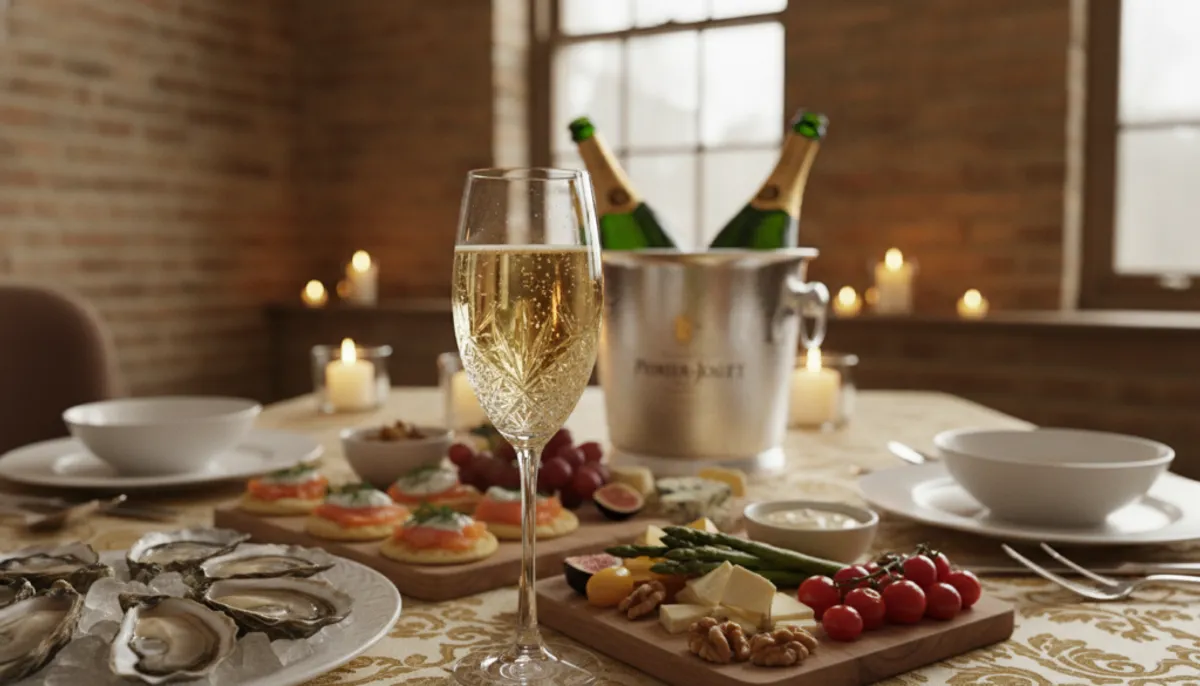
Oysters remain the classic match for their briny edge and mineral notes. That contrast shows the wine’s clarity and balance in a simple, elegant way.
Think about salt, fat, and texture when planning a meal. Small starters and richer main courses react differently to the wine’s effervescence. Use contrast or harmony to lift every dish.
This guide explores star dishes and easy pairings. You’ll get practical tips to pair plates across a full menu and create memorable dining moments.
Key Takeaways
- Reanna’s guide highlights acidity and bubbles as pairing drivers.
- Oysters are a classic pairing that showcases mineral notes.
- Balance salt and fat to improve each pairing.
- Start with light starters and build to richer mains.
- Use texture and contrast to make meals shine.
Understanding the Versatility of Brut Champagne
Understanding the base grapes and style helps you match a bottle to a menu with confidence.
Blanc blancs come from white grapes like Chardonnay, Pinot Blanc, Pinot Gris, Arbane, and Petit Meslier. These wines tend to be bright, citrus-driven, and precise. They suit lean, mineral-driven dishes that benefit from acidity.
Blanc noirs use dark-skinned grapes such as Pinot Noir and Pinot Meunier. These add body and red-fruit notes. The result is broader, often more savory, and a great match for richer plates.
This guide shows that different styles of champagnes span light to complex. Knowing the grapes guides your selection and improves any food pairing. Versatility is their strength: choose a style that complements the flavors and textures of your dishes. For further understanding and exploration, consider diving into champagne industry insights that can enhance your pairing knowledge.
| Style | Primary Grapes | Typical Character | Good Match for |
|---|---|---|---|
| Blanc de Blancs | Chardonnay, Pinot Blanc | Lean, zesty, mineral | Shellfish, salads, light starters |
| Blanc de Noirs | Pinot Noir, Pinot Meunier | Richer, red-fruit, textured | Poultry, creamy sauces, roasted dishes |
| Blended Styles | Mixed grapes | Balanced, versatile | Wide range of dishes |
Why Brut Champagne Pairs Beautifully with Food
A lively bottle lifts flavors by cutting richness and sharpening contrast at the table.
The Role of Acidity
High acidity gives this style a crisp, refreshing edge. It slices through fatty sauces and rich proteins like a squeeze of lemon.
This cleansing effect keeps each bite tasting fresh. That’s why high acidity often pairs beautifully across many savory dishes.
Effervescence and Texture
Fine bubbles add texture and lift. The effervescence brings lightness and highlights subtle aromatic notes.
Bubbles also create structural tension, so the wine stands up to complex flavors without overwhelming them.
- High acidity acts like citrus, refreshing the palate.
- Structural tension helps handle creamy or roasted dishes.
- Rosé champagne contributes extra fruit notes that play well with acidity.
- Blanc de Blancs and Blanc de Noirs offer different depth for matching dishes.
| Element | Effect on Taste | Best Match |
|---|---|---|
| High acidity | Cleanses palate, brightens flavors | Rich sauces, fried snacks, shellfish |
| Effervescence | Adds texture, enhances aromatics | Salty starters, creamy desserts, cheese |
| Sweetness level | Controls harmony with ingredients | Match drier styles to savory; sweeter to desserts |
Appetizers and Starters to Elevate Your Experience
Start your meal with small, bright bites that let bubbles and acidity shine. Starters set the tone and create a clear stage for a successful champagne food pairing.
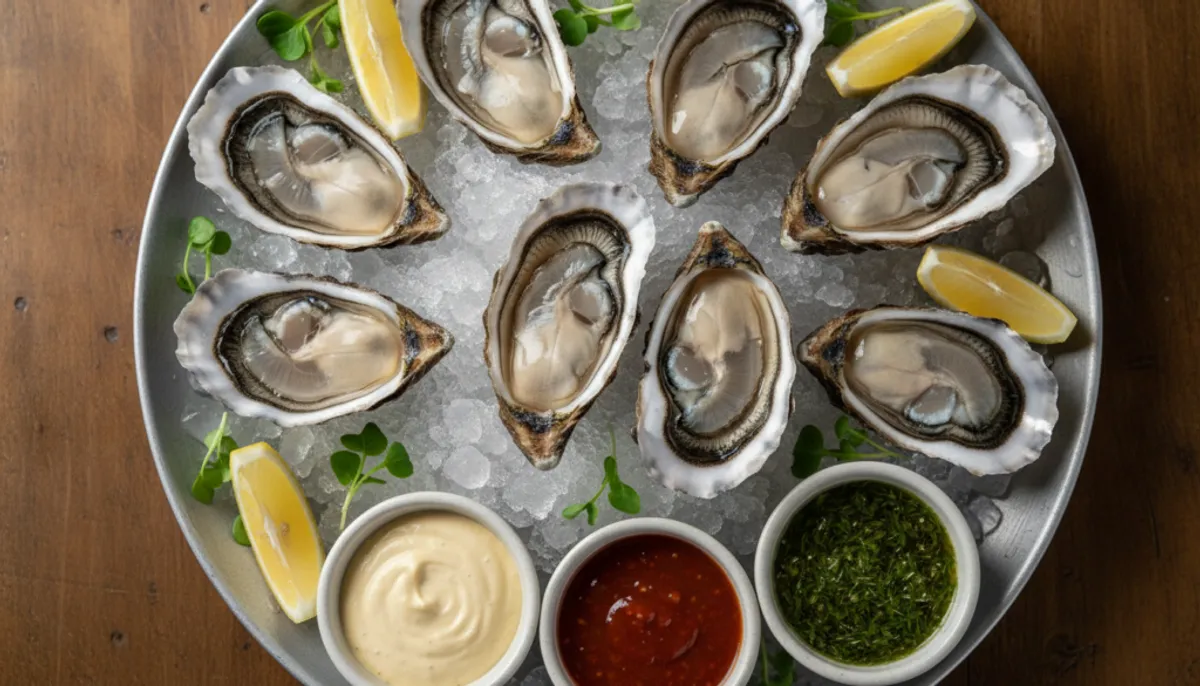
Oysters and Shellfish Classics
Oysters are the archetypal match: their brine complements mineral-driven blanc blancs.
Choose Brut Nature or Extra Brut for oysters. Low sugar levels cut through the fatty texture and highlight saline notes.
Caviar on blinis with crème fraîche is another luxurious opener. A vintage bottle or a structured wine brings out subtle umami and the cream’s richness.
For richer shellfish, like lobster served with drawn butter, pick a fuller style. The effervescence and acidity balance the butter’s fat and lift the dish.
- Bubbles act as a palate cleanser between bites.
- Saltiness and structure create reliable pairings for seafood starters.
- Match the wine’s body to the starter’s richness for harmony.
What Food Goes With Brut Champagne for Main Courses
Choose a style that balances the dish’s weight, from delicate fish to roasted poultry, while also considering wine import duties. This helps you pick the right bottle for each main course. Think in terms of acidity, structure, and sweetness level.
Poultry and Cream Sauces
Chicken in a cream sauce meets the wine’s mousse and keeps the palate lively. High acidity cuts through fat and prevents the dish from feeling heavy.
Roast chicken works well with almost any bottle; the acidity trims gravy and lifts herbs. Rosé champagne adds subtle fruit that can highlight roasted skin.
Seafood Mains
For grilled salmon or seared fish, choose a bottle with toasty notes to match smoky elements. Lobster with drawn butter pairs with fuller styles that tame rich butter and bring balance.
Vegetarian Delights
Mushroom risotto benefits from autolytic complexity in richer styles like blanc blancs or fuller blends. The minerality and subtle yeast notes support earthy mushrooms and creamy textures.
- Roast chicken: acidity cuts through richness.
- Grilled salmon: smoky fish meets toasty bottle notes.
- Mushroom risotto: richer styles add depth and balance.
- High acidity: balances fat in cream sauces.
- Consider sweetness: avoid clashes with savory dishes.
| Dish Type | Suggested Style | Why It Works |
|---|---|---|
| Roast chicken | Blanc de Blancs or blended styles | Acidity cuts gravy, cleanses palate |
| Chicken in cream sauce | Richer blanc noirs or structured blends | Mousse and acidity balance fat |
| Grilled salmon | Toasty, oak-influenced bottle | Smokiness matches toasted notes |
| Lobster with butter | Fuller style or vintage | Structure stands up to butter richness |
| Mushroom risotto | Autolytic, richer champagnes | Yeast notes complement earthiness |
The Art of Pairing Cheese with Sparkling Wine
A great pairing highlights contrast between a wine’s lift and a cheese’s weight.
The effervescence cuts through creamy, high‑fat cheeses and refreshes the palate after each bite. This makes triple‑cream options like brie or camembert ideal partners for a bright blanc blancs. A Taittinger-style bottle often shines here, its citrus and yeast notes balancing butter and cream.
By contrast, nutty, aged cheeses echo autolytic and toasty notes. Comté, Gruyère, and aged Manchego pair beautifully with blanc noirs or fuller blends. Their savory depth mirrors toasted flavors and adds harmony to the dish.
- Creamy cheeses: choose lighter, high-acidity bottles to cut richness.
- Aged cheeses: pick structured, toasty styles to echo nutty notes.
- Balance intensity: match cheese strength to the wine’s body and grapes.
| Cheese Type | Suggested Style | Why It Works |
|---|---|---|
| Triple‑cream (Brie, Camembert) | Blanc de Blancs (bright, high acidity) | Bubbles cleanse buttery texture and lift flavors |
| Aged nutty (Comté, Gruyère) | Blanc de Noirs or fuller blends | Nuts and umami mirror toasty, autolytic notes |
| Washed‑rind or pungent | Structured vintage or richer blends | Robust bottles stand up to strong aromas |
Creative Pairings for Fried and Salty Snacks
Fried and salty bites are perfect partners for sparkling bottles because the contrast cleanses the mouth and keeps flavors lively.
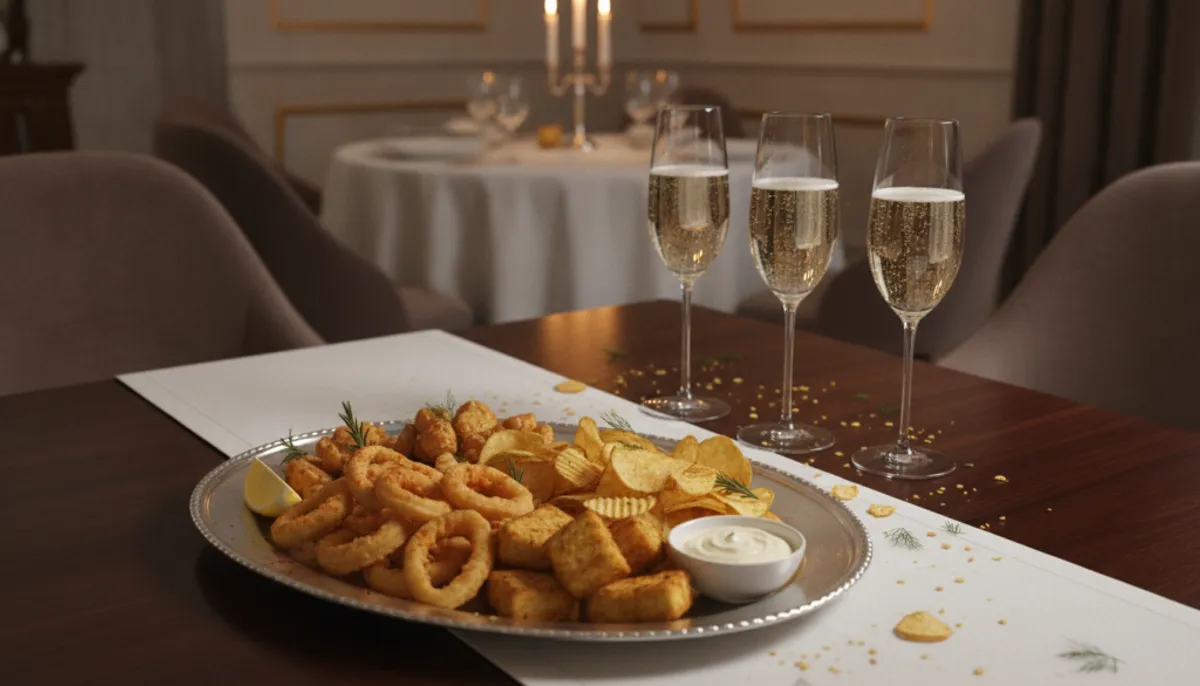
The Fried Chicken Benchmark
Fried chicken is the classic test for a bottle. The acidity cuts through the fat of crispy skin and refreshes the palate.
That same effervescence brightens fried calamari like a squeeze of lemon. Rosé champagne brings a hint of fruit that can calm spicy coatings. Try a crisp Charles Heidsieck with truffle popcorn for a luxe movie-night twist.
Snacks That Shine
Even simple items—potato chips, tempura, or caviar-topped blinis—gain lift from bubbles. Blanc blancs suit light, salty starters while blanc noirs partner richer, umami snacks.
- Fried chicken: acidity slices fat and refreshes.
- Spicy fried foods: rosé tones down heat with fruit notes.
- Truffle popcorn: salt and earth meet a crisp, toasty bottle.
| Snack | Suggested Style | Why It Works |
|---|---|---|
| Fried chicken | Blanc blancs | High acidity cuts fat, bubbles cleanse palate |
| Truffle popcorn | Crisp, toasty wine (Charles Heidsieck) | Salty, earthy notes balance freshness |
| Tempura or chips | Light, bright bottles | Effervescence adds lift and contrast |
Navigating Sweetness Levels for Dessert Pairings
Balancing dessert sweetness and bottle style is the last, crucial step to a memorable meal.
The fundamental rule: the dessert must not be sweeter than the bottle. If it is, the wine will taste thin or sour and the finish will feel out of place.
Choose a Demi-Sec style for richer desserts like crème brûlée, sticky toffee, or almond tarts. The extra sugar in the bottle mirrors the dish’s richness and creates a smooth finish.
Light fruit desserts—lemon tart, poached pears, or simple macarons—can pair well with drier bottles because the wine’s acidity echoes the fruit and brightens each bite.
- Always match sweetness intensity: wine should be as sweet or sweeter than the dessert.
- Avoid dry bottles with overly sweet desserts; contrast becomes unpleasant.
- This guide shows that correct sweetness balancing makes dessert pairings feel natural and complete.
| Dessert Type | Suggested Style | Why It Works |
|---|---|---|
| Light fruit tart | Drier style | Acidity highlights fruit notes and refreshes |
| Crème brûlée | Demi-Sec | Sugar balances richness and caramel notes |
| Macarons | Demi-Sec or off-dry | Sweetness complements delicate fillings and fruit |
Expert Tips for Serving and Sourcing Your Bottle
Serve the bottle well chilled to preserve delicate bubbles and bright acidity. Aim for 45–50°F depending on the style to keep aromatics clear and mousse fine.
When you pair champagne with dishes, match the intensity of the wine to the plate. Balance sweetness against desserts and acidity against rich sauces. This helps lobster, caviar, fish, or chicken feel lively rather than heavy. Additionally, consider sourcing from wedding champagne suppliers to find the perfect bubbly for your special day.
- Chill bottles 30–45 minutes in a fridge or 10–15 minutes in an ice bucket.
- Serve drier styles with savory dishes; choose slightly sweeter options for rich desserts.
- Experiment with different styles and champagnes to find favorites for your menu.
| Action | Why | Example |
|---|---|---|
| Chill 45–50°F | Preserves bubbles and acidity | Blanc de blancs for oysters |
| Match intensity | Prevents clashes of sugar or weight | Demi‑Sec for crème brûlée |
| Source smart | Get needed styles and vintages | Request a quote for a bottle |
Looking for Champagne? Discover fine selections ready for export from canadian champagne suppliers. Request your personalized quote today at https://champagne-export.com to source the perfect brut champagne and elevate your dining experience.
Conclusion
A well-chosen bottle can turn a simple meal into a memorable event. Match the wine’s body to the dish and keep service temperature in mind. These small moves lift every course.
Focus on acidity and sweetness when planning food pairings. Acidity brightens rich plates and a touch of sugar can tame desserts. Use contrast or harmony to shape balance on the table.
Champagne rewards a little experimentation. Try light starters, richer mains, and cheeses to see how bubbles change texture. Trust your palate and have fun discovering new matches.
Enjoy your next meal and raise a glass to confident food pairing. Cheers to many joyful dinners.