Looking for top-tier bubbly? This article gives a clear roadmap for businesses that want to bring premium sparkling wine to a growing Southeast Asian market in 2027. Vietnam remains a strong buyer of luxury alcohol, and success hinges on following trade standards and local rules.
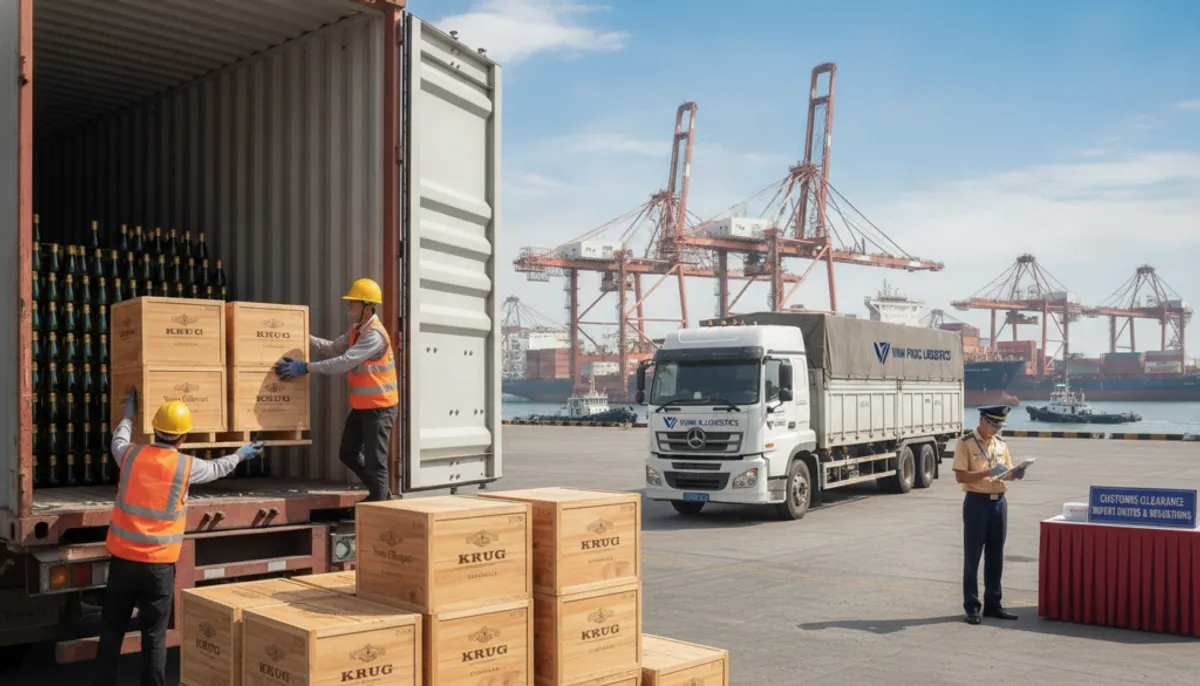
We’ve got you covered. You will find practical steps on documentation, customs checks, labelling requirements, and logistics. Our guide explains how to prepare shipments, secure permits, and work with local agents to reduce delays.
Need a tailored quote? Discover the finest selections, ready to be exported anywhere in the world. Request your personalized quote today at https://champagne-export.com and get expert help to keep your supply chain compliant and efficient.
Key Takeaways
- Vietnam is a growing market for premium wine and luxury alcohol.
- Follow international trade standards and local customs rules to avoid delays.
- Proper labelling and documentation speed clearance at ports.
- Work with experienced local partners to manage logistics and compliance.
- Request a personalized export quote at the supplier site for tailored support.
Understanding the Regulatory Landscape for Importing Champagne into Vietnam
A clear grasp of local rules, including import regulations morocco, makes it easier to move wine through ports and into retail channels.
Alcohol Import Policies
The Ministry of Industry and Trade requires a license for any alcohol with alcohol content of 5.5% or higher. This license is mandatory before shipment arrival. Securing the license early prevents costly delays at customs.
Compliance Standards
Decree No. 128/2020/ND-CP sets labeling rules for imported goods. Labels must show clear product information, safety details, and local language translations.
Food safety and hygiene rules apply to all alcoholic beverages. Inspection procedures check documentation, labelling, and product safety to protect public health.
- The Ministry of Industry and Trade mandates an import license for alcohol ≥5.5% ABV.
- Decree 128/2020/ND-CP governs labeling and product identification.
- Food safety inspections verify hygiene, documentation, and consumer safety.
- Our team at https://champagne-export.com helps you navigate regulations and secure compliant shipments.
| Requirement | Applies To | Result |
|---|---|---|
| Import License | Alcohol ≥5.5% ABV | Must be obtained from Ministry of Industry and Trade |
| Labeling Standard | All imported wine and beverages | Must follow Decree 128/2020/ND-CP |
| Food Safety Inspection | All alcoholic products | Checks hygiene, documents, and safety compliance |
Essential Documentation and Licensing Requirements
Correct paperwork is the fastest route from dock to distributor for premium wine. Understanding wine bottle dimensions is crucial, as Circular 38/2015/TT-BTC and Circular 39/2018/TT-BTC define the core documents needed for any alcohol import order.
Key paperwork includes a commercial invoice, bill of lading, certificates of origin, and the mandatory import permit for high-alcohol items. Prepare the customs declaration carefully to avoid holds.
A wine distribution license from the Ministry of Industry and Trade is required to operate. Licenses last five years and the company must show a minimum balance of 1 billion VND to qualify.
- Keep registration and company records ready for inspections.
- Accurate certificates speed clearance at ports.
- Follow procedures in the correct order to reduce delays.
| Requirement | Who | Why |
|---|---|---|
| Import permit | Shippers of alcohol ≥5.5% ABV | Needed for customs clearance |
| Distribution license | Company | Valid 5 years; 1 billion VND minimum balance |
| Certificates & invoice | Exporter / importer | Prove origin and value for tax and duty |
Looking for sparkling selections? We’ve got you covered. Discover the finest options and request a personalized quote today at https://champagne-export.com for full support with documents and compliance.
Navigating HS Codes and Tariff Classifications
Choosing the right HS code prevents delays and costly penalties at customs. Classifying goods correctly is the first step in any import export plan for wine and other alcohol products.
Key classification rule: HS Code 22041000 specifically covers sparkling wine, the tariff line used for champagne shipments. Use this code when the product meets the defined composition and alcohol volume.
Risks of Incorrect Classification
Declaring the wrong code can trigger fines from 2,000,000 VND up to three times the tax due. Mistakes also cause hold-ups during customs checks and add storage costs.
- Determining the correct HS code like 22041000 is critical to clear customs fast.
- We check product information, alcohol volume, and composition to classify wine precisely.
- Verifying certificate of origin helps you access preferential rates and reduces value disputes.
| Issue | Impact | Action |
|---|---|---|
| Wrong HS code | Fines & delays | Reclassify with verified product data |
| Unverified origin | Higher duties | Confirm certificate of origin |
| Incorrect volume declaration | Inspection holds | Audit lab reports before filing |
Looking for Champagne? We’ve got you covered. Discover the finest selections, ready to be exported anywhere in the world. Request your personalized quote today on https://champagne-export.com and let our team verify every code and value field before submission.
Calculating Import Taxes and Special Consumption Duties
Understanding how each tax layer stacks on the CIF value keeps your margins predictable.

Import Tax Formula
The import tax is applied to the CIF value declared in customs. Use the correct code and accurate documents so the declaration reflects the true value of your goods.
Special Consumption Tax
The special consumption tax for alcohol ranges from 55% to 65% of the CIF value. This tax hits high-alcohol wine hard, so model both low and high rates when planning prices.
Value Added Tax
Import VAT is calculated as (CIF Value + Import Tax + Special Consumption Tax) x VAT Rate %. This added tax applies after other duties have been summed.
- Calculating taxes and duties requires a clear CIF value and correct tax rates.
- We help your business handle value added tax, import tax, and the customs declaration accurately.
- Looking for Champagne? We’ve got you covered. Discover fine selections and request a personalized quote at https://champagne-export.com.
| Tax Type | Base | Typical Rate / Note |
|---|---|---|
| Import Tax | CIF Value | Varies by code; must match HS code for wine |
| Special Consumption Tax | CIF Value | 55%–65% for alcohol products |
| Import VAT | (CIF + Import Tax + SCT) | Apply VAT rate to summed base |
Food Safety Standards and Quality Inspection Procedures
Food safety checks are the gatekeeper for any wine shipment entering local markets.
Decree 15/2018/ND-CP requires an ATTP declaration and formal registration before the inspection process starts. Tests focus on heavy metals, chemical limits, and microbiological safety for alcoholic beverages.
Prepare accurate documents and health certificates to speed the declaration and customs clearance. Missing paperwork is the most common cause of delays.
- Food safety and quality inspection procedures are mandatory under Decree 15/2018/ND-CP.
- We help prepare registration documents for the Ministry of Health and manage lab testing.
- Tests include chemical, heavy metal, and microbiological checks to protect consumer health.
| Step | What is Checked | Typical Outcome |
|---|---|---|
| Registration | ATTP declaration, certificates | Clears paperwork for inspection |
| Laboratory testing | Heavy metals, chemical, microbiological | Pass or corrective action required |
| Customs release | Declaration, value, volume | Goods cleared for distribution |
Looking for Champagne? We’ve got you covered. Discover the finest selections, ready to be exported anywhere in the world. Request your personalized quote today on https://champagne-export.com. Our team monitors inspections to prevent delays and ensure products meet safety and quality standards for legal consumption and sale.
Mandatory Labeling Requirements for Alcoholic Beverages
Labels are the public face of any bottle and must meet strict local rules before customs will clear your goods.
Decree No. 89/2006/ND-CP and Decree 128/2020/ND-CP set the standard for imported alcoholic beverages. Labels must show the product name, origin, importer details and clear Vietnamese translations.
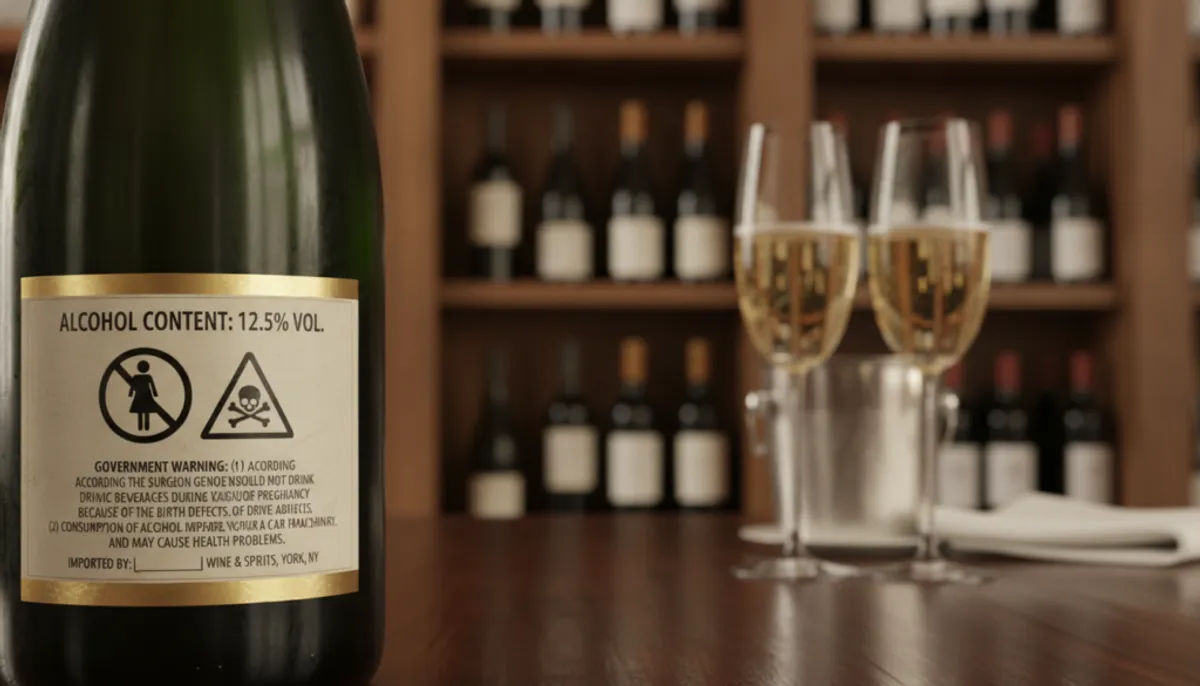
Proper labeling speeds the customs declaration and helps pass quality inspection without delays.
- Mandatory labeling requirements for alcoholic beverages ensure consumers get accurate information.
- We design and verify labels that follow Decree No. 89/2006/ND-CP so your wine meets local rules.
- Every label must include origin, importer contact, alcohol content and safety warnings in Vietnamese.
- Correct labels reduce issues with documents, declaration and food safety procedures at inspection.
| Label Element | Required | Why |
|---|---|---|
| Product name | Yes | Identifies goods for customs and consumers |
| Origin & importer | Yes | Proves origin and contact for inspection |
| Alcohol content & warnings | Yes | Meets food safety and consumption rules |
Looking for Champagne? We’ve got you covered. Discover the finest selections, ready to be exported anywhere in the world. Request your personalized quote today on https://champagne-export.com.
Sourcing Premium Champagne for Global Export
A trusted sourcing partner protects product quality from cellar to customs clearance. We offer a wide range of premium champagne selections ready for global export to any destination, including proper sparkling wine storage to maintain quality during transit.
Our logistics network treats every bottle with care. Shipments move under temperature control and secure packing to preserve quality and value.
Looking for Champagne? We’ve got you covered. Request a personalized quote today on https://champagne-export.com and access our global network.
- We manage sourcing, documentation, and customs declaration procedures to reduce delays for your order.
- Our team supports company registration and the license steps needed for smooth import export operations.
- Experts provide clear information on volume, code, and product declaration so your goods clear fast.
| Service | Benefit | Result |
|---|---|---|
| Sourcing quality wines | Verified producers and lab reports | Consistent product quality |
| Customs & declaration | Accurate codes and documents | Faster clearance and lower risk |
| Logistics & handling | Controlled transport and storage | Preserved taste and market value |
Conclusion
Final clearance rests on precise documents, transparent value reporting, and proactive liaison with customs. Keep declarations accurate and model tax impact early to avoid surprises. Clear paperwork helps move quality wine through local checks fast.
Follow south africa customs regulations and food safety steps to protect consumers and your brand. Proper labelling and a correct declaration cut inspection time and reduce fines.
Need support? Request a personalized quote at https://champagne-export.com for export planning and hands-on help. Our team guides your business through each step so your wines arrive ready for market in Vietnam.