Looking for Champagne? We’ve got you covered. This guide gives clear, practical information for U.S. businesses and any importer planning entry to the Hungarian market.

The global trade of delicate wine products calls for careful planning. You must meet customs rules, secure the right license, and calculate taxes before shipment.
Champagne-export.com offers personalized quotes and tailored export services to help your product move smoothly and protect your name and brand.
We explain key requirements for product labelling, document checks, and duties so you can focus on growing your business. With the right support, managing entry and handling goods across borders becomes a straightforward part of your trade strategy.
Key Takeaways
- Understand customs and labeling rules to avoid delays and fines.
- Secure the proper license early in your export planning.
- Calculate taxes and duties to keep your margins healthy.
- Use expert services like Champagne-export.com for tailored quotes and logistics.
- Protect your brand name at every stage of the supply chain.
Understanding the Regulatory Landscape for Importing Champagne into Hungary
Successful entry to the Hungarian market starts with a firm grasp of customs, taxes, and quality rules, including understanding alcohol imports malaysia. Start by identifying the authority that oversees cross-border goods. The Hungarian Finance and Customs Guard, at Hungária krt. 112-114, H-1143 Budapest, enforces customs requirements for all shipments.
Tariffs and Taxes
Use the EU Tariff and Taxation Union TARIC database for the latest information on tariffs and taxes. Accurate classification of your product name helps avoid delays and unexpected charges. Verify the date of compliance when you import from third countries so your license remains valid.
Oenological Standards
Oenological rules set quality, content, and labelling requirements for sparkling wine. Meet these standards to protect your brand and succeed in a competitive market. Proper documentation and the specific use of forms required by authorities make customs clearance faster.
- Key contacts: Hungarian Finance and Customs Guard, Budapest address above.
- Key source: TARIC database for taxes and trade codes.
- Pro tip: Classify your product name correctly and confirm license dates before shipment.
Essential Documentation and Customs Procedures
Clear, correct paperwork speeds customs clearance and keeps shipments moving.
Required Import Paperwork

Every importer must submit a Single Administrative Document (SAD) to customs to allow legal entry of goods. The SAD is the standard EU form and starts the formal clearance process.
For wine from third countries you also need a VI-1 Form or Simplified Export Certificate. This document proves origin and supports any special oenological rules for the product.
- Plan for time-sensitive checks: customs inspections can delay perishable goods, so build extra time into your schedule.
- Protect your name: ensure your company and product details are correct on every form to avoid fines and extra taxes.
- Secure the right license: a valid license is the first step to bring product into the market legally.
We provide the information you need and help organize the export paperwork so your trade runs smoothly across countries and meets all requirements.
Labeling and Compliance Standards for Wine Imports
Getting label content right avoids delays at customs and protects your brand reputation.
EU Directive 2000/13/EC sets the baseline for all wine labels sold within the EU. Labels must state the product name, alcohol content, and a clear list of ingredients, including compliance with turkey alcohol labeling laws. Include the lot identification so officials can trace goods fast.
Accurate information is a mandatory requirement for any importer seeking entry to the market. A correct lot ID and visible ingredient list reduce checks at the border and speed time-sensitive clearance.
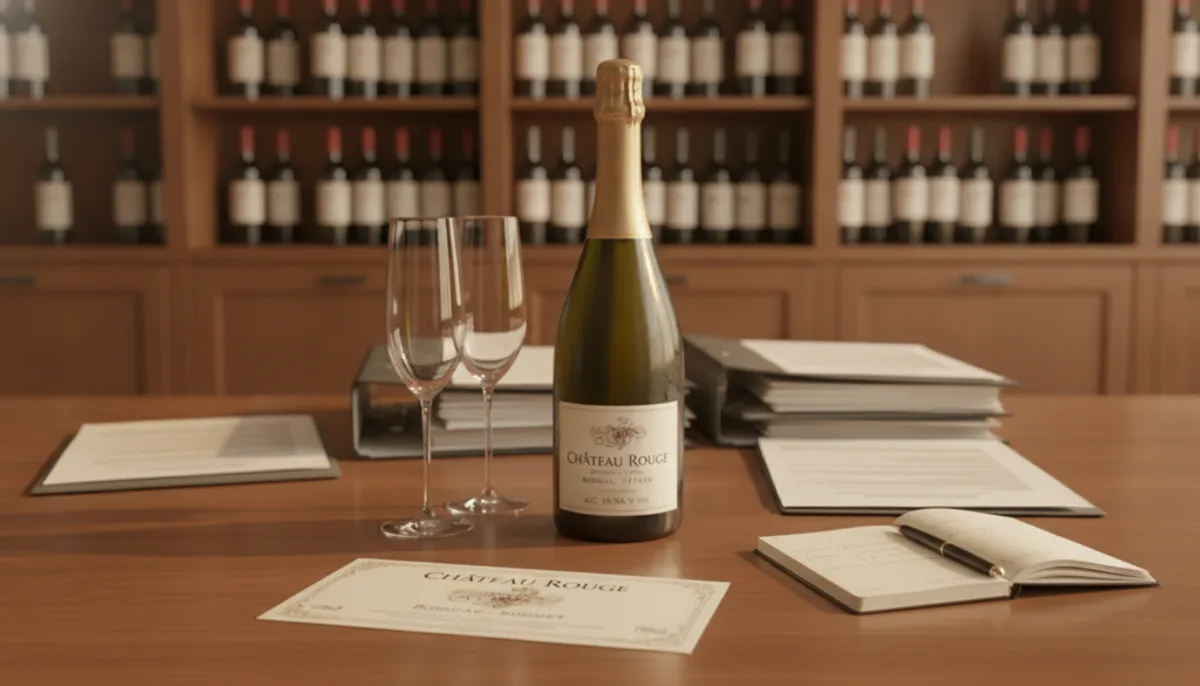
Allergen and terminology rules matter. Use approved terms and mark allergens clearly to avoid fines. Proper labeling is also a business tool that shapes buyer perception and protects your name.
- Follow EU rules for content and date labeling.
- Keep licence and export documents consistent with label data.
- Review labels before shipment to prevent rework at entry.
| Requirement | Must Include | Why it matters |
|---|---|---|
| Product name | Declared trade name | Identifies the product and protects brand name |
| Ingredient list | All ingredients and allergens | Meets consumer safety and customs checks |
| Lot & date | Lot ID and production date | Enables traceability and faster customs entry |
| Alcohol content | ABV percentage | Required by EU labeling rules |
Conclusion
A clear plan for customs, licensing, and labeling cuts risks and keeps shipments moving.
Successfully managing trade requires accurate documentation and up-to-date information. Keep your license current and check taxes before shipment so your business avoids surprises.
Ensure the product name and content details meet EU rules to speed customs entry. Good labels and correct lot IDs protect your brand and shorten checks at the border.
Stay informed on requirements and market changes to keep export operations efficient. Our team helps each importer with practical support and tailored guidance.
With careful prep, you can bring goods to market confidently and grow a lasting presence in the wine sector.