Clear rules matter. Since Croatia joined the European Union in July 2013, movement of goods has changed and borders opened for trade. This guide gives concise information for businesses and individuals handling premium beverages and wine that will cross those borders.
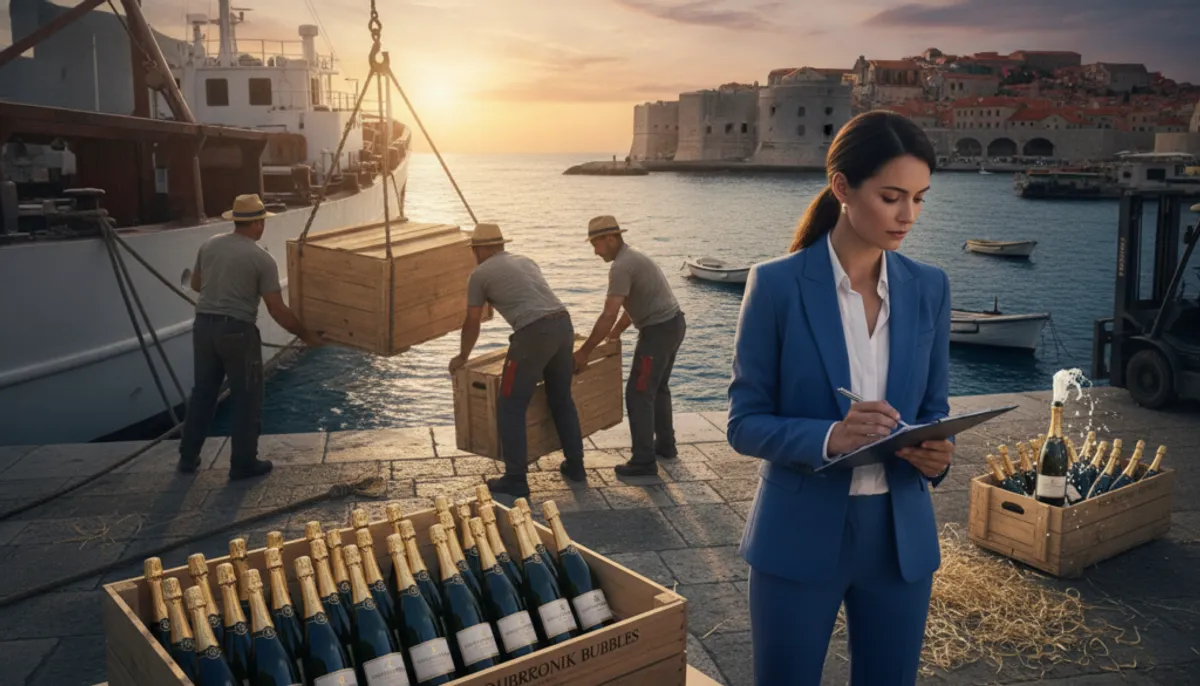
When you import high-value alcohol products, accurate documentation avoids delays at customs. You need the right certificate of origin, clear labels that show alcohol content and alcohol volume, and correct declarations of value, weight, and quantity.
We cover taxes, VAT and excise duty so you know the total duties payable. The guide also explains how third countries must meet specific regulations so their products may enter the market without unexpected fees or refusals.
Whether you ship beer, spirits or fine wine, this short introduction points to the key checks and steps that reduce time and costs at the border.
Key Takeaways
- Accurate paperwork and certificates are essential for smooth customs clearance.
- Label alcohol content and volume clearly to meet local rules.
- Understand VAT, excise and duties to calculate total cost.
- Third countries must follow EU standards to avoid delays or fees.
- Proper planning cuts time and means required for border formalities.
Understanding the Regulatory Framework for Importing Champagne into Croatia
Since July 2013, Croatia has applied the European Union regulatory system for alcoholic beverages. This unified framework standardizes how goods move across member countries and sets clear rules for food safety, labeling, and quality.
The 2006 agreement between the United States and the European Community recognizes established winemaking standards. That means wine produced under these standards can clear customs more smoothly, provided you supply accurate information on value and origin.

EU Membership Impact on Beverage Imports
EU rules govern duties, VAT, and excise for alcohol and other beverages. Importers must show correct value, volume, and product origin to local customs to avoid delays or penalties.
Compliance with Winemaking Standards
Compliance matters. Producers and traders must meet safety and quality regulations so wine and beer products are allowed on the market. Proper labeling that lists alcohol content and origin is part of that compliance.
- Standardized rules: One set of regulations across EU countries.
- Documentation: Accurate value and origin information for customs.
- Tax clarity: VAT, duties, and excise apply and must be calculated up front.
Essential Documentation and Customs Procedures
Simple, accurate documentation makes customs processing much smoother for premium beverages, including a focus on premium champagne values.
Start early: submit the Single Administrative Document (SAD) to the Croatian Customs Administration for all goods arriving from third countries.
Key paperwork includes a commercial invoice, a packing list, and a certificate of origin. For wine from third countries, attach a VI-1 form or a simplified export certificate to satisfy European Union rules.
How to avoid delays
- Declare correct value, volume, and type of product so duties, VAT and excise are calculated accurately.
- Keep a clear list of documents to speed customs checks and support any tax refund claims after sale.
- Note labeling rules such as the 10 mg/liter sulphite threshold for wine content declarations.
| Document | Purpose | Applies to |
|---|---|---|
| Single Administrative Document (SAD) | Customs declaration for goods | All imports from third countries |
| Commercial invoice & packing list | Proves value, quantity, and shipment contents | All beverages and food products |
| VI-1 / Simplified export certificate | Validates wine origin and compliance with EU rules | Wine from third countries |
| Certificate of origin | Verifies product origin for duties and trade rules | All goods where origin affects tax or tariff |
Navigating Taxes, Tariffs, and Labeling Requirements
Clear tax and label steps prevent surprises when you move wine, spirits, beer, or other alcoholic beverages across borders.
VAT matters. Croatia applies a standard 20% Value Added Tax on the customs value of imported goods. Add any applicable duty and excise to calculate the total amount due.
Labels must state product type and net quantity in metric units. An ingredients list in descending weight order is required. Show alcohol content and alcohol volume clearly to meet european union regulations for spirits and wine.

Products may face extra excise duty; please refer to the TARIC database for current rates. For wine, include origin, bottler details, and allergen information such as sulphites within one field of vision.
- Declare correct value, weight, quantity, and type to speed customs clearance.
- Follow procedures for shipments from outside european union countries; they differ from internal trade.
- Keep paperwork ready to reduce time and to support VAT refund claims after sale.
Conclusion and Professional Export Solutions
, A clear export plan saves time and prevents unexpected charges at customs.
Professional support helps you navigate taxes, excise and labeling for alcoholic beverages and wine. Follow rules on value, origin and alcohol content to keep goods moving fast.
We can help. If you are looking for Champagne, including champagne imports bulgaria, we’ve got you covered. Discover premium selections ready for export and request a personalized quote at https://champagne-export.com.
Our team guides every step — from documentation to final tax payment — so your products and food or beverage shipments reach their market with minimal delay.