Only about 5% of the Champagne imported into the United States comes from small estates. These bottles, including small champagne bottles, come from families who tend vines, press grapes, and craft sparkling wine on their own land. The contrast with large houses is striking: brands like Moet Hennessy make over 28 million bottles a year, while estate producers work in small batches.
Each bottle tells the story of a single place and a family’s care. Labels reflect terroir and the vintner’s vision more than a uniform house style. For curious buyers, these selections offer nuance and character you rarely find in mass production.
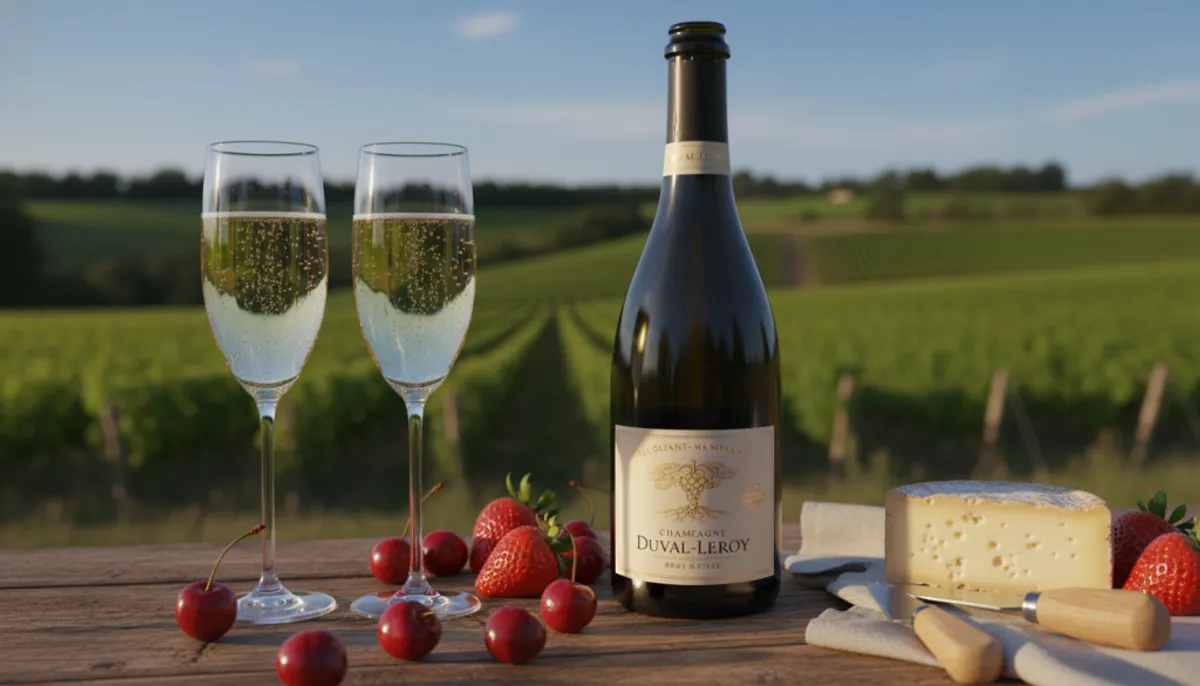
Our short guide will help you navigate these artisanal offerings. Learn how to spot quality, support local producers, and choose the right bottle for a celebration or a quiet evening.
Key Takeaways
- Small estates produce a tiny share of imports, making their bottles rare and prized.
- Estate-made sparkling wine reflects specific vineyards and local care.
- Large houses focus on volume; small producers emphasize terroir and craft.
- Choosing these selections supports traditional, high-quality winemaking.
- This guide will help you find nuanced bottles for special moments.
Understanding What is Grower Champagne
In a bottle from a modest domaine, you taste a single place and a single family’s choices.
A grower champagne means the same farmer tends the vineyards, harvests the grapes, and crafts the sparkling wine. This direct link between land and bottle gives each wine a clear sense of region and style.
Only about 5% of imports to the United States come from these small producers. Big champagne houses like Veuve Clicquot blend grapes from many areas to keep a steady house style year after year. In contrast, estate-made wines change with the vintages and reflect local soil, microclimate, and the vintner’s decisions.
Fans compare these bottles to single-origin coffee: the range of flavors celebrates grapes and vineyards rather than consistency. That makes each bottle a small discovery and a rewarding choice for curious wine lovers.
- A grower manages vineyards and the cellar for a direct land-to-bottle link.
- Small parcels let producers highlight unique terroir across years and vintages.
- These wines offer a wider range of styles than mass-market sparkling wines.
How to Identify Authentic Grower Producers
Reading a champagne label like a map helps you find producers who work their own vines. Start with the back label and small-print codes. A few letters can tell you if the bottle truly comes from a single estate.
Decoding the Label Codes
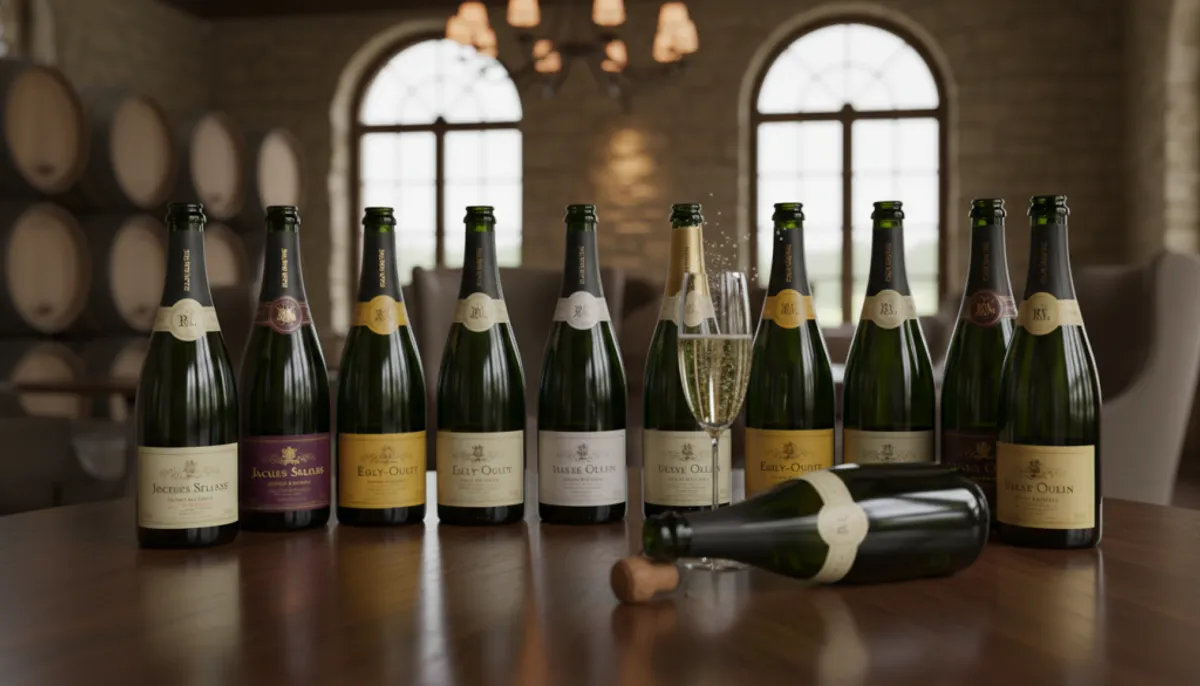
Look for RM on the label. Those letters stand for Récoltant Manipulant and mean the winemaker used only estate grapes. Check the tiny registration number too; it traces the producer in the market and confirms origin.
The Role of Family Heritage
Many estates use hyphenated names to honor family lines and the land they tend. A dedicated winemaker will often pick grapes from named plots inside a single village or vineyard.
These producers work with limited quantities, so their wines show place and year more clearly than bulk labels. By learning to read letters, numbers, and names, you can pick a bottle that reflects true craft and tradition.
Key Differences Between Growers and Large Houses
Family-run estates tend to celebrate their parcel of land rather than chase a steady brand profile.
Terroir matters. Many small producers work a single vineyard or a named plot in a village to show the soil and microclimate. Their wine often reflects that narrow focus and the vintages recorded by the land.
Terroir and Farming Philosophies
Large houses usually buy grapes from many sources to keep a consistent house style year after year, which is also influenced by usa champagne import regulations.
In contrast, a grower spends more time in the vineyards securing quality wine grapes for one lot or a small run. Their name sits on the bottle, so careful farming and harvest choices matter.
- Consistency vs. place: houses blend to match a signature style; growers highlight a single vintage or plot.
- Scale and care: growers often tend vines personally, while big firms manage large networks of suppliers.
- Why it matters: choosing a bottle from a dedicated producer supports regional identity and unique champagnes you can’t find in mass-market lines.
Exploring the Diverse Styles of Small-Batch Wines
Small estates offer a wide range of styles that reward tasting and study.
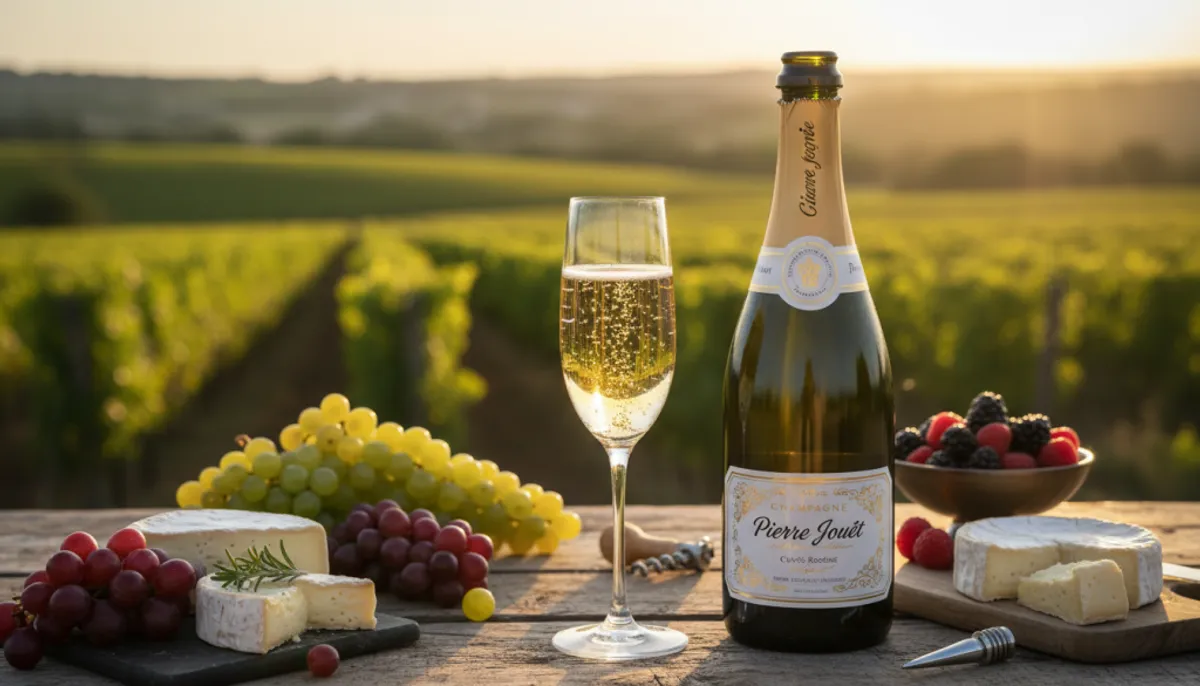
Dosage, rare grapes, and vintage choices shape each bottle. Many producers favor Brut Nature to highlight pure wine grapes. Other lots show more sugar for softer fruit and roundness.
The Impact of Dosage Levels
Dosage alters balance quickly. A low dose keeps acidity bright and minerality sharp. A higher dose rounds edges and adds sweetness.
Rare Grape Varieties
Pinot Meunier has seen a revival among small estates. It brings red-fruit lift and extra complexity when tended on specific plots.
Vintage Expression
Without large reserve stocks, these wines reflect their years more clearly. Great recent vintages include 1996, 2002, 2004, and 2008.
- Range: from Brut Nature to oxidative styles
- Focus: single vineyard names and precise plots
- Result: complex, site-driven grower champagnes to explore
| Style | Dosage | Grape Focus | Typical Note |
|---|---|---|---|
| Brut Nature | 0–3 g/L | Chardonnay/Pinot Meunier | Mineral, bone-dry |
| Classic Brut | 6–12 g/L | Balanced blends | Crisp fruit, balanced |
| Oxidative | Varies | Pinot Meunier emphasis | Nutty, complex |
| Vintage Single Lot | Winemaker choice | Single vineyard grapes | Distinct year character |
Exporting Finest Selections to Your Doorstep
Ship rare bottles from tiny domaines straight to your cellar with simple, secure export options, including champagne importers in canada.
Looking for Champagne? We’ve got you covered. Visit https://champagne-export.com to request a personalized quote for the finest selections available for global export.
We source each bottle directly from the producer. That keeps the wine’s integrity and complexity intact during transit.
- Curated range of grower champagnes ready for worldwide shipment.
- Help finding a specific vintage or rare name from small houses.
- Careful handling and custom packing for fragile bottles.
| Service | Coverage | Handling | Lead time |
|---|---|---|---|
| Standard Export | US & EU | Temperature-controlled packing | 7–14 days |
| Premium Match | Global | Direct from estate, insured | 10–21 days |
| Vintage Sourcing | By request | Provenance checks, secure shipping | Varies by availability |
It is a simple fact that this export service opens access to exclusive wines often missing from retail shelves. Request your quote and bring authentic bottles from the region to your home or business.
Conclusion
Choosing artisan releases lets you follow a producer’s vision from vine to cellar.
The world of grower champagnes offers a rare chance to taste true terroir and family craft.
By selecting these unique champagnes you back hands-on farming and small-batch care. Each estate puts distinct choices into the bottle, so every pour feels personal.
Whether you collect or simply enjoy a glass, expect expressive flavors and stories in every sip. Use this guide as a starting point to explore producers and discover surprising, memorable selections.