Looking for Champagne? We’ve got you covered with curated selections that match refined tastes. Our collection features rare bottles chosen for quality, heritage, and flavor.
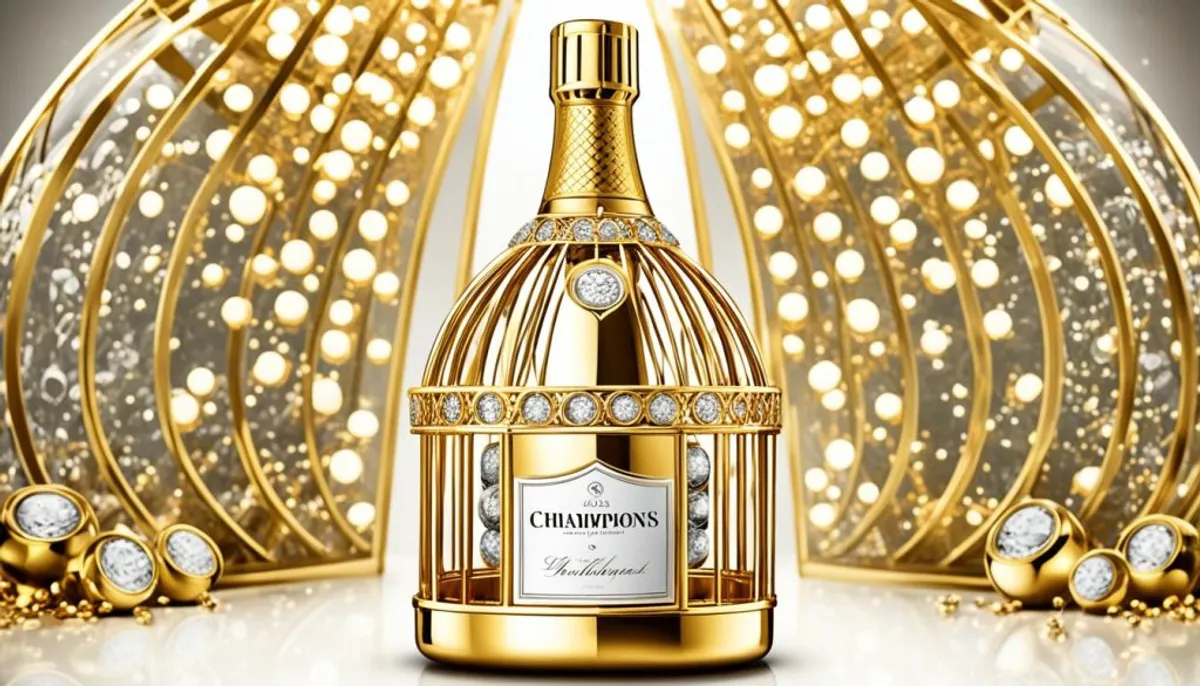
Each bottle in our lineup represents a peak of luxury and careful craftsmanship. You can explore offerings that ship anywhere in the world with secure packaging and expert handling.
Request your personalized quote today at https://champagne-export.com to reserve a selection or learn about export options. Our team guides you through the process and ensures prompt delivery to your doorstep.
Key Takeaways
- Exclusive, handpicked selections ready for global export.
- Every bottle represents luxury and top-tier quality.
- Secure shipping to destinations across the world.
- Request a personalized quote at https://champagne-export.com.
- Dedicated service to ensure safe, timely delivery.
The Allure of Luxury Champagne
From royal courts to modern gala nights, elite sparkling wine has long signaled refinement and champagne elegance.
Its allure began under Louis XIV, when bubbly became an aristocratic emblem of taste. Skilled cellars and strict terroir rules gave the region a unique identity.
The sparkle forms through a careful two-step fermentation. That method creates the fine bubbles and crisp acidity that people seek at celebrations.
Connoisseurs chase rare champagnes for a multisensory experience: the cork’s pop, the bead of bubbles, and an elegant finish. These moments turn a pour into an event.
- Heritage: Deep historical roots and protected origin.
- Craft: Meticulous fermentation and aging.
- Presence: A staple at weddings, coronations, and major milestones.
True luxury in sparkling wine is tied to exclusivity of place. Only products from the Champagne area may carry that storied name, preserving its prestige for generations.
Understanding the Most Expensive Champagne Market
Global demand and historical prestige shape how top-tier bottles are valued today.
Market Trends and Valuation
In 2023, over 326 million bottles shipped worldwide, and the United States imported 34.1 million bottles worth €793.5 million. Those figures show steady interest in high-end sparkling wine.
Supply, terroir, and grape quality determine long-term value. Blends of Chardonnay, Pinot Noir, and Pinot Meunier create signature profiles. Collectors prize blanc blancs for their finesse and aging potential.
One bottle can sell for thousands, so buyers track auction results and vintage scores. Provenance and limited production often push the final price higher in the global market.
| Metric | 2023 Figure | Market Note |
|---|---|---|
| Global shipments | 326,000,000 bottles | Shows broad demand across the world |
| U.S. imports | 34,100,000 bottles | Largest external market by volume and value |
| Key grapes | Chardonnay, Pinot Noir, Pinot Meunier | Blend influences quality and final value |
Understanding trends helps collectors and buyers decide when a bottle is a fair investment for its rarity and taste.
The Rarity of Shipwrecked Vintages
Underwater finds give collectors a rare portal to tasting centuries-old vintages. These recoveries mix science, craft, and a powerful sense of story.
The Baltic Sea Discoveries
In November 2010 divers uncovered 168 bottles in a wreck near Åland. The Baltic Sea’s cold, low-oxygen water helped preserve fragile seals and labels.
Historical Significance of Old Vintages
Recovered bottles rewrite expectations about aging. The 1841 Veuve Clicquot is the oldest known champagne and sold for $34,000, offering a direct taste of past years.
Another notable find, an 1820 Juglar bottle, reached $43,500 at auction. Each bottle carries documented provenance, which raises its market price and collector appeal.
The rarity of these champagnes reshapes how enthusiasts view longevity. These discoveries add real human history to tasting notes and confirm that, under the right conditions, vintages can survive for centuries.
Iconic Houses and Their Prestigious Legacies
A few select houses, including renowned french champagne brands, have defined what collectors expect from luxury fizz and rare vintages.
Bollinger traces its first recorded vintage to 1795, a mark of endurance and time-tested craft.
Krug began in 1829, founded by Nicolas Gachard, a former sommelier whose vision shaped a family reputation for depth and balance.
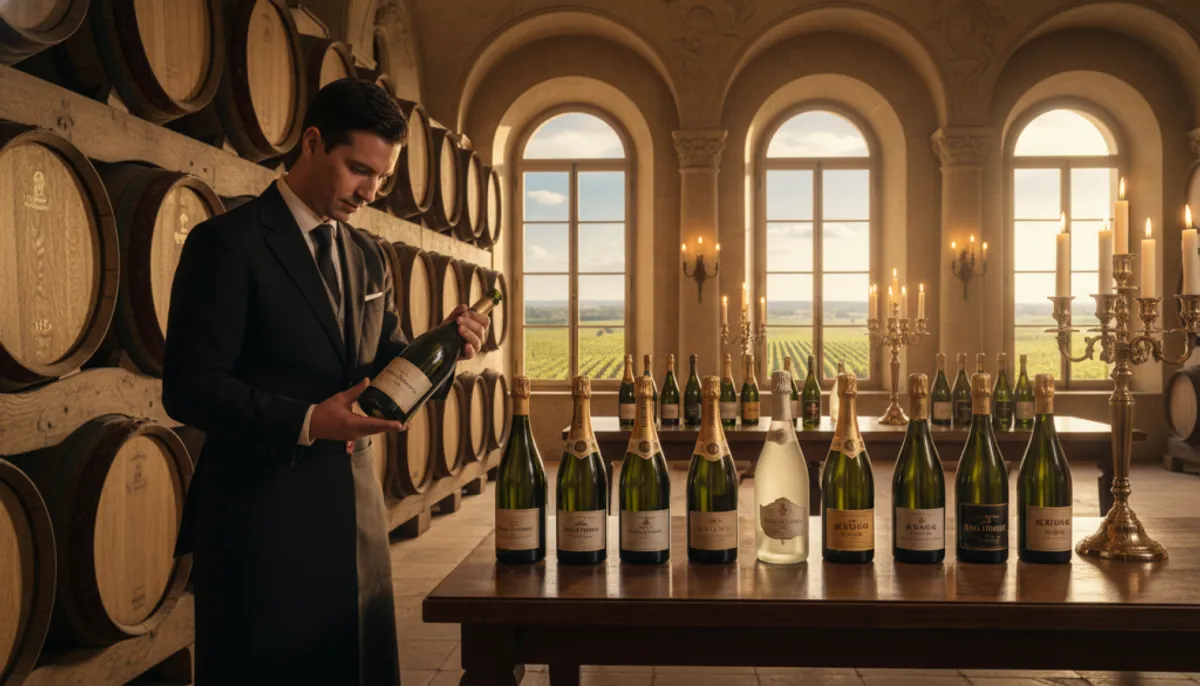
Dom Pérignon sits among the best-known names. The label often partners with artists to create limited bottles that blend design and taste.
- Historic houses like Bollinger kept prestige alive across generations.
- Krug’s family approach raised standards for texture and aging.
- Louis Roederer and Roederer Cristal showcase meticulous vineyard selection and patience in cellars.
- Royal events underline status: 99 bottles and 12 magnums were chosen for the 1981 wedding of Prince Charles and Lady Diana.
Collectors value these houses for consistent quality over the years and for vintages that tell a clear story.
The Craft Behind Exceptional Bubbles
Exceptional fizz begins long before the cellar—at the vine, in the soil, and in meticulous picking.
Grapes such as Chardonnay and Pinot Noir set the baseline for texture and freshness. Houses that target grand cru sites ensure fruit with concentrated flavor and balanced acidity.
Dom Pérignon changed the path of sparkling wine by using yeast and adding sugar to trigger a second fermentation. Its cuvées then age for at least seven years and blend selections from grand cru plots before release.
Skilled teams in leading champagne houses manage fermentation, lees contact, and dosage to shape the final taste. A true blanc blancs gains its clarity and finesse from careful timing and exacting cellar work.
- Selection of top grapes keeps consistency and high quality.
- Grand cru fruit gives depth that house blends rely on.
- Cellar technique transforms raw juice into refined wine ready to celebrate.
Exploring the Most Expensive Champagne Bottles
A handful of bottles cross from wine into art, driven by unique design and historic pedigree.
Diamond Encrusted Masterpieces
The Taste of Diamonds (2013) exemplifies how design can set a record. It sold for $2.07 million and features an 18-carat gold label plus a real diamond.
Collectors pay for both visual impact and provenance. These releases often headline auctions and attract attention beyond typical wine circles.
The Midas Touch of Large Formats
Large-format bottles amplify presence. The Armand de Brignac Rosé 30-Litre Midas (2013) stands four feet tall and lists near $275,000.
Big formats age differently and read as statements at events. For many buyers, scale adds to rarity and perceived price value.
Rare Millennium Cuvées
Limited runs create long-term demand. The 1990 Cristal Millennium Cuvée was capped at 2,000 bottles by Louis Roederer, making it a sought treasure.
Dom Pérignon and Krug also dominate auctions; a signed 1937 Krug fetched notable sums for its vintage and age.
- These bottles use top grapes like Pinot Noir and Pinot Meunier, often from grand cru sites.
- Auctions reward history, rarity, and cellar age—factors that set final prices.
In the world of luxury fizz, spectacular design and true winemaking pedigree combine to create collectible bottles that command elite prices and global attention.
Why Collectors Value Limited Editions
Limited editions bridge design, history, and scarcity to create bottles that hold cultural appeal.
Collectors prize these releases because they capture a moment — a collaboration, an anniversary, or a unique bottle design. That story adds emotional weight and measurable value over time.
The rarity of a run makes supply tight. When an Armand de Brignac limited release appears, it is treated as art as much as wine. This drives demand around the world and pushes the secondary market price.
Houses often tie limited editions to milestones. A commemorative bottle then becomes a must-have for serious collectors who want provenance and a tangible connection to the house’s history.
Over time, scarcity plus prestige creates competitive bidding. For many, owning one such bottle is owning a slice of liquid history that typically grows in cultural and monetary value.
The Global Demand for Fine Sparkling Wine
Demand for top-tier sparkling bottles spans continents, from London dinner tables to Tokyo rooftop bars.
In 2023 the United Kingdom imported 29.9 million bottles, while Japan brought in 13.8 million. Those figures show clear, steady appetite for quality wine that celebrates moments and status, including prestigious wine exports.
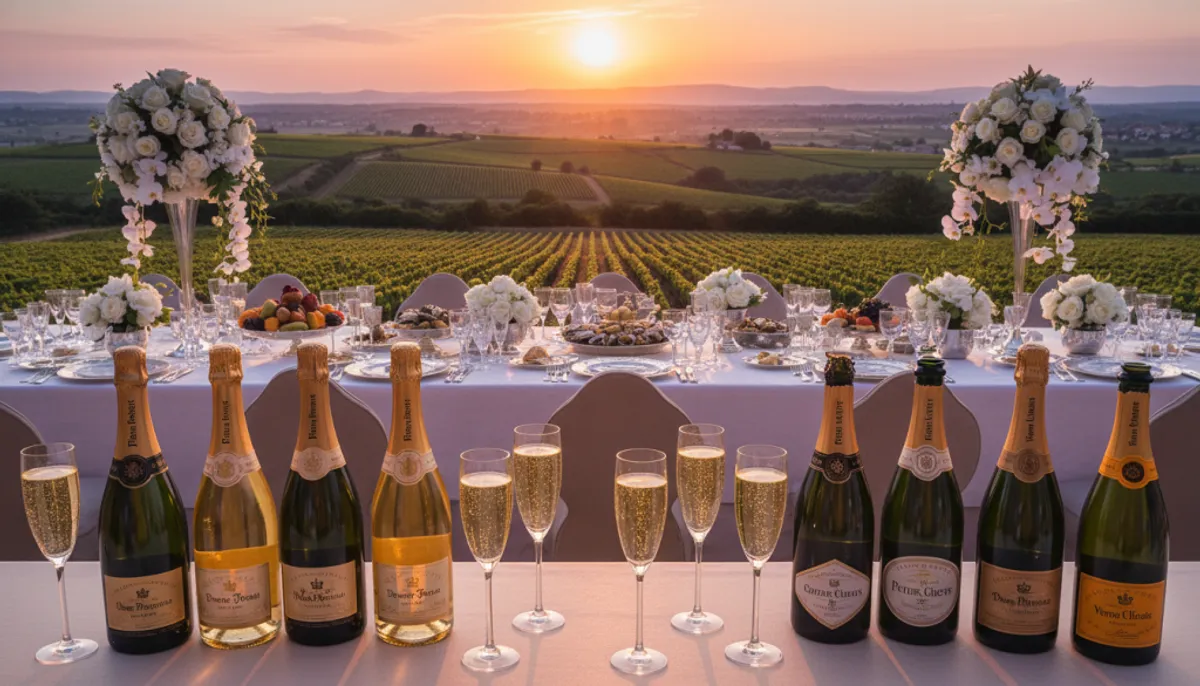
The market for expensive champagnes world-wide rests on three pillars: craft, heritage, and visibility. Brands like armand brignac and champagne jay z have leaned into lifestyle and design to reach international buyers.
- Millions of bottles shipped yearly prove broad demand in major markets.
- Collectors and enthusiasts drive interest in limited runs and headline cuvées.
- Even as price points fluctuate, global desire for these bottles stays strong.
For sellers and buyers, understanding regional imports helps map opportunity and taste. The champagnes world remains vibrant, lucrative, and culturally relevant.
Essential Tips for Storing Your Collection
A steady environment is the single best defense against ruined bottles and faded taste.
Optimal Temperature and Light Conditions
Keep every bottle at a consistent temperature between 45°F and 55°F. Small swings harm the cork and change the wine’s character.
Store bottles horizontally so the cork stays moist. That prevents air from entering and protects the flavor.
Light and vibration damage delicate blanc blancs. Use a dark, stable spot to preserve aroma and long-term quality.
- Temperature: 45°F–55°F for steady aging.
- Position: horizontal to keep corks sealed.
- Environment: dark, vibration-free, moderate humidity.
| Factor | Recommended Range | Why It Matters |
|---|---|---|
| Temperature | 45°F–55°F | Prevents premature oxidation and keeps aging steady |
| Light | None / Dark storage | Stops UV-driven flavor degradation |
| Position | Horizontal | Keeps corks moist and seals airtight |
| Vibration | Minimal | Protects lees contact and flavor development |
Follow these simple rules and your collection will age gracefully. Collectors who care for bottles this way protect their investment and enjoy each pour at peak quality.
How to Secure Your Personalized Export Quote
If you want a single outstanding bottle delivered anywhere in the world, we streamline the process.
Looking for Champagne? We’ve got you covered. Discover the finest selections, ready to be exported. Request your personalized quote today at https://champagne-export.com.
Our team can prepare a tailored export quote if you are hunting for one expensive bottle to complete your collection. We factor origin, condition, and current price signals so quotes reflect true market value.
- Browse rare and limited runs of expensive bottles on our site and request delivery to any country.
- We monitor auction results and regional trends so our prices stay clear and competitive.
- Our export experts manage packing, customs paperwork, and secure shipping with care.
Requesting your quote is the first step toward owning a piece of history. Contact us today and let our specialists guide you from inquiry to delivery with fast, transparent support.
The Cultural Significance of Champagne
Across cultures, a well-chosen bottle signals more than taste—it signals status, memory, and ceremony.
Historic houses such as Dom Pérignon and Louis Roederer shape how people view luxury and legacy. Their names carry weight at dinners, awards, and state events around the world, often accompanied by luxury drinkware.
Rare releases—like the Taste of Diamonds or a gold-plated cuvée—blur lines between art and drink. The listed price reflects scarcity and the craft behind each bottle.
Auctions often rewrite a bottle’s history, turning a private label into public legend. Winning bids prove that collectors buy more than wine; they buy provenance and prestige.
- Choosing a respected house links you to centuries of tradition.
- Rarity and design add cultural value beyond flavor.
- High-profile auctions confirm the global status of these bottles.
In the champagnes world, every celebrated label tells a story of heritage, rarity, and enduring luxury.
Conclusion
Understanding provenance and storage transforms casual enjoyment into serious collecting. We explored the deep history and craft that give each bottle its identity, from shipwrecked finds to modern, jewel-like releases.
Proper storage and market knowledge protect value and improve taste over time. Collectors who care for bottles and track trends see the reward in both glass and ledger.
We hope this guide gave clear, useful insight into why these bottles matter. Our team is ready to help you secure your next exceptional bottle with a personalized export quote at https://champagne-export.com.