Looking for the right fizz? This quick guide helps you read the official champagne sweetness scale and pick bottles that fit your palate.
We explain grams sugar and how that number maps to dry or fruity profiles. You will learn what to expect from a brut champagne and other sparkling wine styles before you buy.
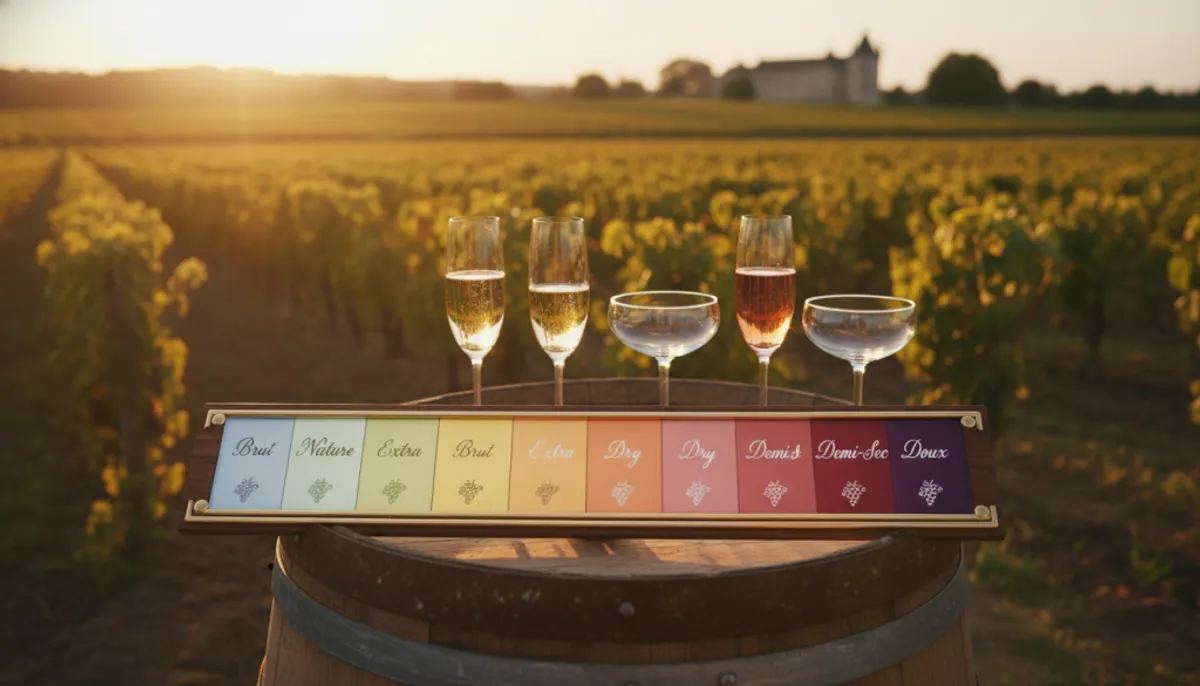
Want a tailored selection? We offer curated choices ready for export worldwide, including premium champagne gifts. Request your personalized quote today at https://champagne-export.com and get the perfect bottle shipped to your door.
Key Takeaways
- Learn how grams sugar define sweetness levels for easy buying decisions.
- Find sparkling wine types from dry to fruity that suit your palate.
- Understand brut champagne and what to expect on tasting.
- Explore export-ready selections and global shipping options.
- Request a personalized quote at https://champagne-export.com for any bottle.
Understanding the Champagne Sweetness Scale
The simplest classification rests on one clear number: the grams of sugar per liter in the finished bottle. This figure tells you whether a wine will feel crisp or more fruity on the palate.
Producers measure sugar levels during the final stages and then label each bottle so shoppers can choose with confidence. The measured grams per liter are the industry standard for defining a sweetness level.
Knowing these levels helps you match style to occasion. Dry styles have few grams per liter; richer styles show higher grams and a fuller mouthfeel.
- Clarity: the number gives a quick read of expected flavor.
- Consistency: winemakers follow the same measurement rules worldwide.
- Choice: you can pick bottles that suit food, age, or personal taste.
The Science Behind Dosage and Fermentation
The final personality of a bottle comes from two linked steps: primary fermentation and the post-fermentation dosage. Fermentation builds alcohol and leaves the base wine high in acidity. That bright acid is a hallmark of the Champagne region, made from chardonnay, pinot noir, and pinot meunier.
The Role of Terroir
Soil, climate, and grape mix shape raw acidity and flavor. These factors decide how much added sugar a wine needs to feel balanced. Lighter, mineral-driven wines often suit very low sugar levels like brut nature.
The Liqueur d’Expédition Process
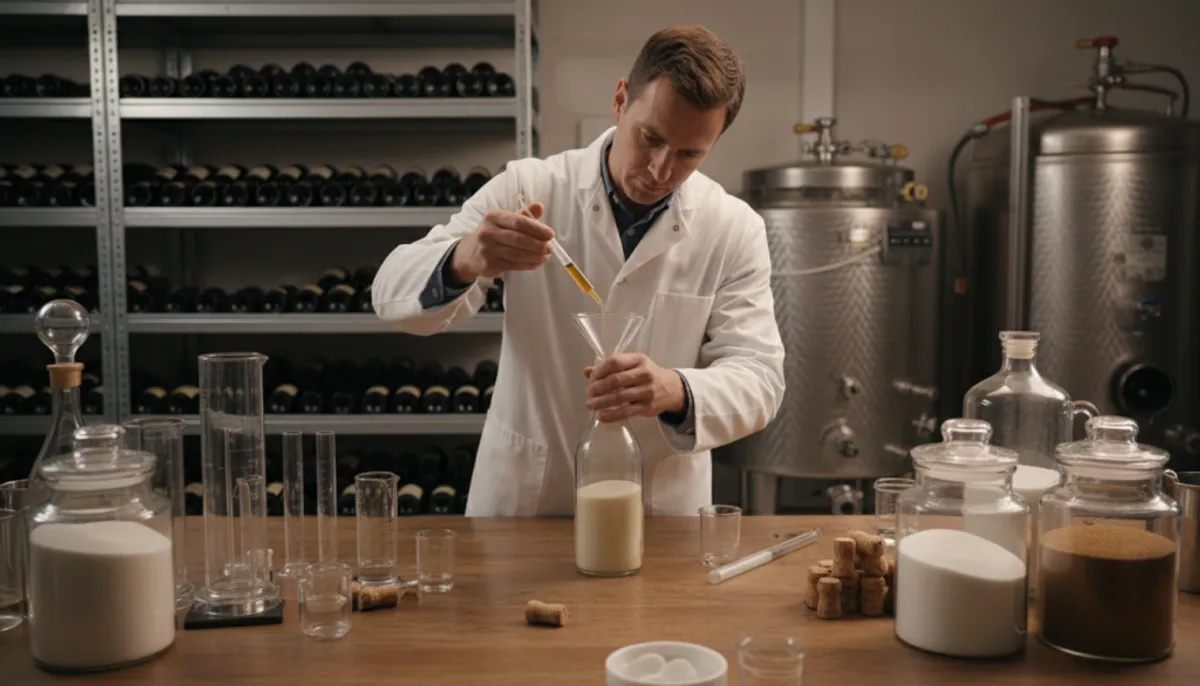
After disgorging, winemakers add a liqueur d’expédition. This blend of wine and measured sugar sets the final grams sugar per liter.
- Lallier Brut Nature: 0–3 grams sugar per liter, pure and dry.
- Lallier Ouvrage (extra brut): 4 grams per liter, slightly rounder.
- Technique: Dosage is tuned over time so champagnes keep a consistent style across vintages.
| Style | Sugar (g/L) | Typical Flavor | Primary Grapes |
|---|---|---|---|
| Brut Nature | 0–3 | Pure, high acidity | Chardonnay, Pinot Noir |
| Ouvrage (Extra Brut) | 4 | Delicate balance, light fruit | Chardonnay, Pinot Meunier |
| Extra Brut (typical) | 0–6 | Crisp, slightly round | Blend of region grapes |
Breaking Down the Sweetness Levels
The grams of residual sugar in a bottle define how the wine will feel on the palate. Readable numbers make it easy to pick a dry pour or something sweeter for dessert.
From Brut Nature to Brut
Brut Nature: 0–3 g/L of residual sugar. This delivers a very dry, crisp experience for fans of pure flavor.
Extra Brut: 0–6 g/L. Slightly rounder but still very dry.
Brut: up to 12 g/L. The most food-friendly option across many meals.
The Middle Ground of Extra Dry and Sec
Extra Dry sits between 12–17 g/L, offering a gentle bridge between dry and sweet.
Dry (Sec) ranges from 17–32 g/L and feels noticeably sweeter than brut.
Indulging in Demi-Sec and Doux
Demi-Sec (32–50 g/L) pairs well with desserts. Doux tops the list at 50+ g/L and is best enjoyed as a stand-alone treat.
| Style | g/L | Tasting Note |
|---|---|---|
| Brut Nature | 0–3 | Very dry, high acidity |
| Brut | 0–12 | Versatile, food-friendly |
| Extra Dry / Sec | 12–32 | Slightly sweeter, soft fruit |
| Demi-Sec / Doux | 32+ | Dessert-style, rich |
Why Sugar Levels Impact Your Experience
Small dosage changes alter how a bottle sings on the palate. The acidity of the base wine is often high, so measured sugar helps bring balance.
When you open a bottle, the residual sugar content shapes the immediate perception of flavor. Low grams create a crisp, lean profile. Higher grams smooth sharp edges and make the pour feel rounder.
Understanding grams sugar per liter also helps predict calories per serving. That matters if you track intake or plan a menu with multiple pours.
- Acidity vs. sugar: Added sugar tames acidity and adjusts texture.
- Taste on opening: Residual sugar steers the first sip and finish.
- Food pairing: Dry wines match savory dishes; sweeter styles suit desserts.
- Dosage matters: It defines complexity and long-term balance in champagnes.
Comparing Champagne to Other Popular Beverages
A quick comparison puts the numbers in perspective and helps you pick a drink that fits your goals. A standard 150 ml serving of sparkling wine is the baseline for sugar measurements.
Sugar Content in Common Drinks
Look at common pours: a 150 ml glass of extra dry or extra brut typically contains far fewer grams of added sugar than many cocktails and soft drinks.
- Vodka Soda: 0 g sugar per serving — no added sweeteners.
- Jack & Coke: about 33 g sugar per serving, much higher than most bottled wine choices.
- Extra dry / Extra brut: lower grams sugar per liter than many mixed drinks and sweet teas.
| Drink | Serving | Sugar (g) | Notes |
|---|---|---|---|
| Sparkling wine (extra dry) | 150 ml | Low (varies) | Balanced flavor, food-friendly |
| Vodka Soda | 150 ml | 0 | Zero sugar, low calories per serving |
| Jack & Coke | 150 ml | ~33 | High sugar, sweeter finish |
By checking grams sugar per serving and sugar per liter, you can choose drinks that save calories and still deliver the flavor you want. Wine often proves a lower-sugar option compared with many cocktails and sweetened beverages.
Exporting Your Favorite Selections Globally
Ship your favorite bottles worldwide with confidence using our dedicated export service. As a high-quality champagne distributor, we handle every order with care so your selection arrives ready to enjoy.
Looking for Champagne? We’ve got you covered. Request a personalized quote today at https://champagne-export.com and start your order.
Our team protects each bottle, regardless of sugar level or grams per liter, during packing and transit. We use temperature control and specialized cushioning to keep quality intact.
We specialize in exporting premium champagnes to the United States and beyond, including the intricacies involved in importing champagne to the usa. Our logistics experts manage customs, documentation, and fragile-goods handling so you can relax.
- Global reach: Door-to-door delivery to major markets.
- Care in transit: Preserves flavor and sugar balance.
- Fast quotes: Get a tailored price at the site and start shipping.
| Service Feature | What It Protects | Typical Transit Time |
|---|---|---|
| Temperature-Controlled Packing | Flavor, sugar integrity per liter | 3–7 business days |
| Customs & Documentation | Clearance for imported champagnes | Varies by country (handled) |
| Live Order Tracking | Delivery status and ETA | Real-time updates |
| Special Handling | Fragile bottles and vintage stock | Priority routing available |
Conclusion
Close with a few practical tips that make reading labels fast and useful.
Mastering the champagne sweetness scale helps you pick the right bottle for any moment. From bone-dry brut nature to a richer pour, use grams to guide choice.
Remember that fermentation and the final dosage shape balance. Check the grams sugar per liter to match acidity with flavor and find the best pairing for food.
If you are looking for Champagne, we’ve got you covered. Discover premium selections and export service at https://champagne-export.com. Request your personalized quote and get the finest sparkling wine delivered worldwide.