Looking for a clear guide to buying sparkling wine? This short intro explains how a year can change a bottle and why most production follows a steady house style. Over 90% of production is blended to keep consistent flavor, while special years get a distinct release.
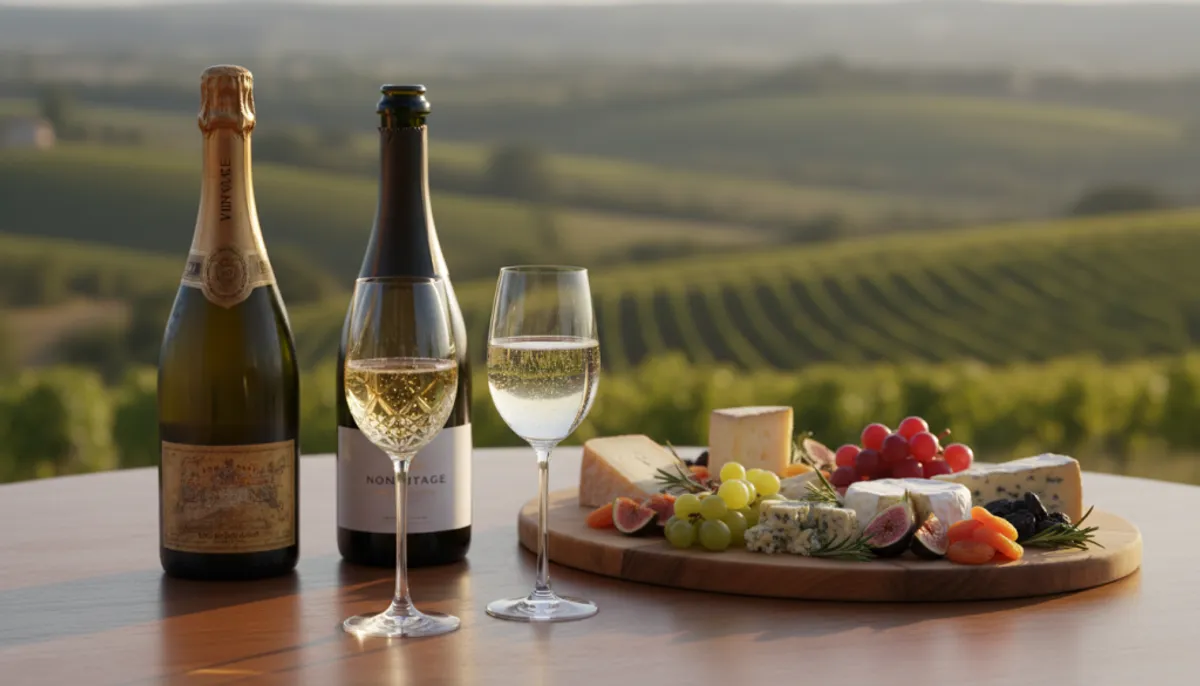
Choosing between a marked year and a blended bottle affects your cellar and celebrations. Producers test each harvest and decide if grapes meet the mark for a marked release. If they do, that bottle carries the year and often higher perceived quality.
We offer both marked and blended bottles and can export selections worldwide. Request your personalized quote today at https://champagne-export.com to find the right bottles for your collection.
Key Takeaways
- Most production is blended to maintain a consistent house style.
- Marked-year bottles are released only in top harvest years.
- Deciding between types impacts aging potential and cellar value.
- Our team helps you compare quality and select the right bottle.
- Request a personalized export quote to source bottles worldwide.
Understanding Champagne Vintage vs Non Vintage Differences
A single harvest can define a bottle’s character, while blends aim to repeat a house style year after year.
Non-vintage champagne is a crafted blend of wines from multiple years. Producers blend across harvests to keep a steady house style and reliable taste. This makes the bottle a familiar choice for many people and champagne lovers who value consistency. Additionally, fruit champagne offers a delightful twist for those looking to explore unique flavors within this category.
By contrast, a vintage release comes from grapes picked in one year. That label tells you the harvest and often signals higher perceived quality and value. Laws require these wines to age at least three years on the lees, which boosts depth and complexity.
- The main difference is the year of harvest, which shapes character and aging potential.
- Blends protect a house style; single-year bottles reflect specific weather and conditions.
- Comparing wines from different years helps buyers understand how changing years affect taste.
The Production Process and House Style
House cellars are where consistency is born, blending past harvests into today’s cuvée.
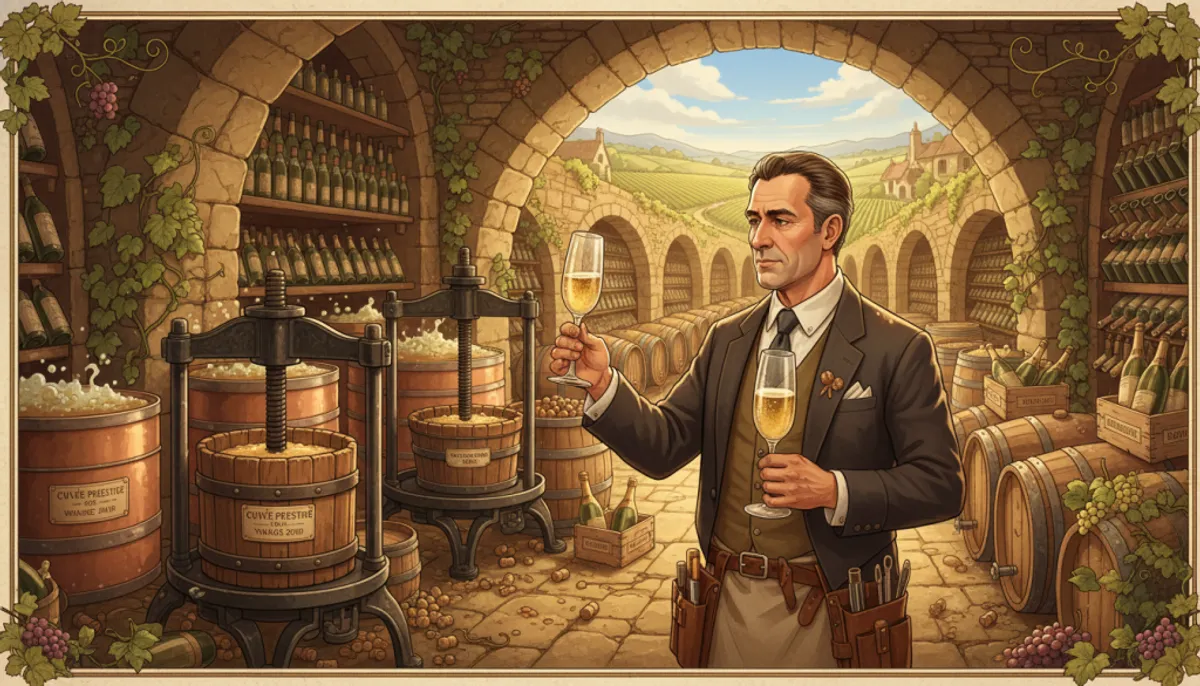
Defining Blends and Reserve Wine
A professional house stores reserve wines from several years in its cellar. These reserves let the producer build a stable cuvée each year.
Blending wines from different years smooths out poor harvests and keeps a familiar style for buyers and restaurants.
The Rarity of Single-Year Releases
Houses release a single-year bottle only when conditions deliver exceptional grapes. Such releases are rare and often wear a distinct label.
For example, Moët & Chandon’s Dom Pérignon is a prestige release made to showcase the best of one harvest. These bottles also need at least three years of aging in the cellar to gain depth.
- Reserve wines protect quality across changing years.
- Single-year bottlings are produced only in top harvest conditions.
- Distinct labeling helps collectors spot prestige releases.
| Feature | House Blend | Single-Year Release | Prestige Example |
|---|---|---|---|
| Source of grapes | Wines from several years | Grapes from one excellent year | Best grapes from a single harvest |
| Aging minimum | Varies by house | At least three years | Often longer than three years |
| Labeling | Standard cuvée label | Year shown on label | Distinct prestige label (e.g., Dom Pérignon) |
| Purpose | Consistency and daily quality | Showcase a single year’s character | Highlight the top harvest and craftsmanship |
Aging Potential and Sensory Characteristics
Time in the cellar transforms simple aromas into rich, savory notes.
How Time on the Lees Impacts Quality
Minimum aging rules set clear expectations: a true vintage release rests on the lees for at least three years, while a non-vintage cuvée needs only 15 months. This extra time boosts texture and depth.
The extended lees contact produces toasted, biscuit, and roasted hazelnut notes. These flavors build over years and add complexity that many collectors value.
- The aging potential of a single-year bottle is higher because of longer lees time.
- Producers like Dom Pérignon age their releases to develop richer taste and body.
- Labels state the harvest year, helping champagne lovers track how a bottle may evolve.
- Comparing a non-vintage cuvée to a single-year release highlights how production style shapes the final wine.
Storing a bottle in a cool, dark cellar allows quality to improve over several years. That slow change adds value and makes each vintage champagnes’ character worth exploring.
Sourcing and Exporting Your Favorite Bottles
From iconic labels to consistent house cuvées, we can source what you need and ship worldwide.
We specialize in exporting premium vintage champagne and non-vintage bottles to clients in the United States and beyond, including selections that embody italian luxury. Our team works directly with major champagne houses and independent producers to secure authentic releases.
We handle paperwork, customs, and secure transit. That means your bottles arrive in ideal condition and on time.
- Seamless way to source vintage champagnes and classic house-style wines.
- Direct access to Dom Pérignon and other prized labels from top houses.
- Personalized quotes and handling to protect rare bottles during shipping.
Looking for Champagne? We’ve got you covered. Request your personalized quote today at https://champagne-export.com to secure rare releases or everyday favorites for your cellar.
Conclusion
Your choice often reflects whether you seek consistent flavor or a snapshot of a special harvest. ,
Choosing between vintage and non-vintage champagne comes down to taste, cellar goals, and how much aging you want in a bottle.
Both styles deliver quality. Marked-year bottles are prized for aging potential and added complexity over years. Blended cuvées keep a steady house style for reliable taste today.
Always check the label to confirm the harvest year and grape sources. Store bottles in a cool cellar to protect value and encourage proper aging.
Whether you are a seasoned collector or a curious enthusiast, trying different champagnes and wines is the best way to find what you love.