Looking for Champagne? We’ve got you covered. Discover curated selections from renowned producers and learn how to ship them anywhere in the world.
Every bottle matters: these sparkling wines come from historic vineyards and are chosen for quality, balance, and cellaring potential. Our team checks provenance and readiness for export so you enjoy a smooth purchase experience.
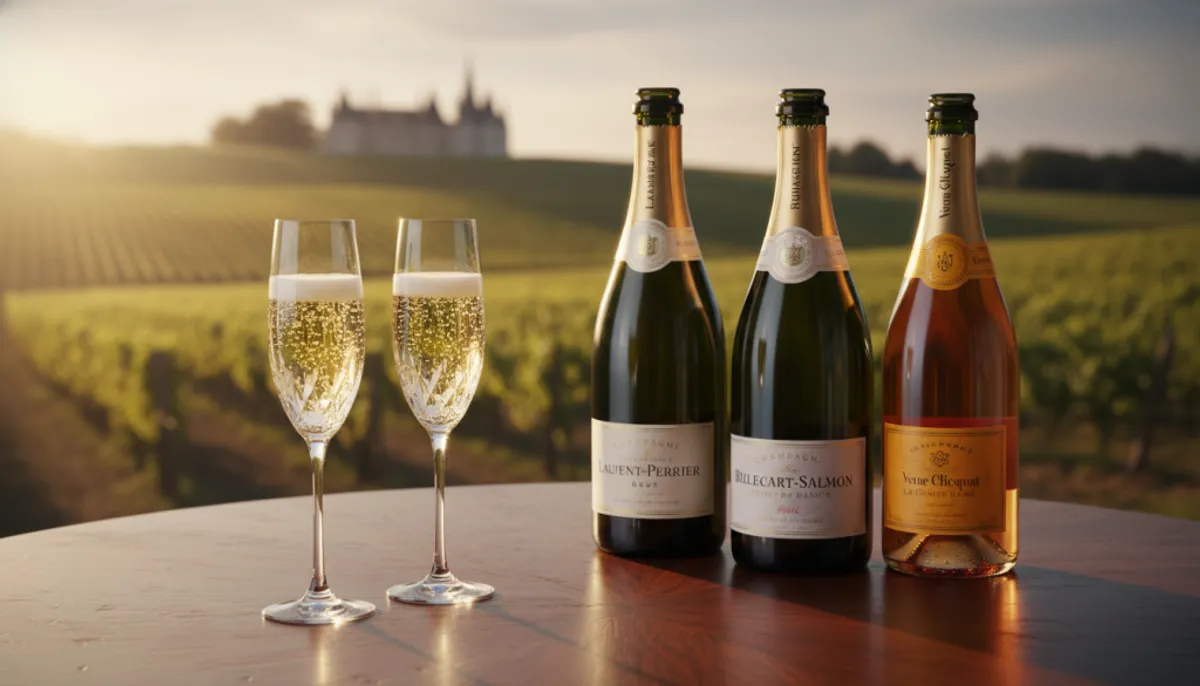
Request a personalized quote today at our site to start your journey into luxury wine. We connect connoisseurs with exceptional bottles and simplify sourcing for events, collections, or retail needs.
Key Takeaways
- We offer expert-selected sparkling wines ready for global delivery.
- Quality and provenance are verified before export.
- Personalized quotes make buying simple and secure.
- Options suit collectors, events, and retail buyers.
- Visit https://champagne-export.com to request your quote now.
Understanding the Prestige of the Champagne Region
What sets true Champagne apart is a unique combination of history, soil, and a disciplined winemaking method.
The méthode champenoise defines the style. This traditional, meticulous process creates the fine bubbles and layered flavors that distinguish these wines from other sparkling varieties.
The landscape matters. Over 34,000 hectares of vineyards shape the terroir across this French region. Soils, slopes, and microclimates influence acidity, minerality, and aroma.
Geography gives authenticity. Unlike Prosecco or Cava, authentic champagne must come from this specific territory to be legitimate. That legal boundary preserves quality and heritage.
Explore the history and place to appreciate why collectors and sommeliers call these wines the gold standard for celebrations. Understanding the land and method deepens your enjoyment of every bottle.
- Traditional method: critical for texture and complexity.
- Extensive vineyards: root the style in place and climate.
- Protected origin: ensures authenticity and prestige.
The Art of Champagne Production Techniques
Mastering production starts long before pressing—the vineyard sets the first tone for any great fizz. Careful selection of grapes defines the base character of the wine and guides every cellar choice.
Primary Fermentation
Primary fermentation is where yeast converts sugar into alcohol. This step shapes acidity and body.
Winemakers monitor temperature and time closely. Small changes here alter the final balance and complexity.
Secondary Fermentation
Secondary fermentation happens inside the bottles and creates the signature effervescence. A measured mix of wine and sugar prompts the fizz.
Aging on the lees follows, adding creamy texture and mineral notes that elevate many champagnes.
- High-quality production begins in the vineyard with grape selection.
- Primary fermentation sets alcohol and acidity levels.
- Secondary fermentation in bottles produces the bubbles.
- Non-vintage bottles must age at least 15 months; vintages often age three years or more.
Comprehensive Champagne House Ranking for Global Connoisseurs
A curated list of top producers helps collectors choose bottles with confidence.
Our champagne house ranking highlights legendary names and smaller estates that define the region. Moët & Chandon has stood as a symbol of luxury since 1743, and Veuve Clicquot’s lineage dates back to 1772. These brands show how history and consistent quality shape the world market, including emerging british champagne offerings.
We profile well-known producers like Alfred Gratien and Nicolas Feuillatte, both located in the heart of Reims. Walk the Avenue de Champagne to sense each estate’s identity. Tasting these bottles reveals differences in style, texture, and aging potential.
- Legacy: family estates and large brands offer distinct experiences.
- Places to visit: Avenue de Champagne and historic cellars in Reims.
- Find your fit: from grand marques to independent winery labels.
Request your personalized quote today at https://champagne-export.com to secure exceptional selections for your next tasting or private event, including options for non-alcoholic celebrations.
Exploring the Influence of Terroir and Grape Varieties
Soil, aspect, and sun combine to shape each village’s signature taste. Understanding those factors helps explain why bottles from nearby plots can feel so different. Below we look at the key grapes and where they shine.
Chardonnay and the Côte des Blancs
Chardonnay dominates the blanc blancs style for its elegance and minerality. The côte des blancs is famed for chalky soils that lend bright acidity and a stony finish.
This area produces many grands crus sites prized for single-varietal bottlings and delicate blends.
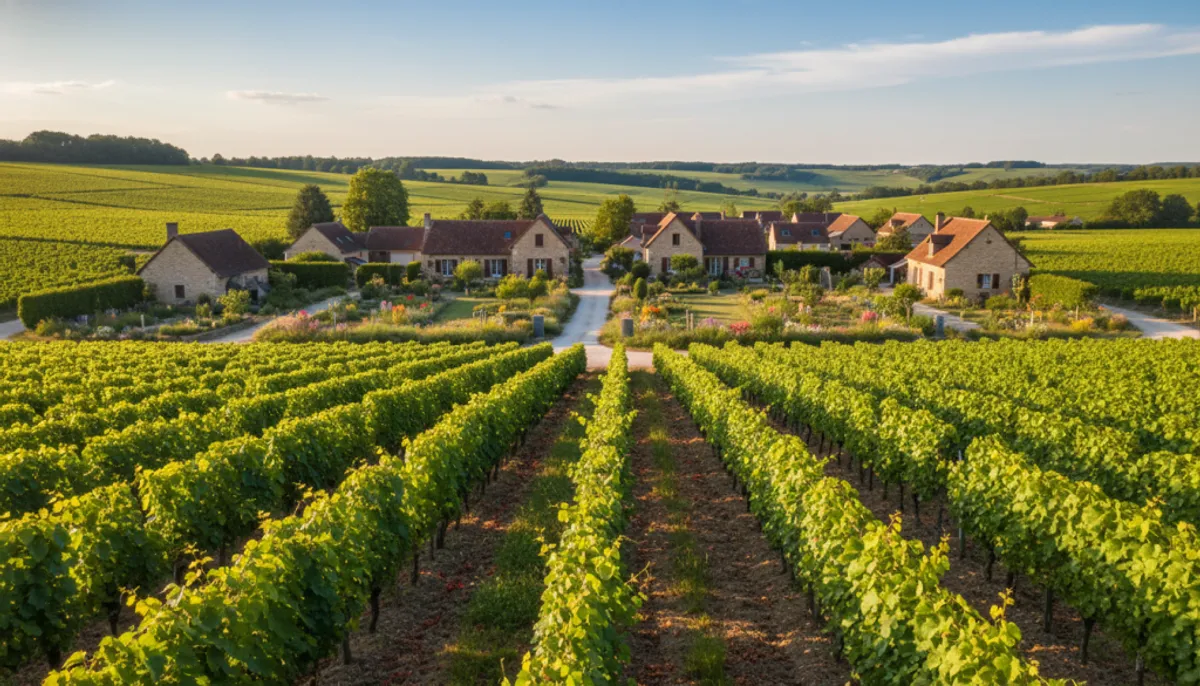
Pinot Noir in the Montagne de Reims
Pinot noir brings body and backbone. In the montagne reims, darker soils and varied slopes help these grapes develop tannic grip and red-fruit depth.
Winemakers use pinot noir to add structure that supports long aging in top cuvées.
The Role of Pinot Meunier
Pinot meunier contributes early charm and round fruit. It fills out blends and makes many wines approachable young while still fitting terroir-focused bottlings.
| Grape | Primary Area | Typical Influence |
|---|---|---|
| Chardonnay | Côte des Blancs | High acidity, minerality, finesse |
| Pinot Noir | Montagne de Reims | Structure, depth, aging potential |
| Pinot Meunier | Valleys and lower slopes | Fruitiness, early approachability |
- Key takeaway: terroir determines how grapes express themselves across vineyards.
- Many grands crus sit in these zones, where soil and sun combine to shape classic styles.
Decoding Champagne Classification and Labeling
Labels tell a story — learn to read them and you unlock what’s inside each bottle.
Vintage means the wine comes from a single year; Non-Vintage blends multiple years for consistency. Look for these terms to know aging intent and production choices.
A Blanc de Blancs is made only from white grapes, most often Chardonnay. Other styles blend red and white grapes to add body and fruit character.
The word Brut signals a dry wine. It indicates limited residual sugar after fermentation and a crisp, restrained palate.
Quality often ties to vineyard status. Labels that say Grand Cru or Premier Cru point to top-rated sites known for superior fruit and aging potential.
| Label Term | Meaning | Why It Matters |
|---|---|---|
| Vintage | Single-year harvest | Shows year-specific style and aging potential |
| Blanc de Blancs | Made from white grapes | Often lighter, more mineral-driven |
| Brut | Dry level | Balanced acidity, food-friendly |
| Grand Cru / Premier Cru | Top vineyard classifications | Indicator of higher quality fruit |
- Read labels for grape mix, sweetness, and origin.
- Trust brands that note production and aging on the back label.
- Visit https://champagne-export.com to request a personalized quote for styles that match your taste.
Sensory Characteristics of Fine Sparkling Wines
A tasting begins the moment you lift the glass and catch the first shimmer of rising bubbles. Sight, texture, and aroma combine to create a memorable sip.
Visual Appeal and Texture
Look for a steady stream of small bubbles and a clear, bright color. These cues often indicate careful production and good aging.
Texture matters: a lively mousse gives a creamy mouthfeel. That silkiness often marks higher-quality wine and improves food pairing.
Aroma and Taste Profiles
Aroma opens with citrus, green apple, and white fruit. Those notes keep the palate fresh and crisp.
Aged bottles develop brioche, toasted bread, and cream from extended yeast contact. You may also find honey, spice, and subtle red-fruit hints.
When tasting champagne, move from sight to smell, then sip slowly to track how flavors evolve.
- Tip: Try several styles to compare texture and aroma.
- Curated picks: Request a personalized quote at https://champagne-export.com to explore selections that match your tasting experience.
Best Practices for Serving and Storing Your Collection
A thoughtful routine for chilling and handling will elevate every tasting.
Chill and serve: Cool bottles to about 45–50°F before pouring. This temperature keeps the effervescence lively and preserves primary fruit aromas.
Choose the right glass: Use a flute or tulip-shaped glass for tasting. Those shapes hold the mousse and focus aromas toward your palate for a cleaner sip.
Short-term storage: Keep bottles in a cool, dark spot with steady temps around 55°F. This protects the wine and keeps flavors steady for near-term cellaring.
- Store bottles horizontally to keep corks moist and avoid air seepage into your house collection.
- When opening, twist the bottle—not the cork—for a gentle, safe release and better serving control.
- For a curated cellar and access to high-quality selections, request a personalized quote at https://champagne-export.com.
These small steps improve every tasting experience and help your collection age gracefully.
Historical Significance of Iconic Champagne Figures
Bold innovators in the 18th and 19th centuries changed how sparkling wines are made and sold. Their work still guides makers at every estate and winery today.
The Legacy of Madame Clicquot
Madame Clicquot revolutionized production with the riddling table in the 1800s. That technique clarified wines and improved quality. It remains a core cellar practice at many champagne houses and family estates.
| Producer | Founded / Era | Lasting Contribution |
|---|---|---|
| Ruinart | 1729 | Oldest established champagne house; rooted family traditions |
| Moët & Chandon | 18th century growth | Global distribution network; popularized export |
| Veuve Clicquot | 19th century innovations | Riddling technique; pioneering cellar methods |
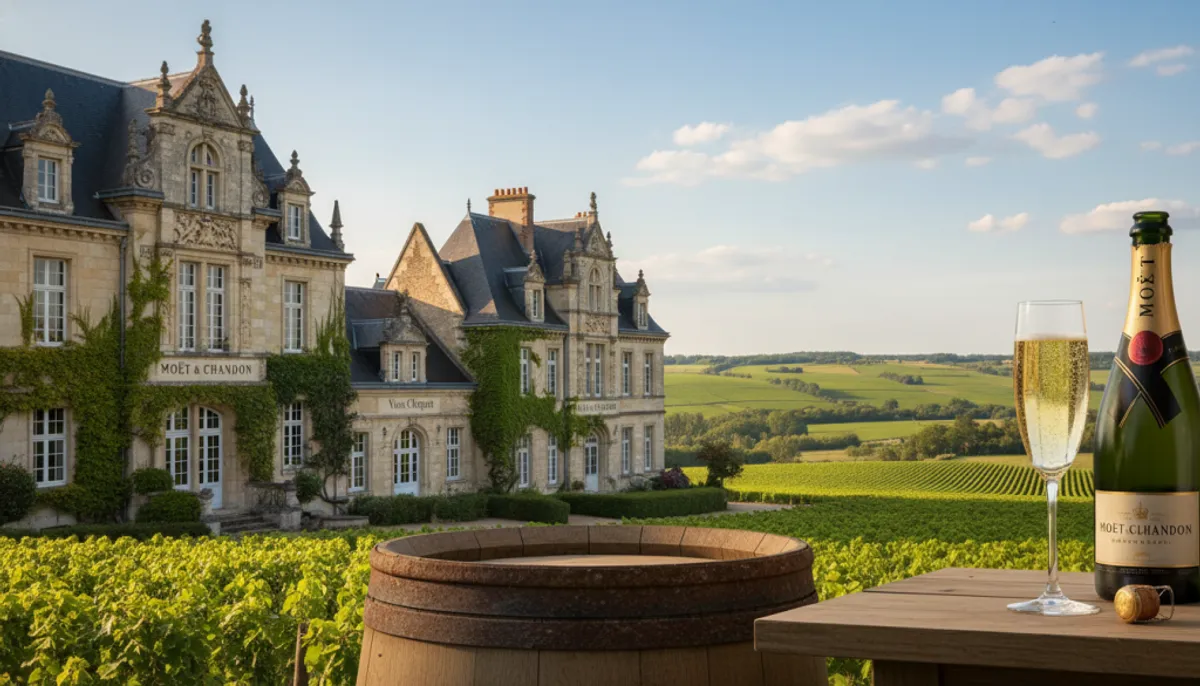
Studying these figures sheds light on the dedication behind top labels. Through centuries of refinement, families and estates preserved methods that define the region’s history.
Explore historic selections and request a personalized quote at https://champagne-export.com to find bottles like the orange champagne bottle that carry this legacy.
Navigating the Champagne Region for an Authentic Experience
Start your visit in Reims or Épernay to feel how history and cellar craft shape every sip. These towns sit in the heart of the region and act as gateways to 34,000 hectares of vineyards.
Walking along the Avenue de Champagne reveals grand mansions and estates like Moët & Chandon. Small, family-run producers sit beside famed names, offering a contrast of scale and style.
Plan tastings at a local winery to see production up close. You will watch grape picking, pressing, and blending. A guided tasting teaches more than labels ever can.
- Visit key stops: Heart Reims cellars and Épernay avenues.
- Try varied experiences: estate tours, cellar walks, and private tastings.
- Meet families: many estates keep traditions going for centuries.
Whether you choose Alfred Gratien, Nicolas Feuillatte, or a small family estate, these visits bring the world of fizz to life. For those looking to indulge, exploring high-end champagne labels can elevate your tasting experience. Request a personalized quote to secure bottles that recall your tasting experience.
Selecting the Right Vintage for Your Occasion
A well-chosen vintage can turn a simple toast into a memorable tasting experience. Decide first whether you want a bright, youthful bottle or a complex, aged cuvée.
For milestone events, many lovers opt for a Blanc de Blancs or a grand cru. These bottles offer layered texture and aging potential that reward waiting.
Compare premier cru with other classifications during tasting to match quality to the moment. Premier cru labels often deliver consistent structure without the premium price of some grands crus.
Think about where the grapes came from. Vineyards and the broader region shape acidity, fruit, and cellar life. That helps you pick wines that suit food and timing.
- Quick tip: For a crisp start choose a young bottle; for a layered toast choose an older vintage.
- Need help? Request a personalized quote at https://champagne-export.com to find the perfect vintage for your experience.
The Evolution of Modern Champagne Producers
From long-standing family estates to agile newcomers, today’s producers, including the top blanc de blanc producers, balance legacy with change.
Family names such as Boizel carry a legacy dating to 1834. They show how tradition guides craft and identity.
At the same time, iconic brands like Moët Chandon keep influence while newer teams push technique. This blend keeps the region vibrant.
Many modern champagne houses adopt sustainable farming to protect soil for the next century. That approach ties respect for history to forward-looking care.
Visiting a contemporary winery reveals these shifts. You’ll see old cellar tools beside low-intervention winemaking and renewable-energy changes.
- Balance: tradition and innovation coexist.
- Legacy: family estates preserve techniques.
- Future: sustainability shapes production.
| Producer Type | Key Strength | What to Expect |
|---|---|---|
| Family estate (e.g., Boizel) | Heritage & consistency | Classic style, cellar-aged cuvées |
| Legacy brand (e.g., Moët Chandon) | Global reach | Wide range, prestige bottlings |
| New producers | Innovation | Fresh techniques, terroir focus |
Request your personalized quote at https://champagne-export.com to explore selections from these evolving producers and secure bottles that reflect both past and future.
Exporting Your Finest Selections Worldwide
Looking for Champagne? We’ve got you covered. Discover the finest selections, ready for luxury champagne exports anywhere in the world.
We coordinate global delivery with strict climate control so every bottle reaches you in ideal condition. Our team handles packaging, customs, and insured transport to protect aroma and fizz.
Requesting Your Personalized Quote
Request a personalized quote at https://champagne-export.com to get tailored solutions, including personalized champagne pricing. Tell us if you want a grand cru or a rare vintage and we will match a brand and estate to your needs.
- We work with prestigious producers including Moët Chandon and Veuve Clicquot to supply top-quality bottles.
- Our catalog spans Alfred Gratien to Nicolas Feuillatte and family-run estates for varied tasting experiences.
- From winery selection to final delivery, we focus on production integrity and an authentic tasting experience as if you were in the heart of the region near the Avenue Champagne.
Ready to ship worldwide? Visit https://champagne-export.com to request your quote and start your tasting journey with confidence.
Conclusion
Ultimately, the combination of place, technique, and heritage defines why collectors seek bottles from this champagne region.
By learning about top producers and production nuances, you will better appreciate quality in every bottle. This guide helps both seasoned collectors and new enthusiasts navigate the broader region with confidence.
Explore our curated selections to experience authentic elegance for events or cellars. Visit https://champagne-export.com to request your personalized quote and secure the finest bottles for global delivery.